How to Stop a Bull Terrier Jumping Up
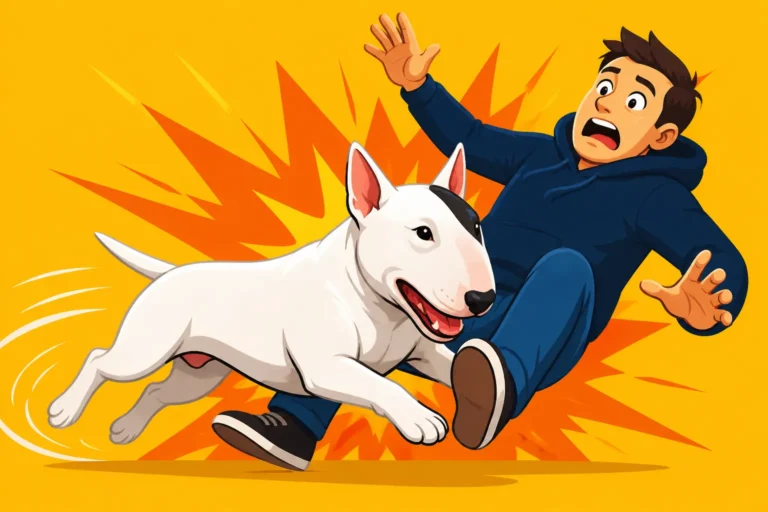
Oh, the Bull Terrier jump! It's a rite of passage for many owners, often starting as a cute puppy pounce and quickly escalating into a full-body slam from a seventy-pound bundle of enthusiasm. It’s frustrating, sometimes painful, and can even be dangerous, especially for children or elderly guests. This guide is here to walk you through understanding why your Bull Terrier thinks launching itself at you or your visitors is a good idea and, more importantly, how to teach them that four paws on the floor is always the better greeting.
Understanding Why Your Bull Terrier Jumps Up
Before we can even begin to tackle the "how to stop" part, it's crucial to understand the "why." Bull Terriers are incredibly affectionate, often described as How Physically Affectionate a Bull Terrier Is, and they communicate with their entire bodies. Their jumping isn't usually an act of defiance, but rather a robust, albeit inconvenient, expression of their zest for life and their bond with you. Knowing the root cause helps you address the behavior effectively instead of just reacting to the symptom.
The Greeting Jumper: Excitement and Attention-Seeking
This is probably the most common scenario. You walk through the door, and suddenly, your Bull Terrier transforms into a launching missile, eager to reach your face, your hands, or anything they can connect with. For them, this is a huge, joyful greeting, a "hello, I missed you!" in the most physical way possible. It's often reinforced without us even realizing it. When they jump, what's our first instinct? To push them down, say "no," or perhaps even laugh or pet them if it's a puppy. All of these, even negative attention, can be perceived as a reward by your Bull Terrier.
Think about it from their perspective: "Human arrived! I jump! Human looks at me/talks to me/touches me! Success!" This pattern quickly cements the idea that jumping is the most effective way to get your immediate attention. It’s not malicious; it's simply what works for them. They've learned that a big leap earns a big reaction, and Bull Terriers, as we know, are intelligent creatures who quickly figure out How Smart a Bull Terrier Really Is how to get what they want.
This type of jumping can also extend to guests. Your friends arrive, perhaps they're not used to such an enthusiastic greeting, and they might inadvertently reinforce the behavior by trying to pet the dog while it's airborne or shooing it away. It’s a cycle of unintended reinforcement that can be tough to break without a clear, consistent strategy.
The Play Jumper: Getting Your Attention for a Game
Sometimes, the jumping isn't just about greeting, but about initiating play. Your Bull Terrier might come bounding over, nudge a toy into your lap, and then, when you don't immediately engage, launch themselves at you with a playful bark or growl. They're basically saying, "Hey! I want to play! Pay attention to me! Let's roughhouse!" This is especially true if you've ever engaged in rough-and-tumble play that involves them leaping on you.
This kind of jumping is often accompanied by other play cues, like a play bow, a wagging tail, or holding a toy in their mouth. They’re trying to get a reaction, to engage you in their version of fun. If you've previously responded to this by wrestling with them or pushing them away in a playful manner, they've learned that jumping is an effective way to kick off a game. It's their attempt to direct your energy towards interaction.
It's vital to differentiate this from aggressive behavior, which it almost never is in a Bull Terrier. It's pure, unadulterated "clown" energy, trying to cajole you into a game. However, a seventy-pound dog jumping at you, even playfully, can still cause injury or knock someone over, so it needs to be managed just like any other unwanted behavior.
The Counter Surfer: Accessing Forbidden Treasures
While less about jumping on people, counter surfing is a form of jumping that often frustrates Bull Terrier owners, especially those with puppies or particularly food-motivated adults. This is when your Bull Terrier uses its powerful hind legs to launch itself up and try to snatch food or interesting items off kitchen counters, tables, or even shelves. Their desire to explore and get at something tempting overrides any polite manners they might possess.
A Bull Terrier’s unique build, with that robust, muscular body, makes them surprisingly agile and powerful jumpers when they want to be. They might start by just putting their front paws on the counter, but quickly learn that a full jump gives them a better vantage point – and often, access to that delicious sandwich or shiny car key. This behavior is incredibly rewarding for them, especially if they succeed in grabbing something tasty. The act of getting a "treasure" reinforces the jumping much more powerfully than any human attention could.
This form of jumping often signals that your Bull Terrier is bored, under-exercised, or simply hasn't been taught impulse control around tempting items. They are, after all, "three-year-olds in a dog suit," as the saying goes, and their curiosity and desire for immediate gratification can sometimes get the better of them. Preventing access and managing the environment become key strategies here.
Essential Foundations for Training No-Jump Behavior
Stopping a Bull Terrier from jumping isn't about harsh punishment; it's about clear communication, consistency, and teaching them what you do want them to do instead. Remember, Bull Terriers are incredibly sensitive to tone, and What a Harsh Correction Does to a Bull Terrier can often lead to them shutting down or becoming wary, which is the last thing you want. Building a solid foundation ensures your training efforts are positive and effective.
Consistent Rules and Household Agreement
This is probably the most critical foundation. Every single person who interacts with your Bull Terrier must be on the same page. If you're diligently ignoring jumps and rewarding four paws on the floor, but your partner or your kids still give attention when the dog jumps, you're sending mixed signals. Your Bull Terrier is smart enough to quickly learn, "Oh, Mom doesn't like jumping, but Dad thinks it's funny, and the kids give me a pet!" This makes the behavior incredibly difficult to extinguish.
Before you even start active training, sit down with everyone in the household. Discuss the new rules: no attention for jumping, ever. This means no pushing them down, no eye contact, no talking, no petting – nothing. Explain that consistency is key for your Bull Terrier to understand the new expectations. It might feel a little awkward at first, but it's essential. Make sure everyone knows what the desired alternative behavior is (e.g., sitting or standing politely with all four paws down) so they can reward that correctly.
This consistency also applies to different situations. Is jumping okay when you're outside playing, but not inside? Is it okay with certain people but not others? Bull Terriers thrive on clear rules. The more consistent you are, the faster they will learn. This foundation makes all other training steps much more effective and prevents your Bull Terrier from becoming confused or frustrated by unpredictable responses.
Managing the Environment to Prevent Jumping
While you're working on actively training your Bull Terrier, it's incredibly helpful to manage their environment to prevent opportunities for jumping. This isn't cheating; it's smart training. Every time your dog jumps and gets a reward (even accidental attention), the behavior is reinforced. By managing the environment, you reduce those opportunities for reinforcement.
For greeting jumpers, consider using a sturdy baby gate or a crate when people first enter the house. This allows your Bull Terrier to be present, but physically prevents them from jumping on guests. They can still see and hear the arrival, but they can't practice the unwanted behavior. Once they've calmed down, they can be let out for a controlled greeting. For counter surfers, simply make sure nothing tempting is left within reach. If they can’t get it, they can’t be rewarded for trying. This might mean keeping kitchen counters clear, putting groceries away immediately, or even using an exercise pen to block access to the kitchen during meal prep. You can find robust gates and exercise pens on platforms like Amazon that are sturdy enough to withstand a determined Bull Terrier.
Environmental management also includes things like keeping greetings low-key. If you arrive home and immediately get down on their level, it reduces the need for them to jump up to reach you. Similarly, if your Bull Terrier tends to jump on you when you're holding a leash, try putting the leash on before you open the door, allowing them to settle before exciting activities begin. Consider a good quality, strong leash or harness from a brand found on Amazon to help manage them during excited moments, like going out for a walk where How Strong a Bull Terrier Is on a Leash.
Teaching an Alternative Behavior
The most effective way to stop jumping is not just to say "no" but to teach your Bull Terrier what you want them to do instead. This is called training an "incompatible behavior"—a behavior they cannot do at the same time as jumping. The classic examples are "sit" or "four paws on the floor." When they are sitting, they physically cannot be jumping.
Start practicing "sit" in a low-distraction environment. Lure them into a sit with a treat held near their nose and swept back over their head. As soon as their rear touches the ground, mark the behavior with a verbal "yes!" or a clicker, and give them the treat. Repeat this many, many times until "sit" is a rock-solid command. Then, gradually introduce distractions. Practice it by the door, with the doorbell ringing, and with other people present. Remember that Bull Terriers often train best in short, engaging bursts. How Short a Bull Terrier's Training Session Has to Be might surprise you; short, frequent sessions are far more effective than long, drawn-out ones.
Once they know "sit" reliably, you can start asking for it before they even have a chance to jump. This proactive approach is key. If they offer a sit for a greeting, they get attention and praise. If they jump, they get nothing. This teaches them that politeness, not acrobatics, is the way to earn your love and attention. You can find excellent resources for positive reinforcement training methods and even online puppy classes from services like BAXTER & Bella, which emphasize these foundational skills.
Step-by-Step Training Strategies to Stop Jumping
Now that we've laid the groundwork, let's get into the actionable steps you can take to stop your Bull Terrier from launching themselves at unsuspecting victims. Consistency, patience, and positive reinforcement are your best friends here.
The "No Reward" Approach
This is often called "extinction" in behavioral terms, and it's incredibly powerful when applied consistently. The basic premise is simple: any attention, even negative attention, can be a reward for a Bull Terrier seeking interaction. Therefore, to make jumping not rewarding, you must remove all attention the moment they jump.
Here's how to do it:
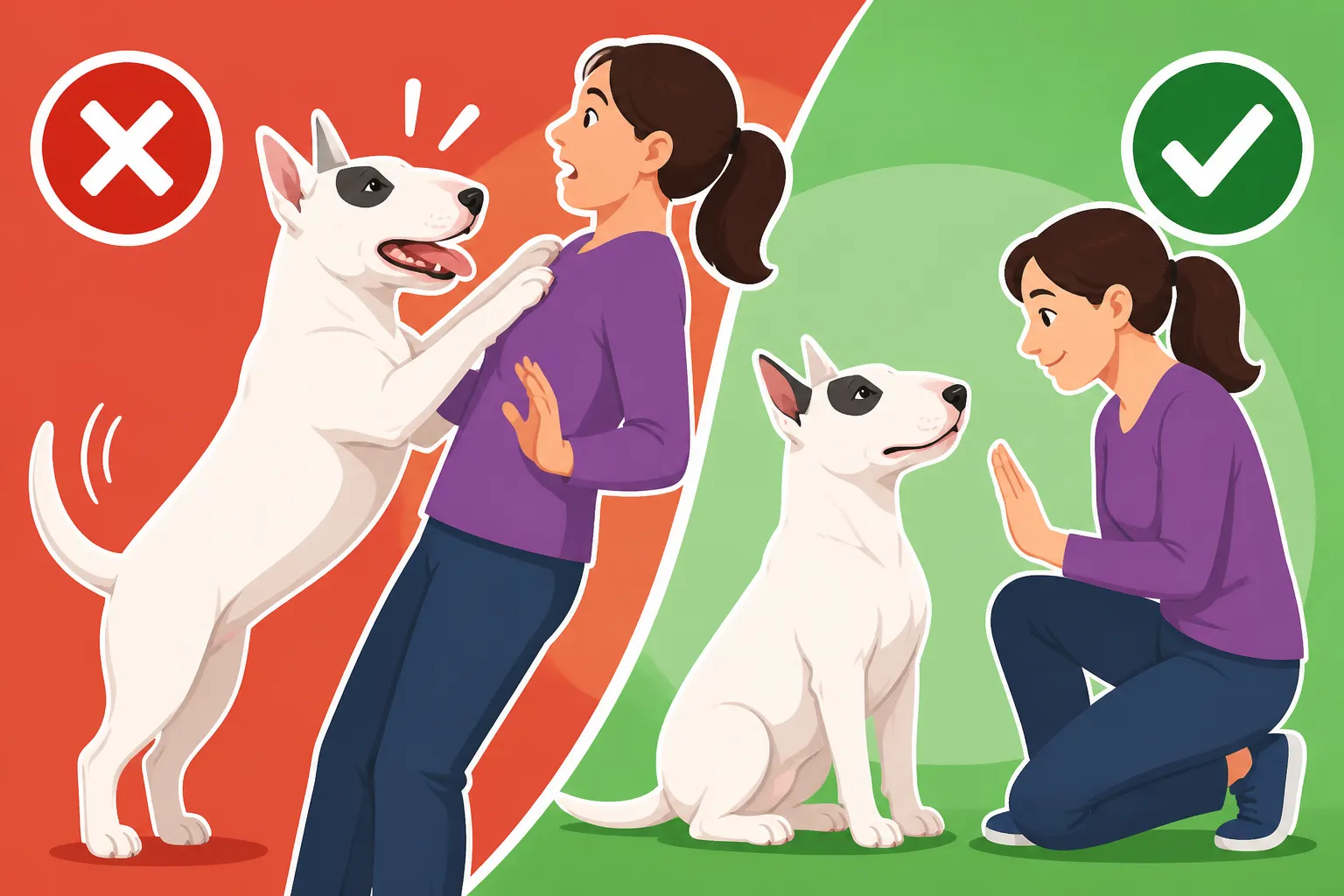
- Be a Tree: The instant your Bull Terrier’s paws leave the ground and touch you (or your guest), turn your back, cross your arms, and completely ignore them. Don't say "no," don't push them, don't make eye contact. You become as boring and unmoving as a tree.
- Wait for Four Paws: The moment all four of their paws are back on the ground, and they are standing or sitting calmly, immediately turn back, praise them softly, and give them a calm pet or a small treat.
- Repeat, Repeat, Repeat: This needs to happen every single time they jump. If you give in even once, you've just taught them that if they jump long enough or hard enough, they will eventually get what they want. It’s hard, especially when they’re being adorable, but it's crucial.
- Manage Your Entrances: When you come home, try to keep your greeting very low-key. Don't get overly excited yourself. If your Bull Terrier is already prone to jumping, consider stepping just inside the door, "becoming a tree," and only moving further or greeting them once they've settled all four paws. This helps to establish the expectation right from the moment of arrival, reinforcing the lessons they learned from How Quickly a Bull Terrier Puppy Learns the Door.
This method takes time and dedication, but Bull Terriers are smart, and they will eventually figure out that jumping gets them nothing, while calmness gets them everything they crave.
The "Four Paws on the Floor" Game
This strategy actively rewards the desired behavior. Instead of just reacting to jumping, you are proactively shaping their understanding of what does earn them attention.
- Practice in Calm Settings: Start when your Bull Terrier is relatively calm, not in an over-excited state. Have some high-value treats ready.
- Reward Calm Standing/Sitting: Whenever your Bull Terrier approaches you and keeps all four paws on the floor (or sits automatically), immediately praise them and give a treat.
- Introduce Mild Distractions: Once they're reliably calm, introduce a slight trigger. Maybe you pick up their leash (which often excites them). If they remain on four paws, reward. If they start to get bouncy, freeze. Don't give attention until they settle.
- Increase Intensity Gradually: Over time, increase the intensity of the "triggers." Have someone gently knock on the door, then ring the doorbell, then have a friend walk in. Each time, only reward when they are calm and have all four paws on the ground. Your goal is for them to automatically offer a sit or a calm stand for a greeting. This is a great way to reinforce Teaching a Bull Terrier to Sit and Stay.
You can make this a fun game. For example, have a friend stand at a distance. If your Bull Terrier stays on the ground, your friend approaches one step and tosses a treat. If the dog jumps, the friend freezes or steps back. This teaches them that calm behavior makes good things happen.
Managing Visitors and Public Greetings
Bull Terriers are often adored by strangers for their unique looks and goofy personalities, which can create a challenging environment for training. Many people, not understanding the training you're undertaking, will encourage jumping.
- Pre-brief Your Guests: Before anyone enters your home, explain your training plan. Ask them to completely ignore your Bull Terrier if it jumps. Tell them exactly when and how to reward (e.g., "Wait until she sits, then you can give a gentle pet"). This is vital for maintaining consistency.
- Use a Barrier: When guests arrive, consider having your Bull Terrier behind a baby gate or on a leash, initially. This gives them a moment to observe the new person calmly. Once they've settled, you can allow a controlled interaction. If they leap, immediately put them back behind the gate or take a step back with the leash.
- Leash Management in Public: When out on walks, you'll encounter people who want to pet your Bull Terrier. Again, pre-brief. Hold the leash short, and as someone approaches, ask your dog for a sit. If they maintain the sit, the person can give a quick, gentle pet. If they jump, the person immediately retracts their hand and you turn away. This helps teach them polite public manners. Brands like BAXTER & Bella offer excellent online courses that delve into polite public interactions and impulse control around distractions.
- Practice "Go to Mat/Place": Teach your Bull Terrier to go to a designated mat or bed when someone comes to the door. This gives them a specific, calm job to do. Reward heavily for staying on their mat until released. This can be a fantastic way to manage greetings, giving them a constructive outlet for their excitement rather than an explosion of jumps and body slams.
Remember, Bull Terriers are often Why a Bull Terrier Shows Affection With Its Whole Body, and their exuberance is part of their charm. Your goal isn't to squash their personality, but to channel it into appropriate, safe, and polite expressions.
Common Pitfalls and Troubleshooting Your Jumping Bull Terrier
Even with the best intentions and consistent effort, training a Bull Terrier has its unique challenges. Their spirited nature and innate drive can sometimes make it feel like you're taking one step forward and two steps back. Understanding common pitfalls can help you navigate these bumps in the road.
Inconsistency Is the Enemy
I can't stress this enough: Bull Terriers are incredibly observant and will exploit any cracks in your consistency. If you sometimes let them jump on you because you're in a hurry, or if a guest secretly gives them a pet while they're airborne, your Bull Terrier learns that jumping sometimes works. This makes the behavior much harder to extinguish than if it never works. It's like a slot machine – if it pays out occasionally, you keep pulling the lever. If it never pays out, you walk away.
This is especially true with a breed that, as the saying goes, is often Why a Bull Terrier Is Called a Three Year Old in a Dog Suit. They test boundaries, they push limits, and they're always looking for the loophole. So, if you've decided on the "no reward" approach, every single human interaction with your Bull Terrier must adhere to it. This includes children, houseguests, and even strangers you meet on walks. A unified front is absolutely essential for success.
It's also easy to get frustrated and snap at your Bull Terrier when they jump, but remember What a Harsh Correction Does to a Bull Terrier. This kind of reaction, while understandable in the moment, can actually introduce confusion or fear, rather than clarity. Stick to the "be a tree" method, turning away calmly and consistently. It's a marathon, not a sprint, and your Bull Terrier needs you to be their clear, consistent leader.
Dealing with Over-Excitement and Arousal
Sometimes, a Bull Terrier's jumping is less about seeking attention and more about an inability to manage their own excitement levels. When they get wound up – whether it's anticipating a walk, seeing a favorite toy, or a new person entering their space – their impulse control goes out the window. This is where you'll see those full-speed zoomies turn into body slams.
To tackle this, you need to work on teaching your Bull Terrier to be calm in the face of excitement.
- Practice Calmness Drills: Start with "settle" or "place" commands in low-distraction environments. Reward them heavily for lying down and staying calm. Gradually introduce minor distractions (e.g., you walking past, a toy being dropped).
- Desensitize Triggers: If certain things trigger their over-excitement (like you picking up the leash), practice that trigger in isolation. Pick up the leash, then put it down, with no walk. Repeat until they react calmly. Only when they are calm with the trigger do you proceed to the next step (e.g., putting the leash on, then going for a walk).
- Enrichment for Boredom: Sometimes, over-excitement stems from pent-up energy or boredom. Ensure your Bull Terrier is getting enough appropriate physical exercise and mental stimulation. Puzzle toys, like those readily available on Amazon, can be fantastic for engaging their minds and tiring them out. A bored Bull Terrier is often a destructive or boisterous Bull Terrier, and jumping might just be one symptom of that pent-up energy, as covered in What a Bull Terrier Does When It Is Bored.
Teaching impulse control, like waiting patiently before going through a door or before eating, can generalize to other areas, including managing excitement around greetings. Services like BAXTER & Bella often have specific modules on impulse control and managing high-arousal situations.
When to Seek Professional Help
Most Bull Terrier jumping issues can be resolved with consistent, positive training. However, there are times when seeking professional help is the wisest course of action. If you've been consistently applying these methods for several weeks or months and see no improvement, or if the jumping is accompanied by other concerning behaviors, it might be time to call in a professional.
A certified professional dog trainer or a veterinary behaviorist can observe your Bull Terrier's behavior in person, identify specific triggers you might be missing, and tailor a training plan unique to your dog's personality and your household dynamics. They can also rule out any underlying medical issues that might be contributing to hyperactivity or discomfort. For instance, sometimes what looks like jumping can be an exaggerated startle response or even a manifestation of anxiety.
Never feel ashamed to ask for help. Owning a Bull Terrier is an incredibly rewarding experience, but they are a strong, spirited breed with unique needs. Investing in professional guidance can save you a lot of frustration and ensure you and your Bull Terrier live a happy, harmonious life together. Knowing Whether a Bull Terrier Needs a Behaviorist is a sign of a responsible owner dedicated to their dog's well-being and your shared future.
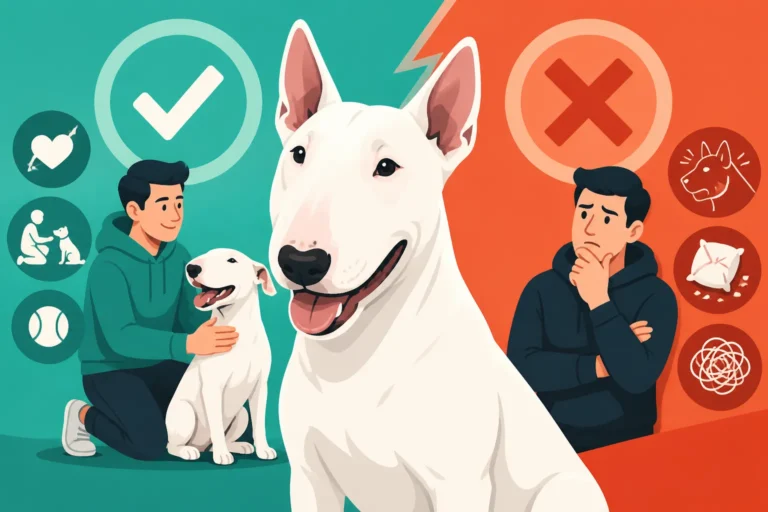
Stopping a Bull Terrier from jumping up requires patience, unwavering consistency, and a deep understanding of their playful, affectionate nature. By teaching them what to do instead of focusing solely on what not to do, and by ensuring everyone in their life is on the same page, you can transform those powerful leaps into polite, four-on-the-floor greetings. It might take time, but the reward of a well-mannered Bull Terrier is more than worth the effort.
Disclaimer
This article is for general informational purposes only and does not constitute professional advice. Laws, prices and regulations vary by location and change over time. Consult a qualified professional for guidance on your specific situation.