Why a Bull Terrier Quits on the Fourth Repetition
Oh, the infamous "fourth repetition quit"! If you've ever owned a Bull Terrier, you know exactly what I'm talking about. You're in a training session, your Bull Terrier is rocking it, nailing "sit," "stay," or "down" with enthusiasm, and then suddenly, on the third, fourth, or maybe fifth try, their brain just seems to switch off. They look at you with that utterly charming, yet infuriating, Bull Terrier stare, as if to say, "Done. Next challenge, please. Or perhaps a nap." This isn't a sign of defiance or a lack of intelligence; it's a peek into the unique, complex, and often hilarious Bull Terrier mind. This guide is here to help you understand why your Bull Terrier seems to quit mid-session and, more importantly, how to keep them engaged, motivated, and happily learning.
Understanding the Bull Terrier Mindset: Why "Quitting" Isn't Always What It Seems
Let's be honest, Bull Terriers aren't your typical "I live to please" breed. They are thinkers, clowns, and often, independent contractors in their own lives. When your Bull Terrier "quits" on the fourth repetition, it's rarely because they've forgotten the command or are trying to be difficult. It's usually a combination of factors rooted deeply in their breed temperament and intelligence. Understanding this is the first step to successful training.
The "What's In It For Me?" Philosophy
Every Bull Terrier carries a deep-seated philosophy: "What's in it for me?" This isn't selfishness, it's just how their magnificent brains are wired. They are smart, quick learners, but they are also highly discerning. If a task isn't inherently rewarding, exciting, or novel, their interest wanes faster than a puddle in the summer sun. Repetition, especially mundane repetition, quickly loses its luster. They learn quickly, yes, but once they know it, the incentive to perform it repeatedly for the same old reward diminishes. They’re not performing for your approval in the same way some other breeds might; they’re performing for the jackpot, for the sheer joy, or for the challenge. A Bull Terrier Trains When It Sees the Point beautifully illustrates this perspective.
Consider a scenario: you're trying to teach your Bull Terrier to lie down. The first time, they get a fabulous treat and lavish praise. The second time, same deal. Third time, maybe a slightly less enthusiastic treat, and by the fourth, it's a dry kibble and a pat on the head. In their mind, the value proposition has plummeted. Why exert effort for diminishing returns? Their internal logic simply dictates that the effort no longer matches the reward. They've understood the command; now it's just boring.
Short Attention Spans and High Stimulation Needs
Bull Terriers, for all their intelligence, can have remarkably short attention spans for anything they deem uninteresting. They thrive on novelty, excitement, and mental stimulation. Sitting in one spot doing the same thing over and over can feel like torture to a dog that's wired to be active, curious, and playful. Their minds are always seeking out the next interesting thing, whether it's a squirrel in the yard, a new scent, or simply a different way to interact with you. How Short a Bull Terrier's Training Session Has to Be is a critical read if you struggle with this.
Imagine you're trying to teach your Bull Terrier to "stay" for increasing durations. In the beginning, they might hold it for 10 seconds, then 20. But once they grasp the concept, holding it for 45 seconds might feel like an eternity if nothing new or exciting is happening. Their brain is already scanning for the next big adventure. This isn't stubbornness in the traditional sense; it's a highly intelligent, easily bored mind asserting its need for dynamic engagement.
Common Reasons for the "Fourth Repetition Fade-Out"
It's not just a quirk; there are very real, understandable reasons behind your Bull Terrier's tendency to tap out early. Recognizing these will help you adjust your approach and prevent frustration on both ends of the leash.
The Repetitive Nature of Traditional Training
Traditional training methods often rely heavily on repetition: drill, drill, drill until the behavior is ingrained. For many breeds, this works beautifully. For a Bull Terrier? Not so much. Once they understand what you want, repeating it endlessly feels redundant to them. They see it as a waste of their precious time and energy. It's like asking a genius to solve 2+2 repeatedly; they'll do it a couple of times, then wonder why you're not moving on to calculus.
This is where the "fourth repetition fade-out" truly kicks in. You've asked for "sit" three times, they've sat, they've been rewarded. They get it. On the fourth ask, they might yawn, sniff the ground, or simply stare blankly, signaling that the lesson is over in their mind. They're not being disobedient; they're just… done. They've processed the information, stored it, and are ready for the next piece of data, or preferably, a game of chase.
Insufficient or Predictable Rewards
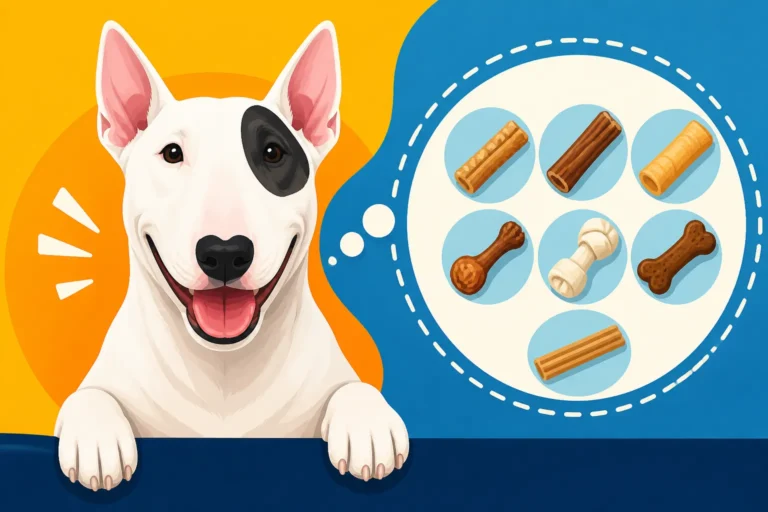
This ties back to the "what's in it for me?" principle. If your rewards are too small, too predictable, or not varied enough, your Bull Terrier will quickly lose interest. A piece of kibble might work once or twice, but for sustained engagement, especially with a challenging Bull Terrier, you need high-value, varied rewards.
Think about it: if you're working for minimum wage doing a repetitive task, you might put in the effort. But if you were offered a bonus for every tenth widget, you'd be far more motivated. Your Bull Terrier operates on a similar, albeit simpler, economic principle. If the reward isn't worth the effort, the effort ceases. This is particularly true if they’re prone to being How Stubborn a Bull Terrier Is.
Here's a quick comparison of reward types:
| Reward Type | Description | Bull Terrier Appeal | Use Cases |
|---|---|---|---|
| Low-Value | Dry kibble, generic biscuit, mild praise | Low to Medium | Maintenance, established behaviors, short bursts of easy tasks |
| Medium-Value | Small pieces of cheese, boiled chicken, favorite toy, enthusiastic praise | Medium to High | New behaviors, slightly challenging tasks, increasing duration |
| High-Value | Deli meat, hot dogs, chase game, tug with a favorite toy, short fetch game | High | Introducing new concepts, proofing behaviors, overcoming distractions |
| Jackpot | Multiple high-value treats, extended play session, a walk in a favorite spot | Extreme | Breakthrough moments, overcoming a difficult challenge, random reinforcement |
You need to constantly evaluate Which Reward Outranks a Bull Terrier's Own Idea to keep them guessing and motivated. A toy from Amazon that they absolutely adore, or a super smelly piece of cheese, will often override their desire to quit.
Over-Correction or Frustration from the Handler
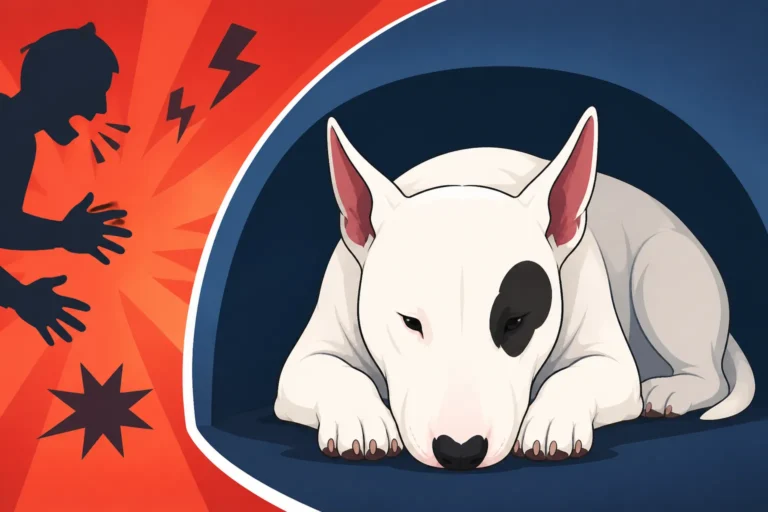
Bull Terriers are surprisingly sensitive, despite their tough exterior. They pick up on your emotions. If you become frustrated, annoyed, or resort to harsh corrections when they "quit," it can be counterproductive. They might shut down, become less willing to engage, or simply disassociate from the training session altogether. What a Harsh Correction Does to a Bull Terrier is not something any Bull Terrier owner wants to experience.
Their "quitting" isn't malicious; it's a form of communication. They're telling you they're bored, the reward isn't good enough, or they simply don't see the point. Responding with anger or punitive measures will only erode the bond and make future training harder. They need a partner, not a drill sergeant.
Strategies to Keep Your Bull Terrier Engaged and Learning
So, how do you combat this "fourth repetition quit"? It's all about making training a game, keeping it interesting, and understanding that you're working with a unique canine individual.
Keep Sessions Short, Sweet, and Varied
Forget long, drawn-out training sessions. For a Bull Terrier, less is often more. Aim for multiple short sessions throughout the day (5-7 minutes each) rather than one long one. This keeps things fresh and prevents boredom. During these sessions, vary the commands, the environment, and the rewards.
For example, instead of doing 10 "sits" in a row in the living room, try this:
- Sit in the kitchen (treat).
- Down in the hallway (toy reward).
- Stay by the back door (high-value treat).
- A quick game of tug, then ask for a "leave it" (treat).
- Sit on the sofa (cuddle and praise).
This approach keeps them guessing and makes the reward feel less earned for repetitive tasks, and more like a bonus for engaging with you. Remember, How Many Reps a Bull Terrier Gives You is often directly proportional to how engaging and unpredictable the session is.
Elevate and Rotate Your Rewards
This is perhaps the most crucial strategy. You need a hierarchy of rewards and a system for rotating them. Don't always use the same treat or toy. Keep your Bull Terrier guessing!
- The Jackpot System: Sometimes, for a truly stellar effort or a breakthrough moment, unleash the jackpot! A handful of super tasty treats, a quick wrestling match, or a dash out to the yard for a zoomie. This makes them realize that amazing things can happen if they stay engaged.
- Surprise Element: Don't let your Bull Terrier know what's coming. One rep might earn a piece of chicken, the next a favorite squeaky toy, the one after a game of tug. This unpredictability keeps their dopamine receptors firing and maintains excitement.
- Life Rewards: Sometimes the best reward is access to something they want. If they want to go outside, ask for a sit. If they want to chase a ball, ask for a down. This integrates training into their daily life in a meaningful way.
Consider investing in a variety of high-quality, durable toys from places like Amazon to keep toy rewards interesting. Which Toy a Bull Terrier Will Work For can be a journey of discovery, but it's worth it.
Incorporate Play and Brain Games
Bull Terriers are intelligent and love to play. Incorporate play directly into your training. A short game of tug can be a reward itself, or it can be used to break up repetitive tasks. Puzzle toys are fantastic for mental stimulation and can be used to "earn" a meal or treats, satisfying their working drive. Which Puzzle Toys Occupy a Bull Terrier can be a great resource for ideas.
- Hide-and-Seek: Hide a treat and have them "find it." This taps into their natural sniffing abilities.
- "Go Find": Hide yourself and call them. When they find you, it's party time!
- Flirt Pole: A flirt pole mimics prey movement and gives them an incredible mental and physical workout in short bursts.
These activities don't just tire them out physically; they engage their minds, which is often more exhausting and satisfying for a Bull Terrier. This also helps immensely with preventing boredom-induced behaviors.
Focus on Positive Reinforcement and Relationship Building
Positive reinforcement is key with a Bull Terrier. They respond best to rewards and encouragement, not force or punishment. Build a relationship based on trust, mutual respect, and fun. When training becomes a cooperative game you play together, your Bull Terrier is far more likely to stay engaged.
- Clicker Training: Many Bull Terrier owners find success with clicker training. The click marks the exact moment of desired behavior, followed by a reward. This clear communication can be very effective for a breed that thinks so quickly. How a Clicker Lands With a Bull Terrier might be something to explore.
- Patience is a Virtue: Sometimes, your Bull Terrier just needs a moment. If they "quit," take a breath. Don't repeat the command in a frustrated tone. Instead, reset. Walk away, come back a minute later, change the location, or switch to a command they always nail, then end on a positive note.
- Online Resources: If you're struggling, consider online training platforms. Programs like BAXTER & Bella offer structured, positive reinforcement-based courses that can guide you through various stages of training and problem-solving, often with flexible schedules that suit a Bull Terrier's "on-again, off-again" learning style.
When to Seek Professional Help (and What to Expect)
While the "fourth repetition quit" is a common Bull Terrier quirk, sometimes it can mask deeper issues or simply be too frustrating to handle alone. Don't hesitate to reach out to professionals if you feel stuck.
Recognizing When It's More Than Just "Quitting"
If your Bull Terrier is not just losing interest but actively resisting, showing signs of anxiety, fear, or aggression during training, or if their "quitting" extends to almost all commands and interactions, it might be time for a professional. A sudden change in behavior could also indicate an underlying medical issue, so a vet check-up is always a good first step.
- Active Resistance: Not just ignoring, but actively moving away, growling, or snapping when asked to perform a known command.
- Anxiety/Fear: Excessive panting, drooling, yawning, lip-licking, or tucking their tail during training.
- Complete Shutdown: Refusing to engage at all, becoming completely unresponsive to any cues or rewards.
These behaviors are different from the typical Bull Terrier "I'm bored" look and warrant a closer look.
What a Professional Trainer or Behaviorist Can Offer
A good professional trainer or a certified veterinary behaviorist can provide invaluable insight and guidance. They understand breed-specific behaviors and can help you tailor a training plan that works for your unique Bull Terrier.
- Personalized Assessment: They can observe your interactions and pinpoint specific triggers or communication gaps you might be missing.
- Customized Training Plans: A professional can help you design a dynamic training regimen that leverages your Bull Terrier's intelligence and desire for novelty, making it less about repetitive drills and more about engaging challenges. They might introduce advanced concepts or games that keep their minds stimulated.
- Behavior Modification: If the "quitting" has escalated into more concerning behaviors, a behaviorist can help you understand the root cause and implement a safe, effective modification plan.
- Equipment Advice: They can recommend specific tools or harnesses that might improve your control and communication during training, which can often be found on platforms like Amazon.
Remember, a professional's role isn't to "fix" your dog, but to teach you how to effectively communicate and build a stronger bond with your Bull Terrier. It's about empowering you with the tools and understanding to navigate their wonderful, quirky personalities. The training and behavior content hub has more excellent resources for working with this magnificent breed.
Disclaimer
This article is for general informational purposes only and does not constitute professional advice. Laws, prices and regulations vary by location and change over time. Consult a qualified professional for guidance on your specific situation.