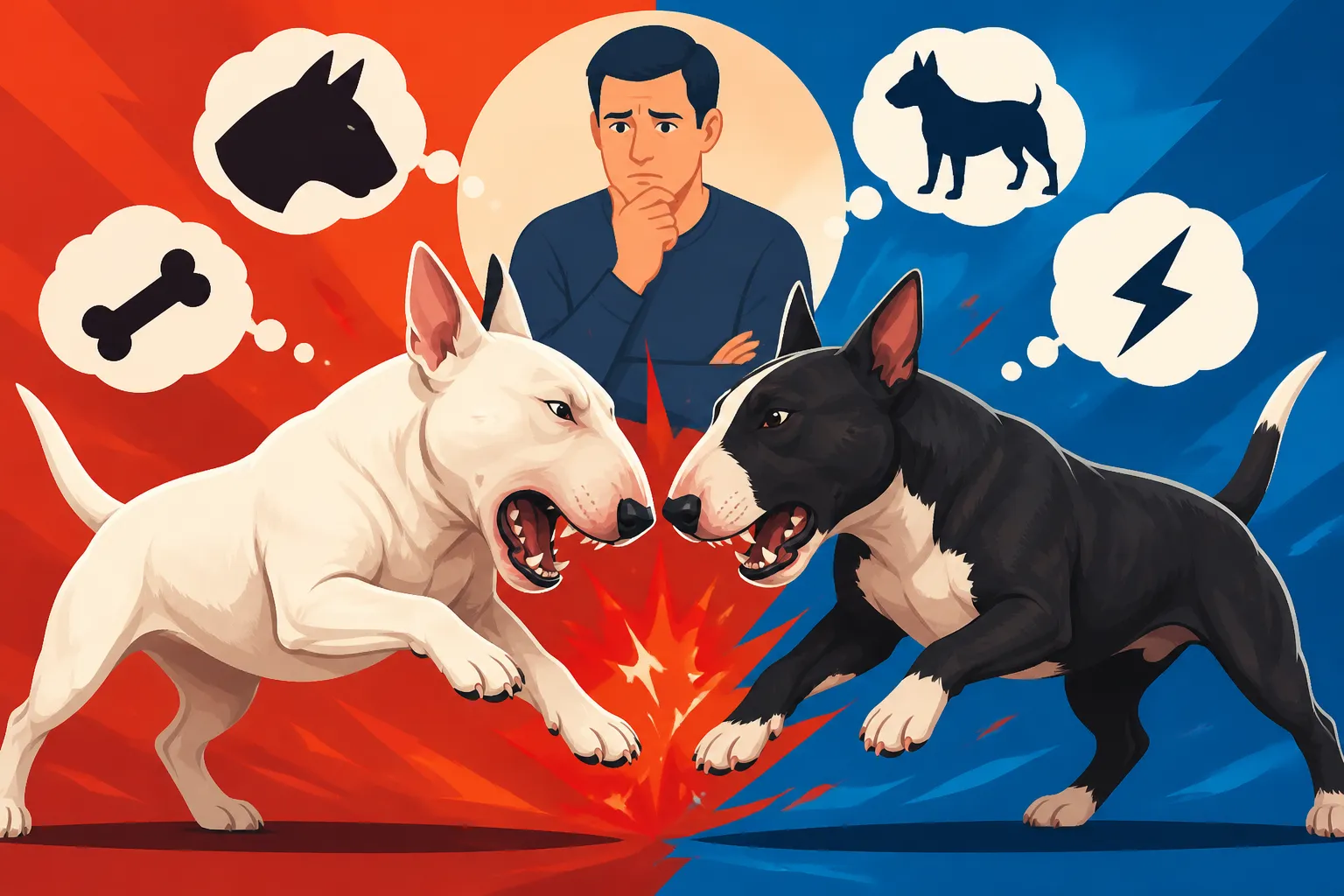
Why Two Same Sex Bull Terriers Fight
The idea of bringing a second Bull Terrier into your home, especially one of the same sex, can be incredibly exciting. You envision double the cuddles, double the fun, and a built-in companion for your existing dog. However, many Bull Terrier owners face the heartbreaking reality that same-sex aggression is a significant concern within the breed, turning their dream into a stressful, sometimes dangerous, daily struggle. This guide will delve into why two Bull Terriers of the same sex might clash and offer insights into preventing and managing such challenging situations.
Understanding Bull Terrier Temperament and Instincts
Bull Terriers are truly unique dogs, often described as a "three-year-old in a dog suit" due to their enduring mischievousness and boundless energy. But beneath the clownish exterior lies a powerful breed with a complex temperament, shaped by generations of selective breeding. Understanding these inherent traits is crucial when considering a multi-Bull Terrier household, especially with same-sex pairings.
The Strong-Willed and Dominant Nature
Bull Terriers are not a "set it and forget it" breed. They are known for being incredibly strong-willed, intelligent, and often possess a dominant streak. This isn't necessarily about being mean; it's about their innate desire to be "the boss" or at least have a clear understanding of their place within the social structure. When you have two dogs of similar temperament and strength, particularly within the same sex, these natural tendencies can lead to clashes over resources, attention, and perceived status.
It's not uncommon for a Bull Terrier to test boundaries, not just with their human family but also with other dogs in the home. They push, they lean, they assert themselves in subtle and not-so-subtle ways. While this can be managed with consistent training and clear leadership from the human, it becomes significantly more complicated when another Bull Terrier is doing the exact same thing, vying for the same top spot. This is why pairing them thoughtfully is so important; you’re not just managing two individuals, but a complex relationship.
Breed-Specific Dog Tolerance Levels
Historically, Bull Terriers were developed with an emphasis on courage and gameness, traits that, while admirable in certain contexts, can sometimes translate into a lower tolerance for other dogs. While often friendly and outgoing with people, their interactions with other canines can be quite different. It's a common misconception that all dogs want to be friends, and with Bull Terriers, this is particularly true – they often have a very specific circle of canine acquaintances they're willing to tolerate or play with, and that circle doesn't always extend to another Bull Terrier vying for the same turf in their home.
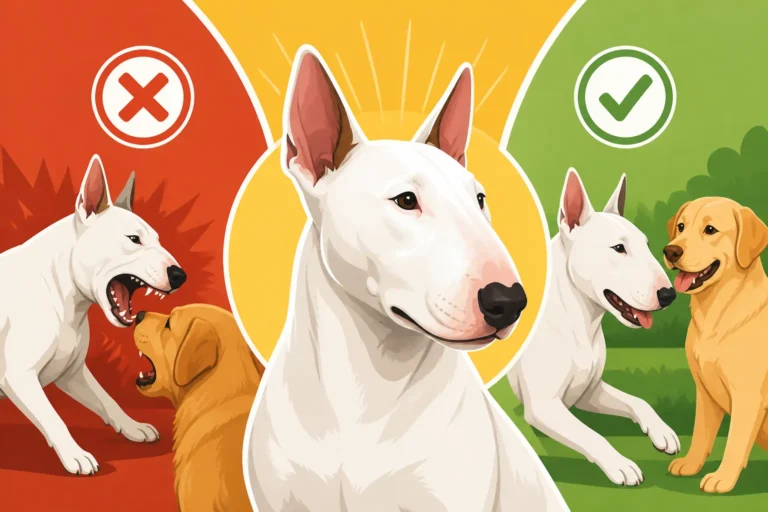
This isn't to say all Bull Terriers are dog-aggressive; many live peacefully with other dogs, especially if introduced correctly and managed properly. However, the potential for dog-on-dog aggression, particularly same-sex aggression, is a widely acknowledged characteristic of the breed. It’s a genetic predisposition that responsible owners must be aware of. Think of it less as a flaw and more as a powerful, ingrained instinct that requires careful consideration and management. How a Bull Terrier Gets On With Other Dogs is a topic many owners grapple with as their dogs mature.
The Role of Hormones and Maturation
Hormones play a significant, often underappreciated, role in canine behavior, and same-sex aggression is frequently linked to them. While spaying and neutering can mitigate some of these issues, it's not a magical fix, and the timing of these procedures can be crucial.
Intact Males and Females
For intact male Bull Terriers, testosterone fuels a natural drive to assert dominance and compete for resources, including mates and territory. When two intact males live together, this instinct can become a volatile recipe for conflict. Even if they were raised as puppies and got along initially, the onset of sexual maturity often marks a turning point where what was once playful sparring escalates into serious, often dangerous, fights. Their bodies are literally telling them to compete, and they're both built powerfully enough to inflict significant harm.
Similarly, intact female Bull Terriers can also experience intense same-sex aggression, sometimes even more ferociously than males. Estrus cycles, phantom pregnancies, and the maternal instinct can heighten territoriality and resource guarding. When two intact females are constantly vying for position, especially around heat cycles or during times of stress, the tension can be palpable and sudden fights can erupt. These aren't just squabbles; they can be brutal, silent battles for supremacy, and the potential for serious injury is very high. It's a stark reminder that Whether Neutering Calms a Bull Terrier isn't a simple yes or no answer for all behaviors.
Spaying, Neutering, and Behavioral Changes
While spaying or neutering can reduce hormonally driven aggression, it's not a guaranteed solution, especially if aggressive patterns are already established. The decision of when to spay or neuter is a complex one, with arguments for both early and late procedures. Some argue that allowing a dog to mature fully with their hormones can contribute to a more confident and stable temperament, potentially reducing anxiety-based aggression. However, for same-sex aggression, especially in males, early neutering before aggressive patterns emerge is often recommended to reduce the hormonal drive.
If aggression has already become a learned behavior, removal of hormones might lessen the intensity of the aggression but won't erase the pattern. Think of it this way: if a dog has learned that fighting is how it gets what it wants, removing the testosterone won't unlearn that lesson. Furthermore, even after being spayed or neutered, dogs retain certain hormonal influences, and the psychological impact of past experiences remains. Some research suggests that late neutering, especially in males who have lived with other males for a long time, may have less impact on established aggression. It really highlights the importance of understanding The Age a Bull Terrier's Dog Tolerance Changes and intervening proactively.
Recognizing the Signs of Rising Tension
Bull Terriers are often stoic and can be masters at masking pain or discomfort. This trait extends to their interactions with other dogs; subtle cues of tension can easily be missed until a full-blown fight erupts. Learning to read these early warning signs is vital for preventing serious altercations.
Subtle Cues and Body Language
Before a fight breaks out, dogs almost always give off signals, though they can be very subtle, especially in breeds known for their stoicism. For Bull Terriers, these might include a stiffening of the body, a hard stare that lingers too long, a subtle growl under the breath, or a sudden lack of interest in food or toys when the other dog is present. They might also engage in displacement behaviors, like excessive licking, sniffing the ground intently, or even a sudden urge to "trance" or stare blankly at a wall, as a way to cope with stress. The famous "Bullie glare" can quickly escalate from quirky to concerning when directed at another dog.
Even something as seemingly innocent as "pancaking" – lying flat on the ground – can be a sign of extreme submission or fear that, if ignored, can lead to a reactive outburst. Resource guarding, where one dog becomes possessive over toys, food, beds, or even a particular human, is a huge red flag. A Bull Terrier might stand over their bowl, stiffen when another dog approaches their favorite chew, or growl softly when another dog tries to share a sleeping spot. If you notice one dog consistently avoiding eye contact or trying to put physical distance between themselves and the other, it indicates underlying stress. Understanding What a Bull Terrier's Temperament Is Really Like helps decode these signals.
Escalation and Fight Triggers
Many fights among same-sex Bull Terriers aren't random; they're often triggered by specific situations. Common triggers include competition over high-value resources like food, favorite toys, or prime resting spots. The arrival of a human or another animal can also create a flashpoint, as both dogs vie for attention or territory. Even everyday activities, like feeding time or returning home after being separated, can become fraught with tension. Imagine the scene: you come home, and both Bull Terriers rush to greet you. If one tries to push the other out of the way to get to you first, that competition for attention can instantly ignite a conflict.
A crucial point to remember is that fights can be incredibly fast and intense. Unlike some breeds that engage in a lot of posturing and noise before a fight, Bull Terriers can go from seemingly calm to a full-blown attack in a heartbeat, often with minimal vocalization. This makes early intervention challenging but all the more important. Once a pattern of fighting is established, it becomes much harder to break, as both dogs learn to anticipate and react aggressively. Even a minor incident can create a memory that fuels future aggression.
Management and Prevention Strategies
Preventing same-sex aggression or managing it once it starts requires a dedicated, consistent, and proactive approach. It's about careful management of their environment, understanding their individual needs, and providing clear leadership.
Crate Training and Structured Rotations
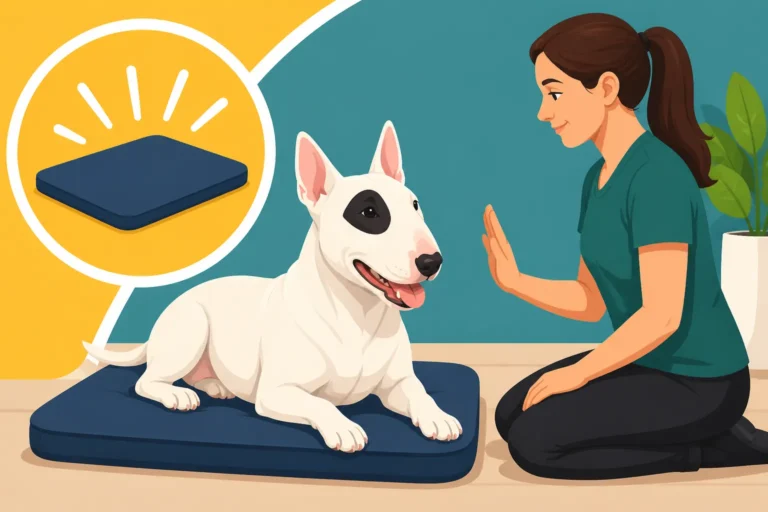
One of the most effective management tools for multi-dog households, especially those with same-sex aggression, is comprehensive crate training. Each Bull Terrier should have their own comfortable, secure crate that they view as their safe haven. This allows for safe separation when you can't actively supervise them, such as when you're at work, asleep, or simply occupied. A heavy-duty crate that a Bull Terrier cannot break from a brand like Impact Dog Crates or even reinforced crates available on Amazon can be a lifesaver, ensuring both their safety and your peace of mind.
Beyond crating, structured rotations are essential. This means dogs are never left unsupervised together and often enjoy separate "shifts" in shared spaces. For example, one dog might have free run of the house while the other is crated, and then they switch. Feeding should always be done separately, ideally in their crates or in different rooms, to prevent resource guarding. Even water bowls might need to be duplicated and placed in separate areas to avoid contention. This constant management can be demanding, but it's often the only way to maintain peace and safety in the home.
Training, Exercise, and Enrichment
Consistent, positive reinforcement training is paramount. Both Bull Terriers need to see you as the clear leader, and respond reliably to cues like "leave it," "stay," and "come." These commands are not just tricks; they are vital safety tools that can interrupt a budding conflict. Working with a professional dog trainer experienced in managing multi-dog households and breed-specific challenges can be invaluable. Online resources like BAXTER & Bella offer virtual training programs that can help owners develop these critical skills from home, focusing on positive methods that build confidence rather than fear.
Alongside training, ensuring both dogs receive adequate physical exercise and mental enrichment is non-negotiable. A bored, under-exercised Bull Terrier is a recipe for behavioral problems. How Much Exercise a Bull Terrier Actually Needs is often more than people realize. Regular walks, vigorous play sessions, and puzzle toys can burn off excess energy and provide mental stimulation, reducing frustration that might otherwise manifest as aggression. Remember, these are intelligent dogs, and they need a "job" – even if that job is just figuring out how to get treats out of a Kong or learning a new trick. Why a Bull Terrier Needs a Job is directly tied to their overall well-being and reducing problematic behaviors.
Creating Clear Boundaries and Leadership
Bull Terriers thrive on structure and clear boundaries. In a multi-dog household, this means you are in charge of all resources. You control when they eat, when they play, and when they get attention. This isn't about being harsh; it's about consistently reinforcing that you are the benevolent leader who makes the rules, thus reducing the need for the dogs to compete for status amongst themselves. Every time a dog pushes past you at the door, demands attention, or tries to assert itself over the other, it's an opportunity to reinforce your leadership gently but firmly.
Avoid situations that encourage competition. If you're giving out treats, ensure both dogs are separated or receive them simultaneously without any perceived favoritism. Don't allow them to "self-regulate" their disputes, as this can quickly escalate. Intervene early and calmly to diffuse tension. Consider individual time with each dog, separate walks, and separate training sessions to reinforce your bond with each one without triggering rivalry. This careful dance of managing individuals within a group setting is the essence of preventing same-sex aggression.
The Dynamics of Living with Multiple Bull Terriers
Successfully integrating and managing multiple Bull Terriers, particularly those of the same sex, is a journey that requires constant vigilance, adaptability, and a deep understanding of canine social structures. It's often not about eliminating aggression entirely, but about managing the environment to prevent it from manifesting dangerously.
Hierarchical Challenges and Social Structure
Dogs are social animals, and they naturally establish a hierarchy within a group. With Bull Terriers, this can be particularly pronounced and can shift over time, especially as they mature. The challenge with same-sex pairs is that both dogs often have a strong desire to be the "top dog," or at least to hold their own, leading to an ongoing power struggle. This struggle can be subtle, manifesting as one dog constantly trying to stand between the other and a human, or nudging them away from a preferred spot.
This isn't always about outright fighting; sometimes it's a simmering tension, a constant jockeying for position that can be incredibly stressful for the dogs and the humans in the home. It’s important to remember that these hierarchies are fluid, not static. What works one day might not work the next, and changes in health, age, or even a new routine can disrupt the established order and trigger new conflicts. Whether Two Bull Terriers Can Live Together often hinges on careful management of this dynamic.
Importance of Individual Attention and Space
Every Bull Terrier, even in a multi-dog household, needs individual attention and personal space. It's easy to fall into the trap of treating them as a unit, but they are distinct individuals with their own personalities, preferences, and insecurities. Scheduling separate walks, one-on-one play sessions, and individual training time helps reinforce your bond with each dog and reduces competitive stress. This private time allows you to cater to each dog's specific needs without the pressure of the other's presence.
Providing ample personal space is equally critical. This goes beyond just separate crates. Each dog should have their own designated resting spot, away from the other, where they can relax undisturbed. Consider feeding them in separate rooms or crated. If they are prone to guarding toys, ensure there are enough for everyone, or better yet, put toys away when you're not actively supervising play. This conscious effort to minimize competition for resources and attention helps to lower overall tension in the home and reduces the likelihood of conflict. It's a key part of creating a harmonious environment.
When Professional Intervention is Necessary
If you find yourself struggling to manage same-sex aggression, or if fights are becoming more frequent or severe, seeking professional help is not just recommended, it’s essential. This isn't a sign of failure; it's a responsible step to ensure the safety and well-being of all members of your household, canine and human alike. A certified professional dog trainer or a veterinary behaviorist can assess the specific dynamics in your home, identify triggers you might have missed, and develop a tailored behavior modification plan.
They can offer strategies for counter-conditioning, desensitization, and environmental management that go beyond basic advice. In some cases, medication might be considered as an adjunct to behavior modification, especially if anxiety or compulsive disorders are contributing to the aggression. Remember, safety is paramount. Never put yourself or your dogs in a situation where serious injury is a risk. Sometimes, despite all best efforts, the safest and most humane solution might be to rehome one of the dogs. This is a painful decision, but sometimes it's the kindest one for all involved, allowing both dogs to live in a peaceful environment. Whether an Adult Bull Terrier Can Learn to Tolerate Dogs with professional help is a possibility, but requires immense dedication.
| Type of Aggression Trigger | Common Situations | Warning Signs | Management Strategy |
|---|---|---|---|
| Resource Guarding | Food bowls, high-value treats, favorite toys, prime resting spots, human attention | Stiff body, growling, standing over item, pushing other dog away, direct stare, sudden stillness | Feed separately, pick up all toys when unsupervised, manage greetings, ensure separate beds/spaces. |
| Status/Hierarchy | Confined spaces, doorways, greetings, perceived challenge to leadership (human or canine) | Body blocking, intense stares, ear pinning, subtle nudges, mounting, refusal to yield space, standing over other dog | Clear human leadership, consistent training, separate entry/exit, controlled greetings, individual attention, avoid forced interactions. |
| Territoriality | Strangers at the door, new dog in yard, specific areas of the house (e.g., owner's bedroom) | Barking, lunging, stiff body, hackles raised, herding other dog away, guarding pathways | Limit access to conflict zones, gate off areas, manage visitor introductions, ensure secure separate spaces. |
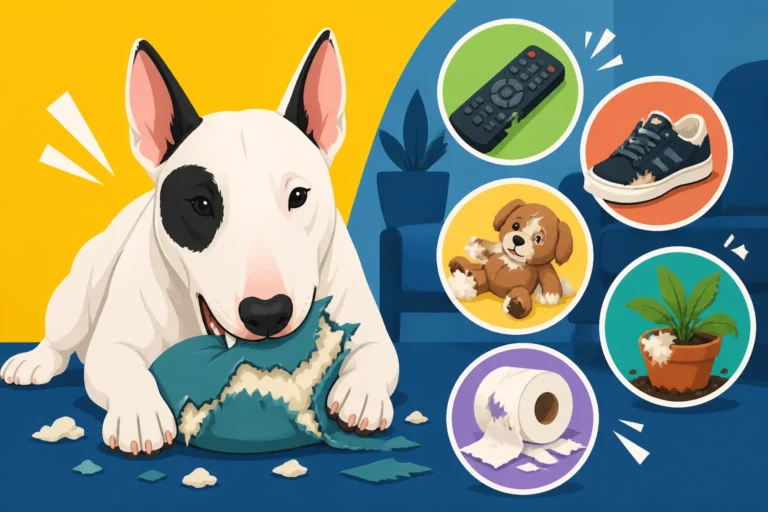
| Frustration/Over-arousal | Unmet exercise needs, lack of mental stimulation, restricted access to desired things | Excessive barking, destructive chewing, pacing, inability to settle, sudden snapping, displacement behaviors (e.g., excessive licking, spinning) | Increase appropriate exercise and mental enrichment, use puzzle toys (Amazon has many great options), consistent training, teach calm behaviors. |
Disclaimer
This article is for general informational purposes only and does not constitute professional advice. Laws, prices and regulations vary by location and change over time. Consult a qualified professional for guidance on your specific situation.