Why a Bull Terrier Decides a Cue Is Optional
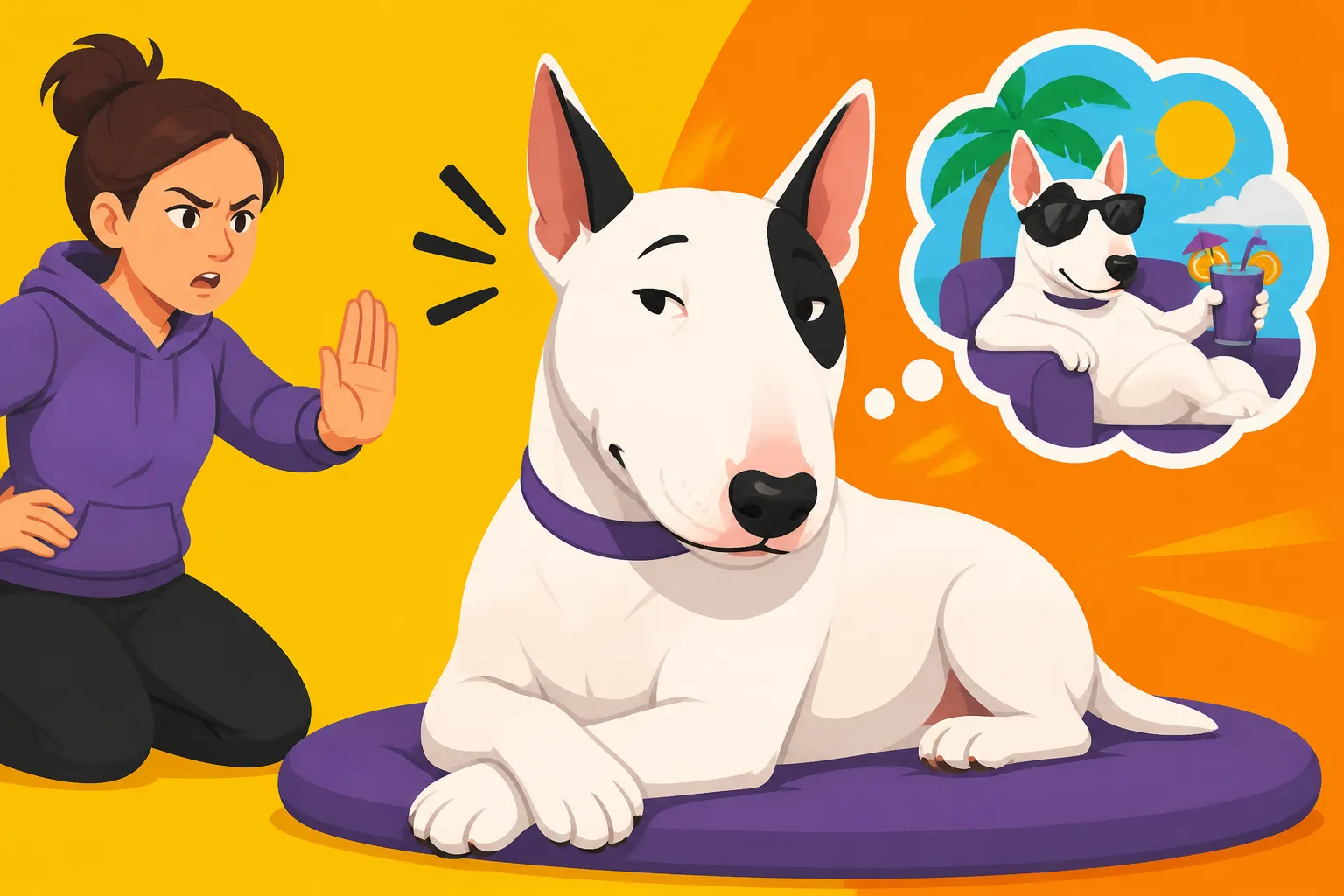
It can be incredibly frustrating when you’ve poured your heart into training your Bull Terrier, repeated a cue a hundred times, and they look at you with that charming, egg-shaped head tilt as if to say, "Is that really what you want right now, or is that just a suggestion?" Many Bull Terrier owners feel like their dog views commands as entirely optional, leading to a constant battle of wills and sometimes, outright exasperation. This guide is here to unravel why your Bull Terrier might be treating your carefully taught cues like mere whispers in the wind and, more importantly, how you can turn those optional suggestions into enthusiastic, reliable responses.
Understanding the Bull Terrier Mindset
The Bull Terrier is a unique breed, packed with personality, intelligence, and a streak of independence that can be both endearing and utterly maddening for their human companions. When it comes to training, understanding their inherent nature is the first step toward building a more cooperative relationship.
Their Independent Nature
Bull Terriers weren't originally bred to be biddable, eager-to-please working dogs in the traditional sense. Their historical roles instilled a sense of self-reliance and the ability to make decisions independently, rather than constantly deferring to a handler. This independent streak translates directly into their training approach. Unlike some breeds that live to serve, a Bull Terrier often operates on a "what's in it for me?" principle. They're not being deliberately disobedient; they're simply weighing their options and often prioritizing their own interests or impulses above your request. If chasing that squirrel looks more rewarding than coming back when called, the squirrel often wins – not out of malice, but pure Bull Terrier logic. It’s crucial to remember that this isn't a flaw; it's a fundamental part of What a Bull Terrier's Temperament Is Really Like.
This independence can manifest as a delightful confidence, but it can also be a formidable challenge in training. You might ask your Bull Terrier to "stay," only for them to decide that sniffing the interesting patch of grass a few feet away is a more compelling use of their time. They aren't trying to upset you; they just have their own ideas about how the world should work. This isn't about dominance; it's about a dog with a strong internal compass, sometimes pointing in a different direction than yours.
The "What's In It For Me?" Attitude
This is the cornerstone of Bull Terrier motivation. They are incredibly smart, but their intelligence is often geared towards problem-solving for their own benefit. If a cue doesn't immediately translate into something they perceive as valuable, interesting, or fun, they might genuinely struggle to see the point. A simple "sit" might be easy enough at home for a kibble, but out in the park with a million exciting smells and sounds, that same kibble might suddenly seem less appealing.
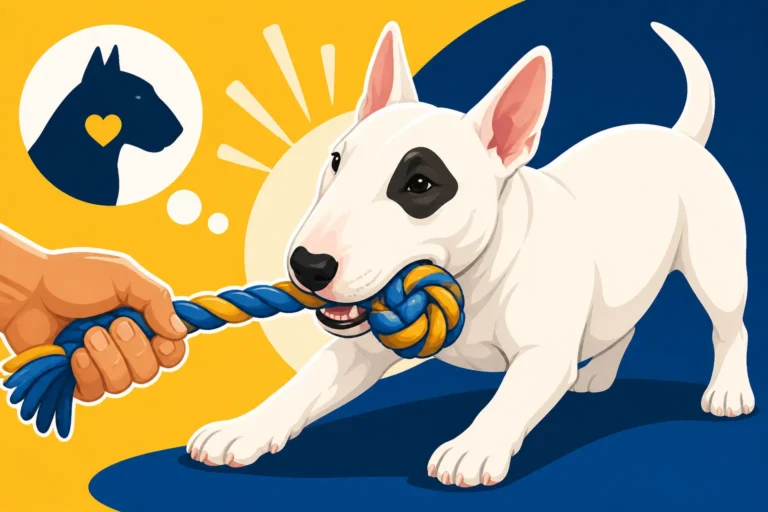
Think about it from their perspective: why should they stop playing tug to "down" when the tug toy is right there? Or why should they leave the exciting scent trail to come to you when you’re just offering a pat on the head? For many Bull Terriers, the reward needs to be genuinely worth interrupting whatever captivating activity they are currently engaged in. This often means being incredibly creative and consistent with your reinforcement, especially when introducing new commands or working in distracting environments.
High Intelligence and Boredom
Bull Terriers are undeniably smart, sometimes to their own detriment and certainly to their owners' challenge. Their keen minds mean they learn quickly, but they also get bored even faster. Repetitive drills, dull rewards, or predictable training sessions will quickly lead to them tuning you out. If they already know how to "sit" and you ask them to do it ten times in a row for the same boring biscuit, they might decide that the exercise is no longer stimulating.
This is why many Bull Terrier owners often describe their dogs as being "a three-year-old in a dog suit" – full of clever ideas, but easily distracted and always looking for the next exciting thing. Their intelligence needs to be channeled into engaging activities that challenge them mentally. A bored Bull Terrier is often a mischievous Bull Terrier, and a mischievous Bull Terrier is one who will find their own entertainment, regardless of your carefully crafted cues. Giving a Bull Terrier a job (Why a Bull Terrier Needs a Job) is not just a suggestion; it's a necessity to keep their active minds engaged and out of trouble.
Common Reasons for "Optional" Cue Response
Beyond their inherent personality traits, there are very practical reasons why a Bull Terrier might selectively obey cues. Understanding these common pitfalls can help you identify areas in your own training approach that might need adjustment.
Inconsistent Training and Expectations
One of the biggest culprits behind a Bull Terrier treating cues as optional is inconsistency in training. This can manifest in several ways: different family members using different words for the same command, allowing the dog to "get away with it" sometimes but not others, or only practicing in easy, low-distraction environments. If "stay" sometimes means five seconds and sometimes means two minutes, or if "come" is only enforced when it's convenient, your Bull Terrier learns that the cue is not a firm request, but a suggestion they can choose to ignore.
Imagine a child being told "no" by one parent for climbing on the sofa, but allowed by the other. That child quickly learns that the rule isn't absolute. Dogs are no different. They are master pattern-spotters, and if the pattern is "sometimes I have to do this, sometimes I don't," they'll default to the path of least resistance or greatest reward. This lack of clear boundaries makes it difficult for them to understand what's truly expected, leading to selective hearing.
Lack of High-Value Motivation
As we discussed, the Bull Terrier’s "what’s in it for me?" attitude is strong. If your rewards aren't compelling enough, especially when faced with real-world distractions, your dog will naturally choose the more intrinsically rewarding option. A dry piece of kibble might work wonders in your quiet living room, but it stands little chance against the allure of a barking dog, a rolling skateboard, or a tantalizing scent trail in the park.
Many owners underestimate the power of truly high-value rewards for a Bull Terrier. For some, it might be a piece of cooked chicken; for others, a squeaky toy or a quick game of tug. You need to discover Which Reward Outranks a Bull Terrier's Own Idea for your specific dog. If you're consistently offering low-value rewards in high-distraction environments, you're inadvertently teaching your Bull Terrier that ignoring your cue is often more satisfying. It's not about bribery; it's about making compliance the most attractive option available.
Environmental Distractions
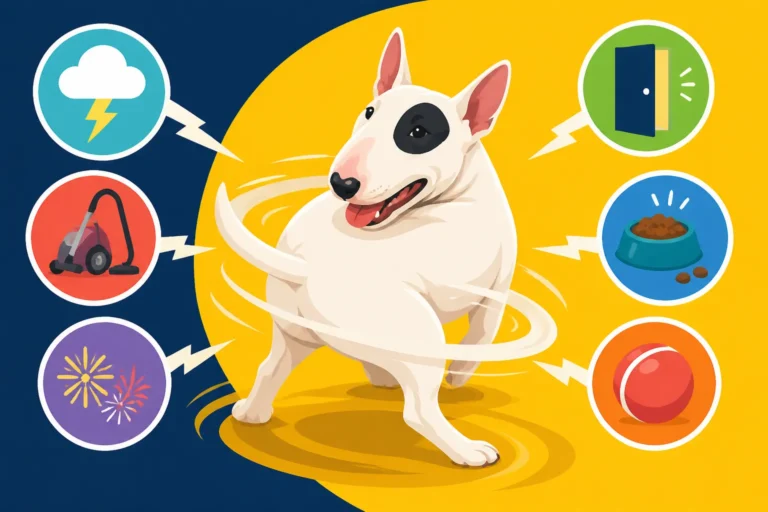
The world is a fascinating place, and a Bull Terrier's senses are constantly on high alert for interesting sights, sounds, and smells. These environmental distractions can completely override a cue, even one your dog knows well. A sudden rustle in the bushes, the distant bark of another dog, or a novel smell can make your Bull Terrier instantly "deaf" to your requests. They're not being stubborn; they're simply overwhelmed by more potent stimuli.
Training in a quiet living room is one thing, but asking for a solid "recall" at a busy park, or a "stay" while another dog walks by, is an entirely different level of challenge. These situations require extensive proofing – systematically practicing commands in increasingly distracting environments – to help your Bull Terrier generalize their learning. Without this crucial step, they'll learn that cues only apply in certain, low-stimulation contexts, making them "optional" everywhere else.
Building a Stronger Foundation for Training
To move beyond the "optional cue" phase with your Bull Terrier, you need to lay down a rock-solid foundation that focuses on engagement, clarity, and positive reinforcement. This isn't just about teaching commands; it's about teaching your dog that working with you is the most rewarding thing they can do.
Making Training a Game
For a breed as intelligent and playful as the Bull Terrier, turning training into a fun game is paramount. If training feels like a chore, they'll check out faster than you can say "sit." Incorporate elements of play, surprise, and variety into every session. Instead of drills, think about hide-and-seek recalls, obstacle courses for stays, or using toys as rewards for intricate commands.
Short, upbeat training sessions (think 5-10 minutes, several times a day) are far more effective than one long, tedious session. How Short a Bull Terrier's Training Session Has to Be is often much shorter than owners realize. End each session on a high note, with success and enthusiastic praise, leaving your Bull Terrier wanting more. This keeps their mind engaged and prevents boredom from creeping in, making them more eager to participate next time. A playful approach fosters a collaborative spirit, rather than a demanding one.
Clear and Concise Communication
Dogs learn best when cues are clear, consistent, and unambiguous. For your Bull Terrier to reliably respond, they need to know exactly what you're asking of them, every single time. This means:
- Using a single, distinct word for each cue: Stick to "sit," not "sit down," "have a seat," or "butt on the floor."
- Pairing the verbal cue with a consistent hand signal: This provides visual clarity, especially when the dog might not hear you or is focused elsewhere.
- Avoiding "nagging": Say the cue once. If your Bull Terrier doesn't respond, guide them into position, reward, and then release. Repeating the cue endlessly teaches them that the first several instances are optional.
- Rewarding immediately and precisely: The reward should come the instant your Bull Terrier performs the desired behavior, so they understand why they're being rewarded.
Inconsistent communication creates confusion, and a confused Bull Terrier is an unmotivated Bull Terrier. Be precise, be clear, and be patient, and you'll see a marked improvement in their understanding and willingness to comply.
Building a Strong Bond
Ultimately, your Bull Terrier's willingness to listen often comes down to the strength of your relationship. A dog that trusts, respects, and genuinely enjoys spending time with you is far more likely to engage in training. This bond isn't built through force or punishment; it's built through positive experiences, mutual understanding, and consistent leadership.
Spend quality time with your Bull Terrier outside of formal training sessions. Engage in their favorite activities, whether it's hiking, chasing a ball, or just cuddling on the sofa. Understand their quirky personalities and provide for their physical and mental needs. When you are the source of all good things—food, fun, comfort, and safety—they become more inclined to pay attention to your requests. How Physically Affectionate a Bull Terrier Is and how they bond with their people can be a huge asset in building this relationship, making them want to please you more often.
Strategies for Boosting Compliance
Once you have a solid foundation, you can implement specific strategies to ensure your Bull Terrier sees cues not as optional, but as an exciting opportunity for connection and reward.
Leveraging High-Value Rewards
This cannot be stressed enough for a Bull Terrier. The perceived value of your reward must outweigh the perceived value of any distraction or other desired activity. This isn't just about what you offer, but when and how you offer it.
- Variety is key: Keep your Bull Terrier guessing! Rotate through different types of treats (meat, cheese, liver paste, safe fruits/veg), toys (squeaky, tug, fetch), and even environmental rewards (getting to sniff a specific bush, a quick run).
- Context matters: Save the absolute highest-value treats for high-distraction environments or for behaviors you are trying to solidify. Don't waste prime rib on a "sit" in the kitchen if kibble works perfectly well there.
- Delivery is part of the reward: Make the reward exciting. Deliver it with enthusiastic praise, a quick toss, or by engaging in a short, energetic play session. Your excitement is infectious and adds to the reward's value.
- Life rewards: Sometimes the reward isn't food or a toy, but something your Bull Terrier wants to do anyway. Want to go outside? "Sit" at the door first. Want dinner? "Down" before the bowl is placed. These are powerful motivators because they directly link compliance to desired outcomes.
Using high-value rewards effectively means your Bull Terrier learns that performing the cue actively leads to something wonderful, making it anything but optional.
Proofing and Generalization
Proofing is the process of practicing a learned behavior under various conditions until your Bull Terrier can reliably perform it no matter the environment or distraction. This is where many owners get stuck, wondering why their dog performs perfectly at home but acts deaf elsewhere.
The key to successful proofing is gradual progression:
- Start easy: Master the cue in a quiet, familiar environment with minimal distractions (e.g., your living room).
- Add mild distractions: Move to a slightly busier room, then the backyard, then a quiet street.
- Vary the environment: Practice in different locations (parks, pet stores, friends' houses) with increasing levels of noise and activity.
- Change the handler: Have different family members give the cues.
- Increase distance and duration: Slowly build up how far away you are or how long your Bull Terrier needs to hold a position.
Each time you introduce a new variable, you might need to drop back to higher-value rewards and simpler expectations. It’s a bit like building muscle; you don’t go from lifting two pounds to fifty overnight. This systematic approach ensures that your Bull Terrier truly understands that the cue means the same thing, everywhere, every time, making it a non-negotiable part of their routine.
Breaking Down Complex Behaviors
Sometimes a cue seems optional because the dog doesn't fully understand what's being asked, especially if the behavior is complex or involves multiple steps. Instead of asking for a complicated sequence and expecting immediate results, break the behavior down into tiny, manageable steps and reward each successful approximation.
For example, teaching a reliable "stay" might involve:
- Reward for a 1-second stay.
- Reward for a 2-second stay.
- Reward for a 5-second stay.
- Reward for a 1-second stay with one step away.
- Reward for a 1-second stay with two steps away.
This method, called "shaping," builds confidence and clarity for your Bull Terrier. It ensures they understand each component of the behavior, making them less likely to "opt out" because they're confused or overwhelmed. This detailed approach is especially helpful when dealing with a breed as discerning as the Bull Terrier, who might otherwise get frustrated or simply quit if they don't grasp the task quickly. Consider using online programs like those offered by BAXTER & Bella, which often provide step-by-step guidance for breaking down complex training goals.
Addressing Specific Challenges
Even with the best foundation, Bull Terriers present unique challenges that require specific strategies. Their exuberance, high prey drive, and sometimes singular focus can make particular cues feel like an uphill battle.
The Art of Redirection
A Bull Terrier with a strong independent streak or a high prey drive might decide that chasing a squirrel or barking at a passing dog is far more interesting than your "leave it" cue. In these moments, redirection is your best friend. Instead of trying to force them away from the distraction, offer an even more exciting alternative.
For instance, if your Bull Terrier is fixated on a distraction, immediately produce a high-value treat or a favorite squeaky toy. Get their attention with a sharp sound, then quickly engage them in a different, known behavior, like "touch" or "sit," and reward heavily. Over time, they learn that shifting their focus to you, even in the face of a distraction, yields a fantastic payoff. How to Redirect a Spinning Bull Terrier offers great insights into using redirection for a specific challenging behavior, and the principles apply more broadly too. This isn't about ignoring the problem; it's about proactively offering a better choice.
Managing the Environment
Prevention is often the easiest form of training, especially for a Bull Terrier. If you know certain environments or situations trigger your Bull Terrier to become "deaf" to cues, manage the environment to set them up for success.
- Leash control: Use a reliable, sturdy leash and harness (some Bull Terriers do well with a front-clip harness or head halter) to ensure you have control when exposure to distractions is unavoidable. Which Harness Holds a Bull Terrier is a crucial consideration for such a strong and energetic dog.
- Controlled exposure: Don't throw your Bull Terrier into the deep end. Gradually expose them to distractions in controlled ways, always staying at a distance where they can still hear and respond to you before slowly decreasing that distance.
- Safe spaces: If you need to leave your Bull Terrier alone, ensure they are in a "Bull Terrier-proofed" space where they can't get into trouble or develop destructive habits that might lead to selective hearing in other contexts. A heavy-duty crate found on Amazon can be a lifesaver for puppies and young adults. What a Bull Terrier Does When It Is Bored can be quite extensive, so managing their environment is key to avoiding problem behaviors.
Environmental management isn't a substitute for training, but it’s a vital tool to support your training efforts and prevent your Bull Terrier from practicing undesirable "optional" behaviors.
The Role of Physical and Mental Exercise
An under-exercised or under-stimulated Bull Terrier is a recipe for a dog that won't listen. All that pent-up energy and intelligence needs an outlet. If they're bored, restless, or buzzing with unspent energy, your cues will be the last thing on their mind.
- Regular physical activity: Bull Terriers need a good amount of exercise. This doesn't mean just letting them out in the yard; it means engaging walks, runs, or play sessions that truly tire them out. How Much Exercise a Bull Terrier Actually Needs is often more than a casual stroll.
- Mental stimulation: Puzzle toys, scent work, short trick training sessions, or even just letting them "work" for their meals (e.g., using a snuffle mat or a KONG) can be incredibly effective. A tired body and a satisfied mind are much more receptive to cues.
- Structured play: Incorporate training into play. For example, throw a ball, then ask for a "sit" before throwing it again. This teaches them that engaging with you is part of the fun.
By providing adequate outlets for their energy and intelligence, you create a more balanced and attentive Bull Terrier, one who is more likely to view your cues as engaging opportunities rather than optional nuisances.
When to Seek Professional Help
Sometimes, despite your best efforts, your Bull Terrier's selective hearing persists, or specific behaviors become genuinely challenging. It's okay to admit you need a little help.
Recognizing the Limits of DIY Training
Even the most dedicated Bull Terrier owners can hit a wall. If you've been consistent, used high-value rewards, managed the environment, and provided ample exercise, yet your Bull Terrier still largely ignores certain cues, it might be time for an expert opinion. It's not a failure on your part; it's recognizing that some behaviors or individual dogs require specialized knowledge and experience.
Persistent issues like chronic pulling on the leash (despite your best attempts with Teaching a Bull Terrier to Walk Without Pulling), intense dog-dog reactivity, or severe "deafness" to recall cues in any distracting environment are clear indicators. These aren't just minor annoyances; they can be safety concerns and significantly impact your quality of life with your Bull Terrier.
Finding the Right Professional
When seeking professional help, it's crucial to find a trainer who understands Bull Terriers and uses positive, force-free methods. Avoid trainers who advocate for harsh corrections, dominance theory, or physical intimidation, as these approaches are not only ineffective for Bull Terriers but can also damage your bond and create fear-based responses. What a Harsh Correction Does to a Bull Terrier highlights the negative impact of such methods.
Look for trainers who:
- Are certified through reputable organizations.
- Have experience with strong-willed, intelligent breeds like Bull Terriers.
- Focus on positive reinforcement and reward-based training.
- Offer clear explanations and demonstrate techniques effectively.
- Are transparent about their methods and philosophy.
A good professional will assess your Bull Terrier's individual personality, your specific challenges, and your living situation to create a tailored plan. They can often spot nuances you might have missed and provide strategies that perfectly fit your dog.
The Benefits of Expert Guidance
Working with a professional trainer can provide invaluable benefits. They can offer:
- Objective assessment: An outside perspective can identify subtle cues you're inadvertently giving or missing.
- Tailored strategies: They can develop a training plan specifically for your Bull Terrier's unique personality and your challenges.
- Advanced techniques: Professionals often have a wider array of techniques and tools for tackling stubborn issues.
- Support and confidence: Having a professional guide you can boost your confidence and reduce frustration, making the training process more enjoyable for both you and your Bull Terrier.
Sometimes, a few sessions with an expert can make all the difference, transforming those "optional" cues into consistent, happy responses. Remember, investing in professional training is an investment in a happier, more harmonious life with your beloved Bull Terrier.
| Bull Terrier Training Challenge | Common Owner Mistake | Effective Bull Terrier Strategy |
|---|---|---|
| "Optional" Cues | Inconsistency, low-value rewards | High-value treats, consistent commands |
| Distraction Overload | Expecting too much too soon | Gradual proofing, environmental management |
| Boredom/Stubbornness | Repetitive drills, lack of engagement | Game-based training, varied activities |
| Pulling on Leash | Allowing pulling to be rewarded | Front-clip harness, positive reinforcement for slack leash, sudden stops |
| Ignoring Recall | Only practicing in safe spaces | Emergency recall practice, long lines, exciting rewards |
Disclaimer
This article is for general informational purposes only and does not constitute professional advice. Laws, prices and regulations vary by location and change over time. Consult a qualified professional for guidance on your specific situation.