What an Aging Bull Terrier’s Medication Costs
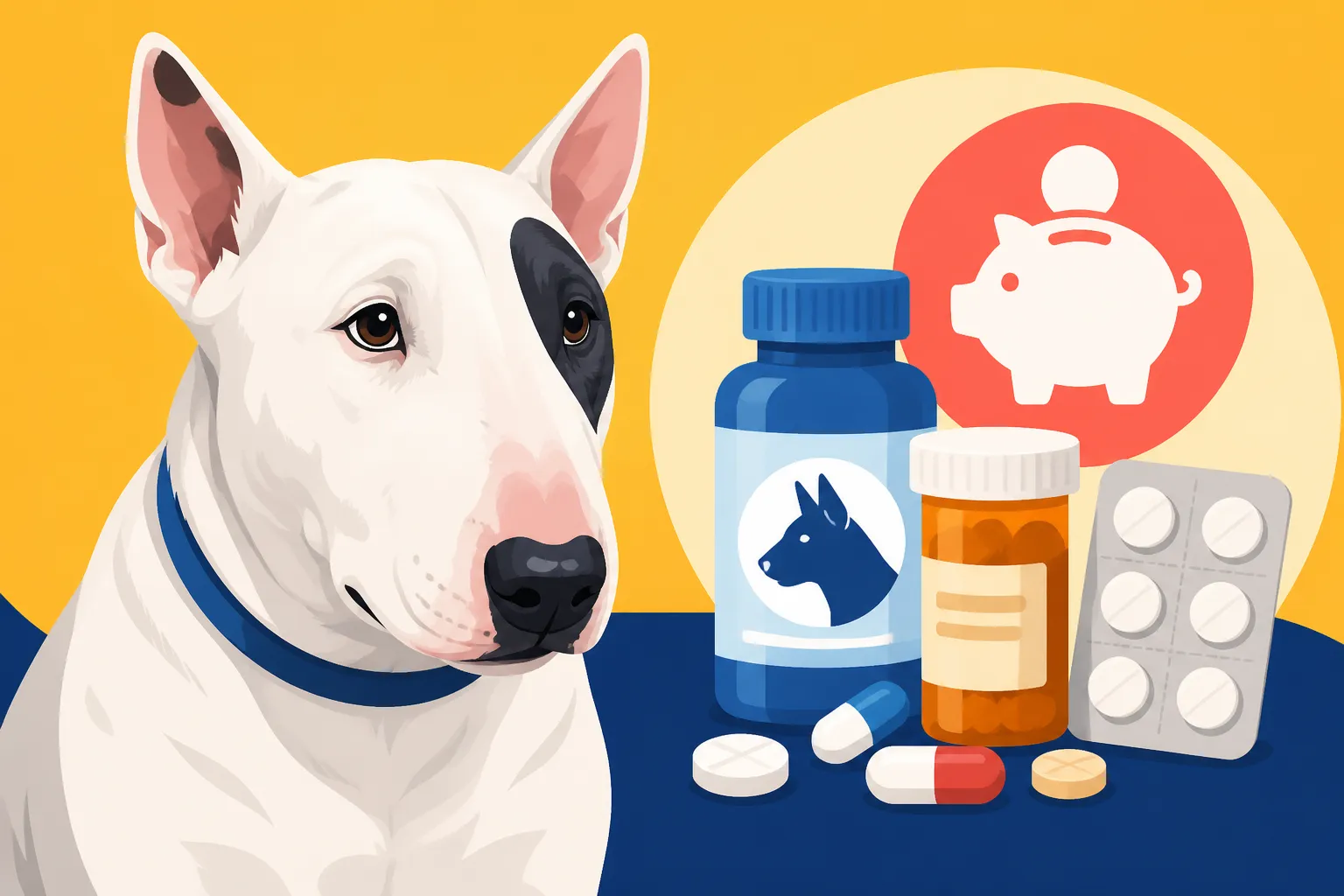
It's heartbreaking to watch our beloved Bull Terriers age. One minute they're bouncing bundles of energy, and the next, you're noticing they're a little slower, a little stiffer, and perhaps, not quite themselves. This inevitable transition often comes with a significant shift in their healthcare needs, and for many owners, the sudden reality of ongoing medication costs for an aging Bull Terrier can feel like a punch to the gut. This guide aims to prepare you for these financial realities, exploring the common ailments that require medication in senior Bull Terriers and offering strategies to manage these expenses without compromising your dog's quality of life.
The Common Health Challenges That Bring Medication Costs for Your Senior Bull Terrier
As our wonderful Bull Terriers move into their golden years, typically around eight years old, their bodies start to show wear and tear, just like ours do. It’s not a matter of if they'll need medication, but usually when and for what. Being prepared for these common issues can help cushion the blow, both emotionally and financially. Understanding The Age a Bull Terrier Is Considered Senior is the first step to proactive care.
Kidney Disease: A Silent Culprit and Its Daily Meds
Kidney disease, particularly hereditary nephritis, is a significant concern for Bull Terriers. While some dogs are diagnosed younger, the progression of kidney issues often becomes more pronounced in their senior years. This condition slowly damages the kidneys, leading to a build-up of toxins in the body and a host of uncomfortable symptoms. Catching it early with regular monitoring of What a UPC Ratio Tells a Bull Terrier Owner is critical.
Managing kidney disease often involves a cocktail of medications designed to slow its progression and alleviate symptoms. These might include phosphorus binders to reduce mineral absorption, anti-nausea medications, appetite stimulants, and sometimes even subcutaneous fluids to help keep them hydrated. Many Bull Terrier owners are shocked by the initial diagnosis and the immediate need for ongoing treatment. It's not just a one-time pill; it's a commitment to daily administration, often for the remainder of their life. The costs can accumulate quickly, not only from the medications themselves but also from the specialized renal diet they'll need. How a Bull Terrier With Nephritis Is Managed involves a multi-pronged approach where medication plays a central role.
Joint Pain and Arthritis: Keeping Them Comfortable
Our Bull Terriers are robust, muscular dogs, and all that powerful athleticism can eventually take a toll on their joints. Arthritis, or osteoarthritis, is incredibly common in older dogs, leading to stiffness, lameness, and reduced mobility. It's heartbreaking to see your once-agile companion struggle to get up after a nap or hesitate before jumping into the car. The pain can make them less playful and even irritable. How a Bull Terrier Hides Pain is also important to understand, as they are tough dogs and might not show obvious signs until the condition is advanced.
Medication for arthritis typically involves Non-Steroidal Anti-Inflammatory Drugs (NSAIDs) to reduce pain and inflammation, and often includes joint supplements like glucosamine and chondroitin. Some vets might recommend other pain relief options, or even newer injectable therapies that can offer significant relief but come with their own price tag. The good news is that these medications can dramatically improve their quality of life, allowing them to enjoy walks and cuddles again. However, these are often daily medications that will continue for years, making them a significant part of the ongoing cost of Caring for a Bull Terrier Past Eight.
Heart Conditions and Their Lifelong Management
Heart murmurs or other cardiac conditions, such as mitral valve disease or aortic stenosis, can develop or worsen as a Bull Terrier ages. While some heart issues might be caught during puppyhood, others may only manifest later in life. A persistent cough, reduced energy, or difficulty breathing can be signs that your senior Bull Terrier's heart isn't working as efficiently as it once did. What a Bull Terrier's Cardiac Monitoring Costs a Year provides a glimpse into the diagnostic expenses you might face.
Once diagnosed, heart conditions usually require lifelong medication to manage symptoms and support heart function. This can include diuretics to reduce fluid build-up, ACE inhibitors to dilate blood vessels, and other cardiac drugs to regulate heart rhythm or improve pumping ability. These medications are often critical for maintaining their quality of life and extending their lifespan. The cost of these specific medications can vary greatly, but they are almost always ongoing, meaning regular refills are a standard part of your monthly budget. Knowing What Heart Medication Costs a Bull Terrier Owner can help you prepare.
Other Ailments: From Skin to Cognition
Beyond the major organ systems, aging Bull Terriers can face a variety of other health issues that might require medication. Skin conditions, like allergies or persistent infections, can flare up and need regular treatment with medicated shampoos, oral steroids, or antibiotics. Sometimes, their immune system might not be as robust, leading to more frequent infections requiring antibiotics. What Changes in a Bull Terrier After Eight includes subtle shifts in their skin and coat health.
Cognitive Dysfunction Syndrome (CDS), akin to Alzheimer's in humans, can also affect senior Bull Terriers. You might notice disorientation, changes in sleep patterns, or a decline in house-training. While there's no cure, certain medications and supplements can help manage the symptoms and improve their cognitive function. Additionally, conditions like hypothyroidism, which might require daily thyroid hormone replacement, can also emerge. Each of these conditions, while potentially less dramatic than kidney or heart failure, adds to the cumulative cost of keeping your senior Bull Terrier comfortable and healthy.
Decoding Medication Costs: What You're Paying For
When you pick up a prescription for your senior Bull Terrier, you might sometimes feel a pang of sticker shock. It's not just the pill itself; there are several factors that contribute to the price you see at the veterinary clinic or pharmacy. Understanding these can help you make more informed decisions and potentially find savings.
The Different Forms and Frequencies of Medication
Medication for your Bull Terrier isn't a one-size-fits-all situation. Some conditions require daily pills, sometimes multiple times a day. Others might involve injections given weekly or monthly, either by your vet or at home. Then there are specialized prescription diets, which act as medication in themselves, like the low-protein, low-phosphorus foods for kidney disease. These diets, often recommended by brands like Ollie or specific veterinary therapeutic lines available through retailers like Chewy, are often more expensive than regular kibble but are crucial for managing health conditions.
Consider a Bull Terrier with both arthritis and early kidney disease. They might be on a daily NSAID, a joint supplement, a phosphorus binder, and a special renal diet. That's at least three different medications and a specialized food, all contributing to a monthly bill. The frequency of administration also matters; a once-a-day pill is generally less burdensome than a three-times-a-day regimen, not just on your time but sometimes on cost due to packaging or dosage options.
The Impact of Brand vs. Generic and Compounding Pharmacies
Just like with human medicine, veterinary pharmaceuticals come in brand-name and generic versions. Brand-name drugs are often the first to market, backed by extensive research and development. Once their patent expires, other companies can produce generic versions, which contain the same active ingredients and are held to the same quality standards but are usually significantly cheaper. Always ask your veterinarian if a generic option is available for your Bull Terrier's medication. The savings can be substantial over a year, especially for chronic conditions.
Sometimes, a standard pill isn't going to cut it. Maybe your Bull Terrier is incredibly picky and won't take a tablet, or perhaps they need a very precise dosage that isn't available commercially. This is where compounding pharmacies come in. These specialized pharmacies can custom-make medications into palatable liquids, chews, or even transdermal gels, and at specific dosages. This customization is a lifesaver for many owners, but it does come at a premium. While it solves the problem of getting the medication into your dog, you can expect the cost to be higher than a standard pill from a regular pharmacy.
Diagnostic Follow-Ups: The Costs Beyond the Pills
It's easy to focus solely on the cost of the medications themselves, but it's crucial to remember that managing chronic conditions in an aging Bull Terrier also involves ongoing diagnostic tests. For a Bull Terrier with kidney disease, this means regular bloodwork and urine protein-creatinine ratio (UPC) tests to monitor kidney function. For heart disease, follow-up echocardiograms and blood pressure checks are essential to ensure the medications are working effectively and to adjust dosages as needed. How Often an Aging Bull Terrier's Kidneys Should Be Checked is a question that directly impacts these recurring diagnostic costs.
These tests aren't cheap, but they are indispensable. They allow your veterinarian to track the progression of the disease, catch any adverse reactions to medication, and make necessary adjustments to treatment plans. Think of them as the quality control for your Bull Terrier's health management. While not "medication" per se, these diagnostic costs are intrinsically linked to ensuring the medications are doing their job and are a fundamental part of the overall financial picture for your aging dog's care.
Here’s a snapshot of common senior Bull Terrier ailments and the typical medication types involved:
| Ailment | Common Medication Types | Typical Administration | Cost Considerations |
|---|---|---|---|
| Kidney Disease | Phosphorus binders, anti-nausea, appetite stimulants, prescription renal diet | Daily oral, daily food | Ongoing, specialized diet adds significantly. Generic options for some meds. |
| Arthritis/Joint Pain | NSAIDs, joint supplements, gabapentin, injectable therapies | Daily oral, monthly injection | Daily oral generally affordable, injectables higher upfront. Generic NSAIDs common. |
| Heart Disease | Diuretics, ACE inhibitors, beta-blockers, pimobendan | Daily oral (1-3 times) | Often brand-name drugs, ongoing and critical. Some generics may exist. |
| Cognitive Dysfunction | Selegiline, brain supplements, SAMe | Daily oral | Specific brain meds can be higher, supplements vary widely. |
| Hypothyroidism | Thyroid hormone replacement (levothyroxine) | Daily oral (1-2 times) | Generally inexpensive, generic widely available, lifelong. |
| Skin Allergies/Infections | Antihistamines, steroids, antibiotics, medicated shampoos | Daily oral/topical, as needed | Can be intermittent or ongoing. Generics often available for oral meds. |
Navigating the Financial Landscape of Senior Bull Terrier Medication
The reality of these ongoing medication costs can be daunting. It’s not just about one vet bill; it’s a commitment to a new line item in your monthly budget for potentially several years. But don't despair! There are proactive steps you can take and resources available to help you manage these expenses effectively without compromising your senior Bull Terrier's comfort and well-being.
The Lifeline of Pet Insurance: When to Consider It
One of the most impactful ways to soften the financial blow of chronic conditions in an aging Bull Terrier is pet insurance. However, here's the crucial caveat: pet insurance typically does not cover pre-existing conditions. This means if your Bull Terrier is already diagnosed with kidney disease or a heart murmur, those specific conditions will likely be excluded from coverage.
The best time to get pet insurance, from a financial perspective, is when your Bull Terrier is young and healthy. Reputable providers like Healthy Paws offer plans that can cover a significant portion of veterinary bills, including chronic medications, diagnostic tests, and specialist visits, once your deductible is met. If you have a senior Bull Terrier that is currently healthy, it's still worth investigating. While you might face slightly higher premiums and potentially more exclusions for age-related conditions, it could still provide a safety net for any new illnesses or accidents that arise. Always read the policy carefully to understand what is covered, what the reimbursement percentage is, and what the annual limits are.
Smart Shopping: Online Pharmacies and Vet Relationships
Once you have a prescription in hand, you have options beyond your veterinarian's in-house pharmacy. Many owners find significant savings by using online pet pharmacies or even human pharmacies, especially for generic medications. Websites like Chewy often have prescription fulfillment services that can deliver medications right to your door, sometimes at a lower cost than your vet. Comparison shopping can make a real difference over the long term.
Building a strong, communicative relationship with your veterinarian is also key. Don't be afraid to discuss your financial concerns openly. They might be able to suggest generic alternatives, offer a payment plan for larger bills, or recommend trusted compounding pharmacies. They want to help your Bull Terrier, and often, they can work with you to find solutions that fit your budget while still providing the best possible care. Sometimes, buying a larger quantity of medication at once can also reduce the per-pill cost, though this depends on the medication's shelf life and stability.
Budgeting and Financial Preparedness for Their Golden Years
The most straightforward, albeit sometimes challenging, approach is to plan ahead. If you have a young Bull Terrier, start a dedicated "senior pet fund" now. Even setting aside a small amount each month can grow into a substantial cushion when those inevitable senior health issues arise. Consider it an investment in their future comfort and your peace of mind.
For those already caring for an aging Bull Terrier with medication needs, it's time to re-evaluate your household budget. Can you trim expenses elsewhere to allocate more towards their care? Look into prescription savings programs offered by some pharmacies, or even local charitable organizations that might provide assistance for pet owners in need. The cost of owning a Bull Terrier over its lifetime is significant, and the senior years often represent the most expensive phase due to ongoing medical needs. Being realistic about these costs and actively seeking ways to manage them will allow you to focus on what truly matters: cherishing the remaining years with your beloved Bull Terrier.
Disclaimer
This article is for general informational purposes only and does not constitute professional advice. Laws, prices and regulations vary by location and change over time. Consult a qualified professional for guidance on your specific situation.