Whether Uninsured Bull Terrier Owners Regret It
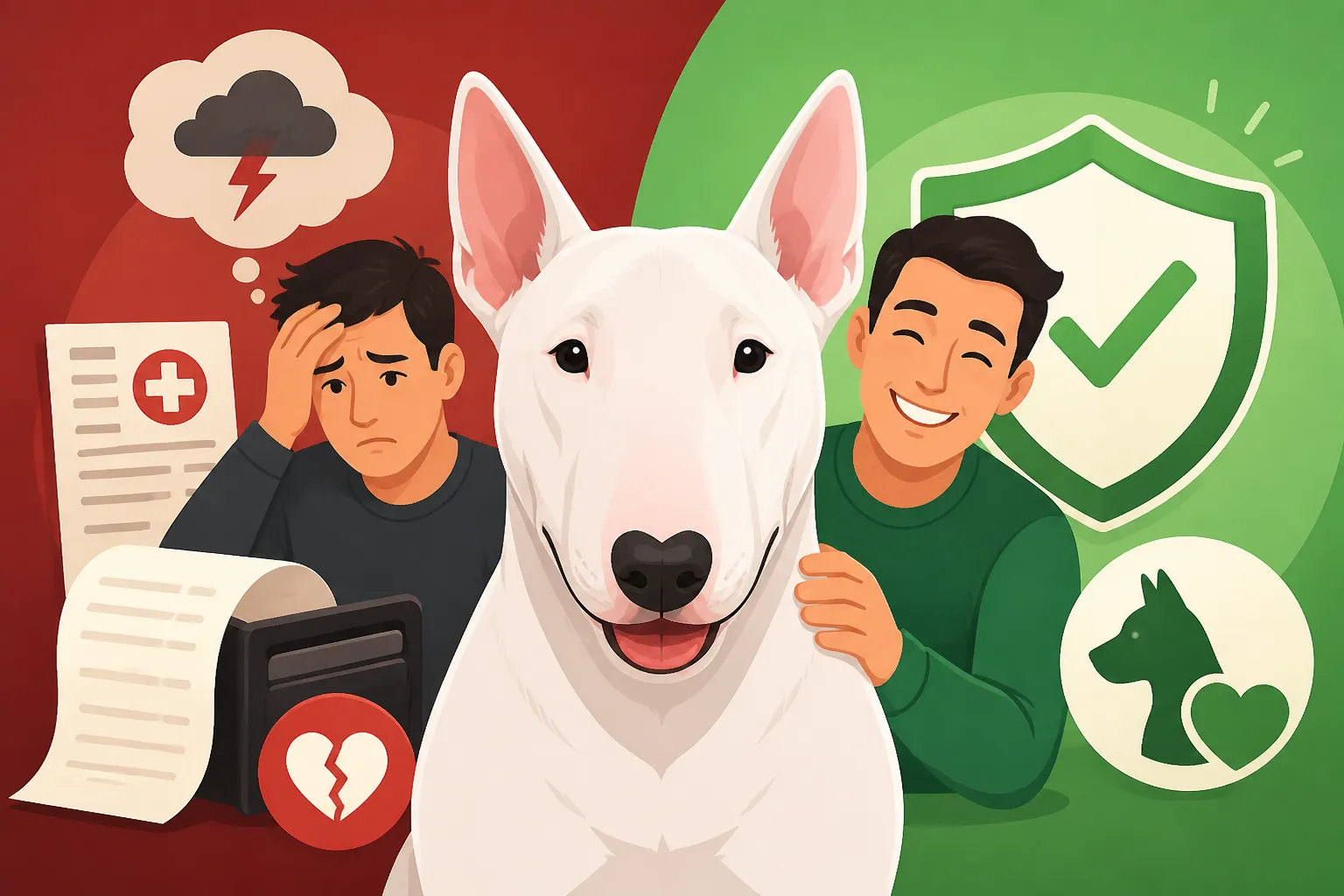
It's a sinking feeling, isn't it? That moment when your beloved Bull Terrier suddenly seems unwell, or has an accident, and your mind immediately jumps to the worst: the vet bill. For many Bull Terrier owners, the question of whether to invest in pet insurance looms large, and for those who choose not to, the regret can be a heavy burden when the unexpected happens. This guide is here to walk you through the realities faced by uninsured Bull Terrier owners and help you understand the true cost of those unpredictable moments.
The Harsh Reality of Bull Terrier Health Risks Without Insurance
Let's be frank: owning a Bull Terrier is an absolute joy, full of laughter and boundless personality. But it also comes with its share of health considerations. These wonderful, robust-looking dogs, like any purebred, have predispositions to certain conditions that can emerge without warning, turning a routine vet visit into a financial crisis overnight. Without insurance, every cough, every limp, every strange behavior carries an underlying anxiety about the potential bill.
Common Health Concerns and Their Unforeseen Costs
Bull Terriers, for all their strength and distinctive charm, can be susceptible to a range of health issues. Kidney disease, particularly Hereditary Nephritis Takes Bull Terriers in Their Prime, is a silent killer that often doesn't show obvious signs until it's quite advanced. Diagnosing this requires regular The Yearly Urine Test Every Bull Terrier Owner Should Book and more involved diagnostics like bloodwork and ultrasounds, which individually can run into hundreds, if not thousands, of dollars. Once diagnosed, ongoing management with special diets and medications can easily become a monthly expense that stretches into years.
Then there are cardiac issues. The Heart Murmur a Bull Terrier Puppy Should Be Checked For might seem innocuous at first, but it can indicate underlying problems like mitral valve dysplasia or aortic stenosis. A cardiac workup, including an echocardiogram with a specialist, is a significant expense, and should lifelong medication be needed, you're looking at a continuous outlay. Think about the stress of trying to decide between necessary heart medication and other household bills. It’s a common scenario for many uninsured owners.
Skin conditions are another big one for our egg-headed pals. From allergies that require ongoing medication and special shampoos to more serious issues like demodectic mange, A Bull Terrier's Skin Is Its Weakest Point can prove quite costly. Imagine a Bull Terrier constantly scratching, causing secondary infections, and needing multiple vet visits, allergy testing, and potentially lifelong prescriptions. These aren't one-off expenses; they are chronic management situations that can easily drain a budget without a safety net.
The "Minor" Issue That Spirals into a Major Bill
It's rarely the catastrophic accident that catches uninsured owners by surprise; it's often the "small" things that unexpectedly snowball. A Bull Terrier puppy might ingest a foreign object – a sock, a toy piece – leading to an emergency vet visit, X-rays, possibly an ultrasound, and potentially surgery. What started as a moment of puppy exuberance can quickly result in a bill that runs into the thousands. Without insurance, that unexpected bill hits your savings hard, or worse, lands you in debt.
Consider something as simple as a recurring ear infection. It might start as a few drops and a cleaning solution, but if it becomes chronic, requires swabs, specific antibiotics, or even referral to a veterinary dermatologist, the costs add up quickly. Each recheck, each new medication, each specialized shampoo or ear cleaner adds another layer to the financial strain. These are the kinds of situations where you look back and think, "If only I'd had insurance, this would have been so much less stressful." The initial visit might be a hundred dollars, but a few months of ongoing treatment can easily hit four figures.
What Uninsured Bull Terrier Owners Often Face
The decision to forego pet insurance often comes with an optimistic hope that "it won't happen to my dog." But when it does, the consequences extend far beyond just the money. It impacts your emotional well-being, your ability to make clear decisions, and sometimes, even your Bull Terrier's quality of life. The reality is, medical emergencies for pets are almost never cheap, and the financial pressure can be immense.
The Stress of "Decision Fatigue" in an Emergency
Picture this: your Bull Terrier is suddenly in pain, perhaps after an accidental fall during a zoomie session, or they've stopped eating and are lethargic. You rush them to the emergency vet, hearts pounding. The vet explains the diagnostics needed: X-rays, blood tests, maybe an MRI. Then they present the estimated costs. In that moment of intense worry for your dog, you're suddenly faced with making critical decisions not just about their health, but about your finances. Do you greenlight every test? Can you afford the recommended surgery?
This is what's known as "decision fatigue," amplified by emotional distress. Uninsured owners often find themselves weighing their dog's potential recovery against their bank balance. It’s an agonizing position to be in, feeling like you might have to choose between your pet's best interest and your own financial stability. This burden can lead to immense guilt and stress, far outweighing the monthly premium you might have paid.
Draining Savings and Accumulating Debt
For those without insurance, a serious illness or injury can quickly become a monumental financial drain. We're talking about emptying emergency savings accounts that were meant for a new water heater or a family trip. Many owners resort to credit cards, often racking up thousands of dollars in high-interest debt trying to cover essential veterinary care. I've known people who took out personal loans, dipped into retirement funds, or even started GoFundMe campaigns because an uninsured pet emergency completely blindsided them.
Consider a situation where your Bull Terrier develops Signs a Bull Terrier's Kidneys Are Failing. The initial diagnostics are costly, but the long-term management, including specialized diets, medications, and frequent bloodwork, becomes an ongoing expense. Without insurance, you're facing years of potentially high monthly bills, constantly trying to stretch your budget to provide the necessary care. This isn't just a one-time hit; it's a chronic financial strain that can significantly impact a family's stability.
The Heartbreak of Limited Options
Perhaps the most heartbreaking aspect for uninsured Bull Terrier owners is when financial limitations restrict treatment options. Vets will always offer the best course of action, but if an owner cannot afford it, difficult conversations ensue. Sometimes this means choosing a less aggressive, less effective treatment path, or even, in the most tragic circumstances, having to make the agonizing decision to euthanize a pet because the only effective treatment is financially out of reach.
This isn't about blaming owners; it's about acknowledging the immense pressure and impossible choices they face. For instance, if your Bull Terrier develops a severe orthopedic issue like Patellar Luxation in a Bull Terrier requiring surgery, and the cost is astronomical, an uninsured owner might be limited to pain management, which may not offer the same quality of life as surgical correction. The regret in such situations is profound and long-lasting, a constant reminder of what "could have been" if financial resources hadn't been a barrier.
The Peace of Mind (and Practical Help) Insurance Offers
Now, let's look at the flip side. Pet insurance, while an added monthly expense, can transform these stressful scenarios into manageable ones, offering both financial relief and invaluable peace of mind. It allows you to focus on your Bull Terrier's recovery, rather than the escalating bills.
How Pet Insurance Works for Bull Terriers
Pet insurance typically works on a reimbursement model. You pay your vet bill upfront, then submit a claim to your insurance provider, who reimburses you a percentage of the covered costs after your deductible has been met. Most plans offer varying levels of coverage, from accident-only to comprehensive plans that cover accidents, illnesses, surgeries, medications, and sometimes even wellness care. For a breed like the Bull Terrier with known predispositions, a comprehensive plan is often the wisest choice.
When looking at plans, you'll encounter terms like "deductible" (the amount you pay before insurance kicks in), "reimbursement percentage" (the portion of the bill the insurer pays, usually 70-90%), and "annual limit" (the maximum amount the insurance will pay out in a year). Understanding these terms is crucial to finding a plan that truly provides a safety net for your specific Bull Terrier's needs. The key is to enroll your Bull Terrier as early as possible, ideally as a puppy, to avoid pre-existing condition exclusions, which is a major factor in coverage.
Choosing the Right Plan for Your Bull Terrier
Selecting the right pet insurance for your Bull Terrier involves careful consideration of the breed's specific health vulnerabilities. You'll want a plan that ideally covers hereditary and congenital conditions, given their propensity for issues like hereditary nephritis and heart murmurs. Also, consider plans that cover chronic conditions, as skin allergies or kidney disease can require ongoing, expensive treatment for the life of your dog.
It's also important to read the fine print regarding specific exclusions. Some policies might exclude certain conditions common in Bull Terriers, or have long waiting periods for orthopedic issues. Don't be afraid to call providers and ask direct questions about how they handle conditions like What Hereditary Nephritis Does to a Bull Terrier or What Mitral Valve Dysplasia Does to a Bull Terrier. Knowing these details upfront can save you a world of heartache and financial strain down the road.
When you're trying to compare different pet insurance providers, it can feel a bit overwhelming, but many companies offer robust options that can provide significant peace of mind for Bull Terrier owners. Companies like Healthy Paws are often lauded for their comprehensive accident and illness plans, and they have a good reputation for covering hereditary conditions as long as they aren't pre-existing. It's always worth getting a quote from them early in your Bull Terrier's life. Similarly, for those who prefer an all-in-one approach, some online pet supply retailers, like Chewy, have ventured into offering pet insurance plans, sometimes with perks tied to their other services. And if you're looking for flexibility in terms of customizable coverage, Ollie, while known for their fresh dog food, also has partnerships that can lead you to good insurance options, allowing you to tailor coverage more precisely to your Bull Terrier's needs, whether it's for accidents, illnesses, or even routine wellness. Remember to always compare quotes and read reviews specific to how they handle common Bull Terrier health issues.
Comparison: Insurance vs. Emergency Fund
| Feature | Pet Insurance | Dedicated Emergency Fund |
|---|---|---|
| Upfront Cost | Monthly premiums | No regular payments, self-funded savings |
| Coverage Scope | Specific conditions/accidents based on plan | Limited only by amount saved |
| Risk Protection | High, covers unexpected large bills | Low, unless fund is substantial |
| Payment Method | Reimbursement after deductible (you pay first) | Direct payment from your savings |
| Benefit | Peace of mind, access to best care | No monthly bill, full control of funds |
| Drawback | Monthly premium, potential exclusions, waiting periods | Can be quickly depleted, requires discipline to save |
| Best For | Owners worried about large, unexpected costs | Owners with high savings discipline or lower risk tolerance |
Budgeting for the Unexpected: Alternatives and Hybrid Approaches
While pet insurance is a fantastic tool, it's not the only way to prepare for unexpected veterinary costs. For various reasons, some owners choose not to insure, or find it's not the right fit for their budget or circumstances. The good news is, there are proactive steps you can take to mitigate the financial risk.
Building a Dedicated Pet Emergency Fund
If you opt out of pet insurance, the single most important thing you can do is to start a dedicated emergency fund specifically for your Bull Terrier's health. Treat it like a mandatory monthly bill, setting aside a certain amount consistently. Think about how much a Bull Terrier's lifetime care might cost, or What a Bull Terrier's Emergency Fund Should Hold, and work towards that goal. This fund should be easily accessible but separate from your regular checking account, so you're not tempted to dip into it for other expenses.
Having a robust emergency fund means that when a sudden illness or injury strikes, you have the financial cushion to cover initial diagnostics, medications, or even unexpected surgery. It provides a similar sense of security to insurance, but requires a significant amount of discipline and foresight to build up. For common Bull Terrier issues, aiming for a fund that could cover a major surgery or a few months of chronic medication would be a wise starting point.
Understanding Payment Plans and Financial Aid
Even with an emergency fund, some truly catastrophic events can exceed what you've saved. In these situations, knowing your options for financial assistance can be a lifeline. Many veterinary clinics offer payment plans through third-party services like CareCredit, which works like a credit card specifically for healthcare expenses, often with deferred interest options if paid within a certain timeframe. It's not ideal to take on debt, but it can be a crucial bridge during a crisis.
Beyond that, some breed-specific rescues and national organizations sometimes offer financial aid for owners who are struggling to afford critical veterinary care. It's worth researching these options in your area, or even reaching out to the Bull Terrier Club of America for resources or advice. While these programs vary widely and aren't guaranteed, they can provide a much-needed boost when you're facing an impossible situation.
Proactive Health Management to Minimize Risks
Prevention is always better than cure, especially with Bull Terriers. While you can't prevent every illness, proactive health management can significantly reduce the likelihood of emergencies and costly treatments. This means consistent preventative care, starting with your Bull Terrier puppy. Regular vet check-ups are non-negotiable, and don't skimp on annual screenings like What a UPC Ratio Tells a Bull Terrier Owner for kidney health. Early detection of conditions like hereditary nephritis or cardiac issues can lead to more effective and less expensive management, delaying progression and improving quality of life.
Maintaining a healthy weight, feeding a high-quality diet (especially important if you're considering Which Diet a Bull Terrier With Kidney Disease Needs later on), and providing appropriate exercise are all vital. Regularly checking their skin for any unusual spots or irritations, ensuring their teeth are clean, and keeping up with vaccinations and parasite prevention might seem like minor expenses, but they collectively contribute to long-term health. These consistent, smaller investments can help you avoid major health crises that become enormous financial burdens. Don't forget that a well-socialized and trained Bull Terrier is also less likely to get into dangerous situations, reducing accident risks.
Disclaimer
This article is for general informational purposes only and does not constitute professional advice. Laws, prices and regulations vary by location and change over time. Consult a qualified professional for guidance on your specific situation.