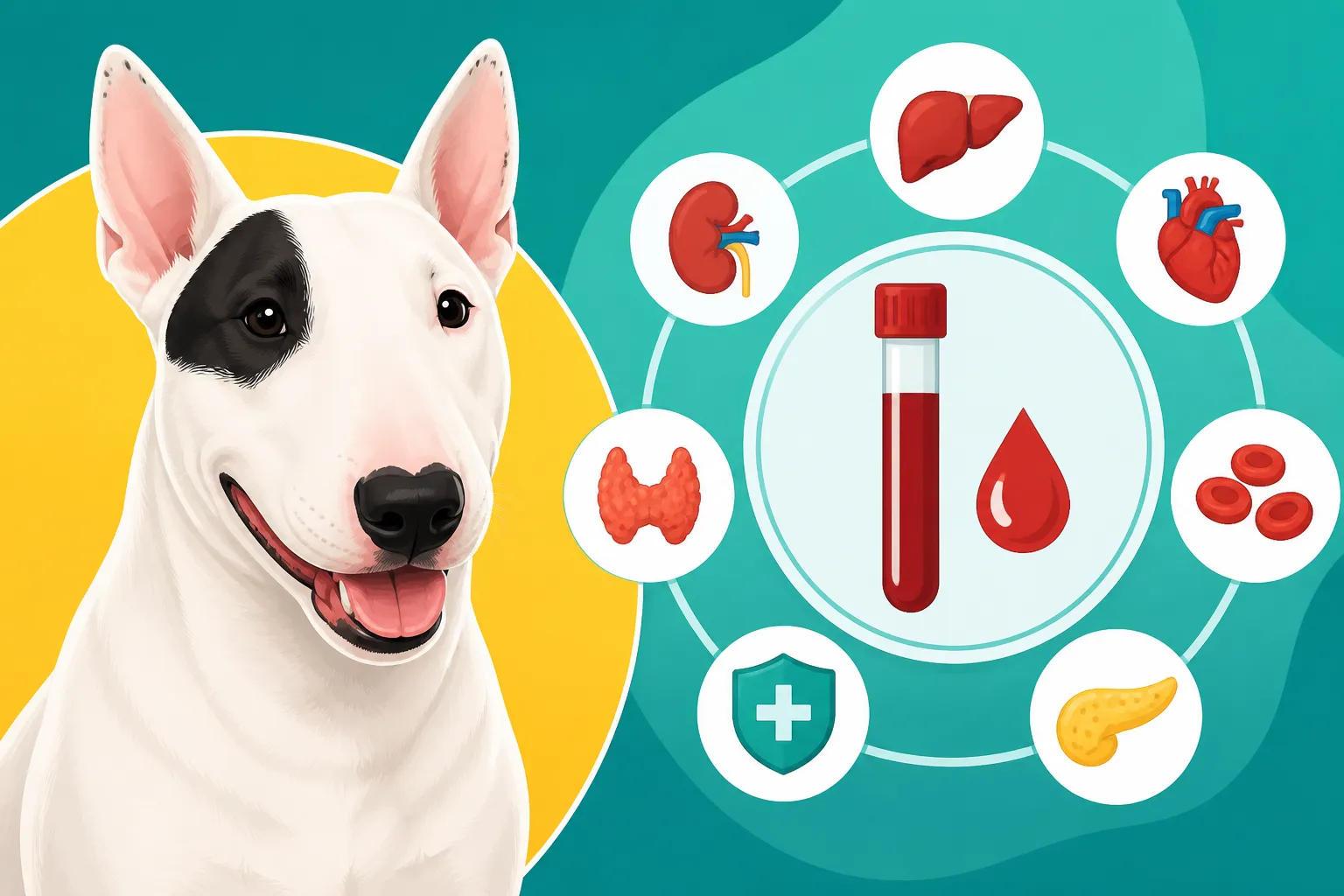
What a Bull Terrier’s Yearly Bloodwork Should Cover
It's incredibly frustrating when your seemingly healthy Bull Terrier goes for their annual vet check-up, and you're told they need a battery of blood tests. You might be thinking, "But Fido just had his zoomies this morning, he's bouncing off the walls, what could possibly be wrong?" It's a common and valid concern, especially with our stoic Bull Terriers who are masters at hiding discomfort. This guide is here to demystify what your Bull Terrier's yearly bloodwork entails, why it’s a non-negotiable part of their care, and what crucial insights these tests can offer into their long-term health, helping you stay ahead of potential issues rather than reacting to them.
Why Proactive Yearly Bloodwork is Essential for Your Bull Terrier
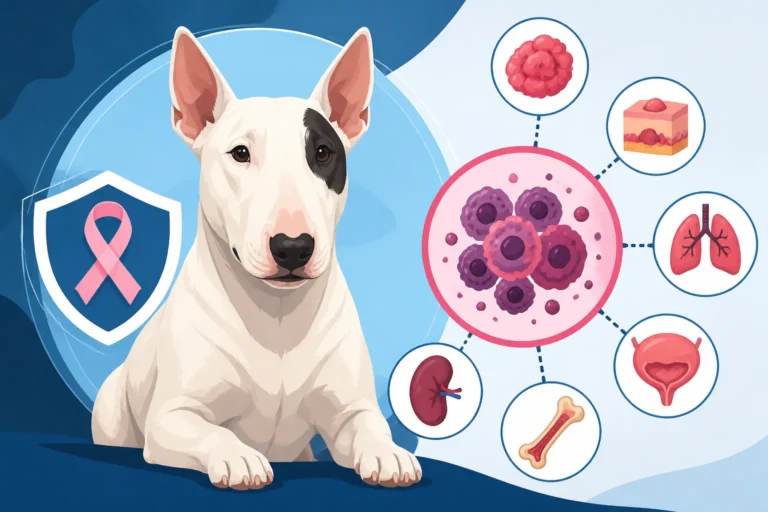
Many of us might think of blood tests only when our dog is obviously sick. You know, when they're lethargic, refusing food, or showing clear signs of distress. But for a Bull Terrier, waiting for visible symptoms can sometimes be too late, or at least make treatment much more challenging. These incredible dogs, known for their toughness and playful spirit, have a few breed-specific health predispositions that make proactive screening an absolute game-changer.
Think of it like this: your Bull Terrier can't tell you if their kidneys are quietly struggling, or if their liver enzymes are a little off. They can't explain that they feel a bit under the weather. They'll often push through, keeping up their goofy antics, until a problem has progressed significantly. That's why yearly bloodwork acts as an invaluable internal radar, picking up subtle shifts in their body chemistry long before any outward signs appear. It establishes a baseline of "normal" for your individual dog, which is so important. What's normal for one Bull Terrier might be slightly different for another, and having that historical data makes it much easier for your vet to spot trends year after year. This kind of early detection can truly impact The Ten to Fourteen Years a Bull Terrier Gets with you, allowing for timely interventions that can extend their healthy life and improve their quality of life.
Catching Silent Killers Early
One of the most significant reasons for routine bloodwork, particularly for a Bull Terrier, is to monitor for conditions that often progress silently. We’re talking about things like kidney disease, which is unfortunately all too common in the breed. A specific concern for Bull Terriers is Hereditary Nephritis Takes Bull Terriers in Their Prime. This condition can begin to affect kidney function long before your dog starts showing symptoms like increased thirst or changes in urination. By the time those signs are obvious, a considerable amount of kidney damage might already be done.
Regular blood panels, especially when combined with a The Yearly Urine Test Every Bull Terrier Owner Should Book, can alert your vet to changes in kidney values such as BUN (Blood Urea Nitrogen) and creatinine. These aren't perfect indicators on their own, but they are crucial pieces of the puzzle. If these values start to creep up, even slightly, it prompts further investigation, potentially saving your Bull Terrier from more severe complications down the line. It's about being an advocate for your dog's health, using every tool available to provide them with the best possible care.
Establishing a Health Baseline
Every Bull Terrier is an individual, and while breed standards give us an idea of what’s typical, their internal chemistry can vary. A complete blood panel isn't just about finding problems; it's about defining what "healthy" looks like for your particular dog. The first set of bloodwork your Bull Terrier gets will serve as a foundational reference point for every subsequent test.
Imagine your Bull Terrier has always had slightly higher-than-average white blood cell counts, but every other parameter is perfectly normal, and they're symptom-free. If this is established early, then a vet reviewing future bloodwork won't immediately panic at that number. However, if they suddenly see a significant jump from that individual baseline, even if it's still technically within "normal" lab ranges, it could flag a concern for them to investigate. This personalized approach to health monitoring is invaluable, giving your vet the context they need to make informed decisions about your Bull Terrier’s well-being. It’s also incredibly helpful when Caring for a Bull Terrier Past Eight, as age can bring its own set of changes and new baselines.
What Specific Tests Are Included in a Bull Terrier's Annual Blood Panel?
When your vet talks about "yearly bloodwork," they're usually referring to a combination of tests that give a broad overview of your Bull Terrier's internal health. It’s not just one big test; it’s a suite of individual measurements that paint a comprehensive picture. These typically include a Complete Blood Count (CBC), a Chemistry Panel, and often a Thyroid Test. Let's break down what each of these means and why they matter for your Bull Terrier.
Complete Blood Count (CBC)
The CBC is a foundational test that looks at the different components of your Bull Terrier's blood. It's like taking a census of the cells circulating throughout their body.
- Red Blood Cells (RBCs): These are vital for carrying oxygen from the lungs to the rest of the body. The CBC will measure things like the red blood cell count, hemoglobin (the protein that carries oxygen), and hematocrit (the percentage of red blood cells in the blood). Low numbers might indicate anemia, which could be a sign of many underlying issues, from chronic disease to internal bleeding. High numbers can sometimes point to dehydration or other, rarer conditions.
- White Blood Cells (WBCs): These are the foot soldiers of your Bull Terrier's immune system, fighting off infections and foreign invaders. The CBC breaks down the different types of white blood cells (neutrophils, lymphocytes, monocytes, eosinophils, basophils), and their levels can indicate the presence of infection, inflammation, stress, or even certain types of cancer. For instance, an elevated neutrophil count often signals a bacterial infection, while high eosinophils might point to allergies or parasites, something a Bull Terrier’s sensitive skin might experience.
- Platelets: These tiny cells are crucial for blood clotting. A low platelet count (thrombocytopenia) could put your Bull Terrier at risk of excessive bleeding, while a high count could indicate inflammation or other problems. Knowing these levels is important before any surgery or if your Bull Terrier experiences any unexplained bruising.
The CBC provides immediate clues about how your Bull Terrier's body is handling stress, infection, or chronic illness. It's a snapshot of their immune response and oxygen-carrying capacity.
Chemistry Panel (Serum Biochemistry Profile)
The chemistry panel is where things get really interesting in terms of organ function. This test looks at various substances in your Bull Terrier's blood serum, providing insights into how their organs are functioning and checking for metabolic imbalances.
- Kidney Values (BUN, Creatinine, SDMA): These are perhaps the most critical for Bull Terriers. Blood Urea Nitrogen (BUN) and creatinine are waste products that healthy kidneys filter out of the blood. Elevated levels suggest that the kidneys aren't doing their job efficiently, which is a major red flag for a breed prone to kidney disease. Many vets now also recommend SDMA (Symmetric Dimethylarginine), which is an even earlier indicator of kidney function decline than BUN or creatinine. Monitoring these is key to proactively managing conditions like Hereditary Nephritis.
- Liver Enzymes (ALT, ALP, GGT, Bilirubin): The liver is a powerhouse organ, involved in digestion, detoxification, and protein production. Elevated liver enzymes can signal liver damage, inflammation, or other issues. It doesn't always mean severe disease, as some medications can affect these levels, but it always warrants further investigation.
- Pancreatic Enzymes (Amylase, Lipase): These enzymes are involved in digestion. Elevated levels can suggest inflammation of the pancreas (pancreatitis), a painful condition that often requires dietary management and medication.
- Blood Glucose: This measures sugar levels in the blood. High glucose can indicate diabetes, while low glucose can point to other metabolic issues.
- Electrolytes (Sodium, Potassium, Chloride): These minerals are vital for proper nerve and muscle function, and maintaining hydration. Imbalances can be caused by dehydration, kidney issues, or hormonal problems.
- Proteins (Albumin, Globulin): These proteins play roles in immunity, fluid balance, and nutrient transport. Abnormal levels can indicate liver or kidney disease, intestinal issues, or chronic inflammation.
This panel gives your vet a detailed look at how your Bull Terrier's internal organs are performing, crucial for detecting early signs of disease.
Thyroid Test (Total T4)
While not always part of a basic "screening" panel, a thyroid test, specifically checking Total T4, is often recommended as part of routine annual bloodwork, especially for middle-aged and senior Bull Terriers, or if any symptoms suggest an issue.
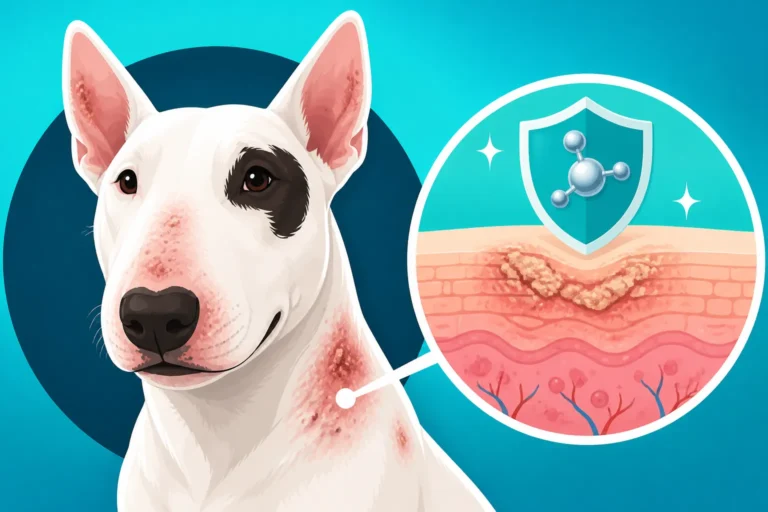
Hypothyroidism (underactive thyroid) is a relatively common endocrine disorder in dogs. An underactive thyroid gland can lead to a host of subtle symptoms that might easily be overlooked or attributed to aging, such as weight gain despite no change in diet, lethargy, a dull coat, or skin issues like dryness or recurrent infections. Because A Bull Terrier's Skin Is Its Weakest Point, it's especially important to rule out underlying conditions that could exacerbate skin problems. Catching hypothyroidism early allows for simple and effective treatment with daily medication, greatly improving your Bull Terrier's quality of life.
| Test Category | What It Checks For | Why It Matters for Bull Terriers |
|---|---|---|
| CBC | Red blood cells (anemia, oxygen capacity), white blood cells (infection, inflammation, immune response), platelets (clotting ability). | Identifies infections, inflammation, anemia; crucial for general health and before any procedures. |
| Chemistry Panel | Kidney function (BUN, Creatinine, SDMA), liver function (enzymes), pancreatic health, blood sugar, electrolytes, proteins. | Critical for early detection of Hereditary Nephritis, liver disease, diabetes, and other metabolic issues common in the breed. |
| Thyroid (T4) | Thyroid hormone levels. | Helps diagnose hypothyroidism, which can cause lethargy, weight gain, and skin problems often misattributed to other causes. |
Understanding the Results: What Your Bull Terrier's Bloodwork Can Tell You
Receiving bloodwork results can feel like reading a foreign language, full of acronyms and numbers that may or may not be in bold. Your vet will walk you through everything, but having a general understanding can help you feel more empowered in your Bull Terrier's healthcare journey. The key is not just looking at individual numbers, but how they relate to each other, to your Bull Terrier's baseline, and to their overall clinical picture.
Early Warning Signs for Kidney Disease
As we've touched on, kidney health is paramount for Bull Terriers. Elevated BUN and creatinine levels are often the first chemical indicators that something might be amiss with kidney function. However, they don't rise until about 75% of kidney function is already lost. This is where newer tests like SDMA come in. SDMA can detect kidney disease much earlier, sometimes when only 25-40% of function is lost, giving you and your vet a much larger window for intervention.
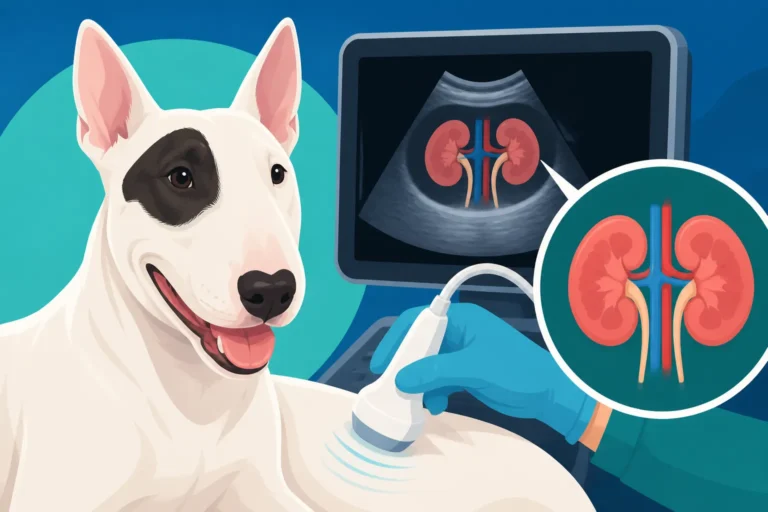
If these values are high, your vet will likely recommend further diagnostics, such as a What a Bull Terrier's Kidney Ultrasound Costs and a What a UPC Ratio Tells a Bull Terrier Owner. These additional tests help to confirm the diagnosis and determine the stage of kidney disease. Early diagnosis allows for dietary changes, medications, and lifestyle adjustments that can significantly slow the progression of kidney disease and improve your Bull Terrier's prognosis. This proactive approach is where pet insurance providers like Healthy Paws can truly shine, helping to manage the costs of ongoing monitoring and treatment.
Insights into Liver Function and Metabolic Health
The chemistry panel also gives vital clues about your Bull Terrier’s liver. Elevated liver enzymes can be a sign of many things, from mild inflammation due to medication or toxins to more serious liver disease. Sometimes, simply repeating the test in a few weeks can show if it was a temporary fluctuation. Other times, it might lead to further investigation, such as an ultrasound or liver biopsy, if persistent and significantly elevated.
Metabolic markers like blood glucose and electrolytes are equally important. Persistent high blood glucose can indicate diabetes, a condition that requires lifelong management with insulin and dietary control. Electrolyte imbalances can point to anything from dehydration to adrenal gland issues, each requiring specific diagnostics and treatment. These tests ensure that your Bull Terrier's internal machinery is running smoothly, or helps identify where it might be struggling.
Uncovering Hidden Inflammation or Infection
The CBC is your window into your Bull Terrier’s immune system. An elevated white blood cell count can indicate an infection brewing somewhere in the body – perhaps an ear infection that hasn't quite presented with obvious symptoms yet, or even a hidden dental abscess. Conversely, a very low white blood cell count could suggest a more serious immune system compromise or bone marrow issue.
Even more specifically, changes in the proportion of different white blood cells can pinpoint the type of inflammation or infection. For instance, increased eosinophils might point to an allergic reaction or parasitic infection, which is particularly relevant for Bull Terriers who can be prone to various skin sensitivities. By identifying these issues early, your vet can implement targeted treatments before they escalate into more severe problems that could impact your Bull Terrier's overall well-being.
Planning for the Cost and Making it Less Stressful
Let's be real, vet visits, especially those involving diagnostics like bloodwork, can add up. It's a common concern for pet parents, and it’s completely understandable to want to budget for your Bull Terrier's care. However, viewing yearly bloodwork as an investment in preventative health rather than an expense for a "sick" dog can change your perspective.
Budgeting for Routine Care
While I can't give you specific figures, the cost of routine annual bloodwork will vary based on your location and veterinary clinic. It generally includes the collection of the blood sample, the laboratory analysis, and your vet's time to interpret the results and discuss them with you. Many clinics offer wellness packages that bundle these routine diagnostics, sometimes at a reduced rate. It's always a good idea to discuss costs upfront with your vet's office and ask about any available packages or payment plans. Remember, addressing potential health issues early almost always saves money in the long run compared to treating advanced disease. Consider saving a dedicated amount each month into an emergency fund for your pet, or at least having a general idea of What the First Year With a Bull Terrier Costs and what ongoing routine care entails.
The Role of Pet Insurance
This is where pet insurance can be a real lifesaver, especially for a breed like the Bull Terrier with known predispositions to certain health issues. Many comprehensive pet insurance plans, like those offered by Healthy Paws, will cover diagnostic tests, including bloodwork, especially if it's related to an illness or accident. Some plans even offer wellness add-ons that can help cover the cost of routine preventative care like annual bloodwork, vaccinations, and dental cleanings.
It's crucial to enroll your Bull Terrier in a pet insurance plan before any health issues arise. If your dog already has a documented condition, it might be considered pre-existing and therefore excluded from coverage. Having insurance can alleviate a huge amount of financial stress, allowing you to make healthcare decisions based on what's best for your Bull Terrier, rather than solely on your wallet. This peace of mind is invaluable when facing unexpected diagnoses or ongoing management of a condition like Hereditary Nephritis. Even with a policy from Healthy Paws, always read the terms and conditions carefully to understand what is covered.
Making Vet Visits Less Stressful
For many Bull Terriers, vet visits can be a source of anxiety, and trying to get a blood sample from a stressed dog can be a challenge. Here are a few tips to make the experience smoother:
- Positive Association: Start early with positive experiences. Bring your Bull Terrier to the vet clinic just for treats and praise, without any procedures. This helps them associate the environment with good things.
- Practice Handling: At home, gently handle your Bull Terrier’s ears, paws, and legs, and mimic restraint positions. Reward them with high-value treats to build their comfort with being touched in these ways.
- Bring Reinforcements: Always bring your Bull Terrier’s favorite high-value treats. A smear of peanut butter on the exam table or a steady stream of small, meaty treats can be a powerful distraction.
- Muzzle Training: While sometimes a tough pill to swallow for owners, humane muzzle training is incredibly useful. It's a safety tool, not a punishment, and a dog comfortable in a muzzle is often less stressed and safer for the vet team during procedures like blood draws.
- Talk to Your Vet: If your Bull Terrier is particularly anxious, discuss options like anti-anxiety medication for the day of the appointment, or even scheduling the blood draw for a quieter time at the clinic. Your vet wants the experience to be as stress-free as possible too!
Prioritizing your Bull Terrier's yearly bloodwork is one of the most proactive and responsible steps you can take as an owner. It provides a unique window into their internal health, allowing for early detection and intervention that can make a profound difference in their lifespan and quality of life. Don't underestimate the power of these routine tests – they are a cornerstone of preventative care for our beloved, goofy Bull Terriers.
Disclaimer
This article is for general informational purposes only and does not constitute professional advice. Laws, prices and regulations vary by location and change over time. Consult a qualified professional for guidance on your specific situation.