How Often a Bull Terrier Needs a Wellness Exam
It can feel overwhelming trying to keep track of all the health recommendations for your beloved Bull Terrier. Between their unique health predispositions and the general advice for any dog, knowing just how often to schedule that crucial wellness exam can be a real head-scratcher. This guide aims to clear up the confusion, helping you understand the ideal frequency of vet visits for your Bull Terrier throughout their life stages, ensuring they get the proactive care they deserve.
The Annual Check-Up: More Than Just a Shot in the Dark
For most adult dogs, the gold standard has always been the annual wellness exam. It’s a habit we've ingrained as responsible pet parents, a yearly pilgrimage to the vet that often feels like it's primarily for vaccinations. However, for a breed as unique and often prone to specific health challenges as the Bull Terrier, that yearly visit is far more than just a quick poke with a needle. It's a comprehensive health overview, a chance to catch subtle changes that you, even with the keenest eye, might miss.
Why Annual Exams Are Crucial for Bull Terriers
Think about it: a dog ages much faster than a human. A year for us is like seven for them, or so the old adage goes. While that's an oversimplification, it highlights just how much can change in twelve months for your Bull Terrier. During an annual exam, your veterinarian isn't just listening to their heart and lungs; they're feeling for lumps, checking their lymph nodes, examining their teeth for dental disease, inspecting their skin for issues common to the breed like allergies or Demodectic Mange in a Bull Terrier, and assessing their gait and joints. These seemingly routine checks are vital, especially when dealing with a breed that can be stoic about pain.
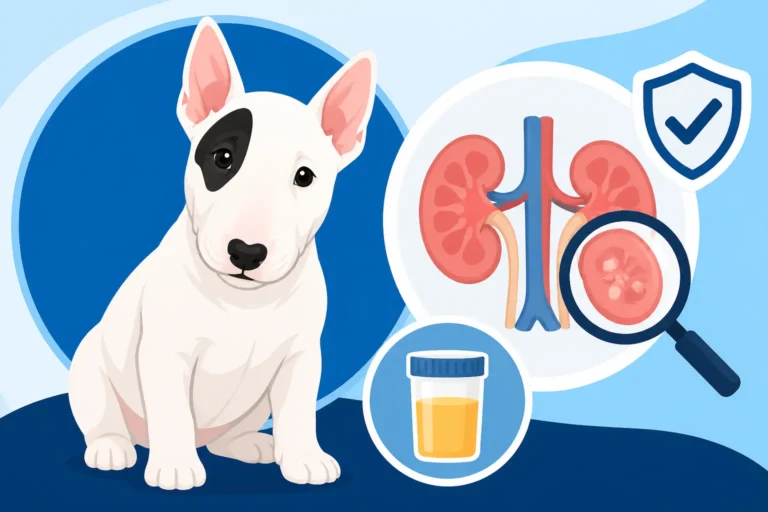
Many Bull Terriers are prone to kidney issues, such as hereditary nephritis. A yearly exam is the perfect opportunity to discuss and potentially perform The Yearly Urine Test Every Bull Terrier Owner Should Book. This simple test can detect protein in the urine, an early indicator of kidney problems, long before your Bull Terrier shows any outward signs of illness. Catching these conditions early can make a world of difference in managing them and extending your dog's quality of life. Without that consistent annual check-in, these silent diseases can progress unchecked until they become much harder, and more expensive, to treat.
Beyond the physical, these visits also allow for a discussion about your Bull Terrier's behavior, diet, and any concerns you might have. Maybe they've started chasing their tail more often, and you're wondering Why a Bull Terrier Chases Its Tail. Or perhaps you've noticed a change in their energy levels. Your vet can provide insights, rule out medical causes, and offer solutions. It's a holistic approach to their well-being, acknowledging that their physical health, mental state, and environment are all interconnected.
What Happens During a Standard Wellness Exam
A typical annual wellness exam for your Bull Terrier usually starts with a thorough physical examination. The vet will likely start by observing your dog's general demeanor and body condition as they enter the room. They'll then move on to a hands-on examination, which includes checking their weight, temperature, pulse, and respiration rate. Their eyes, ears, nose, and mouth will be carefully inspected. This is where conditions like early dental disease, ear infections, or even subtle changes in the eyes can be identified. Don't be surprised if the vet is particularly thorough with palpating your Bull Terrier's abdomen and checking their joints; these are common areas for issues to develop.
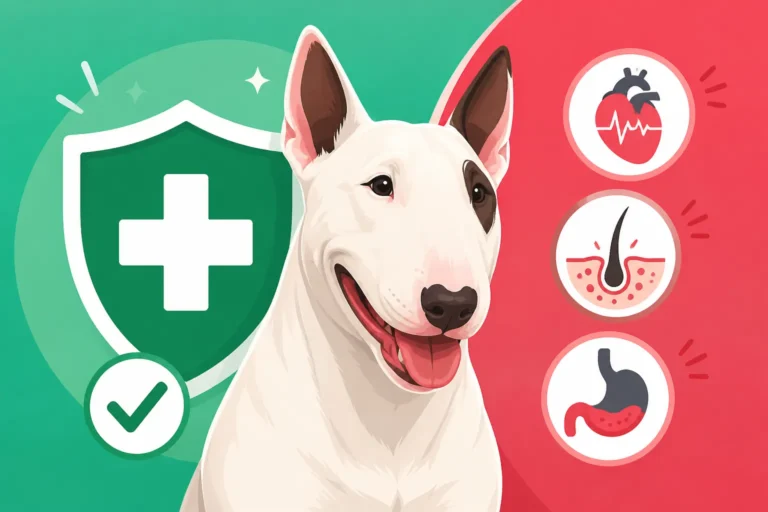
The vet will also listen to your Bull Terrier's heart and lungs using a stethoscope. This is crucial for detecting any murmurs or abnormal lung sounds. For Bull Terriers, who can be predisposed to heart conditions like mitral valve dysplasia or aortic stenosis, this auscultation is a vital first step. If a heart murmur is detected, especially in a puppy, it could lead to further diagnostics like an echocardiogram, as outlined in "The Heart Murmur a Bull Terrier Puppy Should Be Checked For". You'll also discuss their vaccination status and parasite control. This includes flea, tick, and heartworm prevention, all tailored to your local risks and your Bull Terrier's lifestyle.
Finally, the annual exam is a perfect opportunity to discuss preventative care, including diet and exercise recommendations, especially since keeping a Bull Terrier lean is important given their muscular build. Your vet can help you assess if your Bull Terrier is at a healthy weight and suggest adjustments if needed. It’s also a time to ask about any concerns you might have about their temperament or training, as sometimes behavioral issues can have underlying medical causes. For instance, sometimes changes in behavior or increased anxiety might be linked to subtle pain or discomfort that only a thorough physical exam can reveal.
Tailoring the Schedule: Age, Health, and Your Bull Terrier's Unique Journey
While annual exams are a great baseline, the truth is, not all Bull Terriers fit neatly into a "once a year" box. Their age, individual health history, and any existing chronic conditions will significantly influence how often they really need to see the vet. Puppyhood and senior years, for instance, demand a much more frequent schedule, while a young, healthy adult might genuinely thrive on yearly visits. It's about finding that sweet spot for your dog, working closely with your vet to create a personalized health plan.
Puppyhood: A Whirlwind of Wellness Visits
Bringing home a Bull Terrier puppy is an exciting time, but it’s also packed with vet appointments. Puppies need a series of vaccinations to build up their immunity against common and dangerous diseases. These usually start around 6-8 weeks of age and continue every 3-4 weeks until they are about 16 weeks old. Each of these visits isn't just about the shots; it's a mini-wellness exam where the vet monitors their growth and development, checks for congenital issues, and gives you crucial advice on nutrition, socialization, and early training. For white Bull Terrier puppies, a BAER test to check for deafness is also critical around this age, often done by a specialist.
During these early visits, your vet will also discuss deworming protocols, flea and tick prevention, and the importance of proper nutrition for healthy growth. They'll check for an umbilical hernia, palpate for a retained testicle in males, and generally ensure your puppy is developing as expected. It's also an excellent time to talk about spaying or neutering, including the optimal timing for your Bull Terrier. These frequent early visits establish a baseline for their health and allow your vet to catch any potential problems, like a heart murmur or signs of Lethal Acrodermatitis Kills a Bull Terrier Puppy Before It Grows Up, very early on.
It's also essential to be prepared for the financial aspect of these initial visits. A puppy's first year is often the most expensive in terms of vet care, even without any major health issues. Many owners find that signing up for pet insurance like Healthy Paws early on can be a huge relief, covering a significant portion of these unexpected costs and giving you peace of mind as your Bull Terrier grows. Remember, establishing good vet habits from the start sets your puppy up for a lifetime of better health and helps you understand What a Bull Terrier Breeder Should Have Tested before you even brought your puppy home.
Senior Years: When Twice a Year is Truly Better
Once your Bull Terrier reaches their golden years—typically around eight years old, marking them as The Age a Bull Terrier Is Considered Senior—the recommendation for wellness exams often shifts from yearly to twice a year. Why the increase? Just like humans, older dogs are more susceptible to age-related conditions like arthritis, dental disease, cognitive dysfunction, and certain cancers. Their organs, particularly the kidneys and heart, might not function as efficiently as they once did.
These bi-annual visits allow for more frequent monitoring of their vital organs, bloodwork to check for signs of disease, and discussions about managing any chronic pain or mobility issues. For instance, frequent monitoring of kidney values and urine protein can be life-changing for a breed predisposed to kidney disease. Your vet can adjust medications, recommend supplements, or suggest dietary changes to help keep your senior Bull Terrier comfortable and healthy for as long as possible. These check-ups are also crucial for discussing changes you might be noticing at home, like increased thirst, changes in appetite, or subtle shifts in behavior that could indicate underlying health issues. Caring for a Bull Terrier Past Eight requires a proactive and attentive approach.
Beyond physical health, senior Bull Terriers can also experience cognitive decline. Twice-yearly visits provide an opportunity to assess their mental acuity and discuss strategies to keep their minds sharp and their environment safe. Early intervention for conditions like osteoarthritis or even mild kidney insufficiency can significantly improve their comfort and extend their healthy lifespan. It's a testament to the idea that regular, proactive care truly makes a difference, moving beyond just reacting to illness to actively promoting wellness in their later years.
Bull Terriers with Chronic Conditions
If your Bull Terrier has a chronic health condition, such as allergies, heart disease, or kidney disease, their wellness exam schedule will undoubtedly be more frequent than the standard. For example, a Bull Terrier diagnosed with early kidney disease might need follow-up appointments every few months to monitor their kidney function through bloodwork and urine tests (like a UPC ratio, which helps track protein loss) and adjust their specialized diet. Your vet might also recommend a What a Bull Terrier's Kidney Ultrasound Costs to check for structural changes in the kidneys.
Similarly, a Bull Terrier with a known heart condition, like What Mitral Valve Dysplasia Does to a Bull Terrier, may require regular re-checks with a veterinary cardiologist. These appointments might include follow-up echocardiograms to assess the progression of the disease and adjust medication dosages. These specialized visits are often in addition to regular physical exams, creating a comprehensive care plan. The frequency will depend entirely on the specific condition, its severity, and how well it's being managed.
In these situations, having a reliable pet insurance plan, such as Healthy Paws, can be invaluable. Chronic conditions often lead to ongoing expenses for medications, specialized diets, and frequent diagnostic tests. Knowing that a significant portion of these costs could be covered allows you to make health decisions based on your Bull Terrier's needs, rather than solely on your budget. Always work closely with your veterinarian to establish the appropriate schedule for your Bull Terrier's unique health profile, ensuring they receive the consistent, tailored care necessary for managing their condition effectively.
Beyond the Exam Room: What to Watch For Between Vet Visits
It's easy to think that your Bull Terrier's health is solely the vet's responsibility during those appointments. But as their primary caregiver, you are their first line of defense! Being observant and proactive between visits is paramount, especially with a breed that can be quite adept at hiding discomfort. You know your Bull Terrier best – their quirks, their routines, their usual energy levels. Noticing subtle changes can often be the first step in identifying a problem early, sometimes even before it becomes outwardly apparent.
Daily Observations and Home Health Checks
Every single day is an opportunity to perform a mini-wellness check on your Bull Terrier. Pay attention to their eating and drinking habits. Is their appetite normal? Are they drinking more or less water than usual? Signs a Bull Terrier Is Drinking More Than It Used To can be an indicator of kidney issues or diabetes. Observe their energy levels and willingness to play. A sudden decrease in activity, or reluctance to jump or run, could signal pain or illness.
Check their eyes, ears, and nose for any discharge, redness, or unusual odors. Take a moment to gently feel over their body during cuddles – is there any new lump or bump? Are they flinching when you touch a particular area? Because A Bull Terrier's Skin Is Its Weakest Point, regularly checking for rashes, excessive scratching, or bald patches is crucial. Even simply watching them walk and run can give you clues about their joint health. These small, consistent observations empower you to act quickly if something seems amiss, rather than waiting for the next scheduled vet appointment.
Knowing When to Call the Vet Immediately
While regular wellness exams are for proactive care, there will be times when your Bull Terrier needs immediate veterinary attention. Don't hesitate to call your vet if you notice any of these alarming signs: persistent vomiting or diarrhea, severe lethargy, difficulty breathing, limping that doesn't resolve quickly, sudden changes in urination (straining, excessive volume, or complete lack thereof), or any uncharacteristic aggression or disorientation. These could be indicators of serious underlying health problems that require prompt diagnosis and treatment.
For example, if you notice your Bull Terrier suddenly struggling to urinate, or urinating very frequently but only small amounts, it could be a urinary tract infection or, more seriously, a bladder stone. If they are rapidly losing weight despite eating normally, it could point to metabolic issues or a significant underlying illness. If you're ever in doubt, it's always better to make that phone call. Most vet clinics would prefer to give you peace of mind over the phone or have you come in for a quick check, rather than you waiting too long and a treatable condition becoming much more complicated. Trust your gut instinct as a Bull Terrier owner.
Tracking and Recording Your Bull Terrier's Health
One of the best habits you can adopt as a Bull Terrier owner is to keep a simple health journal or use a pet health app. Record important dates like vaccinations, deworming, and parasite prevention applications. Note any changes in appetite, weight, behavior, or stool consistency. If your Bull Terrier has an allergic flare-up, jot down when it happened, what symptoms you observed, and what helped alleviate them. This detailed information is incredibly valuable to your veterinarian during wellness exams or if your Bull Terrier becomes ill.
Having a clear record can help your vet identify patterns, track the effectiveness of treatments, and make more informed decisions about your Bull Terrier's care. For example, if you're tracking your Bull Terrier's weight, you might notice a gradual decline over several months that you wouldn't have consciously realized without documentation. This kind of data can be a critical piece of the puzzle when diagnosing conditions that might otherwise go unnoticed for too long. It's a simple tool that can significantly enhance the quality of care your Bull Terrier receives throughout their life.
Making the Most of Your Bull Terrier's Wellness Exam
So, you've got that vet appointment booked. Now what? Simply showing up isn't enough; to truly leverage these visits for your Bull Terrier's health, you need to be prepared and engaged. This means communicating effectively with your vet, asking questions, and being ready to discuss everything from their diet to their energy levels. Remember, you and your vet are a team, working together to give your Bull Terrier the best possible life.
Prepare Your Questions and Observations
Before you even leave the house, take a few minutes to jot down any questions or observations you have about your Bull Terrier. Has their coat changed? Are they sleeping more? Are they showing any new anxieties or behaviors, even something like "Whether a Spinning Bull Terrier Still Spins" in their older years? Write it all down! It's easy to forget things once you're in the exam room, especially when your Bull Terrier is excited (or nervous). A prepared list ensures you cover all your concerns.
Consider bringing in a fresh stool sample, especially if you haven't done one recently. This can be quickly checked for parasites. Also, if your Bull Terrier is on any medications, bring the bottles or a list of them with dosages. This gives your vet a complete picture of their current health regimen. Being organized allows your vet to spend more time examining your Bull Terrier and discussing important topics, rather than chasing down information.
Discuss Diet, Exercise, and Lifestyle
Wellness exams are the perfect time to have an open conversation with your vet about your Bull Terrier's overall lifestyle. This includes their diet – not just what they eat, but how much, and if there have been any recent changes. For a muscular breed like the Bull Terrier, maintaining a healthy weight is paramount to joint health and overall longevity. Your vet can provide guidance on appropriate food choices and portion sizes, especially if your Bull Terrier is prone to being overweight or if you're considering a specialized diet.
Exercise is another key component. Are they getting enough physical activity? Are there any limitations due to age or suspected pain? Discuss their training, socialization, and any behavioral quirks. Sometimes, seemingly minor behavioral issues can be indicators of underlying physical discomfort or stress. Your vet can offer resources or referrals to certified trainers or behaviorists if needed. It’s about looking at your Bull Terrier's life holistically, understanding that their physical health is deeply intertwined with their daily experiences and environment.
Understanding Diagnostic Recommendations
During your Bull Terrier's wellness exam, your vet might recommend certain diagnostic tests, such as blood work, a urinalysis, or even specialized imaging. It’s natural to feel a bit apprehensive about these, both for your dog's sake and your wallet. Don't be afraid to ask questions:
- Why is this test being recommended?
- What information will it give us?
- What are the potential outcomes if we don't do the test?
- Are there any alternatives?
For example, What a Bull Terrier's Yearly Bloodwork Should Cover often includes a complete blood count (CBC) and a chemistry panel, which provide insights into organ function, hydration, and overall health. For senior Bull Terriers, annual bloodwork is almost universally recommended to catch subtle changes in kidney or liver function, or to identify early signs of endocrine diseases. Understanding the "why" behind each recommendation helps you make informed decisions for your Bull Terrier.
It's also worth discussing the costs involved. Many pet insurance providers, like Healthy Paws, offer coverage for diagnostic tests performed during wellness exams or for conditions discovered during these visits. This can significantly alleviate financial stress, allowing you to opt for the most thorough diagnostic workup without undue worry. A good vet will take the time to explain everything clearly and work with you to prioritize care based on your Bull Terrier's needs and your budget.
Proactive Care for a Longer, Happier Bull Terrier Life
When it comes to your Bull Terrier's health, being proactive is truly the greatest gift you can give them. While the standard annual wellness exam is a crucial foundation, tailoring that frequency to their specific life stage—more often for puppies and seniors, and potentially for those with chronic conditions—is key. Combining these regular professional check-ups with your vigilant daily observations at home creates a comprehensive health strategy.
By staying informed, openly communicating with your veterinarian, and leveraging resources like pet insurance, you're not just reacting to illness; you're actively promoting a lifetime of well-being for your beloved companion. Remember, a healthy Bull Terrier is a happy Bull Terrier, and a happy Bull Terrier brings unparalleled joy and laughter into your home.
| Bull Terrier Life Stage | Recommended Wellness Exam Frequency | Key Focus Areas |
|---|---|---|
| Puppy (8-16 weeks) | Every 3-4 weeks | Vaccinations, deworming, growth monitoring, congenital defect screening (heart, deafness), socialization advice. |
| Adult (1-7 years) | Annually | Comprehensive physical, vaccinations, parasite control, dental health, weight management, early disease screening (kidneys, heart). |
| Senior (8+ years) | Bi-annually (every 6 months) | Thorough physical, bloodwork, urinalysis, kidney function, heart health, arthritis management, cognitive function, cancer screening. |
| With Chronic Illness | As recommended by vet | Condition-specific monitoring (e.g., kidney values, heart function, allergy management), medication adjustments. |
Disclaimer
This article is for general informational purposes only and does not constitute professional advice. Laws, prices and regulations vary by location and change over time. Consult a qualified professional for guidance on your specific situation.