Whether an Aging Bull Terrier Still Spins
One of the most distinctive, and sometimes perplexing, behaviors you’ll encounter as a Bull Terrier owner is "spinning" or tail chasing. It’s a trait that can manifest with incredible intensity, and it’s natural to wonder if this high-energy, compulsive behavior mellows out or changes as our beloved, clownish companions move into their golden years. The reality is, an aging Bull Terrier can absolutely still spin, but the reasons behind it might shift, becoming more complex and potentially signaling underlying health concerns that weren't present in their younger, boisterous days.
Understanding Bull Terrier Spinning: A Lifelong Challenge
For those who share their lives with a Bull Terrier, the sight of them intensely chasing their tail, often in tight, fast circles, is incredibly familiar. This isn't just a puppy playing; for many Bull Terriers, it's a deep-seated, often compulsive behavior that has captivated researchers and perplexed owners for decades.
The Nature of Bull Terrier Spinning
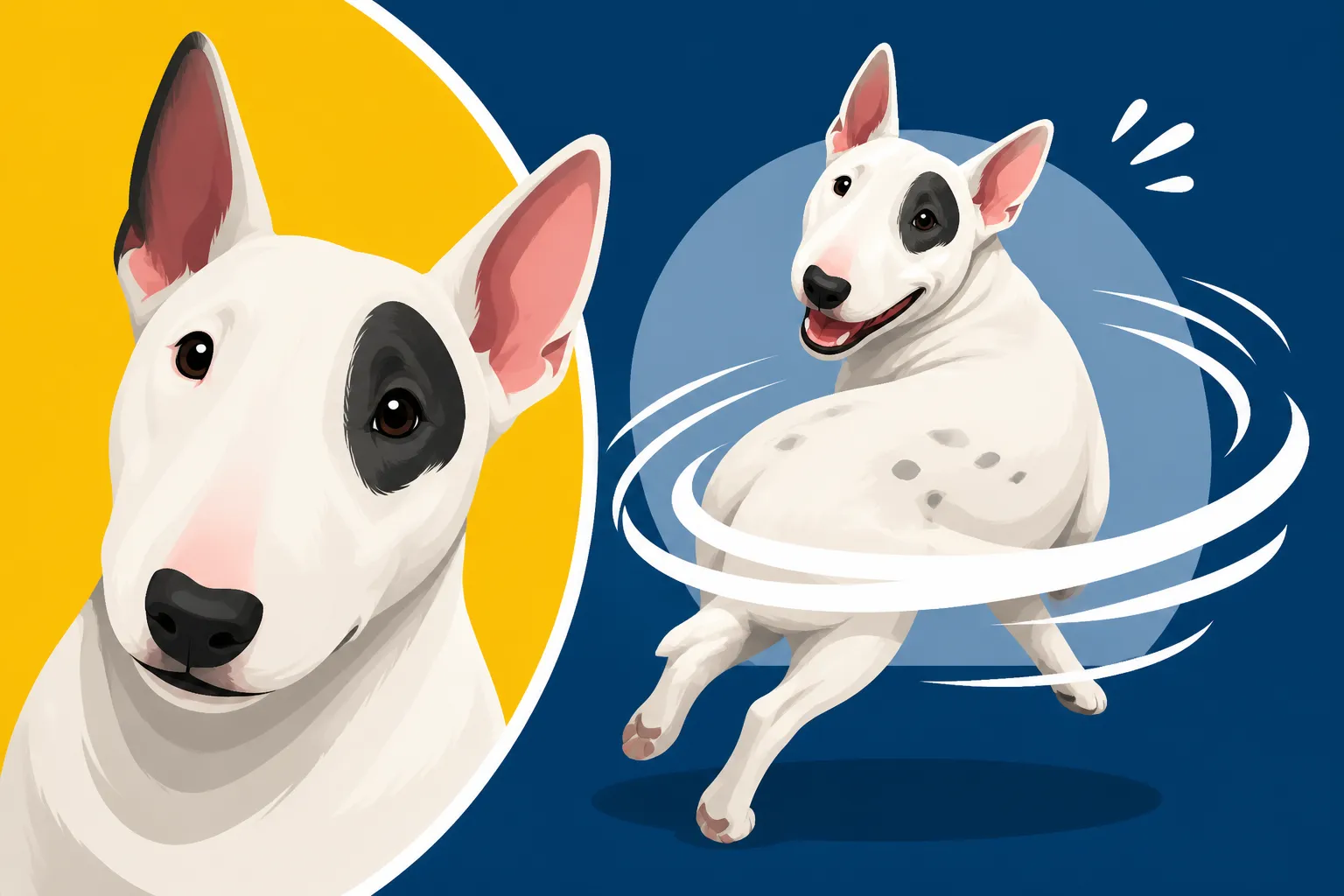
Bull Terrier spinning is more than just a playful chase. While many dogs might occasionally bat at their tail, a true Bull Terrier spinner exhibits an almost trance-like focus, engaging in rapid, repetitive rotations that can last for minutes. It’s often accompanied by an inability to be easily distracted, a rigid posture, and a determined intensity in their eyes. This behavior is considered a form of Canine Compulsive Disorder (CCD), similar to obsessive-compulsive disorder in humans. It's a behavioral issue, but it can have neurological roots.
Imagine your young Bull Terrier, full of beans, suddenly locking onto their tail. Their body coils, their eyes narrow, and they launch into a blur of motion, spinning so fast they might knock into furniture or even you. They're entirely engrossed, almost as if nothing else in the world exists. This isn't just a quirky habit; it's a profound display of a deeply ingrained impulse. Many owners describe it as a 'switch' flipping, where their dog goes from normal activity to full-on spinner in an instant. Understanding Why a Bull Terrier Chases Its Tail is crucial, as it often has a complex interplay of genetic predisposition, high energy, and environmental triggers.
How Spinning Develops and Changes Over Time
Spinning usually doesn't appear out of nowhere in adulthood. For many Bull Terriers, the seeds of this behavior are sown in puppyhood. What might start as normal puppy play or zoomies can gradually morph into a more fixed, compulsive pattern. Owners often report seeing the first signs around six months to a year of age, though it can certainly start later. It's thought to have a strong genetic component, meaning if a Bull Terrier’s parents or grandparents were spinners, the puppy has a higher likelihood of developing the trait.
As a Bull Terrier matures, the intensity and frequency of spinning can fluctuate. Some dogs might spin more when under-exercised, stressed, or bored. Others have triggers—certain sounds, reflections, or even eye contact. The behavior often peaks during their prime adolescent and young adult years, when their energy levels are at their highest. You might be hoping that as your Bull Terrier enters their senior years, this intense behavior will naturally fade away, becoming a distant memory of their youth. While some dogs do reduce their spinning, it's important to understand that the compulsion itself often doesn't simply disappear. Instead, it can evolve, or new factors can emerge that influence its manifestation.
Factors Influencing Spinning in Older Bull Terriers
When a Bull Terrier reaches The Age a Bull Terrier Is Considered Senior, typically around eight years old, their body and mind begin to change. While the inherent tendency to spin might still be present, new health or cognitive issues can significantly alter its expression or even introduce new forms of compulsive behavior that look similar.
Physical Health and Underlying Conditions
As Bull Terriers age, the chances of developing health issues increase dramatically. Pain from arthritis, hip dysplasia, or even subtle discomfort from internal organ problems can manifest in unusual ways. A dog in chronic pain might seek relief through repetitive behaviors, or the pain itself could disrupt neurological pathways, making them more prone to compulsive actions. For instance, a Bull Terrier suffering from an undiagnosed urinary tract infection might pace and circle, which could be mistaken for spinning. Or, if they have back pain, the act of bending and twisting to chase their tail might provide a strange kind of counter-stimulation or a way to cope with the discomfort. It’s vital to remember that How a Bull Terrier Hides Pain is remarkable; they are stoic creatures who often mask discomfort until it's severe.
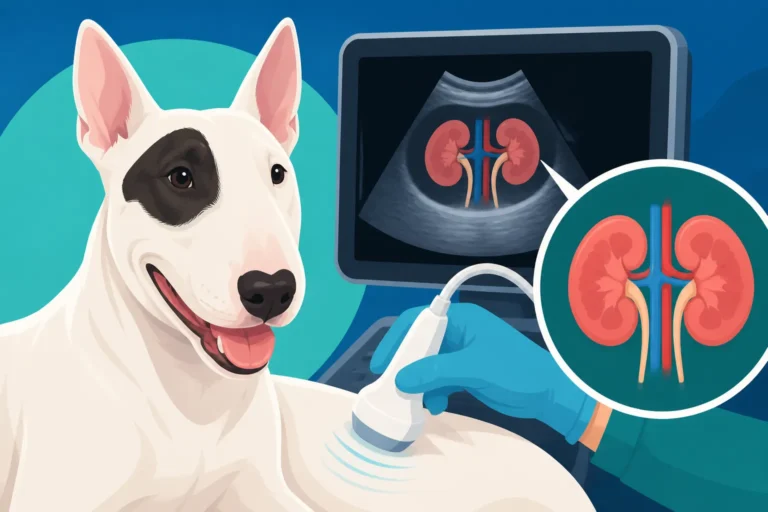
Kidney disease, unfortunately, is a common concern for Bull Terriers, and chronic illness can lead to feelings of malaise, nausea, or general discomfort. While not directly causing spinning, these feelings could certainly heighten anxiety or alter their usual coping mechanisms, potentially increasing the frequency or intensity of compulsive behaviors. This is why regular veterinary check-ups and specific screenings are paramount for older Bull Terriers, including How Often an Aging Bull Terrier's Kidneys Should Be Checked. What looks like a familiar "spin" could actually be a manifestation of physical unease, requiring a completely different approach to treatment.
Cognitive Decline and Senior Behavior
Just like humans, dogs can experience cognitive decline as they age, a condition often referred to as Canine Cognitive Dysfunction (CCD). This is akin to Alzheimer's in people and can present with a range of symptoms, including disorientation, changes in sleep-wake cycles, altered social interactions, and an increase in repetitive or compulsive behaviors. A senior Bull Terrier with CCD might start to spin more frequently, or display new circling behaviors, not out of the ingrained youthful compulsion, but due to disorientation or anxiety related to their declining cognitive function. They might get "stuck" in a corner, continuously circling, or follow the same path around furniture repeatedly.
It’s a heartbreaking scenario to witness, as the dog you once knew seems to lose parts of themselves. This type of spinning or circling isn't necessarily the same as the vigorous, directed tail-chasing of a younger dog. It might be slower, less coordinated, and seem more aimless. They might even appear confused or distressed during these episodes. The good news is that recognizing these signs early can allow for interventions that support their quality of life, even if they don't fully "cure" the condition. Understanding What Changes in a Bull Terrier After Eight is key to differentiating normal aging from cognitive issues.
Environmental and Stress Triggers in Senior Years
Older Bull Terriers, particularly those with a history of spinning, can become more sensitive to their environment and less tolerant of stress or changes in routine. What might have been a minor annoyance to a younger, more adaptable dog can become a major stressor for a senior. A new pet in the house, a change in feeding schedule, renovations, or even different walking routes can increase anxiety, which in turn, can heighten the likelihood of compulsive behaviors like spinning.
Reduced exercise, often a natural consequence of aging, can also play a role. While an older Bull Terrier won't need the same vigorous workouts as a two-year-old, a lack of appropriate physical and mental stimulation can lead to boredom and pent-up energy, even in a less mobile dog. This unchanneled energy can easily funnel into existing compulsive outlets. The familiar routines, comforting sounds, and predictable environment that make a senior dog feel secure are vital. Any disruption can easily trigger an escalation of anxiety, leading them back to the deeply ingrained coping mechanism of spinning.
Managing Spinning in an Aging Bull Terrier
When your aging Bull Terrier starts spinning, or if their existing spinning behavior intensifies or changes, it's a clear signal that it's time for a thorough investigation. You can't just chalk it up to "being a Bull Terrier" anymore.
Veterinary Assessment and Diagnosis
The very first and most critical step is a comprehensive veterinary examination. This isn't just a quick check; your vet will need to perform a thorough physical, neurological exam, and likely recommend a full diagnostic panel. This might include blood work to check organ function, particularly kidneys and liver, and a urinalysis to rule out infections. They might also suggest imaging like X-rays to look for orthopedic pain, or even an MRI if neurological issues are suspected, especially if you're trying to determine Whether Bull Terrier Tail Chasing Is a Seizure or something else entirely. It's crucial to rule out any physical cause of discomfort or pain that could be triggering or exacerbating the spinning.
Your vet will ask detailed questions about the nature of the spinning: when it started, how often it occurs, what triggers it, and if there are any other behavioral changes. It’s helpful to keep a journal of these observations before your appointment. Be prepared to discuss your dog's diet, exercise routine, and any medications or supplements they are on. If a physical cause is identified, treating that underlying issue will be the priority. For instance, if arthritis is causing discomfort, appropriate pain management could significantly reduce the spinning. If kidney issues are diagnosed, a specific renal diet, perhaps with the support of pet insurance like Healthy Paws to help manage ongoing costs, would be essential, as discussed in Which Diet a Bull Terrier With Kidney Disease Needs.
Tailored Management Strategies for Senior Spinners
Once any underlying medical conditions have been addressed, or if cognitive decline is diagnosed, management strategies can be tailored.
For Compulsive Spinning (Behavioral):
- Medication: For dogs with true Canine Compulsive Disorder, even in their senior years, specific medications can be very effective in reducing the frequency and intensity of spinning. These are often anti-anxiety or antidepressant medications prescribed by your vet or a veterinary behaviorist. Which Medication Stops a Bull Terrier Spinning is a topic many owners explore with their vets.
- Behavioral Modification: This involves identifying triggers and working to reduce exposure or change the dog's reaction. It often focuses on positive reinforcement for calm behavior, redirection to appropriate activities, and providing ample mental stimulation.
- Environmental Management: Ensure a predictable, low-stress environment. Avoid sudden changes. Provide a quiet, safe space where your Bull Terrier can retreat.
For Spinning Related to Cognitive Decline (CCD):
- Medication and Supplements: There are medications and supplements specifically designed to help manage the symptoms of CCD, which can improve cognitive function and reduce disorientation and anxiety. Your vet can advise on the best options.
- Routine and Familiarity: Maintain a consistent daily routine for feeding, walks, and bedtime. Familiarity provides comfort and reduces confusion for dogs with CCD.
- Enrichment: Gentle, appropriate mental stimulation, like puzzle toys or short, easy training sessions, can help keep their minds active.
- Environment: Ensure their environment is safe and easy to navigate. Avoid moving furniture or creating obstacles. Good lighting can help with disorientation.
A combined approach, often involving both veterinary input and a certified professional dog trainer or veterinary behaviorist, is usually the most successful. Remember that How a Spinning Bull Terrier Is Treated is highly individualized and depends on the underlying cause.
Supporting Your Senior Spinner: Beyond the Spin
Caring for an aging Bull Terrier, especially one with complex behavioral patterns or health issues, requires patience, dedication, and a deep understanding of their unique needs. It’s about more than just stopping the spin; it’s about enhancing their overall quality of life.
Maintaining Quality of Life
As your Bull Terrier ages, comfort becomes paramount. This means providing an orthopedic bed that supports their joints, ensuring easy access to food and water, and managing any pain effectively. Regular, gentle exercise that matches their mobility level is still important for both physical health and mental well-being, but the intense long runs of their youth might need to be replaced with shorter, more frequent strolls. Consider their comfort during different seasons; older dogs can be more sensitive to temperature extremes.
Nutrition also plays a huge role. If kidney issues are present, a vet-prescribed renal diet is crucial. For all senior dogs, maintaining a healthy weight is vital to prevent additional strain on their joints and organs. Beyond physical comfort, consistent human interaction and affection are essential. An aging Bull Terrier still craves connection, and quiet cuddle times or gentle grooming sessions can be incredibly reassuring. Organizations like Healthy Paws can be a lifesaver for owners, providing pet insurance that can help cover the costs of ongoing veterinary care, medications, and even specialist consultations that become more frequent as dogs age. This financial support can truly ease the burden and allow you to make the best decisions for your senior dog's health without constant worry about expenses.
When to Seek Professional Behavioral Help
Sometimes, even after addressing all potential medical causes, the spinning behavior persists or becomes particularly challenging to manage. This is when seeking guidance from a certified professional dog trainer specializing in compulsive behaviors, or a veterinary behaviorist, is invaluable. These experts can help you:
- Identify Specific Triggers: They have the expertise to observe subtle cues and patterns that you might miss, helping to pinpoint exactly what sets off the spinning.
- Develop a Tailored Behavior Modification Plan: They can create a step-by-step plan that works for your specific dog and household, focusing on positive reinforcement and safe alternatives to spinning.
- Evaluate for Co-occurring Conditions: A veterinary behaviorist, in particular, can assess for other behavioral issues like anxiety or fear that might be intertwined with the spinning, and recommend appropriate pharmacological support if needed.
- Provide Support and Guidance: Living with a compulsive spinner can be frustrating and emotionally taxing. These professionals can offer coping strategies and reassurance, reminding you that you're not alone in this journey.
It's important to remember that asking for help is a sign of responsible pet ownership, not failure. Bull Terrier spinning, especially in an aging dog, can be a complex puzzle, and sometimes you need an expert to help put the pieces together. The goal is always to improve your Bull Terrier's quality of life and your shared bond, regardless of their age. A healthy life for a Bull Terrier is a long one, and you’ll want to provide the best care throughout The Ten to Fourteen Years a Bull Terrier Gets.
Comparing Spinning in Young vs. Old Bull Terriers
To summarize the nuances, here's a table outlining the potential differences in spinning behavior between young and aging Bull Terriers:
| Characteristic | Younger Bull Terrier (1-7 years) | Aging Bull Terrier (8+ years) |
|---|---|---|
| Typical Onset | Often starts in puppyhood/adolescence. | May be a continuation of youthful spinning, or new onset. |
| Intensity | Often vigorous, fast, sustained. | Can be vigorous if continuing from youth, or slower/disoriented if new. |
| Primary Causes | Genetic predisposition, boredom, high energy, stress, CCD. | Continuation of above, plus pain, cognitive decline, increased anxiety. |
| Distractibility | Difficult to distract, but sometimes possible with high-value rewards. | Can be very difficult, especially if disoriented or in pain. |
| Associated Signs | Zoomies, high energy, destruction if bored. | Pacing, house-soiling, disorientation, changes in sleep, lethargy, irritability. |
| Vet Visit Focus | Rule out general health issues; discuss behavioral management. | Thorough physical, neurological exam; bloodwork for organ function; cognitive assessment. |
| Management Focus | Exercise, mental stimulation, behavioral modification, possibly medication. | Pain management, CCD medications, consistent routine, gentle enrichment, environmental adjustments. |
| Prognosis | Can often be managed well with consistent effort. | Management focuses on comfort and slowing progression of age-related issues. |
Disclaimer
This article is for general informational purposes only and does not constitute professional advice. Laws, prices and regulations vary by location and change over time. Consult a qualified professional for guidance on your specific situation.