Why Demodex Appears on a Bull Terrier Puppy
Finding unexpected skin issues on your adorable Bull Terrier puppy can send any new owner into a spiral of worry and guilt. You bring home this lively, clownish little character, and suddenly you spot bald patches or irritated skin, immediately wondering if you've done something wrong or if something serious is lurking. It's truly unsettling, but understanding why Demodex might appear on your Bull Terrier puppy and what it means for their long-term health is the first step to confidently tackling this common puppy ailment. This guide is here to shed light on the realities of puppy demodex, separating myths from facts so you can focus on getting your furry friend healthy and happy.
Understanding Demodectic Mange in Bull Terrier Puppies
It’s completely normal to feel a surge of panic when you first notice something amiss with your Bull Terrier puppy's skin. You might envision contagious diseases or expensive, endless treatments. But when it comes to Demodex, the reality is often far less dramatic than the initial fear. Let's break down what this condition actually entails and why it frequently shows up in our beloved Bull Terriers.
What Exactly Is Demodex Mange?
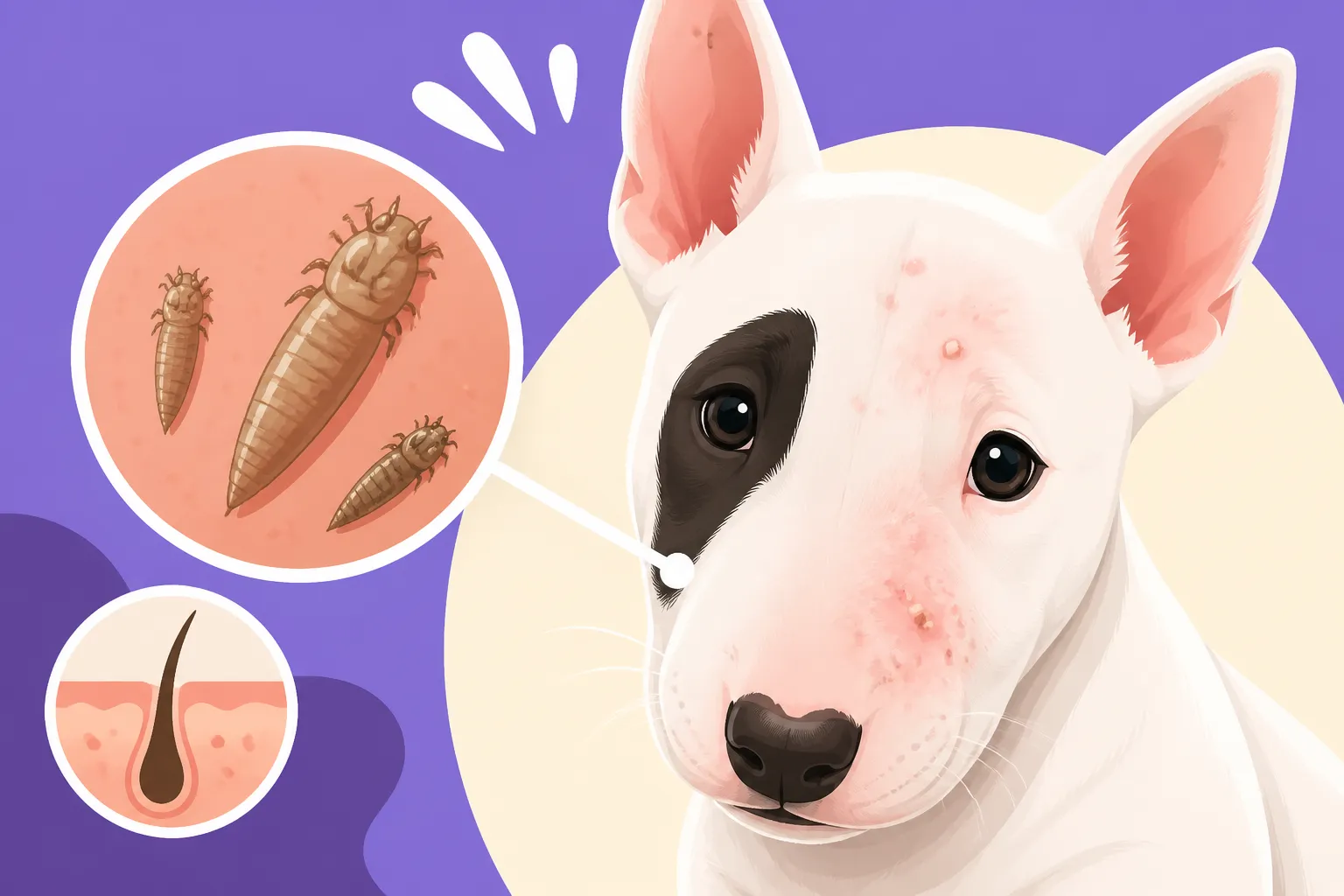
Demodex mange, often simply called demodex, is caused by microscopic mites called Demodex canis. Now, here’s the crucial part that often surprises people: these mites are actually a normal, resident part of almost every dog's skin flora. They live harmlessly within the hair follicles and sebaceous glands of most healthy dogs, never causing a single issue. Think of them like the good bacteria in your gut – present, usually beneficial, and only a problem if they get out of balance.
The issue, or "mange," arises when these mites proliferate out of control, usually due to an underlying compromise in the dog's immune system. Instead of a balanced population, you end up with an overgrowth. This overgrowth leads to the classic symptoms: patches of hair loss, redness, and sometimes scaling or crusting of the skin. It’s important to distinguish demodectic mange from other skin conditions like sarcoptic mange (scabies), which is intensely itchy and highly contagious. Demodex, on the other hand, is generally not itchy unless there's a secondary bacterial infection, and it is not contagious to other dogs or humans. You won't "catch" it from your puppy, nor will your other pets get it from them.
In Bull Terrier puppies, Demodex often manifests as small, localized patches of hair loss, typically around the eyes, muzzle, and on the front legs. The skin beneath the missing fur might look a bit red or scaly, but usually isn't inflamed or sore. The reason it appears on these specific areas is often just where the mite population naturally thrives or where the immune system response is less robust.
Why Bull Terriers Are More Prone to Demodex
While Demodex canis mites are ubiquitous, certain breeds, including our wonderfully unique Bull Terriers, do seem to have a genetic predisposition to developing demodectic mange. It's not a sign of poor hygiene or a dirty environment; it's more about how their individual immune system interacts with these ever-present mites. Other breeds like Bulldogs, Pugs, and some other Terrier types also frequently appear on the "more prone" list.
This predisposition often boils down to a slight, inherited defect or immaturity in the local or systemic immune response, particularly in the T-lymphocytes, which are crucial for fighting off parasites and fungal infections. In young puppies, whose immune systems are still developing, this vulnerability can become apparent. This is why you often hear of "puppy demodex" or "juvenile onset demodex." Their immune system simply hasn't fully geared up to keep the mite population in check yet.
Stress and environmental factors can also play a role in exacerbating a latent predisposition. Things like the stress of moving to a new home, undergoing vaccinations, or even a period of rapid growth can temporarily suppress a puppy's developing immune system, creating an opportunity for the Demodex mites to multiply. For many Bull Terrier puppies, especially those with localized cases, they simply outgrow the condition as their immune system matures and strengthens. However, more widespread or recurrent cases might point to a stronger genetic component, which is something responsible breeders consider when evaluating What a Bull Terrier Breeder Should Have Tested.
The Immune System Link in Young Bull Terriers
The journey of a Bull Terrier puppy, from the comfort of its littermates to its new forever home, is full of exciting firsts, but also potential stressors. Understanding how these experiences, coupled with their still-developing bodies, can impact their immune system is key to grasping why Demodex might rear its head.
Immature Immune Systems and Stress Factors
Imagine being a tiny Bull Terrier puppy, suddenly removed from everything familiar—your mom, your siblings, the smells and sounds you've known since birth. That alone is a massive life change, and it's perfectly normal for a puppy to experience a degree of stress during this transition. This period often coincides with a flurry of vet visits for initial vaccinations and deworming treatments, all of which are absolutely vital for their health but can also place a temporary strain on their young, still-developing immune system.
A puppy's immune system, much like a human baby's, isn't fully robust from day one. It's constantly learning and building its defenses. During periods of stress, such as adapting to a new environment, new diet, new routines, or even the temporary immune suppression that can occur after vaccinations, the delicate balance that keeps Demodex canis mites in check can be disrupted. These mites, which live peacefully on the skin of most dogs, seize the opportunity to multiply when the immune system isn't running at peak performance.
Furthermore, rapid growth spurts demand a lot of energy and resources from a puppy’s body, which can also momentarily divert immune resources. While this isn't to say vaccinations or moving are bad – they are essential rites of passage – it helps us understand the context in which demodex often appears. It's usually a confluence of these normal, unavoidable puppyhood experiences interacting with an inherently less mature immune response. This makes sense when considering Whether Demodex Means a Bull Terrier's Immunity Is Weak – in most puppy cases, it's a temporary dip rather than a chronic, debilitating weakness.
Genetic Predisposition and Heritability
Beyond the general immaturity of a puppy's immune system, there's a significant genetic component to why some Bull Terriers develop Demodex and others don't. While localized demodex in a puppy (a few small spots) is often considered a minor blip that resolves itself, generalized demodex (more widespread lesions, sometimes covering large areas of the body) is strongly believed to have a hereditary basis.
This means that certain Bull Terrier lines might carry genes that make them more susceptible to an overgrowth of Demodex mites if their immune system is challenged. It’s not that the parents have demodex, but rather that they pass on a genetic predisposition to a less effective immune response against these specific mites. Responsible breeders are keenly aware of this. A good breeder will typically know the health history of their breeding stock and their puppies' lineages. If a particular pairing consistently produces puppies with generalized demodex, those dogs should be removed from the breeding program.
While there isn't a specific DNA test for demodex susceptibility itself, the prevalence of generalized demodex within a line serves as a strong indicator. It's a key reason why vetting your breeder and asking about health guarantees and the history of skin issues in their dogs is so important. This also ties into the broader topic of Which Health Tests a Bull Terrier Breeder Should Run, as a commitment to health extends beyond just DNA tests to observable conditions like recurring skin problems in offspring.
Identifying and Managing Demodex in Your Bull Terrier Puppy
Spotting something unusual on your puppy’s skin can be alarming, but knowing what to look for and how to act can make all the difference. Early identification and a visit to your vet are crucial for confirming a diagnosis and setting your Bull Terrier puppy on the path to recovery.
Recognizing the Signs and Getting a Diagnosis
Demodectic mange often presents in a rather distinct way on a Bull Terrier puppy. You'll typically notice small, circular patches of hair loss, almost like someone took a tiny cookie cutter to their coat. These bald spots are most commonly found around the eyes, creating a "spectacled" appearance, on the muzzle, across the forehead, or on the front legs and paws. The skin within these patches might appear slightly reddened, scaly, or sometimes a bit crusty.
One of the key characteristics that helps distinguish demodex from other skin conditions is the lack of intense itchiness, especially in localized cases. Unlike flea allergies or sarcoptic mange which cause relentless scratching, a Bull Terrier puppy with demodex might not seem bothered at all, aside from the visible hair loss. This lack of itching can sometimes cause owners to delay seeking vet attention, mistaking it for a minor rub or scrape. However, if a secondary bacterial infection sets in (which can happen if the skin barrier is compromised), then the area can become itchy, inflamed, and even pustular. The skin may also thicken and darken over time in more chronic, untreated cases.
As soon as you notice these signs, it's really important to get your puppy to the vet. Don't try to self-diagnose or treat with over-the-counter remedies, as you could delay appropriate care or even worsen the condition. Your veterinarian will typically perform a simple, quick, and non-invasive procedure called a deep skin scrape. This involves gently scraping the surface of the affected skin with a blade (often moistened with mineral oil) to collect skin cells and mites, which are then examined under a microscope. This method is usually definitive for diagnosing demodectic mange. In more unusual or persistent cases, a skin biopsy might be recommended, but this is far less common for typical puppy demodex.
Treatment Options and Long-Term Outlook
Once your Bull Terrier puppy has a confirmed diagnosis of demodectic mange, your vet will discuss the appropriate treatment plan. The approach depends largely on whether the mange is localized (a few small patches) or generalized (widespread lesions or involving entire body regions).
For localized demodex, many cases in puppies will actually resolve on their own as their immune system matures. Your vet might suggest a watchful waiting approach or prescribe topical treatments such as medicated shampoos containing benzoyl peroxide to help flush out follicles, or gels to apply directly to the affected areas. Products like good old Mite Avenge, while not a brand, represent the kind of specific medicated wash that might be recommended. The goal here is to support the skin and prevent secondary infections while the puppy's body learns to manage the mites itself.
For generalized demodex, systemic treatment is usually necessary. Thankfully, modern veterinary medicine offers highly effective and safe options. Oral medications belonging to the isoxazoline class, such as Bravecto, NexGard, Simparica, or Credelio, have revolutionized demodex treatment. These are typically given as a chewable tablet and work by targeting the mites throughout the body. They have largely replaced older, more toxic treatments like dips, making the process much safer and easier for both the dog and the owner. If secondary bacterial infections are present – and they often are with generalized cases – a course of antibiotics will also be prescribed. For more detailed information on treating this, you might find How Demodex on a Bull Terrier Is Treated helpful.
The long-term outlook for Bull Terrier puppies with demodex is overwhelmingly positive, especially with prompt and correct treatment. Most puppies, even those with generalized forms, make a full recovery and go on to live normal, healthy lives. The key is consistent follow-up, which often involves repeat skin scrapes with your vet every few weeks to ensure the mite population is under control. It's important to remember that since Demodex canis mites are natural inhabitants of a dog's skin, the goal isn't to eradicate them completely, but rather to bring their population back to a harmless level and support the immune system in maintaining that balance. Regular overall care and vigilance about their skin, as discussed in A Bull Terrier's Skin Is Its Weakest Point, will always be beneficial.
Proactive Care and Prevention for Bull Terrier Skin Health
While a genetic predisposition plays a role in demodex, there's a lot you can do as an owner to support your Bull Terrier puppy's overall health and, in turn, their skin's resilience. Thinking proactively can minimize the chances of issues and help them recover faster if problems arise.
Supporting Your Puppy's Overall Health
A strong, healthy immune system is your Bull Terrier puppy's best defense against a host of issues, including an overgrowth of Demodex mites. This starts with foundational care:
- High-Quality Diet: Fueling your growing Bull Terrier with a premium, nutritionally balanced diet is paramount. Good nutrition provides the building blocks for a robust immune system and healthy skin and coat. Look for diets rich in omega-3 fatty acids, which can support skin barrier function.
- Stress Management: Creating a stable, predictable, and low-stress environment is incredibly beneficial for a puppy's developing immune system. This means consistent routines, plenty of appropriate exercise (without overdoing it for their age), ample mental stimulation through toys and training, and positive socialization experiences. A well-adjusted, confident puppy is often a healthier puppy.
- Regular Vet Check-ups: Sticking to your regular veterinary schedule is crucial for early detection of any health concerns. Your vet can monitor your puppy's growth, identify any subtle skin changes, and ensure they are up-to-date on vaccinations and parasite prevention. This proactive approach helps manage their general health, including things like ensuring they get The Yearly Urine Test Every Bull Terrier Owner Should Book to monitor overall systemic health.
- Parasite Prevention: Staying on top of internal and external parasite prevention (fleas, ticks, intestinal worms) reduces the overall burden on your puppy's immune system, allowing it to focus its resources on other challenges.
- Good Hygiene: While you don't want to over-bathe and strip natural oils, occasional bathing with a gentle, appropriate shampoo can help maintain skin health. If your vet has recommended a specific medicated shampoo for a skin concern, follow those instructions diligently. If you're wondering Which Shampoo Suits a Bull Terrier's Skin, consult your vet for breed-specific and condition-specific advice.
By focusing on these pillars of care, you're not just preventing demodex, you're investing in What Care a Bull Terrier Needs Its Whole Life.
The Role of Responsible Breeding and Health Guarantees
When you’re looking for a Bull Terrier puppy, the breeder you choose is incredibly important. A responsible breeder goes above and beyond, not just in raising healthy puppies but also in being transparent about the health history of their breeding lines. They understand the genetic predispositions of the breed, including potential issues with generalized demodex.
A reputable breeder will never intentionally breed a dog that has suffered from generalized demodex, as it's an inheritable condition. They should be open to discussing any instances of demodex in their puppies or adult dogs, distinguishing between isolated, mild puppy cases and recurrent, generalized forms. They often offer health guarantees, which can provide peace of mind regarding congenital health conditions. While demodex might not always be explicitly covered in the same way as, say, heart conditions, a comprehensive guarantee often reflects the breeder's commitment to health. When considering What a Bull Terrier Costs to Buy in 2026, remember that a higher price often reflects the extensive health testing and careful breeding practices that minimize such health risks.
Furthermore, thinking about pet insurance from companies like Healthy Paws when your Bull Terrier is still a puppy can be a wise decision. While congenital conditions might have waiting periods or exclusions, having insurance in place before any major issues arise means you're covered for unexpected illnesses or accidents. If your puppy were to develop generalized demodex requiring ongoing medication or specialist visits, pet insurance could significantly ease the financial burden. This proactive step aligns with the idea of Insuring a Bull Terrier Against What It Actually Gets, ensuring you're prepared for whatever health challenges might unexpectedly arise throughout their life.
| Feature | Localized Demodectic Mange | Generalized Demodectic Mange |
|---|---|---|
| Appearance | 1-5 distinct small patches of hair loss | Multiple patches, larger areas, or entire body regions |
| Common Locations | Face (around eyes, mouth), front legs, paws | Head, body, legs, sometimes paws (pododermatitis) |
| Severity | Mild, often self-limiting | More severe, often requiring systemic treatment |
| Itchiness | Usually minimal or absent | Can be present, especially with secondary infections |
| Underlying Cause | Immature immune system, temporary stress | Genetic predisposition, more significant immune defect |
| Prognosis | Very good, most puppies recover fully | Good with modern treatment, but may recur or need long-term management |
| Contagious? | No | No |
Disclaimer
The information provided in this article is for general informational purposes only and is not a substitute for professional veterinary advice. Always consult with a qualified veterinarian for any health concerns or before making any decisions related to your pet's health and treatment.