Whether a Bull Terrier’s UPC Can Rise and Fall
Worrying about your Bull Terrier's kidney health is an incredibly stressful experience, especially when you're trying to make sense of complex veterinary tests. One of the most common and often confusing indicators veterinarians monitor is the Urine Protein Creatinine (UPC) ratio, and it’s natural to feel a knot in your stomach when those numbers don't seem to follow a straight path. This guide is here to shed light on why your Bull Terrier's UPC score can indeed rise and fall, what those fluctuations might mean, and how you can better understand and manage this critical aspect of their well-being.
Understanding Your Bull Terrier's UPC Ratio
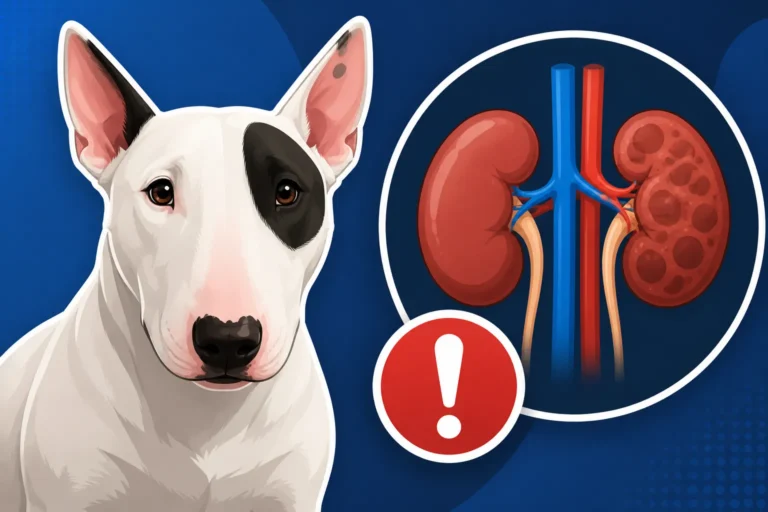
When your vet mentions "UPC," they're talking about a urine test that helps them evaluate how well your Bull Terrier's kidneys are filtering waste products. Protein in the urine, particularly in consistent amounts, is a red flag for kidney disease. For Bull Terrier owners, this test is especially important because our beloved breed is predisposed to conditions like Hereditary Nephritis Takes Bull Terriers in Their Prime and Polycystic Kidney Disease in a Bull Terrier, both of which can lead to kidney issues.
What the UPC Ratio Measures
The Urine Protein Creatinine ratio is essentially a comparison. It measures the amount of protein in your dog's urine against the amount of creatinine, a waste product that's always present in urine at a relatively stable rate. By comparing these two, your vet gets a normalized value that isn't overly influenced by how dilute or concentrated your Bull Terrier's urine sample might be at any given moment.
A low UPC ratio, typically below 0.2, is considered normal, indicating minimal or no protein loss through the kidneys. As that number climbs, say to between 0.2 and 0.5, it suggests a "borderline" or "mildly proteinuric" state. Anything above 0.5, and especially above 2.0, points to significant proteinuria, which means the kidneys are leaking an excessive amount of protein. This protein loss can eventually lead to kidney damage and, if unchecked, more severe stages of kidney disease. It’s crucial to understand What a UPC Ratio Tells a Bull Terrier Owner because it’s one of the earliest markers we have for potential kidney trouble.
Why Regular UPC Testing is Essential for Bull Terriers
Given the breed's genetic predispositions, regular UPC testing isn't just a good idea – it's a vital part of proactive health management. Early detection of proteinuria allows for earlier intervention, which can significantly slow the progression of kidney disease and improve your Bull Terrier's quality of life. Many breeders will screen their dogs, and responsible owners continue this practice throughout their dog's life.
Think of it like this: if you catch a small leak in your roof, it's a much easier and less costly fix than waiting until the entire ceiling collapses. The same principle applies to kidney disease. Regular monitoring, often yearly or even bi-annually for at-risk dogs or those showing borderline results, provides a timeline for your vet to see trends. This long-term view is far more informative than a single snapshot. Many owners find peace of mind, and financial protection, in pet insurance plans like those offered by Healthy Paws, which can help cover the costs of these critical screenings and any subsequent treatments.
Factors That Cause a Bull Terrier's UPC to Fluctuate
It's common for Bull Terrier owners to feel frustrated when their dog's UPC test results seem to bounce around. One month it's slightly elevated, the next it's back down, only to creep up again. This isn't always a sign of chaotic disease progression; several factors can influence the UPC ratio, causing it to rise or fall, sometimes temporarily.
Reasons for a Temporary Increase in UPC
A temporary spike in your Bull Terrier's UPC score doesn't necessarily mean irreversible kidney damage. There are several non-renal causes that can lead to an elevated reading:
- Urinary Tract Infections (UTIs): Inflammation and the presence of white blood cells or bacteria in the urine can introduce protein, artificially inflating the UPC ratio. Your vet will often recommend a urinalysis with culture alongside the UPC test to rule out infection.
- Inflammation or Fever: Systemic inflammation, like that from an acute illness, or even a fever, can increase protein excretion. Once the underlying issue is resolved, the UPC often returns to baseline.
- Dehydration: If your Bull Terrier is dehydrated, their urine will be more concentrated. While the UPC is designed to account for concentration, extreme dehydration can still sometimes influence the ratio, making it appear higher. Ensuring your dog has constant access to fresh water is always important.
- Strenuous Exercise or Stress: Believe it or not, a particularly vigorous play session or a highly stressful event right before a urine collection can sometimes cause a transient increase in protein in the urine. This is usually mild and temporary.
- Contamination: Improper collection of the urine sample can introduce protein. Free-catch samples, for example, can pick up protein from the genital tract or environmental debris. Your vet might recommend a cystocentesis (collecting urine directly from the bladder with a needle) for the most accurate results.
It's why a single elevated UPC result is rarely enough for a definitive diagnosis. Your vet will likely want to retest, possibly in conjunction with other diagnostics, to confirm a persistent issue.
Reasons for a Decrease or Stabilization in UPC
Conversely, seeing your Bull Terrier's UPC ratio decrease can be a huge relief. This can happen for several positive reasons:
- Successful Treatment of Underlying Conditions: If a UTI or other inflammatory condition was the cause of the elevated protein, successful treatment with antibiotics or anti-inflammatories will often bring the UPC back down to normal levels.
- Dietary Management: A veterinarian-prescribed renal diet is often a cornerstone of kidney disease management. These diets are typically lower in protein (but with high-quality protein), phosphorus, and sodium, and can significantly reduce the workload on the kidneys and decrease proteinuria. Following Which Diet a Bull Terrier With Kidney Disease Needs religiously can often lead to measurable improvements in UPC.
- Medication Intervention: Medications like ACE inhibitors (e.g., enalapril, benazepril) or angiotensin receptor blockers (ARBs) can help reduce protein loss through the kidneys by dilating blood vessels and lowering blood pressure within the kidney. Consistent administration of these medications can lead to a stable or even decreased UPC.
- Improved Hydration: If a previous high reading was partially due to dehydration, ensuring your Bull Terrier is well-hydrated can help normalize the urine concentration and, subsequently, the UPC ratio.
- Temporary Remission or Stability: Even in chronic kidney disease, there can be periods of stability or even slight improvement, especially in the earlier stages or with effective management. This doesn't mean the disease is gone, but it shows the current management plan is working.
It's important for you, as the owner, to work closely with your veterinarian to identify the cause of any fluctuations and adjust the management plan accordingly. Seeing a reduction in UPC is a great sign that interventions are making a difference, even if it's not a complete reversal.
Managing UPC Fluctuations and Kidney Health
Navigating a Bull Terrier's kidney health, especially when UPC numbers are dynamic, requires a thoughtful, consistent approach. It's not about panicking over every single data point, but rather understanding the overall trend and working hand-in-hand with your veterinary team.
The Importance of Trending Data
One-off UPC results can be misleading. A single high reading might be due to a temporary factor like a UTI or even stress from the vet visit itself. Similarly, a single low reading might just be a lucky day. What truly matters is the trend of the UPC ratio over time.
Your vet will typically recommend repeat UPC tests, often several weeks apart, to get a clearer picture. For example, if your Bull Terrier had an elevated UPC of 0.7, your vet might treat for a potential UTI and then retest in two to four weeks. If the UPC drops to 0.3, it suggests the infection was a primary contributing factor. If, however, it remains consistently high or continues to climb over multiple tests, that's when more aggressive diagnostics and management strategies for kidney disease will be considered. Keeping a detailed record of all test results and any concurrent treatments or observations at home can be incredibly helpful for your vet. This allows them to see patterns and make informed decisions about how to manage your Bull Terrier's health, rather than reacting to isolated numbers.
When to Intervene and How
Once a persistent elevation in UPC is confirmed, typically above 0.5, intervention usually begins. The primary goals are to reduce protein loss, slow disease progression, and maintain your dog's quality of life.
Here's a common approach:
- Dietary Modification: This is often the first and most impactful step. A veterinarian-prescribed renal diet, lower in protein, phosphorus, and sodium, can make a huge difference. Brands like Royal Canin Renal Support, Hill's Prescription Diet k/d, or Purina Pro Plan Veterinary Diets NF Kidney Function are frequently recommended. These diets are carefully balanced to reduce the kidneys' workload while still providing adequate nutrition.
- Medication:
- ACE Inhibitors/ARBs: As mentioned, these medications (like enalapril or telmisartan) help reduce protein loss and manage blood pressure, which is often elevated in kidney disease.
- Blood Pressure Management: If hypertension is present, other medications might be added to control it, as high blood pressure further damages the kidneys.
- Phosphorus Binders: As kidney disease progresses, phosphorus levels in the blood can rise. Binders given with meals prevent phosphorus absorption from the diet.
- Anti-nausea/Appetite Stimulants: Bull Terriers with advanced kidney disease can feel unwell and lose their appetite. These medications help them feel better and eat.
- Hydration: Encouraging water intake is paramount. This might involve adding water to food, offering multiple water bowls, or using a pet fountain. In more advanced cases, subcutaneous fluids might be administered at home to support kidney function.
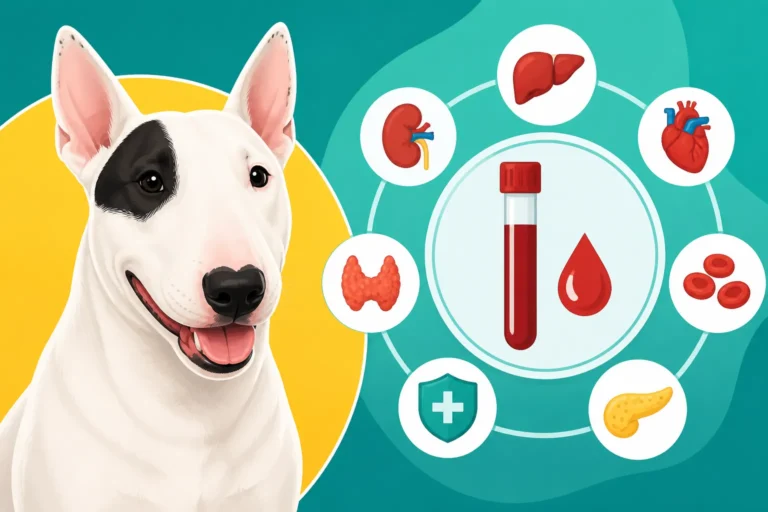
- Regular Monitoring: Ongoing UPC testing, along with blood work (to check kidney values like BUN, creatinine, and phosphorus) and blood pressure checks, will be scheduled frequently to monitor the effectiveness of the treatment plan and adjust as needed. Knowing How Often a Bull Terrier's Urine Should Be Tested is key to staying ahead.
Each Bull Terrier is an individual, and the treatment plan will be tailored to their specific needs and how they respond. It's a journey, not a sprint, and patience and consistency are your best allies.
Table: Common Factors Affecting Bull Terrier UPC Ratios
| Factor | Effect on UPC Ratio | Explanation |
|---|---|---|
| Urinary Tract Infection | Increase (Temporary) | Inflammation and bacteria introduce protein to the urine. |
| Systemic Inflammation/Fever | Increase (Temporary) | Body-wide inflammation or elevated temperature can cause transient protein leakage. |
| Dehydration | Increase (Can be misleading) | Concentrated urine can sometimes lead to a disproportionately higher UPC reading. |
| Strenuous Exercise/Stress | Slight Increase (Temporary) | Intense physical activity or psychological stress right before collection can mildly elevate protein levels. |
| Kidney Disease Progression | Consistent Increase (Persistent) | Worsening kidney damage leads to the consistent leakage of protein into the urine. |
| Effective Renal Diet | Decrease/Stabilize (Over time) | Specialized diets reduce the workload on kidneys, leading to less protein loss. |
| ACE Inhibitors/ARBs | Decrease/Stabilize (Over time) | Medications help reduce protein filtration and manage blood pressure within the kidneys. |
| Adequate Hydration | Normalize (If previous cause was dehydration) | Proper hydration helps dilute urine and can correct falsely elevated UPC readings. |
| Successful Treatment of UTIs | Decrease (Post-treatment) | Eliminating the infection removes the source of inflammation and protein from the urinary tract. |
Living with a Bull Terrier on a Kidney Journey
Having a Bull Terrier with kidney issues is a significant commitment, both emotionally and financially. It's completely normal to feel overwhelmed, but remember you're not alone, and there's a lot you can do to support your beloved companion.
The Emotional Toll on Owners
Let's be real: this can be incredibly tough. You're constantly monitoring, administering medications, managing special diets, and often dealing with the anxiety of impending vet visits and test results. It’s hard not to feel guilty, wondering if you could have done something differently, or if your dog is in pain. Bull Terriers are masters at hiding pain, so you're often looking for subtle cues.
It’s crucial to acknowledge these feelings. Talk to your vet, reach out to online Bull Terrier communities, or connect with friends and family who understand. Your emotional well-being matters just as much as your dog's, because you are their advocate and caregiver. Celebrating small victories, like a stable UPC score or a day where they have great energy, can help lift your spirits.
Practical Tips for Daily Management
Keeping your Bull Terrier comfortable and managing their kidney health daily is a concerted effort.
- Consistency is Key: Stick to the prescribed diet and medication schedule rigorously. Bull Terriers can be famously stubborn, but consistency is vital for their health.
- Encourage Drinking: Keep multiple water bowls around the house, offering fresh, clean water frequently. Some Bull Terriers might enjoy a pet fountain. Wet food or adding a bit of water to their kibble can also increase fluid intake.
- Monitor Appetite and Energy: These are crucial indicators of how your Bull Terrier is feeling. A sudden drop in appetite, lethargy, or increased thirst and urination are signs that warrant a call to your vet. You might observe Signs a Bull Terrier Is Drinking More Than It Used To.
- Regular Vet Visits: Don't skip those follow-up appointments. Regular bloodwork and urine tests are essential to track progress and make necessary adjustments to the treatment plan. Your vet will advise you on How Often an Aging Bull Terrier's Kidneys Should Be Checked if they are an older dog.
- Observe Behavior: Notice any changes in urination habits (frequency, volume, accidents). Also, pay attention to their coat quality and overall demeanor. Early detection of any new symptoms can lead to quicker intervention.
- Consider Pet Insurance: The costs associated with managing chronic kidney disease can be substantial. Comprehensive pet insurance, especially from providers like Healthy Paws, can significantly ease the financial burden, allowing you to focus on your Bull Terrier's care without added stress. It's worth looking into Whether Insurance Covers Bull Terrier Kidney Disease before problems arise.
Living with a Bull Terrier on a kidney journey means being extra vigilant and incredibly patient. While it’s challenging, the bond you share and the extra years of love you can give them make every effort worthwhile. Remember, even with a fluctuating UPC, consistent and informed care can help your Bull Terrier live a full and happy life for as long as possible.
Disclaimer
This article is for general informational purposes only and does not constitute professional advice. Laws, prices and regulations vary by location and change over time. Consult a qualified professional for guidance on your specific situation.