What Mitral Valve Dysplasia Does to a Bull Terrier
It’s absolutely terrifying to hear your vet mention a heart condition in your beloved Bull Terrier. The words alone can send a chill down your spine, especially when they start talking about something as complex as "mitral valve dysplasia." You might feel a knot in your stomach, wondering what this means for your goofy, egg-headed companion, and what kind of life they'll have. This guide is here to unravel the complexities of mitral valve dysplasia in Bull Terriers, helping you understand what it is, how it's diagnosed, what symptoms to look for, and how to best manage this challenging condition.
Understanding Mitral Valve Dysplasia in Bull Terriers
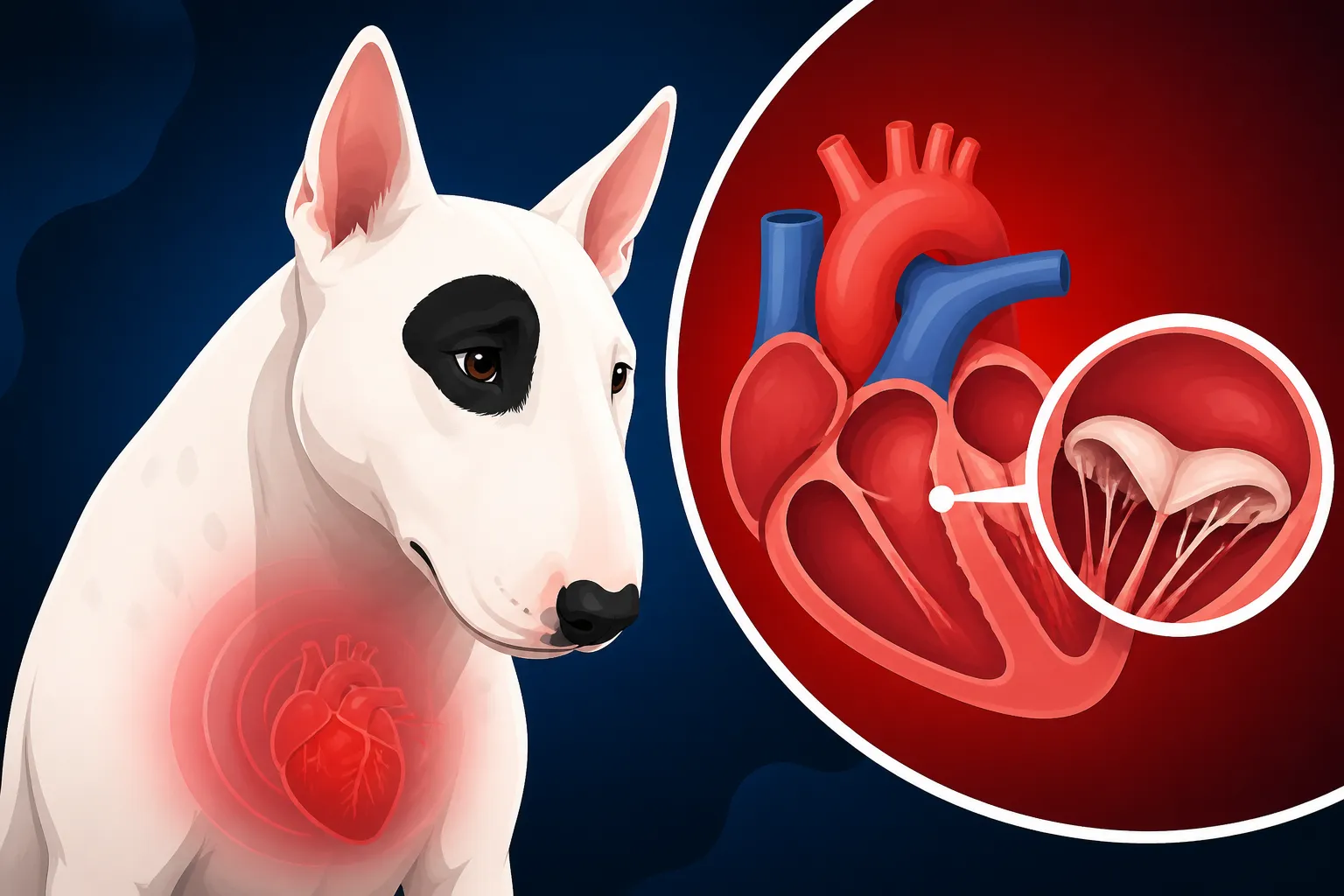
Mitral valve dysplasia (MVD) is a congenital heart defect, meaning your Bull Terrier is born with it. It’s not something they develop later in life due to diet or exercise, although those factors can influence its progression. In simple terms, the mitral valve, located between the left atrium and the left ventricle of the heart, doesn't form correctly. This valve is supposed to act like a one-way door, opening to let blood flow from the atrium to the ventricle, and then snapping shut tightly to prevent blood from flowing backward when the ventricle contracts to pump blood to the rest of the body. When that door doesn't close properly, we have a problem.
The Mitral Valve and Its Role in Heart Function
Imagine your Bull Terrier's heart as a beautifully orchestrated pumping station. Blood, having picked up oxygen from the lungs, enters the left atrium. From there, it passes through the mitral valve into the left ventricle, which is the heart's main powerhouse for pumping blood out to the entire body. When the left ventricle contracts forcefully to send that oxygen-rich blood through the aorta, the mitral valve is supposed to seal shut, preventing any blood from regurgitating, or leaking backward, into the left atrium. This ensures that every pump is efficient, sending a full, strong pulse of blood where it's needed most. It’s a critical component of ensuring your dog's body gets the oxygen and nutrients it requires.
When a Bull Terrier has mitral valve dysplasia, this crucial valve is malformed. It might be too thick, too short, or its leaflets might not meet correctly. The tendons that anchor the valve might be abnormal, or the muscle that supports it could be underdeveloped. Because of these structural issues, the valve can't close completely. This means that with every beat of the left ventricle, a portion of the blood it's trying to pump forward leaks backward into the left atrium. This backflow is called mitral regurgitation. This inefficiency puts extra strain on the heart, forcing it to work harder to maintain adequate blood circulation. Over time, this added workload can lead to the heart enlarging and eventually failing.
Why Bull Terriers Are Prone to Mitral Valve Dysplasia
It’s a sad reality that some breeds are simply more predisposed to certain genetic conditions, and Bull Terriers, along with their Miniature Bull Terrier cousins, are unfortunately one of those breeds when it comes to MVD. While MVD can occur in any breed, or even mixed-breed dogs, it's considered a significant concern within the Bull Terrier community due to its prevalence. This suggests a strong genetic component, meaning it’s often passed down through generations. Reputable breeders are keenly aware of this and strive to screen their breeding stock to minimize the risk, but the gene pool can be stubborn.
The exact genetic markers that predispose Bull Terriers to MVD are still an area of ongoing research, but the consistent appearance of this condition in the breed underscores the importance of thorough health testing. It's not just about getting a cute puppy; it's about ensuring you're bringing home a dog with the best possible genetic start in life. This is why discussions around What a Bull Terrier Breeder Should Have Tested are so vital. When considering a Bull Terrier puppy, understanding the health history of both parents, especially regarding cardiac health, is absolutely paramount to avoiding heartbreaking surprises down the line.
Recognizing the Signs and Symptoms of MVD
Catching heart conditions early can make a significant difference in your Bull Terrier's quality of life and longevity. However, MVD can be tricky because early signs might be subtle, or even non-existent, especially in energetic young Bull Terriers who are masters at masking discomfort. Often, the first indicator might be a heart murmur picked up during a routine veterinary check-up. As the condition progresses and the heart's ability to pump blood efficiently diminishes, more noticeable symptoms will begin to emerge.
Early Indicators and How They Progress
Initially, your Bull Terrier might not show any outward signs that something is amiss. This is why regular veterinary check-ups are so crucial. Your vet might detect a heart murmur during an annual physical exam, often before you notice any symptoms at all. A heart murmur is essentially an abnormal sound heard through a stethoscope, caused by turbulent blood flow, which in the case of MVD, is the blood leaking backward through the faulty mitral valve. If your vet mentions The Heart Murmur a Bull Terrier Puppy Should Be Checked For, it's important to take it seriously and follow up with specialist advice.
As the condition progresses, the inefficiency of the heart begins to take its toll. The heart tries to compensate by enlarging to pump more blood, but this can only go on for so long. Eventually, your Bull Terrier might start to show subtle changes:
- Reduced exercise tolerance: They might tire more easily during walks or playtime, lagging behind when they used to zoom ahead. That characteristic Bull Terrier enthusiasm might wane sooner than expected.
- Increased sleeping or lethargy: A Bull Terrier loves a good nap, but if they're sleeping significantly more, or seem constantly low on energy, it's a red flag.
- Occasional coughing, especially at night or when resting: This isn't just a kennel cough. Heart-related coughs are often dry and can be a sign of fluid buildup in the lungs, a symptom of congestive heart failure.
- Slight decrease in appetite: They might be less enthusiastic about meal times, or eat smaller portions.
These early signs can be easily dismissed as "just getting older" or "a bit lazy today," which is why being vigilant and communicating any changes, no matter how small, to your veterinarian is so important.
Advanced Symptoms Leading to Congestive Heart Failure
Without intervention, MVD will unfortunately progress, leading to a state known as congestive heart failure (CHF). This is when the heart can no longer pump enough blood to meet the body's demands, and fluid starts to back up in various parts of the body. The symptoms at this stage become much more pronounced and distressing:
- Persistent coughing and difficulty breathing (dyspnea): The fluid in the lungs (pulmonary edema) makes it hard to breathe, leading to rapid, shallow breaths, or even gasping. You might notice their abdomen heaving with effort.
- Abdominal distension (ascites): Fluid can accumulate in the abdomen, making your Bull Terrier's belly appear swollen and uncomfortable.
- Fainting or collapsing spells: Due to inadequate blood flow to the brain, your Bull Terrier might suddenly faint, especially during excitement or exercise. This is an emergency.
- Pale or bluish gums: This indicates a lack of oxygen reaching the tissues, a very serious sign.
- Significant weight loss (cardiac cachexia): Despite eating, dogs with advanced heart failure often lose muscle mass and appear wasted due to the metabolic demands of the failing heart.
- Restlessness, especially at night: They might struggle to find a comfortable position to breathe.
If you observe any of these advanced symptoms, it's critical to seek immediate veterinary attention. These signs indicate a severe decline in heart function and require urgent medical management. The sooner you get help, the better chance your Bull Terrier has of being stabilized.
Diagnosing Mitral Valve Dysplasia
When your vet first hears a murmur, or if you bring your Bull Terrier in with concerning symptoms, they'll embark on a diagnostic journey to pinpoint the problem. It's not enough to just know there's a murmur; understanding its cause, severity, and impact on heart function is key to forming a treatment plan. This process typically involves a combination of physical exams, specialized imaging, and sometimes blood tests.
The Initial Vet Visit and Physical Examination
During the initial vet visit, your veterinarian will conduct a thorough physical examination. They’ll listen carefully to your Bull Terrier's heart and lungs using a stethoscope, paying close attention to the location, intensity, and timing of any heart murmur. They'll grade the murmur (typically on a scale of I to VI), which gives an indication of its loudness, but not necessarily its severity. A grade VI murmur is often palpable, meaning you can feel the vibration through the chest wall, while a grade I is very faint. The vet will also check your Bull Terrier's pulse, gum color, capillary refill time, and listen for abnormal lung sounds that could indicate fluid buildup.
They’ll discuss your Bull Terrier's medical history, asking about any changes you've observed in their energy levels, breathing, appetite, or behavior. This is your opportunity to share all those little details you've been noticing. Based on their findings, if a heart condition is suspected, they will likely recommend further diagnostic tests to get a clearer picture of what's happening inside your Bull Terrier's chest. This initial consultation is crucial for setting the stage for more specialized evaluations.
Specialized Cardiac Diagnostics
To accurately diagnose MVD and assess its severity, your vet will usually recommend specific cardiac tests, often performed by a veterinary cardiologist – a specialist in animal heart disease.
- Echocardiogram: This is arguably the most important diagnostic tool for MVD. An echocardiogram is essentially an ultrasound of the heart. It provides real-time images of the heart's structure, allowing the cardiologist to visualize the mitral valve directly. They can see if the valve leaflets are thickened, shortened, or if their movement is abnormal. They can also measure the size of the heart chambers, assess the heart muscle's function, and quantify the amount of blood leaking backward through the valve (mitral regurgitation). This test will tell you When a Bull Terrier Should Have an Echocardiogram. It's non-invasive and provides a wealth of information about your Bull Terrier's heart health.
- Chest X-rays: These images help assess the size and shape of the heart and check for fluid accumulation in or around the lungs (pulmonary edema or pleural effusion), which are signs of congestive heart failure. They can confirm if the heart is enlarged (cardiomegaly).
- Electrocardiogram (ECG): An ECG records the electrical activity of the heart. While it doesn't directly diagnose MVD, it can detect abnormal heart rhythms (arrhythmias) that might occur secondary to heart disease, or identify heart enlargement patterns.
- Blood Pressure Measurement: High blood pressure can exacerbate heart disease, so it's often monitored.
- Blood Tests: While not directly for MVD, blood tests can assess overall organ function, especially kidney function (which can be affected by heart disease and certain medications) and identify specific cardiac biomarkers (like NT-proBNP), which can indicate heart stretch and stress.
Understanding these tests and their results is vital. Don't hesitate to ask your cardiologist to explain everything in detail. Navigating these costs can be daunting, but pet insurance providers like Healthy Paws can be invaluable in covering these specialized diagnostic procedures, making sure your Bull Terrier gets the best care without undue financial strain.
Managing Life with MVD
Receiving a diagnosis of mitral valve dysplasia can feel overwhelming, but it's important to remember that it's a condition that can often be managed, sometimes for many years, with proper care. The goal of management is to slow the progression of the disease, alleviate symptoms, and maintain your Bull Terrier's quality of life. This usually involves a combination of medication, lifestyle adjustments, and close monitoring.
Medical Treatments and Medications
Once MVD is diagnosed, especially if it's progressing or showing symptoms, your veterinary cardiologist will likely prescribe a regimen of medications. These aren't curative, but they are essential for managing the symptoms and trying to slow the disease's advancement.
- Diuretics (e.g., Furosemide): These medications help remove excess fluid from the body, particularly from the lungs and abdomen, which significantly improves breathing and comfort for Bull Terriers with congestive heart failure.
- ACE Inhibitors (e.g., Enalapril, Benazepril): These drugs help relax blood vessels, reducing the workload on the heart and improving blood flow. They also help to prevent or reduce heart remodeling, which is the adverse structural changes the heart undergoes as the disease progresses.
- Pimobendan (Vetmedin): This medication is often a cornerstone of MVD treatment. It has a dual action: it improves the heart muscle's ability to contract (positive inotrope) and dilates blood vessels (vasodilator), thereby helping the heart pump blood more efficiently and reducing the overall strain on the failing heart. Studies have shown Pimobendan can significantly extend the lives of dogs with MVD.
- Spironolactone: Often used in conjunction with other diuretics, spironolactone is a potassium-sparing diuretic that helps manage fluid retention and can have anti-fibrotic effects on the heart.
- Beta-blockers (e.g., Atenolol): While less commonly used in the early stages of MVD, these might be prescribed if certain arrhythmias are present or to help slow heart rate and reduce the heart's oxygen demand in specific situations.
The specific combination and dosage of these medications will be tailored to your Bull Terrier's individual needs, stage of disease, and how they respond to treatment. It's vital to administer all medications exactly as prescribed and never to stop or change them without consulting your vet. The ongoing costs of these medications are a reality of living with MVD, and this is where a good pet insurance plan like Healthy Paws can really make a difference, helping to ease the financial burden of chronic care.
Lifestyle Adjustments and Dietary Considerations
Managing MVD isn't just about medication; it's also about making smart lifestyle choices to support your Bull Terrier's heart health.
- Exercise Restriction: While Bull Terriers are known for their boundless energy, those with MVD, especially if symptomatic, will need their exercise carefully managed. Strenuous activity can put excessive strain on an already compromised heart. Short, gentle walks are generally better than intense play sessions or long runs. Monitor your Bull Terrier closely for any signs of fatigue or breathlessness during exercise. The goal is to keep them active but not overexerted.
- Dietary Changes: Your vet or cardiologist may recommend a diet that is lower in sodium to help manage fluid retention. Commercial prescription cardiac diets are available (e.g., Hill's Prescription Diet h/d, Royal Canin Veterinary Diet Cardiac) and are formulated with controlled sodium levels and other nutrients to support heart health. Discuss with your vet before making any drastic dietary changes. It's critical to ensure they are getting adequate nutrition without overburdening their heart.
- Weight Management: Keeping your Bull Terrier at a healthy weight is paramount. Obesity puts extra strain on the heart, making MVD worse. If your Bull Terrier is overweight, your vet will help you devise a safe weight loss plan.
- Stress Reduction: Stress can elevate heart rate and blood pressure. While Bull Terriers are generally laid-back indoors, managing any sources of anxiety can be beneficial. A calm home environment is always best.
- Environmental Considerations: Ensure your Bull Terrier has a cool, comfortable place to rest, especially in warmer weather, as overheating can worsen heart conditions.
These adjustments are not always easy, especially for an active breed, but they are crucial components of a holistic management plan designed to extend your Bull Terrier's comfortable lifespan.
Prognosis and Long-Term Care
Hearing about a congenital heart defect can be incredibly upsetting, and naturally, you'll want to know what the future holds. While mitral valve dysplasia is a serious condition, it's not an immediate death sentence. Many Bull Terriers with MVD can live fulfilling lives for years with diligent care and monitoring. The prognosis ultimately depends on the severity of the dysplasia, the stage at which it's diagnosed, and how well your Bull Terrier responds to treatment.
Life Expectancy and Quality of Life
The life expectancy for a Bull Terrier with MVD can vary significantly. For dogs diagnosed with a mild murmur but no clinical signs (Stage B1 or B2, according to veterinary cardiology guidelines), they might live a normal or near-normal lifespan, potentially without ever progressing to congestive heart failure. However, for those diagnosed later with moderate to severe MVD or who have already developed congestive heart failure (Stage C or D), the prognosis is generally guarded, and life expectancy is reduced. With aggressive medical management, many dogs in CHF can still have several months to a couple of years of good quality life.
The most important factor is maintaining your Bull Terrier's quality of life. This means ensuring they are comfortable, pain-free, and can still enjoy their favorite activities, albeit perhaps at a slower pace. Regular check-ups with your cardiologist, monitoring for symptoms, and adjusting medications as needed are crucial. It's a journey of balancing medical intervention with your dog's happiness. This ties into the broader topic of How Long a Bull Terrier Lives on Average, as MVD can unfortunately shorten that average significantly if not managed.
Regular Monitoring and When to Adjust Treatment
Living with MVD means committing to ongoing monitoring and being prepared to adjust treatment as the disease progresses. Your veterinary cardiologist will recommend a schedule for recheck appointments, which typically include:
- Physical Exams: To listen to the heart and lungs, assess overall condition, and check for any new symptoms.
- Echocardiograms: Periodically repeated to track changes in heart size, valve function, and to assess the effectiveness of medication. This helps the cardiologist determine if the disease is stable, progressing, or if treatment needs to be intensified.
- Chest X-rays: To monitor for fluid buildup in the lungs or changes in heart size.
- Blood Tests: To check kidney function (especially important with diuretic use) and electrolyte balance, and to monitor cardiac biomarkers.
- Blood Pressure Monitoring: To ensure blood pressure is within a healthy range, as certain heart medications can affect it.
You, as the owner, are the most important part of this monitoring team. You’ll be asked to keep a close eye on your Bull Terrier at home:
- Respiratory Rate Monitoring: Counting your dog's resting respiratory rate (breaths per minute) when they are calm and asleep at home is a powerful tool. An elevated resting rate (typically over 30 breaths per minute) can be an early indicator of fluid buildup in the lungs and warrants an immediate call to your vet.
- Appetite and Energy Levels: Any significant changes should be noted.
- Coughing or Fainting: Report these immediately.
These regular assessments and your vigilant observations will guide your vet in adjusting medications. For example, if your Bull Terrier starts to show signs of increased fluid retention, your vet might increase the dosage of diuretics. What a Bull Terrier's Cardiac Monitoring Costs a Year can be substantial, reinforcing the value of pet insurance or a dedicated savings fund for long-term health needs.
Considering End-of-Life Care
Eventually, for Bull Terriers with progressive MVD, there will come a time when even the most advanced treatments are no longer enough to maintain a good quality of life. This is perhaps the hardest part of being a pet owner. Recognizing when your Bull Terrier is suffering despite all efforts is a profound act of love. Discussions about end-of-life care, palliative care, and humane euthanasia become necessary. Your veterinary team will be there to support you through these incredibly difficult decisions, helping you assess your dog's comfort level and overall well-being. This painful reality is part of Caring for a Bull Terrier Past Eight, especially if they have chronic health issues like MVD. The goal is to ensure your beloved companion never suffers unnecessarily.
Prevention and Responsible Breeding Practices
While MVD is a congenital condition, meaning it’s present from birth, there are proactive steps that breeders and prospective owners can take to reduce its prevalence and impact on the Bull Terrier population. Responsible breeding is the cornerstone of preventing genetic diseases, and informed ownership is key to recognizing and managing conditions effectively.
The Role of Health Testing in Breeding Programs
For breeders, rigorous health testing is not just a recommendation; it's an ethical imperative. Because MVD has a strong genetic component in Bull Terriers, breeders have a responsibility to screen their breeding stock to avoid passing on the predisposition.
- Echocardiograms for Breeding Dogs: All Bull Terriers intended for breeding should undergo a thorough cardiac evaluation, specifically an echocardiogram, performed by a board-certified veterinary cardiologist. This is the only way to accurately assess the structural integrity and function of the heart valves, including the mitral valve. A simple stethoscope auscultation, while helpful for detecting murmurs, isn't enough to clear a dog for breeding from an MVD perspective. Dogs with any signs of MVD should be removed from breeding programs.
- Pedigree Research: Responsible breeders delve deep into pedigrees, looking for instances of MVD or sudden cardiac deaths in ancestral lines. This historical data, combined with current testing, provides the most comprehensive picture.
These health checks help ensure that future generations of Bull Terriers have a better chance at living long, healthy lives, free from the burden of congenital heart defects. This crucial practice falls under the umbrella of Which Health Tests a Bull Terrier Breeder Should Run. Transparency in these results is a hallmark of a reputable breeder.
Important Questions for Prospective Bull Terrier Owners
As a prospective Bull Terrier owner, you have a vital role to play in promoting responsible breeding and protecting the health of the breed. Don't be afraid to ask probing questions to any breeder you're considering. A good breeder will welcome your questions and be eager to share their health testing results.
- "Can I see the echocardiogram results for both parents?" Ask for copies of the official reports from a board-certified veterinary cardiologist. Don't settle for "the vet said their heart was fine" – you need proof.
- "Are the parents free of heart murmurs?" While MVD can exist without a murmur, a murmur is a strong indicator something needs further investigation.
- "Do you follow the health testing recommendations of the Bull Terrier Club of America (BTCA) or your country's equivalent?" Reputable breed clubs often set high standards for health testing.
- "What is the history of heart disease in the parents' pedigrees?" A good breeder will be knowledgeable about their lines and transparent about any health issues that have cropped up.
- "What is your health guarantee regarding congenital defects?" Understand the terms of any health guarantee, although ideally, prevention through testing is the best guarantee.
By asking these questions and seeking out breeders who prioritize health testing, you're not only protecting your future Bull Terrier but also supporting the long-term health and integrity of the breed as a whole. Remember, prevention at the source is always better than treatment down the line. It ensures the enduring legacy of this quirky, loving breed is one of robust health.
Managing Costs and Supporting Your Bull Terrier's Health
The reality of living with a chronic condition like mitral valve dysplasia in a Bull Terrier is that it comes with significant financial implications. From initial diagnostics to ongoing medications and specialist visits, the costs can quickly add up. Understanding these financial aspects and planning for them is a crucial part of responsible pet ownership.
The Financial Burden of MVD Treatment
The initial diagnostic workup for MVD, including a consultation with a veterinary cardiologist, echocardiogram, and possibly X-rays and blood tests, can easily run into several hundreds to over a thousand dollars, depending on your location and the specific services needed. After diagnosis, the ongoing costs of managing MVD include:
- Medications: Many Bull Terriers will be on multiple medications for the rest of their lives. Monthly costs for drugs like Pimobendan, Furosemide, and ACE inhibitors can range from $50 to $200 or more, depending on dosage and the specific drugs.
- Recheck Appointments: Regular follow-up appointments with the cardiologist, often every 3-6 months, involve exam fees, repeat diagnostics (echocardiograms, X-rays), and blood work. These visits can cost several hundred dollars each time.
- Emergency Care: If your Bull Terrier decompensates and goes into acute congestive heart failure, emergency stabilization and hospitalization can be very expensive, potentially thousands of dollars.
Without financial planning, these costs can place an immense strain on a family. It’s a harsh reality that many owners face when dealing with serious health conditions in their pets.
The Role of Pet Insurance and Emergency Funds
This is where pet insurance can be an absolute lifesaver. Companies like Healthy Paws offer comprehensive coverage that can reimburse a significant portion of eligible veterinary expenses, including diagnostics, specialist visits, medications, and emergency care for chronic conditions like MVD. If your Bull Terrier is insured before any signs of MVD appear, the condition would typically be covered, saving you thousands of dollars over their lifetime. However, if symptoms are present or a diagnosis is made before coverage begins, it would likely be considered a pre-existing condition and might not be covered. This highlights the importance of insuring your pet when they are young and healthy.
Even with pet insurance, it's wise to have a dedicated emergency fund. Most insurance plans have deductibles and co-pays, and there might be unexpected costs that aren't fully covered. An emergency fund provides an additional layer of financial security, ensuring you can always make decisions based on your Bull Terrier's health needs rather than solely on your wallet. Proactive financial planning allows you to focus on what truly matters: your Bull Terrier’s well-being.
| Diagnostic Test | What it Involves | What it Reveals for MVD | Approximate Cost Range (USD) |
|---|---|---|---|
| Physical Exam | Vet listens to heart/lungs, checks pulse, gums. | Presence/grade of heart murmur, signs of fluid buildup. | $50 – $150 |
| Echocardiogram | Ultrasound of the heart, usually performed by a specialist. | Direct visualization of mitral valve structure, heart chamber size, function, blood flow. | $500 – $1,500 |
| Chest X-rays | Radiographs of the chest. | Heart enlargement, fluid in/around lungs (pulmonary edema). | $150 – $400 |
| Electrocardiogram (ECG) | Records electrical activity of the heart. | Detects abnormal heart rhythms (arrhythmias). | $100 – $300 |
| Blood Pressure | Non-invasive cuff measurement. | Identifies hypertension, which can complicate heart disease. | $40 – $80 |
| Blood Tests (e.g., NT-proBNP) | Lab analysis of blood sample. | Assesses overall organ function, cardiac stress markers. | $100 – $300 |
Note: Costs are estimates and can vary significantly based on location, veterinary practice, and specialist fees.
Disclaimer
The information provided in this article is intended for general knowledge and informational purposes only, and does not constitute veterinary advice. It is essential to consult with a qualified veterinarian or veterinary cardiologist for any health concerns or before making any decisions related to your Bull Terrier's medical care.