Polycystic Kidney Disease in a Bull Terrier
It's absolutely devastating to learn that your beloved Bull Terrier might be facing a serious health challenge, especially one that impacts something as vital as their kidneys. The sheer frustration of knowing that a condition could be silently developing, or the anxiety of noticing subtle changes and not knowing what they mean, is a burden no pet owner should have to carry alone. This comprehensive guide aims to shine a light on Polycystic Kidney Disease (PKD) in Bull Terriers, providing you with in-depth information on what it is, how it affects your quirky companion, how it's diagnosed, and how you can manage this condition to ensure your Bull Terrier lives the happiest, most comfortable life possible.
Understanding Polycystic Kidney Disease in Dogs
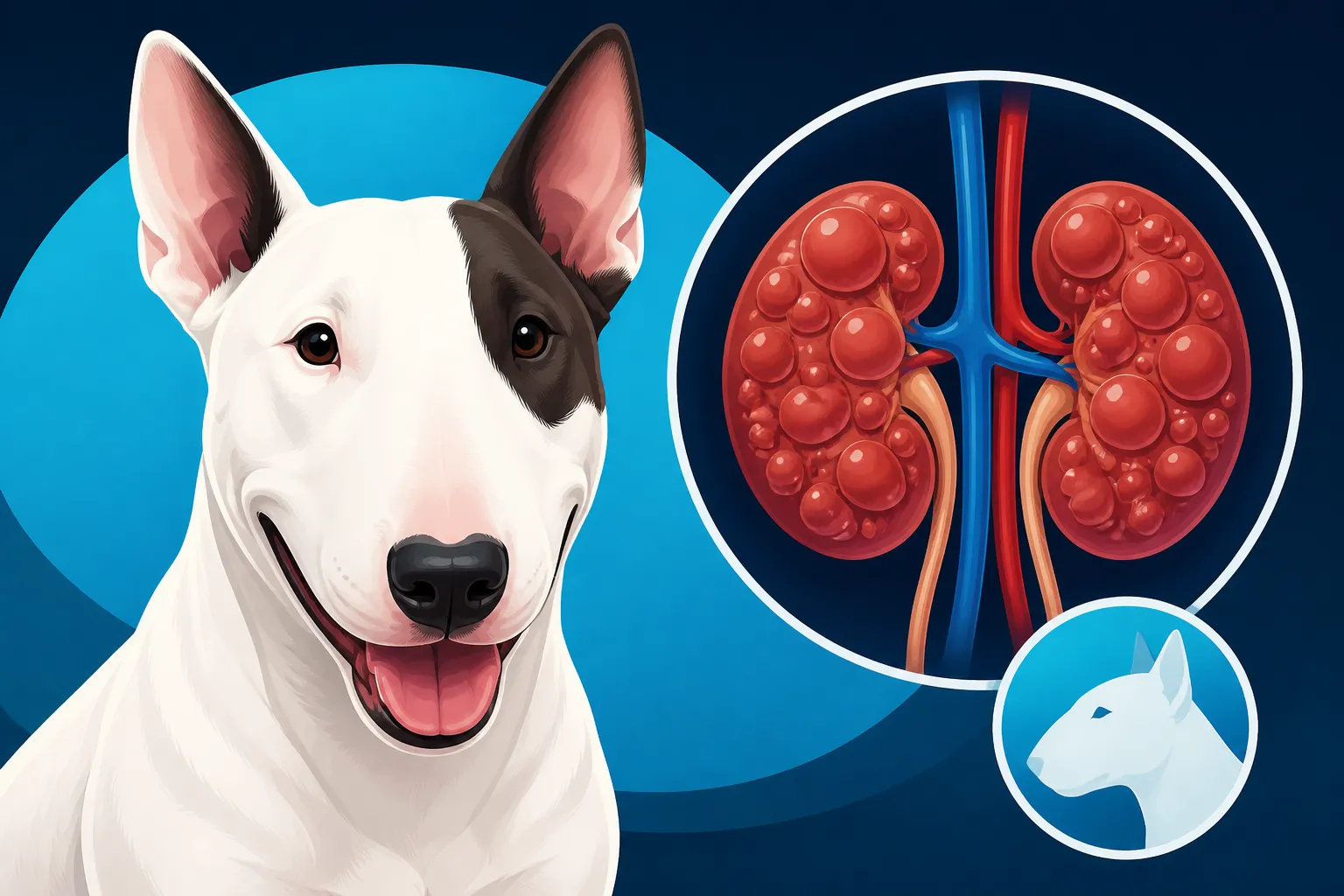
Polycystic Kidney Disease (PKD) is a hereditary condition characterized by the formation of multiple cysts within the kidneys. These cysts are essentially fluid-filled sacs that can vary greatly in size and number. Initially, they might be microscopic, but over time, they grow and multiply, gradually replacing healthy kidney tissue. This progressive destruction of functional kidney tissue eventually impairs the kidneys' ability to filter waste products from the blood, leading to kidney failure. It's a relentless condition, slowly eroding the very organs responsible for keeping your dog's system clean and balanced.
What Cysts Do to Kidney Function
Imagine your kidney as a highly efficient filtration plant, meticulously cleaning your dog's blood and removing toxins. Now, picture that plant slowly being overtaken by ever-growing bubbles, blocking the intricate pipework and crushing the delicate machinery within. That's essentially what happens with PKD. The cysts themselves don't typically function as kidney tissue; instead, they occupy space and compress the surrounding healthy nephrons – the tiny filtering units of the kidney. This compression and displacement reduce the overall functional capacity of the kidneys. Over months or years, as more and more cysts develop and enlarge, the remaining healthy tissue becomes overwhelmed, struggling to keep up with the demands of the body. This is why the disease is progressive; it doesn't just appear overnight but rather slowly chips away at kidney health, often without obvious signs until significant damage has already occurred. The insidious nature of these cysts makes early detection incredibly challenging, adding to the distress for concerned owners.
How PKD Differs from Other Kidney Ailments
When we talk about kidney problems in dogs, it's easy for terms to get muddled, but PKD stands apart from other common kidney ailments. For instance, it's fundamentally different from acute kidney injury, which is a sudden onset of kidney dysfunction often caused by toxins, infections, or trauma. With acute injury, the kidneys might recover if the underlying cause is addressed quickly. PKD, however, is a chronic, progressive, and irreversible condition driven by genetics. Another common kidney issue, especially in older dogs, is chronic kidney disease (CKD), which can stem from various causes like age-related degeneration, infections, or long-term medication use. While PKD ultimately leads to CKD, the defining characteristic of PKD is the presence of cysts as the primary driver of the damage. In Bull Terriers, we also grapple with Hereditary Nephritis Takes Bull Terriers in Their Prime, which is another inherited kidney disease, but it involves defects in the glomerular basement membrane (the filter itself) rather than cyst formation. Understanding these distinctions is crucial for proper diagnosis and management, as the treatment and prognosis can vary significantly based on the specific type of kidney problem your Bull Terrier is facing.
The Bull Terrier's Genetic Link to Polycystic Kidney Disease
Unfortunately, Bull Terriers, like several other breeds such as Cairn Terriers and West Highland White Terriers, have a known genetic predisposition to Polycystic Kidney Disease. This isn't just a random occurrence; it's a condition passed down through generations, making careful breeding practices and genetic testing absolutely critical. The presence of PKD in a Bull Terrier is a stark reminder that even the most robust-looking dogs can harbor silent genetic vulnerabilities. It highlights the importance of choosing a responsible breeder who actively screens their breeding stock for such inheritable conditions, rather than simply going for the cheapest puppy.
Inherited Nature of Bull Terrier PKD
The inheritance pattern of PKD in Bull Terriers is typically autosomal dominant. What does this complicated-sounding term mean for you and your dog? It means that if a Bull Terrier inherits just one copy of the defective gene from either parent, it will develop PKD. It's not like some recessive traits where a dog needs two copies of the gene to show symptoms. If a parent has the gene, there's a 50% chance with each puppy that it will inherit the gene and develop the disease. This is why the condition can pop up even when only one parent appears to be affected or is an "untested carrier." This dominant inheritance makes it particularly challenging to eradicate from a breed line without rigorous genetic screening. Without proper testing, breeders can unknowingly continue to pass on this devastating gene, perpetuating the cycle of heartache for future Bull Terrier owners. It's a heavy responsibility that responsible breeders embrace by testing their dogs before considering breeding.
Other Breeds Affected by PKD
While our focus here is on Bull Terriers, it's worth noting that PKD isn't exclusive to them. Other breeds also carry this genetic burden, albeit sometimes with different genetic mutations or inheritance patterns. Persian cats are perhaps the most famous example of a breed commonly affected by PKD, where it's also inherited in an autosomal dominant fashion. Other dog breeds, including Cairn Terriers, West Highland White Terriers, and even some Beagles, have documented instances of PKD. The manifestation and severity can vary between species and even between breeds within dogs. For instance, the age of onset and progression rate might differ. Knowing this helps us understand that while unique to our Bull Terriers in its specific gene mutation, the overall concept of inherited cystic kidney disease is a broader veterinary concern. It underscores the need for breed-specific genetic testing and emphasizes why simply looking at a puppy and declaring it "healthy" isn't enough when dealing with such genetic predispositions.
Recognising the Subtle Signs of PKD in Your Bull Terrier
One of the most frustrating and heartbreaking aspects of Polycystic Kidney Disease is its silent progression. Those initial, tiny cysts don't cause any noticeable problems, and your Bull Terrier might act completely normal for years. It's usually not until the disease has progressed significantly, and a substantial amount of healthy kidney tissue has been replaced by cysts, that outward signs begin to emerge. This makes recognizing the early, often subtle, symptoms a critical challenge for dedicated owners. You're constantly looking for clues, wondering if that slight change in behavior or routine is just your Bull Terrier being a Bull Terrier, or something more serious.
Early and Progressive Symptoms to Watch For
The early symptoms of PKD are often non-specific, meaning they can be easily mistaken for other common ailments or even just normal aging. This is where your keen observation skills as a Bull Terrier owner become invaluable. You might notice your dog drinking more water than usual – perhaps their water bowl is emptying faster, or they're asking to go outside for potty breaks more frequently. This increased thirst and urination is called polydipsia and polyuria, respectively, and it's often one of the first indicators of compromised kidney function. Their kidneys are struggling to concentrate urine, so they pass more dilute urine and consequently need to drink more to stay hydrated.
As the disease progresses and kidney function declines further, more noticeable signs will develop. You might see a decrease in appetite or a sudden pickiness about food. This can lead to unexplained weight loss, as they're not getting enough calories. Lethargy and a general lack of energy are also common; your usually boisterous Bull Terrier might be less enthusiastic about walks or playtime, preferring to rest more often. Nausea and vomiting can occur as toxins build up in the bloodstream that the kidneys can no longer filter out. In some cases, you might even notice a dullness to their coat or a general 'unthrifty' appearance. Bad breath (halitosis) with a distinct ammonia-like smell can also be a late-stage symptom of kidney failure. It’s a terrifying experience to watch your energetic companion slowly lose their spark, feeling helpless as these signs accumulate. Keeping a close eye on their daily habits, especially their thirst and urination, can be the first step in catching this disease earlier rather than later. For more on this, you might find information on Signs a Bull Terrier's Kidneys Are Failing particularly useful.
When to Consult Your Veterinarian
Given the subtle nature of early PKD, it's always better to err on the side of caution. If you notice any persistent changes in your Bull Terrier's behavior, appetite, thirst, or urination habits, it's time to book an appointment with your veterinarian. Don't wait until your dog is clearly unwell. A slight increase in water intake might seem minor, but if it continues for several days or weeks, it warrants investigation. Even if your Bull Terrier is past eight years old, kidney issues are common, and getting Caring for a Bull Terrier Past Eight often includes vigilant kidney monitoring. Be prepared to provide your vet with a detailed history, including when you first noticed changes, how often they occur, and any other symptoms you've observed.
It's also crucial to remember that some Bull Terriers, especially those from untested lines, might be silently affected. Even if your dog seems perfectly healthy, routine wellness exams are incredibly important. These annual check-ups should include basic blood and urine tests. Your veterinarian can discuss a preventative screening plan, which might include specific tests that can pick up early indicators of kidney problems before your dog even shows symptoms. This proactive approach is key, especially for a breed known to carry this genetic predisposition. Don't underestimate your own intuition – you know your Bull Terrier best, and if something feels "off," it probably is.
Diagnosing Polycystic Kidney Disease in Bull Terriers
Getting a definitive diagnosis of Polycystic Kidney Disease can sometimes feel like navigating a maze, especially since the early signs are so elusive. It’s not always a straightforward process, and it often requires a combination of diagnostic tools to confirm the presence of cysts and assess the extent of kidney damage. The anxiety of waiting for results, or going through multiple tests, is a common experience for owners grappling with potential chronic illness in their beloved pets. This comprehensive approach is essential to differentiate PKD from other kidney conditions and to establish the best course of action for your Bull Terrier.
Key Diagnostic Tests
When you bring your Bull Terrier to the vet with concerns about kidney health, a thorough physical exam is the first step. The vet will palpate their abdomen, checking for enlarged or irregular kidneys, though small cysts are often undetectable this way. Beyond that, a series of more specific tests are typically employed:
- Urinalysis: A routine urinalysis can provide a lot of information about kidney function. In dogs with PKD, you might see dilute urine (low specific gravity), indicating the kidneys are struggling to concentrate it. Protein in the urine (proteinuria) is another significant finding, often measured by a What a UPC Ratio Tells a Bull Terrier Owner. While not specific to PKD, these findings signal kidney distress. Your vet might recommend The Yearly Urine Test Every Bull Terrier Owner Should Book to monitor this.
- Bloodwork: Blood tests, specifically a chemistry panel, measure kidney values like blood urea nitrogen (BUN) and creatinine. Elevated levels indicate that the kidneys are not effectively filtering waste products. However, these values often don't become elevated until two-thirds or more of kidney function is lost, meaning they are markers of more advanced disease. Additionally, phosphorus levels might be elevated, and a complete blood count (CBC) can reveal anemia, which is common in chronic kidney disease.
- Abdominal Ultrasound: This is arguably the most crucial diagnostic tool for PKD. An ultrasound allows the veterinarian to visualize the kidneys in detail, detecting the presence, size, and number of cysts. It’s a non-invasive procedure that can provide definitive evidence of PKD. In earlier stages, the cysts might be very small, making the expertise of the sonographer vital.
- Genetic Testing: For Bull Terriers, a specific DNA test is available to identify the gene mutation responsible for PKD. This test can be performed at any age, often using a simple cheek swab, and can definitively tell you if your Bull Terrier carries the gene or is affected by it. This is particularly valuable for breeders who need to screen their stock, as well as for owners of puppies whose parents might not have been tested. It offers peace of mind, or at least a clear path forward, much earlier than clinical signs might appear. Breeders should ideally conduct Which Health Tests a Bull Terrier Breeder Should Run before breeding.
Interpreting Test Results
Receiving test results can be daunting, but your veterinarian will walk you through what each finding means for your Bull Terrier. If cysts are identified on ultrasound, especially in a young Bull Terrier, and/or the genetic test confirms the PKD mutation, the diagnosis is clear. The severity of the blood and urine abnormalities (like elevated BUN, creatinine, and proteinuria) will help your vet stage the kidney disease, determining how far along the condition has progressed. Early-stage PKD, where only cysts are present but kidney function is still relatively good, allows for proactive management. Later stages, with significant kidney dysfunction, require more intensive supportive care.
It's important to remember that elevated kidney values in blood work alone don't always mean PKD; they simply indicate kidney compromise, which could be due to various causes. That's why the ultrasound is so critical to visually confirm the cysts. If a genetic test comes back negative, but cysts are seen on ultrasound, it might suggest a different, non-hereditary form of cystic kidney disease, or perhaps a different breed-specific condition. The combination of genetic testing and imaging offers the most comprehensive picture for a Bull Terrier owner hoping to understand their dog's kidney health. This diagnostic journey can be emotionally draining, and having a reliable pet insurance provider like Healthy Paws can help alleviate some of the financial stress associated with these essential, often costly, tests.
Managing Polycystic Kidney Disease in Bull Terriers
Once a diagnosis of Polycystic Kidney Disease is confirmed, the focus shifts entirely to management. It's important to understand that there is no cure for PKD; the cysts cannot be reversed or removed without severely damaging the kidneys. Instead, treatment revolves around supportive care, aimed at slowing the progression of the disease, minimizing symptoms, and maintaining your Bull Terrier's quality of life for as long as possible. This journey requires dedication, careful monitoring, and a close partnership with your veterinarian. It can feel overwhelming at first, but with the right plan, you can significantly impact your dog's comfort and well-being.
Dietary Adjustments and Hydration
Diet plays a monumental role in managing kidney disease. The goal of a renal diet is to reduce the workload on the kidneys and slow down the accumulation of waste products. Typically, this means a diet that is:
- Restricted in Phosphorus: High phosphorus levels can worsen kidney disease and contribute to other health problems. Renal diets are formulated with carefully controlled phosphorus levels.
- Controlled in Protein: Not low protein, but controlled. The protein should be of high quality and highly digestible. While reducing protein was once a primary focus, research now shows that severely restricting protein can lead to muscle wasting. The key is quality and appropriate quantity.
- Supplemented with Omega-3 Fatty Acids: These can help reduce inflammation in the kidneys.
- Lower in Sodium: To help manage blood pressure.
Your vet will likely recommend a prescription renal diet specifically formulated for dogs with kidney disease. Brands like Hill's k/d, Royal Canin Renal Support, and Purina Pro Plan Veterinary Diets NF are common choices. Transitioning your Bull Terrier to a new diet can be challenging, especially if they're already feeling nauseous, so patience and gradual introduction are key.
Hydration is equally critical. Encouraging your Bull Terrier to drink plenty of fresh water helps the kidneys flush out waste products. Always ensure multiple water bowls are available, consider a pet water fountain to entice them, or even add water to their food. If your Bull Terrier struggles with hydration or is very ill, your vet might show you how to administer subcutaneous fluids at home, which can make a huge difference in their comfort and well-being. This daily routine of careful feeding and hydration becomes second nature, but it's another area where the long-term financial implications can be significant, making a plan from Healthy Paws beneficial. More details on Which Diet a Bull Terrier With Kidney Disease Needs can provide further guidance.
Medications and Symptom Management
Beyond diet, several medications might be prescribed to manage the symptoms and complications associated with PKD and subsequent kidney failure:
- Anti-nausea medications: To combat vomiting and help improve appetite.
- Appetite stimulants: If your Bull Terrier is reluctant to eat.
- Phosphate binders: Given with meals, these medications help reduce the absorption of phosphorus from food.
- Blood pressure medications: High blood pressure (hypertension) is common in kidney disease and can further damage the kidneys. ACE inhibitors or other blood pressure medications might be prescribed.
- Potassium supplements: Some renal diets can lead to low potassium, so supplementation might be necessary.
- Erythropoietin (EPO): If severe anemia develops, synthetic EPO can stimulate red blood cell production.
Regular monitoring of blood and urine parameters is essential to adjust medications as needed. This usually involves check-ups every few months, or more frequently if the disease is rapidly progressing. Your vet will monitor BUN, creatinine, phosphorus, and potassium levels, as well as blood pressure. It's a continuous balancing act, striving to keep your Bull Terrier comfortable and as stable as possible. Dealing with the long-term medication regimen can be draining, both emotionally and financially, reinforcing the value of comprehensive pet insurance like that offered by Healthy Paws to help manage these ongoing costs.
Prognosis and Living with a Bull Terrier with PKD
Receiving a diagnosis of Polycystic Kidney Disease for your Bull Terrier is undoubtedly a heavy blow, and naturally, you'll want to understand what the future holds. The prognosis for dogs with PKD is variable and depends on several factors, including the age at diagnosis, the number and size of the cysts, the rate of disease progression, and how diligently the condition is managed. While it is a progressive and ultimately fatal disease, with dedicated care, many Bull Terriers can still enjoy a good quality of life for a significant period after diagnosis. It's about cherishing every day and focusing on their comfort and happiness.
Life Expectancy and Quality of Life
Because PKD is a progressive condition, the cysts will continue to grow and accumulate over time, eventually leading to end-stage kidney failure. However, the timeline for this progression can vary widely among individual dogs. Some Bull Terriers might show signs of kidney dysfunction early in life, while others might not develop significant problems until their senior years. With proper management, including a renal diet, appropriate medications, and consistent veterinary care, many dogs can live for months or even a few years after diagnosis, sometimes even extending into what would be considered a normal lifespan for the breed, which for a Bull Terrier is typically The Ten to Fourteen Years a Bull Terrier Gets.
The key is to focus on maintaining a good quality of life. This means:
- Symptom control: Ensuring your Bull Terrier isn't suffering from chronic nausea, pain, or discomfort.
- Comfort: Providing a warm, comfortable resting place, easy access to food and water, and avoiding stress.
- Maintaining appetite: Encouraging them to eat the prescribed diet is paramount.
- Hydration: Always ensuring they have access to fresh water and supplementing with subcutaneous fluids if needed.
- Regular, gentle exercise: Keeping them active as their energy allows, without overexertion.
The decision of How Long a Bull Terrier Lives After a Nephritis Diagnosis is a difficult one, and it’s important to have honest conversations with your veterinarian about your dog’s comfort and what constitutes a good quality of life as the disease advances. It’s about ensuring their final months or years are filled with love and minimal suffering.
The Importance of Ongoing Monitoring and Support
Living with a Bull Terrier with PKD means committing to ongoing, vigilant care. This includes:
- Frequent Veterinary Check-ups: Regular appointments, often every 3-6 months, are crucial to monitor blood and urine parameters, check blood pressure, and adjust medications as needed. These check-ups help track the disease's progression and allow your vet to intervene promptly if complications arise. How Often a Bull Terrier's Urine Should Be Tested often becomes a frequent discussion point.
- At-Home Observation: You are your Bull Terrier’s best advocate. Keep a detailed log of their food and water intake, urination frequency, energy levels, and any changes in appetite or behavior. This information is invaluable to your vet.
- Weight Monitoring: Regular weigh-ins can help track subtle weight loss, which can be an early indicator of declining health.
- Emotional Support for You: Caring for a pet with a chronic, progressive illness is emotionally taxing. Don't hesitate to lean on your veterinary team, friends, and family for support. There are also online communities of pet owners who are going through similar experiences, offering a safe space to share your feelings and strategies.
PKD is a long and challenging road, but the bond you share with your Bull Terrier is worth every effort. By being proactive, informed, and dedicated, you can ensure your beloved Bull Terrier continues to enjoy a meaningful life despite the challenges of PKD. Knowing that you've done everything in your power to provide comfort and care is a powerful comfort in itself. The financial aspects of these ongoing treatments and monitoring can accumulate quickly, and this is where an investment in pet insurance, such as a plan from Healthy Paws, can truly ease the burden, allowing you to focus on your Bull Terrier’s health without undue financial stress.
| Symptom Category | Early Signs (Subtle) | Progressive Signs (More Obvious) |
|---|---|---|
| Urination & Thirst | Increased water intake (polydipsia) | Increased urination (polyuria), frequent accidents |
| More dilute urine | Inappropriate urination, straining to urinate | |
| Appetite & Weight | Slight pickiness with food | Significant weight loss, muscle wasting |
| Reduced enthusiasm for meals | Anorexia (complete loss of appetite) | |
| Energy & Behavior | Mild lethargy, resting more | Severe lethargy, weakness, disinterest in play |
| Less energetic during walks | Hiding, reluctance to move, depression | |
| Gastrointestinal | Occasional soft stools or mild constipation | Nausea, vomiting, diarrhea |
| Ammonia-like bad breath (uremic halitosis) | ||
| General Appearance | Dull coat, subtle changes in demeanor | Poor coat quality, general 'unthrifty' look |
| Ulcers in mouth or on gums, dehydration |
Disclaimer
Please remember that the information provided in this guide is for informational purposes only and is not a substitute for professional veterinary advice. Always consult with a qualified veterinarian for any health concerns or before making any decisions regarding your Bull Terrier's medical care. Every dog is an individual, and a veterinarian can provide a diagnosis and treatment plan tailored to your pet's specific needs.