Whether a Pointer Went Into the Bull Terrier
Ah, the Bull Terrier! What a marvel of a dog, isn't he? When you look at that distinctive, egg-shaped head and that powerful, elegant body, it's easy to wonder, how on earth did this dog come to be? We often hear whispers and theories about the breeds that contributed to our beloved Bull Terrier, and today, we're diving deep into one of the most persistent questions: did the noble Pointer lend its genes to the Bull Terrier's creation? It’s a fascinating journey into the history of dog breeding, where truth is often shrouded in the mists of time and the secrecy of early breeders.
The Genesis of the Bull Terrier: James Hinks' Vision
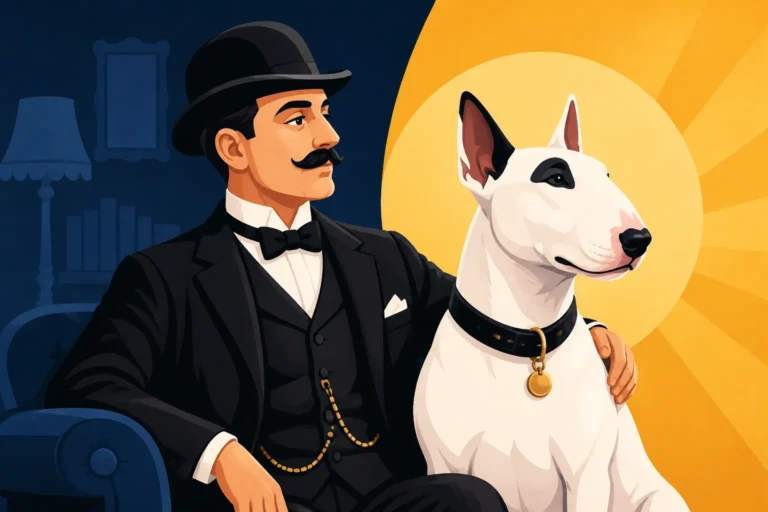
Before we can even begin to talk about Pointers, we need to understand the man and the moment that gave us the Bull Terrier. Back in the bustling industrial city of Birmingham in the 1860s, a breeder named James Hinks set out to create something new. He wasn’t content with the existing "Bull and Terrier" dogs, which, while courageous and tenacious, were often quite coarse in appearance, more suited to the pit than the parlor. Hinks had a grander vision: a dog that combined the strength and spirit of its ancestors with an undeniable elegance, a striking white coat, and a keen, intelligent expression.
Refining the "Bull and Terrier" Type
The foundation of Hinks’s work was undoubtedly the "Bull and Terrier" dogs of the day. These were essentially crosses between Old English Bulldogs and various terrier types, bred for their gameness and formidable presence. They were tough, rugged, and undeniably powerful, but lacked the refined lines and uniform appearance that Hinks sought. He envisioned a dog that could hold its own in any situation but also be a gentleman's companion, a sophisticated presence that commanded respect without being brutish. This was a significant shift in breeding philosophy at the time, moving from purely functional fighting dogs to animals appreciated for their looks and temperament as much as their grit. Hinks was known for his discerning eye and his dedication to creating a truly unique and aesthetically pleasing animal. It was a painstaking process of selection, careful mating, and, undoubtedly, a bit of trial and error as he sculpted his ideal canine. James Hinks Built the Bull Terrier in Birmingham in the 1860s
The Quest for the "White Cavalier"
Hinks's ideal Bull Terrier was primarily an all-white dog, earning it the moniker "The White Cavalier." This wasn't just a whim; the purity of the white coat was meant to signify its clean lines and noble bearing, setting it apart from its more rustic forebears. Achieving this brilliant white was a challenge in itself, requiring careful selection and, some theorize, the introduction of other white-coated breeds into the mix. The goal was a dog that, despite its powerful build, exuded an air of gentlemanly decorum and confidence, rather than aggression. It was a dog that would stand proudly at its owner's side, ready for anything, but always with an air of dignified composure. This ambition to create a visually striking and refined companion dog truly defined Hinks's efforts and shaped the early development of the breed. Why Hinks Wanted an All White Dog
The Whispers of the Pointer: Why the Theory Arose
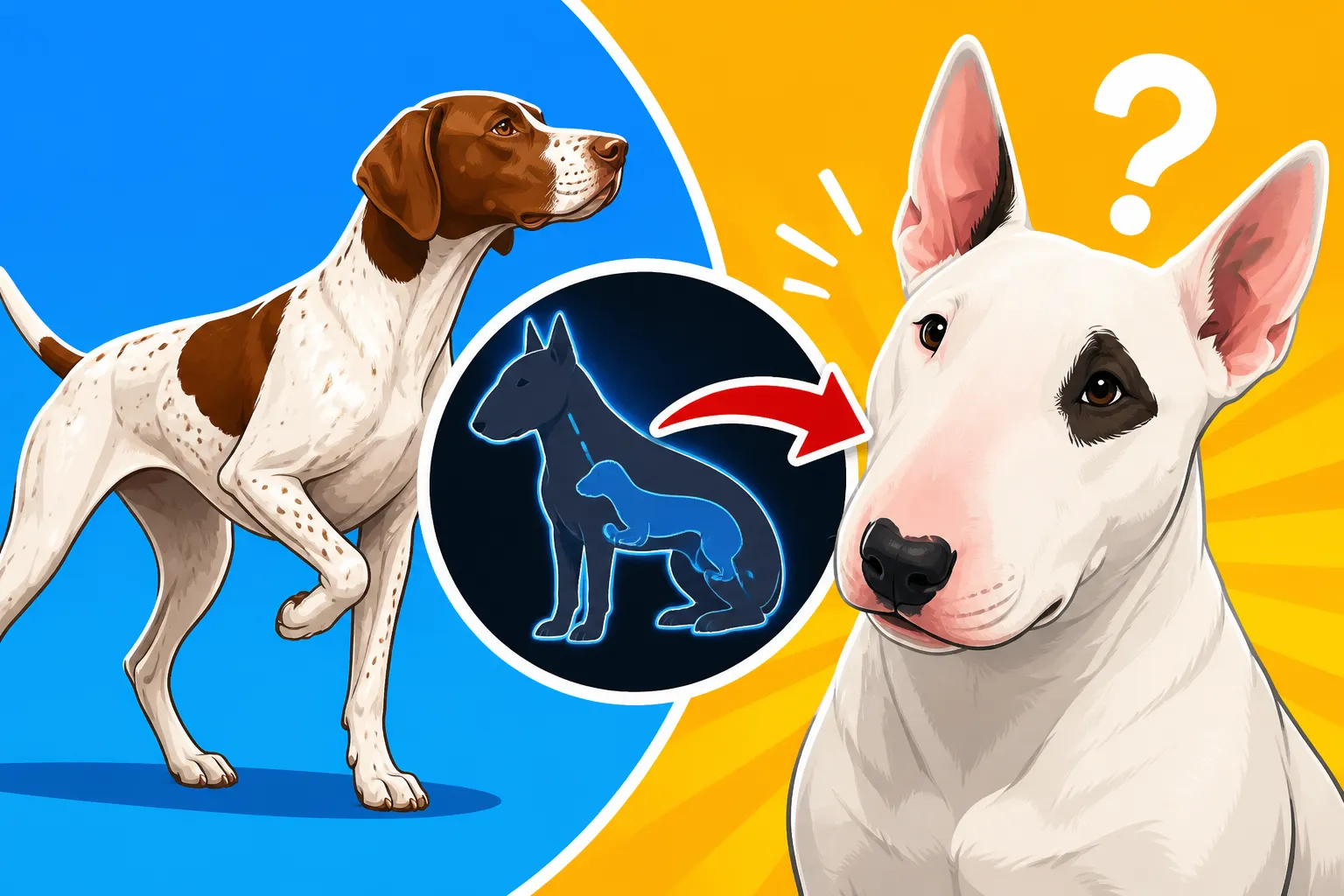
Now, let's get to the heart of our discussion: the Pointer. The idea that Pointer blood might have flowed in the veins of early Bull Terriers isn't a random guess; it stems from observations about the evolving appearance of Hinks’s dogs and the known characteristics of Pointers.
Seeking Elegance and a Lighter Build
The "Bull and Terrier" types were robust, compact dogs, often with shorter legs and broader heads—traits inherited from the Old English Bulldog side. As Hinks began to refine his breed, the resulting Bull Terriers started to exhibit a more athletic, streamlined physique. They had longer legs, a more graceful neck, and a somewhat more refined skull than their immediate ancestors. Pointers, known for their elegant lines, deep chests, and powerful yet agile builds, would have been an excellent candidate to introduce such characteristics. Their distinct appearance, bred for tireless work in the field, was a stark contrast to the stockier bulldog types. Which Breeds Went Into the Bull Terrier
It’s easy to see why breeders and enthusiasts of the time might have looked at the emerging Bull Terrier and seen hints of a Pointer's influence. The upright, alert carriage, the distinctive way they moved with purpose and grace, all pointed to a potential infusion of a sporting breed. Hinks was striving for a dog that, while retaining its courage, possessed a distinct air of aristocratic bearing. The Pointer, with its classic hunting dog silhouette, could certainly have been perceived as a way to achieve that physical upgrade, contributing to the development of the breed we know and love today.
The Head and Expression: A Matter of Refinement
Beyond the body, some believed the Pointer could have contributed to the Bull Terrier's head. While the distinctive "downface" and egg-shaped head were still developing in Hinks’s time, the general refinement of the muzzle and the cleaner lines of the skull were a marked departure from the heavier, jowlier look of the Old English Bulldog. Pointers have a distinctive head profile, often described as elegant with a well-defined stop and a noble expression. While not a direct match for the Bull Terrier's unique skull, a Pointer cross could have been used to initiate the move towards a more sophisticated head shape, which later generations of Bull Terrier breeders then exaggerated into the iconic profile we see today.
The Bull Terrier's keen, intelligent, and sometimes almost mischievous expression also differentiates it from the more stoic or fierce look of some of its ancestors. Pointers are known for their alert and expressive faces, reflecting their intelligence and responsiveness in the field. This mental acuity and readiness to engage, combined with a physically appealing head, could have been another reason to consider a Pointer cross, if Hinks sought to infuse not just beauty but also a sharper, more engaging personality into his burgeoning breed. The overall goal was clearly to move away from the coarse, utilitarian look of the past.
A Table of Potential Contributions to the Early Bull Terrier
To help visualize how different rumored breeds might have influenced the Bull Terrier's development, let's look at a comparison:
| Trait Desired in Early Bull Terrier | Ancestral "Bull and Terrier" Contribution | Potential Pointer Contribution | Potential Dalmatian Contribution | Potential Greyhound Contribution |
|---|---|---|---|---|
| Physical Stature | Compact, muscular, powerful | Taller, more elegant, athletic | Balanced, medium size, active | Lean, lanky, very agile, speedy |
| Head Shape/Refinement | Broad, strong, heavier jowl | Refined muzzle, cleaner lines | Distinctive, often dome-shaped | Long, narrow skull |
| Coat Color/Texture | Various, often brindle/patched, harsh | Short, smooth, often white | Short, smooth, pure white ideal | Short, smooth, fine |
| Temperament | Game, tenacious, fearless | Intelligent, keen, biddable | Energetic, playful, intelligent | Reserved, graceful, quiet |
| Overall Elegance | Rugged, utilitarian | Noble, sporting look | Distinctive, stylish | Sleek, aristocratic |
This table highlights how the Pointer, among other breeds, offered specific traits that Hinks was trying to incorporate or enhance in his new breed, moving it distinctly away from its "Bull and Terrier" origins.
Other Ancestral Speculations: Dalmatian, Greyhound, and Beyond
While the Pointer theory holds a certain appeal, it's crucial to remember that James Hinks was a master of his craft and, like many breeders of his era, somewhat guarded about his precise breeding methods. Other breeds are also frequently mentioned in discussions about the Bull Terrier's mysterious lineage.
The Enduring Influence of the Dalmatian
One of the most widely accepted influences on the Bull Terrier, particularly for its distinctive white coat and overall refinement, is the Dalmatian. Dalmatians were popular in Victorian England and were admired for their striking white coats and elegant conformation. It's thought that their inclusion helped Hinks achieve the pure white coat he so desired for his "White Cavaliers." Moreover, Dalmatians are known for their stamina, good bone, and active temperament, qualities that would have complemented the Bull and Terrier's gameness without adding excessive bulk.
The Dalmatian's influence is often considered more concrete than the Pointer's, largely because the white coat became such a hallmark of the early Bull Terrier. The smooth, easy-care coat and the overall balanced structure of the Dalmatian would have been a valuable addition to Hinks's breeding program, contributing to the breed's eventual status as a fashionable companion dog. It speaks volumes about Hinks's skill that he could weave these different ancestral threads into such a cohesive and distinct new breed. How Hinks Made the Bull Terrier Coat White
The Case for the Greyhound
Another strong contender in the Bull Terrier's rumored ancestry is the Greyhound. Known for their incredible speed, slender build, and aristocratic bearing, Greyhounds would have provided an even greater degree of elegance and leg length than a Pointer. If Hinks was aiming for a dog that was more agile and less cumbersome than the existing "Bull and Terrier" types, the Greyhound would have been a logical choice. Their fine bone and distinctive head shape might also have been used to further refine the overall silhouette of the emerging Bull Terrier.
The agility and springy gait that we sometimes see in Bull Terriers, especially when they're in full "zoomie" mode, could certainly be traced back to a sighthound influence like the Greyhound. While perhaps less overtly "sporting" in the traditional sense than a Pointer, the Greyhound offered a different kind of athletic grace that could have contributed to the Bull Terrier's unique blend of power and poise. Ultimately, Hinks’s genius lay in his ability to select and combine these diverse traits to create a dog that transcended its individual components. Whether a Greyhound Went Into the Bull Terrier
The Ambiguity of Historical Records
The biggest challenge in definitively answering the question of Pointer involvement (or any specific breed beyond the "Bull and Terrier" foundation) lies in the often-incomplete and sometimes deliberately vague historical records. Early breeders, including Hinks, often kept their breeding strategies close to their chests, treating them as proprietary secrets. There were no DNA tests back then, and detailed studbooks were not always meticulously maintained or publicly shared. This secrecy meant that while contemporaries might have speculated about a Pointer cross due to visual similarities or desired traits, concrete evidence often remained elusive.
This lack of definitive documentation is a common frustration for anyone trying to trace the exact lineage of many historic dog breeds. We are left to piece together the puzzle from anecdotal accounts, artistic depictions, and the observable characteristics of the dogs themselves. It's like trying to bake a cake from a recipe where the chief ingredient amounts are left blank – you know the major players, but the subtle flavorings are a mystery! This inherent ambiguity is part of the charm and challenge of studying breed history.
The Legacy of Hinks: A Refined Breed Emerges
Regardless of whether a Pointer, a Greyhound, or indeed any specific "secret" ingredient was used, the outcome of James Hinks's breeding program was undeniably successful. He produced a dog that stood out, one that captivated the public with its unique looks and spirited personality.
The Iconic Bull Terrier Profile
The Bull Terrier we recognize today, with its distinctive "downface" and triangular eyes, is the culmination of generations of careful breeding that started with Hinks. While the Pointer might have contributed to an earlier phase of refinement, the truly iconic Bull Terrier features became more pronounced through selective breeding after Hinks's initial work. Breeders continued to chase that unique head shape and solid, muscular body, solidifying the breed's singular appearance. The journey from the rough-and-tumble "Bull and Terrier" to the elegant "White Cavalier" and then to the modern Bull Terrier was one of continuous evolution and artistic vision on the part of its creators.
It's a testament to the dedication of these early breeders that they were able to transform a utilitarian fighting type into a recognized and cherished companion animal. The sheer visual impact of the Bull Terrier's profile is something that captures the imagination and sets it apart in the canine world. How the Bull Terrier's Head Changed Over Time
The Enduring Charm of the Bull Terrier
What Hinks ultimately created, whether or not a Pointer was directly involved, was a dog with immense character. Bull Terriers are known for their playful, clownish nature, their boundless energy, and their deep devotion to their families. They are truly unique individuals, often described as having the personality of a three-year-old in a dog suit – full of curiosity, mischief, and unadulterated joy. Their strength and determination are balanced by a surprising sensitivity and a need for close companionship.
The Pointer may or may not have contributed to their physical form, but the Bull Terrier's spirit is distinctly its own. It's a blend of its tenacious ancestors and the deliberate refinement efforts of its creators. Owners today appreciate them not just for their striking appearance but for their complex, engaging personalities that make every day an adventure. What People Get Wrong About the Bull Terrier They are a breed that truly leaves an impression, a living legacy to the foresight and determination of breeders like James Hinks.
Understanding Breed Development: A Continuous Evolution
The history of any breed is rarely a straight line. It's a complex tapestry woven from careful selection, environmental pressures, societal demands, and often, the unrecorded experiments of dedicated breeders. The discussion around the Pointer's potential role in the Bull Terrier's past serves as a wonderful example of this ongoing historical detective work. It reminds us that while we have definitive origins for some aspects of the Bull Terrier, other parts remain tantalizingly open to interpretation and historical debate. It's a story that continues to evolve as we learn more about genetics and the practices of the past.
The key takeaway is that the Bull Terrier’s journey was one of conscious effort to create a dog that was both powerful and elegant, spirited and refined. Hinks’s vision brought together disparate elements to form a new breed, and whether the Pointer was one of those elements is a question that, while perhaps never fully answered, continues to spark fascinating discussions among Bull Terrier enthusiasts and historians alike. It certainly adds to the mystique of our beloved "eggheads."
Disclaimer
This article is for general informational purposes only and does not constitute professional advice. Laws, prices and regulations vary by location and change over time. Consult a qualified professional for guidance on your specific situation.