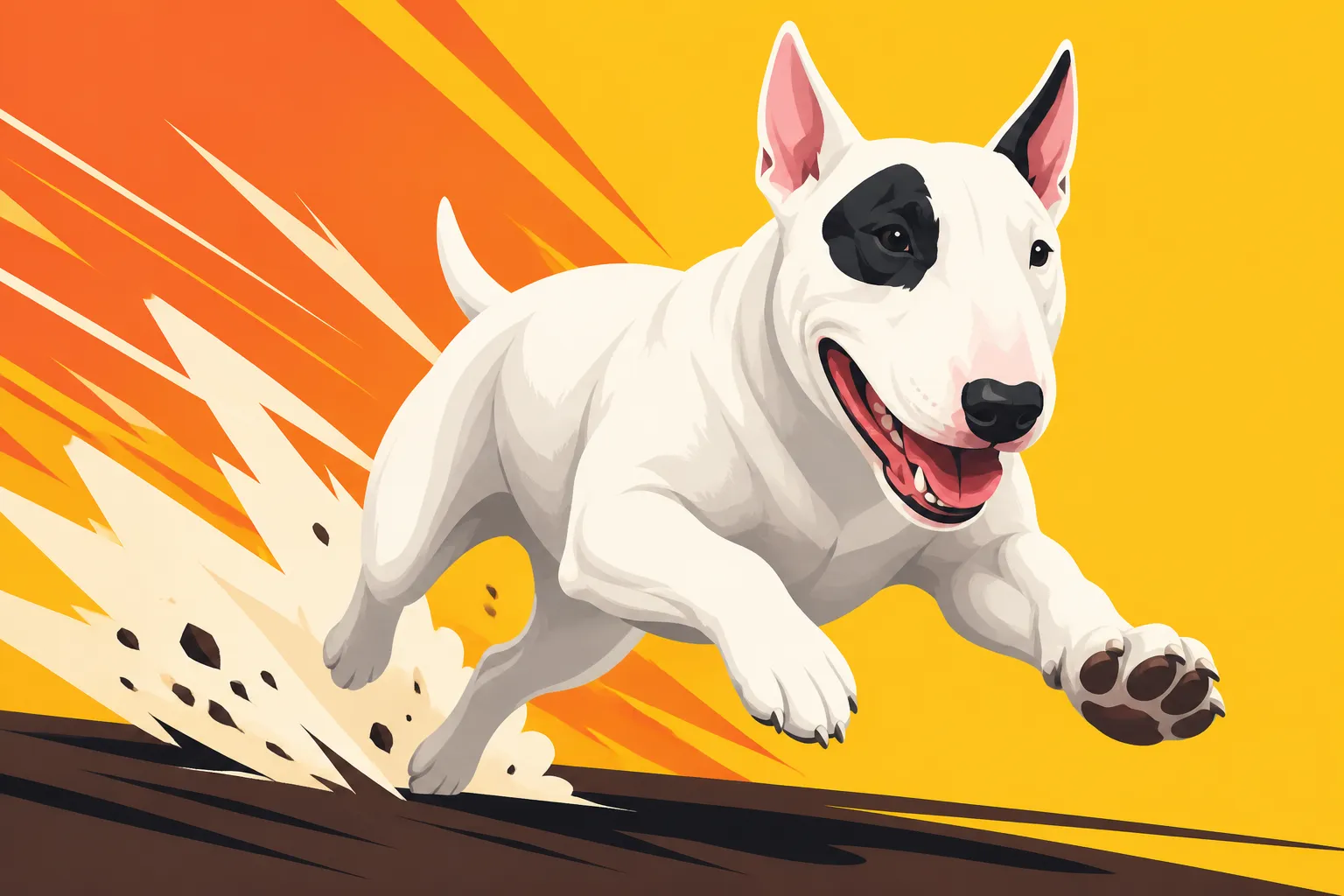
Why a Bull Terrier Has No Stop
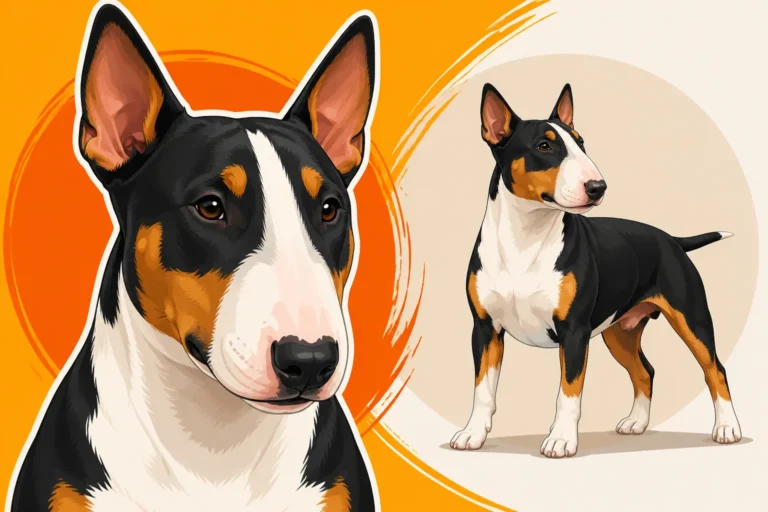
If you've ever admired a Bull Terrier, one of the first things you likely noticed (after that mischievous twinkle in their eye!) is their incredibly distinctive head. It’s often described as egg-shaped, a perfect, smooth curve from the top of their skull right down to the tip of their nose, without the typical indentation that most other dog breeds possess. This absence of what dog people call a "stop" isn't just a quirk; it's a fundamental part of their breed identity and a result of generations of intentional breeding. This guide will take a deep dive into why this unique feature exists, what it means for the breed, and how it came to be.
Understanding "Stop" in Canine Anatomy
Before we can fully appreciate the Bull Terrier's lack of a stop, it's helpful to understand what a "stop" actually is in the world of dog anatomy and why most breeds have one. It’s a pretty common feature, so much so that its absence in the Bull Terrier truly stands out.
What a Canine Stop Is
In canine anatomy, the "stop" refers to the indentation or angle between a dog's forehead and the bridge of its nose. Think of it as the point where the forehead meets the muzzle. In many breeds, this transition is quite distinct and can range from a very gradual, slight slope to a sharp, almost ninety-degree angle.
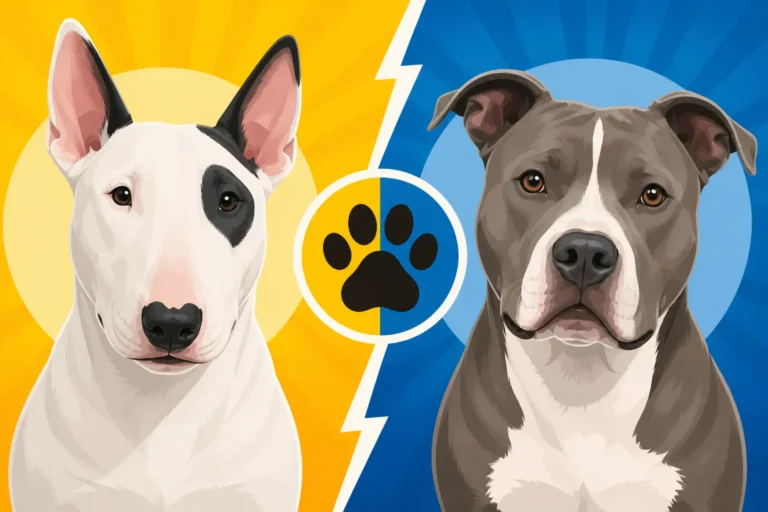
For example, breeds like the Golden Retriever or Labrador Retriever have a moderate stop, a clear but gentle dip. Then you have breeds like the Boxer or Bulldog, which are brachycephalic (short-nosed) and often exhibit a very pronounced, almost abrupt stop. On the other end of the spectrum, some sighthounds, like the Greyhound or Saluki, have a very slight, barely perceptible stop, making their heads appear long and sleek. The stop is one of those subtle features that dramatically contributes to a breed's overall profile and helps distinguish it. It's a key descriptive point when talking about a dog's head.
The Purpose of a Stop
While the stop is primarily an aesthetic feature that defines a breed's look, it can also have some functional implications, depending on its severity. For many breeds, the presence of a stop might offer a slight degree of protection to the eyes, creating a small overhang or brow ridge that shields them from above. In breeds with very powerful bites, a strong stop can sometimes be associated with a broader skull and jaw structure, contributing to their strength.
However, for most dogs, the stop's primary role is simply to conform to the breed standard and contribute to the recognized appearance. It doesn't necessarily dictate function, but rather reinforces the breed type. The variations in stop among breeds often reflect their historical purposes or the preferences of their originating breeders. A sharp stop can give a dog a more "cute" or "babyish" expression, while a very slight stop tends to lend a more elegant or ancient look. The Bull Terrier's unique head, in stark contrast, offers a completely different aesthetic, one that’s unmistakably theirs.
The Bull Terrier's Unique Head: The "Downface" and "Roman Finish"
The Bull Terrier's head is arguably its most defining feature, instantly recognizable even to those unfamiliar with the breed. It's not just the lack of a stop that makes it special; it's the entire construction, often referred to as a "downface" with a "Roman finish." These terms perfectly capture the smooth, powerful lines that distinguish it.
Defining the Bull Terrier's Downface
The term "downface" describes the Bull Terrier's unique profile, where the top of the skull is nearly flat, and then, without any break or stop, it curves smoothly downwards and outwards to the end of the nose. Imagine drawing a single, uninterrupted line from the top of the dog's head, over their nose, and ending at the nose tip – that's the essence of the downface. There's no dip, no angle, just a continuous, gentle slope.
This smooth, continuous curve gives the Bull Terrier's head its famous "egg shape" when viewed from the front. The skull is deep and strong, and the muzzle is well-filled, giving a powerful yet refined appearance. This isn't a feature that happened by accident; it was meticulously cultivated by early breeders to create a distinctive and aesthetically pleasing profile that set the Bull Terrier apart from its ancestors and contemporary breeds. It requires a specific bone structure to achieve such a seamless transition, truly making it a marvel of selective breeding.
The "Roman Finish" and Its Role
Adding to the distinctive downface is what's known as the "Roman finish" or "Roman arch" of the muzzle. This refers to the slight upward arch in the bridge of the nose, which contributes to the overall convex curve of the downface. It's not a straight line from the eyes to the nose, but rather a subtle, elegant arch that emphasizes the strength and fullness of the muzzle.
The Roman finish is what prevents the downface from looking flat or weak. Instead, it gives the Bull Terrier's head a sense of power and solidity. This feature works in concert with the downface to complete the iconic egg-shaped head. When you look at a Bull Terrier from the side, you should see that sweeping, unbroken curve, culminating in a strong, firm jaw. It's a hallmark of the breed, a testament to the vision of its creators, and a trait that breeders still strive for today. It’s a profile unlike any other dog breed, making the Bull Terrier instantly recognizable. What a Roman Finish Means on a Bull Terrier delves deeper into this particular aspect of their conformation.
The Historical Journey: How the Bull Terrier's Head Evolved
The Bull Terrier's distinctive head isn't an accident of nature; it's the result of deliberate and passionate breeding efforts over generations. Understanding its lineage and the specific goals of its early developers helps illuminate why this breed looks the way it does.
James Hinks' Vision
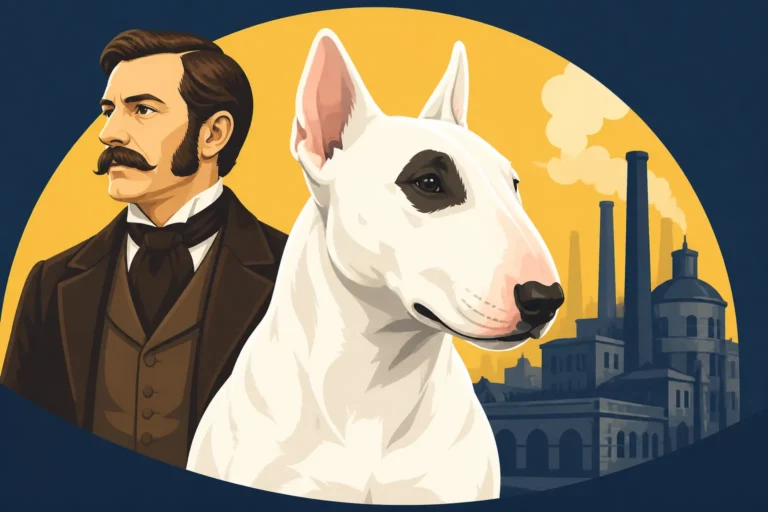
The story of the modern Bull Terrier truly begins with James Hinks in Birmingham, England, in the 1860s. Hinks, a dog dealer, was fascinated by the "Bull and Terrier" type dogs, which were popular at the time for their gameness and fighting prowess. However, Hinks envisioned something different: a dog with the courage and strength of the bull and terrier crosses, but with a refined, gentlemanly appearance. He wanted a dog that was striking, elegant, and instantly recognizable, a "White Cavalier" that would impress in the show ring as much as it was capable of holding its own. Who James Hinks Was is a fascinating read about the man behind the breed.
His initial goal was to produce an all-white dog, believing this added to its aesthetic appeal and symbolized purity and courage. The earliest Bull Terriers he produced, by crossing the Old English Bulldog with the now-extinct English White Terrier (and possibly other breeds like the Dalmatian for elegance and refinement), still had a somewhat discernable stop. But Hinks was a visionary, and the process of refining the head shape, along with other characteristics, was already underway. He laid the groundwork for the unique profile we know today, setting the breed on a path to distinction.
Selection for the Desired Profile
As the breed developed beyond Hinks' initial efforts, breeders continued to strive for the distinctive head that is now synonymous with the Bull Terrier. The desire for a smooth, unbroken profile—the "downface" and absence of a stop—became a paramount characteristic. This wasn't achieved overnight. It involved generations of careful selection, where dogs exhibiting a more pronounced stop were slowly phased out of breeding programs in favor of those with a smoother curve.
Imagine the painstaking process: breeders would observe puppies, looking for those with the most promising skull development, the nascent hint of that coveted unbroken line. They would then breed these individuals, hoping to intensify the trait in successive generations. This selective pressure was so strong that it fundamentally reshaped the cranial structure of the breed. It shows the incredible power of human selection in shaping canine morphology, transforming a functional fighting dog into a stylish companion with an iconic profile. This evolution is explored further in How the Bull Terrier's Head Changed Over Time.
Influential Breeds in the Lineage
The Bull Terrier's distinct head shape didn't just appear out of thin air; it evolved from a fascinating mix of foundational breeds, each contributing elements that were then refined and exaggerated through selective breeding. The primary ancestors were the Old English Bulldog and the now-extinct English White Terrier.
The Old English Bulldog, a powerful and tenacious dog, brought the robust bone structure, strength, and courageous temperament. These dogs typically had a broad skull and a moderate to pronounced stop. The English White Terrier, on the other hand, was an elegant, graceful dog, known for its refined features and often a cleaner, longer head than the bulldog. This breed, though gone now, contributed significantly to the Bull Terrier's overall refinement and the push towards a more elegant, distinctive profile. Beyond these two, there are theories about other breeds contributing, such as the Dalmatian, which could have offered its elegant outline, striking white coat, and cleaner head lines, further nudging the Bull Terrier away from a pronounced stop and towards a smoother transition. Which Breeds Went Into the Bull Terrier offers a deeper dive into this fascinating genetic tapestry. The genius of early Bull Terrier breeders was in combining these diverse traits and then selectively breeding to diminish the features they didn't want (like the stop) and amplify those they did (like the downface).
The Genetics and Anatomy Behind the Lack of a Stop
The Bull Terrier's distinct head profile is a complex interplay of genetics dictating cranial structure and bone development. It's not just a superficial trait; it's deeply ingrained in their skeletal makeup.
Cranial Structure and Bone Development
The absence of a stop in a Bull Terrier is due to the unique way the bones of its skull and muzzle are structured and develop. In most dogs, there's a distinct angle or junction where the frontal bone (forehead) meets the nasal bones (bridge of the nose). This creates the visible indentation we call the stop. In Bull Terriers, however, the frontal bone extends more smoothly into the nasal bones, creating a continuous, convex curve without any sharp demarcation.
This seamless transition is achieved through a combination of bone length, angulation, and skull depth. The skull itself is deep, broad, and long, and the muzzle is well-filled and powerful, tapering only slightly towards the nose. The overall effect is a dense, strong bone structure that supports the "downface." This isn't just about a superficial lack of an indentation; it's about the entire architecture of the head being designed for this specific, unbroken profile. This unique development contributes to their powerful bite and sturdy build, making them not just visually distinctive but also robust.
Genetic Markers for Head Shape
While pinpointing the exact genetic markers for every nuanced aspect of a dog's head shape can be complex, it's clear that the Bull Terrier's downface is a strongly heritable trait. Breeders actively selected for this specific phenotype over many generations, meaning that the genes responsible for this cranial structure were consistently chosen and amplified. It’s not just one gene, but likely a combination of genes influencing bone growth, skull morphology, and facial structure that come together to produce the iconic Bull Terrier head.
When breeders were aiming for the downface, they were essentially selecting for specific genetic combinations that encouraged the smooth curve and minimized the frontal-nasal indentation. This is why well-bred Bull Terriers consistently exhibit this trait; it's hardwired into their genetic blueprint. Understanding this genetic basis helps us appreciate the skill and dedication of the breeders who essentially sculpted the breed's appearance through selective breeding. While we might not name the specific alleles, the evidence of their work is clearly visible in every Bull Terrier's profile.
Living with the Downface: Implications for the Bull Terrier
The Bull Terrier's distinctive downface is undeniably striking and a cornerstone of its breed identity. But beyond aesthetics, what does this unique head shape mean for the dog itself? Thankfully, for the Bull Terrier, this particular trait largely remains a matter of beauty rather than a source of health complications, which isn't always the case for other breeds with extreme features.
Aesthetic Appeal vs. Function
The Bull Terrier's downface is almost entirely about aesthetic appeal. It was a conscious choice by early breeders like James Hinks to create a dog that was both powerful and elegant, distinguishing it from its more utilitarian ancestors. This unique profile gives the Bull Terrier its "gentlemanly" yet mischievous look, a blend of strength and charm that is instantly recognizable. From a functional standpoint, the smooth, unbroken curve and deep muzzle don't hinder the dog's ability to breathe, unlike some brachycephalic breeds where a very short, flat face can lead to respiratory issues. The Bull Terrier still has plenty of nasal passage length and a well-developed respiratory system.
While the "egg-head" look is prized in the show ring and by breed enthusiasts, it generally poses no detriment to the dog's everyday life. Their powerful jaws, which are part of that robust head structure, are certainly functional, perfect for gripping toys or a good, hearty chew. Chewy offers a fantastic selection of durable chew toys that can stand up to a Bull Terrier's powerful bite, ensuring their strong jaws get a proper workout without destroying furniture. So, while other breeds might have features bred for specific working functions, the Bull Terrier's downface is largely a triumph of form, a sculptured masterpiece of canine breeding.
Grooming and Care Considerations
When it comes to grooming and care, the Bull Terrier's downface and the absence of a stop typically don't present any unique challenges. Their short, harsh coat is relatively low maintenance, requiring only weekly brushing to remove loose hair and keep their skin healthy. However, the smooth, un-creased skin of their face does mean you should regularly check for any minor irritations or scratches, particularly around the eyes and nose.
Because their skin is their weakest point, as discussed in A Bull Terrier's Skin Is Its Weakest Point, you'll want to ensure their facial skin remains clean and free of debris that could potentially lead to issues. While there aren't deep wrinkles to clean, like in some brachycephalic breeds, a quick wipe with a damp cloth can help keep their face fresh, especially after they've been rooting around in the garden or finishing a messy meal. Their triangular eyes, while small, are usually deep-set and well-protected, but always keep an eye out for any discharge or redness, just as you would with any dog.
Vision and Sensory Perception
The Bull Terrier's unique head, particularly its small, triangular eyes set obliquely, can sometimes lead owners to wonder if their vision or other sensory perceptions are impacted. The reality is that the Bull Terrier's vision is generally very good, despite the distinctive eye shape. Why a Bull Terrier's Eye Is the Smallest of Any Breed delves into the historical and aesthetic reasons for this specific feature. While their eyes might appear small, they are functional and provide adequate sight.
It’s true that the forward placement and angulation of their eyes, combined with the lack of a prominent brow ridge (due to no stop), can sometimes slightly limit their peripheral vision compared to breeds with wider-set eyes and more pronounced stops. However, this is usually negligible in their day-to-day life. Bull Terriers are adept at using their other senses, particularly smell and hearing, to compensate and navigate their environment with ease. They are active, intelligent dogs, and their unique facial structure does not typically lead to sensory deficits. You might find them turning their head slightly more to get a full view, but this is a natural compensation and not indicative of a problem. Whether a Bull Terrier Can See Straight Ahead offers more insight into their visual field.
The Bull Terrier Standard and Breed Recognition
For any purebred dog, the breed standard is the blueprint, the ideal against which individual dogs are measured. For the Bull Terrier, their distinctive head, including the absence of a stop, is a defining characteristic outlined in meticulous detail.
What Breed Standards Say About the Head
Both major kennel clubs, such as the American Kennel Club (AKC) and The Kennel Club (UK), emphasize the Bull Terrier's unique head in their breed standards. The language used is very specific, reflecting the importance of this feature. They describe the head as "long, strong, and deep right to the end of the muzzle, but not coarse." Crucially, they state that "the top of the skull is almost flat from ear to ear, and slopes gently down from that point to the tip of the nose, with no stop between the forehead and the foreface." This explicitly outlines the desired "downface" and the complete absence of any indentation.
The standards also specify that the profile should be "egg-shaped," "well-filled," and "without hollows or indentations." The nose should be black, with well-developed nostrils, continuing the smooth line of the downface. Judges in the show ring pay close attention to this feature, as any deviation—a visible stop, a weak muzzle, or a flat profile—would be considered a fault. This commitment to the unique head shape ensures that the Bull Terrier remains visually distinct and true to the vision of its founders.
Judging and Showing the Bull Terrier's Head
In the competitive world of dog shows, the Bull Terrier's head is often considered the most critical feature by judges. It's the hallmark of the breed, instantly setting it apart, and a dog's head quality can often make or break its chances in the ring. Judges will meticulously examine the dog's profile, feeling the skull and muzzle to ensure there are no lumps, bumps, or, most importantly, no discernible stop. They are looking for that perfect, smooth, convex curve from the top of the skull to the nose tip.
The "fill" of the muzzle, meaning how well-developed and powerful it appears, is also crucial. A snipy (thin) muzzle or one that lacks depth is considered a fault. The eyes, though small and triangular, must be correctly placed and dark, adding to the determined yet intelligent expression. Ultimately, a Bull Terrier that exemplifies the breed standard's description of the head, demonstrating that clean, unbroken downface and Roman finish, will be highly regarded. It's a testament to the breed's unique history and the artistic vision that sculpted its appearance over generations.
| Feature | Most Dog Breeds (e.g., Labrador) | Bull Terrier |
|---|---|---|
| Stop Definition | Distinct indentation/angle | Absent, smooth, continuous curve |
| Head Profile | Varied; often with a break or angle | "Downface" – unbroken, convex curve |
| Muzzle Shape | Can vary from blocky to tapered | "Roman finish" – slight upward arch in bridge |
| Overall Head Shape | Defined by skull/muzzle proportions with a stop | "Egg-shaped" when viewed from front |
| Breeding Focus | Functionality, traditional aesthetics | Unique, distinctive aesthetic; "White Cavalier" |
Disclaimer
This article is for general informational purposes only and does not constitute professional advice. Laws, prices and regulations vary by location and change over time. Consult a qualified professional for guidance on your specific situation.