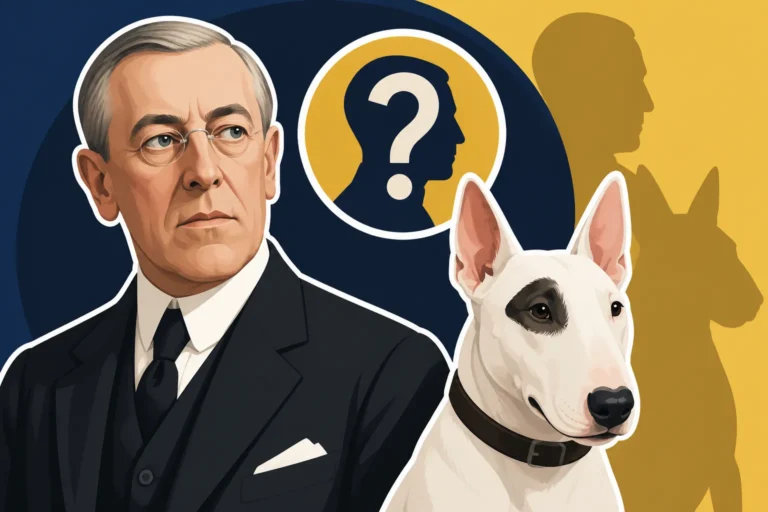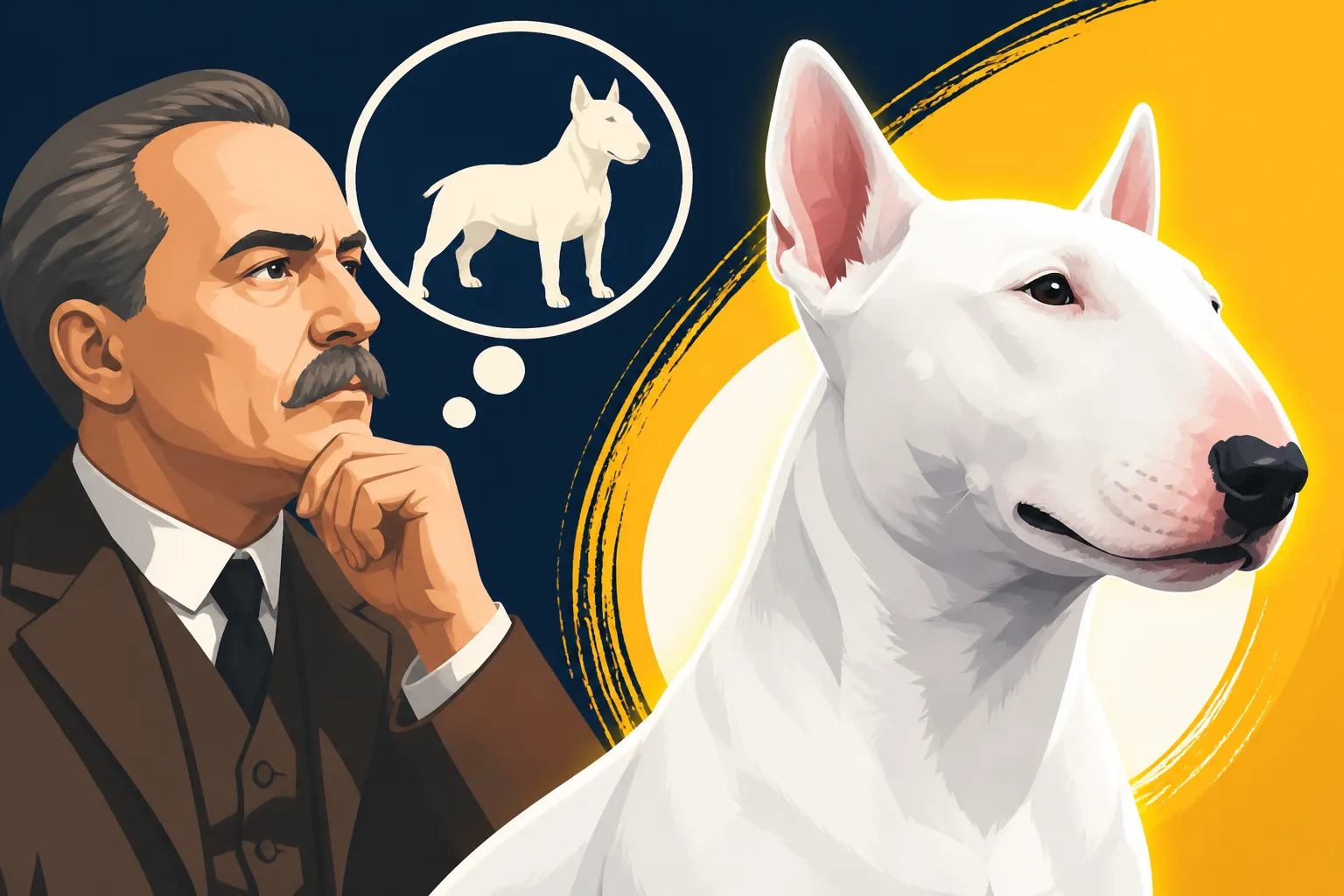
Why Hinks Wanted an All White Dog
Many Bull Terrier enthusiasts today might wonder about the historical origins of the breed's striking appearance, particularly the traditional preference for an all-white coat. While it might seem like a simple aesthetic choice, the vision behind James Hinks' desire for an all-white dog was deeply rooted in the social, functional, and aesthetic currents of 19th-century England, solving a perceived need for a more refined and distinguished canine companion. This guide will delve into the historical context, the breeding philosophy, and the symbolic significance that drove Hinks to champion the immaculate white Bull Terrier.
The Rough-and-Tumble World Before Hinks
Before James Hinks stepped onto the scene in the mid-19th century, the canine world, particularly among working and sporting breeds, was a far cry from the pedigreed show rings we know today. Dogs were bred primarily for function, often with little regard for standardized appearance. The bull and terrier types that preceded Hinks’s Bull Terrier were robust, tenacious animals, but their looks were often as varied and unrefined as the tasks they performed.
The Existing Bull and Terrier Types
Picture the bustling, gritty streets of Birmingham, England, in the 1850s. The dogs that roamed and worked there were descendants of the old English Bulldog and various terrier breeds, specifically crossbred for strength, courage, and agility. These were the "bull and terrier" dogs, popular for dog fighting, rat baiting, and guarding. Their coats came in a riot of colors – brindles, reds, fawns, blacks, and mixtures thereof. They were functional, no-nonsense dogs, built for endurance and a fierce grip, but lacked a consistent "look." Their appearance was secondary to their ability to perform. They were often rough-coated, muscular, and somewhat squat, a far cry from the elegant lines Hinks would later cultivate.
These dogs were seen as working-class companions, often associated with the less savory aspects of society, like underground blood sports. They were tough, yes, but they weren't necessarily considered beautiful or stylish in the Victorian sense. Their varying colors and often coarse coats did little to distinguish them aesthetically. It was into this landscape that James Hinks Built the Bull Terrier in Birmingham in the 1860s, and he saw an opportunity not just to create a better working dog, but a truly distinctive one.
The Drive for Refinement and Style
James Hinks, a Birmingham dog dealer, recognized the inherent qualities of these existing bull and terrier crosses – their loyalty, determination, and resilience. However, he also possessed a keen eye for aesthetics and a vision for elevating the breed beyond its working-class roots. He wasn't content with the motley appearance of the dogs available. Hinks wanted a dog that combined the gameness and strength of its ancestors with an undeniable elegance and purity of form. He envisioned a canine companion that could grace a gentleman's drawing-room as easily as it could dispatch vermin or compete in a show ring.
This desire for refinement wasn't just about superficial beauty; it was about creating a new identity for the breed. Hinks sought to produce a dog that exuded class and sophistication, a departure from the rugged, often intimidating image of the older fighting dogs. He aimed for a cleaner, more streamlined silhouette, a more balanced head, and crucially, a coat color that would visually set his creation apart from all others. This pursuit of a distinctive aesthetic was a hallmark of his breeding philosophy, a commitment to a specific ideal that would forever change the Bull Terrier breed.
The Allure of White: A Hinksian Vision
The choice of an all-white coat by James Hinks was far from accidental. It was a deliberate, visionary decision that aimed to imbue his newly developing Bull Terrier with qualities of purity, distinction, and an undeniable aristocratic flair. In a world of often-mottled or dark-coated working dogs, white stood out as a bold statement.
White as a Mark of Distinction and Purity
Imagine walking a dog in Victorian England that was utterly immaculate, gleaming white against the grimy urban backdrop. This was the statement Hinks wanted to make. White, in that era, was often associated with purity, nobility, and status. It conveyed an image of cleanliness and sophistication that directly contrasted with the rugged, earthy tones of most working dogs. By breeding for an all-white coat, Hinks instantly set his Bull Terriers apart. They weren't just another variant of the bull and terrier; they were something new, something special.
This choice wasn't purely cosmetic; it was a branding exercise, long before the term existed. An all-white dog was memorable, striking, and commanded attention. It suggested a level of care and expense to keep it clean, further aligning the breed with gentility. This stark color choice allowed Hinks to visually distance his dogs from the bloodsport arena and position them as companions for discerning individuals. It proclaimed that these dogs were bred with intention, with an eye towards an ideal that transcended mere function.
Elevating the Breed's Status
Hinks's ambition went beyond just creating a pretty dog; he wanted to elevate the entire breed in public perception. The existing bull and terrier dogs, despite their admirable qualities, often suffered from a poor reputation due to their association with fighting. Hinks's vision was to transform this image. By creating the "White Cavalier," a dog known for its courage yet bred to be a gentleman's companion, he sought to change how the breed was perceived. The White Cavalier: Why the Bull Terrier Never Started Fights dives deeper into this philosophy.
The pure white coat played a crucial role in this transformation. It symbolized a clean slate, a departure from the breed's rough past. It suggested a dog of character and dignity, rather than a mere brute. This elevated aesthetic helped to shift the breed into a different social sphere, attracting owners who appreciated both its physical prowess and its refined appearance. It positioned the Bull Terrier as a versatile companion, capable of being a loyal protector, an elegant show dog, and a beloved family member, shedding its former, less desirable associations.
The Art and Science of Breeding for White
Achieving an all-white coat was not a simple matter of choosing two white parents. Genetics, even in the 19th century, presented complexities, and Hinks was a master of selective breeding, meticulously working towards his ideal. His process involved careful selection and, inevitably, facing some unforeseen challenges that came with concentrating specific genetic traits.
The Genetic Pursuit of an Unblemished Coat
To create his pristine white Bull Terrier, Hinks reportedly introduced elements of the English White Terrier (a now-extinct breed known for its pure white coat, but also its delicate constitution) and possibly even the Dalmatian, another breed famous for its striking white base coat, to the existing bull and terrier stock. This was a deliberate effort to dilute the various colors present in the traditional bull and terrier and push towards a consistent, unpigmented coat. He would have carefully observed litters, selecting puppies with the whitest coats for future breeding, gradually intensifying the desired trait.
This was a long and arduous process, involving a deep understanding, albeit intuitive, of Mendelian genetics long before Mendel's work was widely known. Hinks's success lay in his unwavering commitment to his vision, continually refining his lines. Each generation would bring him closer to his goal of a consistently pure white dog, free from undesirable markings, achieving a uniformity that was almost unheard of in dog breeding at the time. This focused breeding not only established the signature white coat but also contributed to shaping the distinctive head and body type we recognize today. Who James Hinks Was and Which Breeds Went Into the Bull Terrier offer more insights into his methods.
Unforeseen Challenges: Health Considerations
While the aesthetic goal of an all-white coat was achieved with remarkable success, it inadvertently brought along some significant health challenges, particularly deafness. It's now well-understood that the gene responsible for a lack of pigment, especially in all-white dogs, is often linked to congenital deafness. This was a heartbreaking reality that Hinks and early Bull Terrier breeders would have encountered, though the scientific reasons for it were completely unknown at the time. They simply observed that some of their beautiful, all-white puppies were unable to hear.
This issue meant that while they were creating a dog of unparalleled visual distinction, they were also inadvertently perpetuating a serious health concern. Breeders, in their pursuit of the pure white ideal, had to grapple with these consequences. Today, responsible breeders actively test their puppies for deafness using the BAER test, and understand How Many White Bull Terriers Are Born Deaf. This genetic link serves as a powerful reminder that while aesthetic breeding goals can be met, they sometimes come with a cost, and require continuous, ethical management to ensure the overall health of the breed.
The "White Cavalier" and Public Perception
The Bull Terrier, particularly the all-white variant championed by Hinks, quickly earned the moniker "White Cavalier." This wasn't just a catchy phrase; it was a deliberate articulation of the breed's intended persona and its desired place in society. It encapsulated the blend of courage, elegance, and reliability that Hinks sought to cultivate.
A Gentleman's Companion, Not a Brawler
The term "Cavalier" evokes images of a noble, chivalrous gentleman—a stark contrast to the rough-and-tumble associations of the bull and terrier. By promoting his dogs as "White Cavaliers," Hinks aimed to present them as sophisticated companions suitable for the discerning upper classes, rather than mere fighting machines. These dogs were still undeniably powerful and courageous, possessing the inherent "gameness" of their ancestors, but their temperament was being refined for companionship. They were intended to be loyal, steadfast, and trustworthy protectors, not aggressors.
This public relations effort was incredibly successful. The Bull Terrier began to be seen less as a pit dog and more as a stylish, devoted companion. Accounts from the time speak of the Bull Terrier's gentle nature with its family and its impressive composure. The immaculate white coat visually reinforced this image of purity and good breeding, suggesting a dog that was refined enough to be part of genteel society. The idea was that the Bull Terrier would defend its owner with unwavering bravery if necessary, but otherwise, carry itself with dignity and good manners, living up to its noble title.
Symbolism of the Immaculate Appearance
The immaculate white coat became a powerful symbol for the breed itself. In an era where dog ownership was increasingly becoming a mark of status, the Bull Terrier's distinctive appearance made it instantly recognizable and desirable. The purity of its white coat stood as a testament to careful breeding and an owner's attention to detail. It was a dog that looked pristine, reflecting well on its owner.
Beyond mere aesthetics, the white coat also lent a certain mystique to the breed. It was striking, almost ethereal, and conveyed an impression of strength beneath a flawless exterior. This visual impact contributed significantly to the Bull Terrier's growing popularity among a new class of dog fanciers. It wasn't just a dog; it was a statement. This deep connection between appearance and symbolism continued to shape the breed's identity for decades, becoming a defining characteristic that even today many traditionalists cherish.
The Eventual Acceptance of Color
While James Hinks made the all-white Bull Terrier famous, the breed's journey didn't end there. As time went on, and particularly as understanding of genetics improved, the reintroduction and acceptance of colored Bull Terriers became not just a matter of preference but a crucial step for the breed's long-term health and vitality.
The Practicalities of Broadening the Gene Pool
For many years, only white Bull Terriers were accepted in the show ring, often leading to a relatively small and isolated gene pool. While Hinks had introduced some colored stock in his early breeding efforts to achieve the white, the subsequent exclusion of colored dogs from official recognition meant that certain valuable genetic traits, including those for health and vigor, could be lost or diminished. Breeding exclusively for a single, visually dominant trait like pure white, especially one linked to genetic issues like deafness, created challenges. It risked intensifying undesirable traits or narrowing the overall genetic diversity of the breed.
The reintroduction of color, often achieved by judiciously breeding back to various bull and terrier types or even by recognizing colored offspring from white parents, was a pragmatic decision aimed at strengthening the breed's overall health and conformation. It allowed for a wider selection of breeding animals, reducing the risks associated with inbreeding and helping to address the prevalence of inherited conditions. This move was about ensuring the robustness and longevity of the Bull Terrier breed for future generations, demonstrating a commitment to the animal's welfare beyond just its outward appearance. Colored Bull Terriers Were a Separate Fight details this historical battle.
Preserving Type and Temperament
The acceptance of colored Bull Terriers did not mean abandoning Hinks's original vision for the breed's character. Rather, it was about proving that the essential "type" – the unique head shape, the muscular build, the distinctive temperament – could be maintained regardless of coat color. The focus shifted from only white to the overall quality of the dog, encompassing its health, structure, and renowned personality. Whether a Bull Terrier was white, brindle, red, or tricolor, it still needed to embody the "cavalier" spirit: courageous, intelligent, and devoted.
Today, colored Bull Terriers are fully recognized and celebrated alongside their white counterparts. The conversation about the breed's health and genetics is much more informed, with breeders focusing on a holistic approach that balances aesthetic ideals with responsible breeding practices. The journey from Hinks's initial pursuit of the all-white dog to the modern recognition of diverse colors reflects the ongoing evolution of dog breeding – a continuous effort to create and maintain a healthy, beloved companion while staying true to the breed's core identity.
Bull Terrier Breed Overview Table
Here's a quick comparison of the Bull Terrier as envisioned by Hinks and its modern evolution:
| Feature | Hinks's Original Vision (Mid-19th Century) | Modern Bull Terrier (Today) |
|---|---|---|
| Coat Color | Primarily focused on pure, unblemished White | White, Brindle, Red, Fawn, Black (with white markings) and Tricolor |
| Temperament | "White Cavalier": courageous, gentlemanly, loyal | Still known for courage, playfulness, devotion, and sometimes stubbornness |
| Head Shape | Developing the "downface" and egg-shaped skull | Distinctive egg-shaped head with a Roman finish, small triangular eyes |
| Purpose | Companion, show dog, vermin control, status symbol | Family companion, show dog, various dog sports (agility, obedience) |
| Health Focus | Unaware of genetic links; primarily aesthetic | Strong emphasis on health testing (BAER, kidney, heart, patellas) |
| Social Standing | Elevated from fighting dog to gentleman's companion | Widely loved family dog, though sometimes misunderstood due to breed history |
| Recognition | Started with white-only in early show rings | All accepted colors compete equally in most registries |
Disclaimer
This article is for general informational purposes only and does not constitute professional advice. Laws, prices and regulations vary by location and change over time. Consult a qualified professional for guidance on your specific situation.