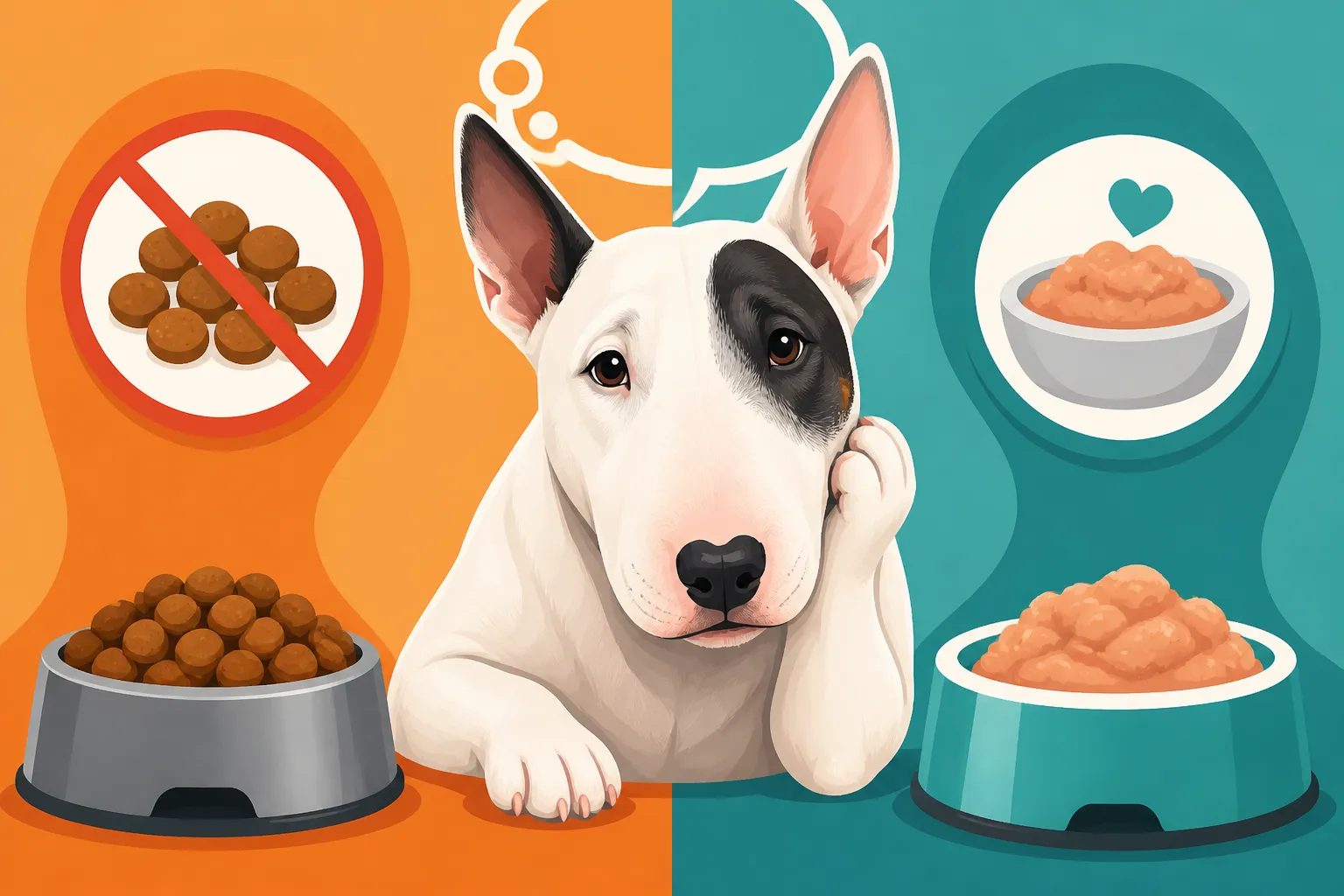
Whether an Aging Bull Terrier Needs Softer Food
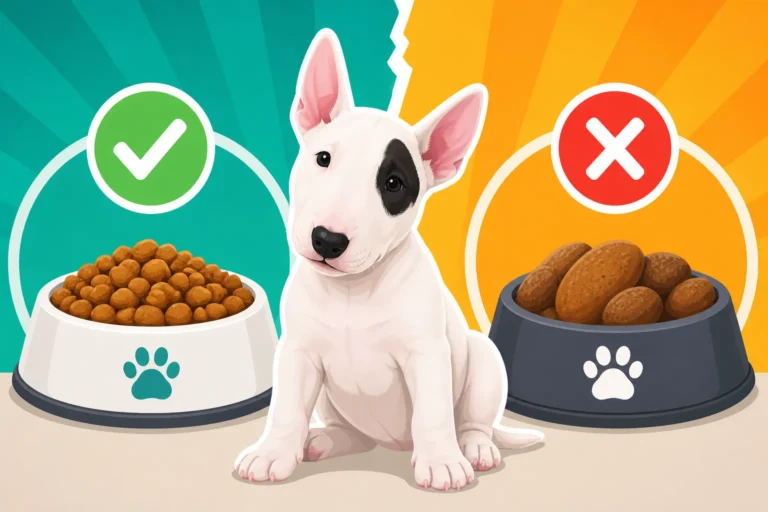
It’s a common moment for Bull Terrier owners: you watch your beloved, strong-jawed companion, who once inhaled kibble like a vacuum, now hesitate at their food bowl. Perhaps they drop pieces, chew slowly, or even turn away altogether. This can be incredibly worrying, making you wonder if their once-formidable teeth are no longer up to the task and if softer food is finally on the menu for your aging Bull Terrier. This guide will delve into the various reasons why a senior Bull Terrier might benefit from a diet change, what signs to look for, and how to make the transition as smooth and stress-free as possible for your cherished family member.
Understanding the Aging Bull Terrier's Oral Health and Digestion
As our Bull Terriers transition into their golden years, many physiological changes occur, affecting everything from their energy levels to their ability to process food. While they might still possess that signature clownish spirit, their bodies are subtly, or sometimes not so subtly, changing, and their mouth and digestive system are often at the forefront of these shifts. It's not just about worn teeth; it's a whole cascade of effects that can make a previously perfect diet less than ideal.
Dental Challenges in Senior Bull Terriers
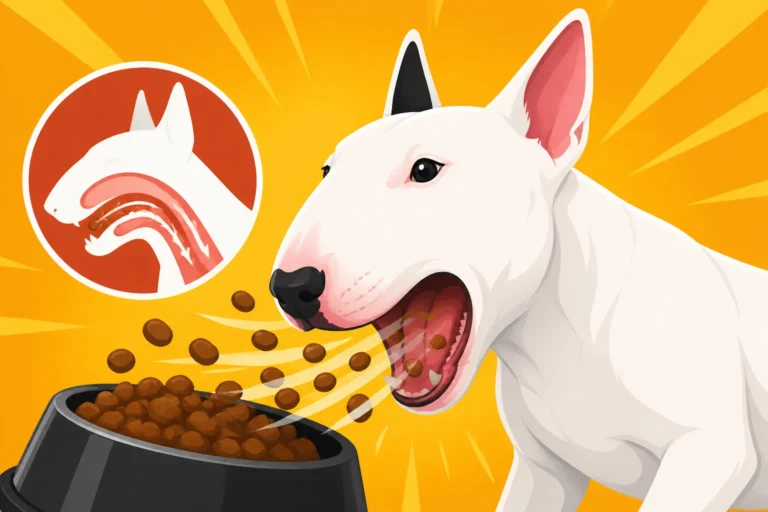
That powerful Bull Terrier jaw, capable of demolishing toys and crunching through the toughest kibble in their prime, can become a source of discomfort as they age. Over a lifetime, even with diligent care, dogs can develop significant dental problems. Plaque and tartar build-up lead to gingivitis and periodontal disease, where the gums become inflamed and the supporting structures of the teeth deteriorate. This can cause pain, loose teeth, or even tooth loss. Imagine trying to chew hard, crunchy kibble with a sore tooth or exposed nerve – it’s simply too painful. Some Bull Terriers might also suffer from worn-down teeth due to years of enthusiastic chewing on toys or even cage bars if they’ve been in a stressful environment. These worn surfaces can expose sensitive dentin, making eating a painful ordeal. Regular dental check-ups are paramount as they age, to catch these issues early.
Digestive Changes and Nutrient Absorption
Beyond the mouth, an aging Bull Terrier’s digestive system often becomes less efficient. Their stomach acid production might decrease, making it harder to break down complex foods. The motility of their gut can slow down, leading to constipation or discomfort. Furthermore, their ability to absorb essential nutrients can decline. This means that even if they are eating, they might not be getting all the vitamins, minerals, and protein they need from their current diet. Softer, more easily digestible foods can lighten the load on their digestive system, allowing for better nutrient absorption and minimizing discomfort. Think about how much easier it is for us to digest a smoothie or a soft meal when we're not feeling 100% – it's similar for our senior dogs.
Appetite and Hydration Concerns
Sometimes, a senior Bull Terrier’s appetite wanes, not necessarily due to pain, but simply a general slowing down or reduced sense of smell. Softer foods, especially wet foods, often have a stronger aroma and more palatable texture, which can entice a reluctant eater. Hydration also becomes a bigger concern for older dogs. They might not drink as much water, or kidney function might decline, requiring more moisture in their diet. Wet foods naturally contain a much higher water content than dry kibble, providing a crucial boost to their daily fluid intake, which is especially important for conditions like kidney disease. You might want to read about Signs a Bull Terrier's Kidneys Are Failing or What a Bull Terrier's Yearly Bloodwork Should Cover to stay on top of this.
Signs Your Senior Bull Terrier Might Need Softer Food
Our Bull Terriers are often stoic, pushing through discomfort with remarkable bravery. This means that by the time we notice obvious signs, they might have been struggling for a while. Being vigilant and knowing what to look for can help you intervene early and make their senior years more comfortable. It's about paying close attention to their eating habits, their general demeanor, and even the physical state of their mouth.
Changes in Eating Habits
The most immediate and obvious sign is a shift in how they approach mealtime. Is your Bull Terrier, who once greeted their food bowl with gusto, now hesitating or sniffing it warily? Do they take longer to finish their meal, or even walk away from it unfinished? You might notice them dropping kibble pieces out of their mouth more frequently, as if struggling to pick them up or keep them in. Chewing might become a slow, deliberate process, often accompanied by audible winces or subtle head shakes. Some dogs might even prefer to only eat from one side of their mouth if they have localized pain. Any deviation from their usual eating enthusiasm warrants investigation.
Oral Discomfort and Bad Breath
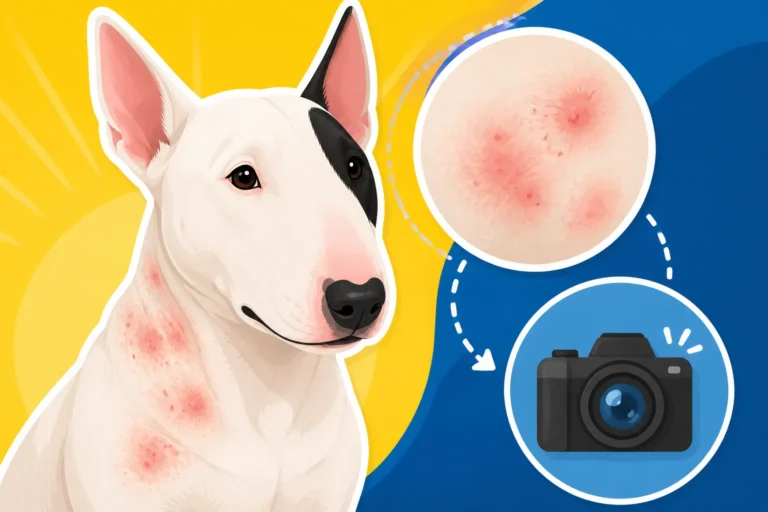
Beyond mealtime, keep an eye out for more general signs of oral discomfort. Excessive drooling, pawing at their mouth, or rubbing their face on furniture can all indicate pain. While "dog breath" is often accepted, truly foul breath, especially a strong, putrid odor, is a major red flag for advanced dental disease or infection. Inspect their gums and teeth regularly if they allow it. Look for redness, swelling, bleeding gums, or visible tartar build-up. Loose or missing teeth are also clear indicators. Even if you don't see obvious signs, remember that significant dental disease can be hidden below the gum line. A veterinary dental exam, sometimes requiring sedation, is the best way to get a full picture of their oral health.
Weight Loss and General Lethargy
If your Bull Terrier is consistently struggling to eat or absorb nutrients, weight loss will eventually follow. It might start subtly – their ribs become a bit more prominent, or their waist tucks in more sharply than before. This isn't always about losing muscle, though that can also happen as they age; sometimes it's purely due to inadequate calorie intake. Along with weight loss, you might notice a general decrease in their energy levels or an increase in lethargy. They might be less enthusiastic about walks, play, or their usual clownish antics. While some slowing down is normal with age, a significant dip in energy could be a symptom of underlying discomfort or nutritional deficiencies stemming from dental or digestive issues. How Much Weight an Aging Bull Terrier Loses can be a helpful read in understanding normal vs. concerning changes.
Types of Softer Food Options for Bull Terriers
Once you suspect your senior Bull Terrier might benefit from softer food, you’ll find a surprisingly wide array of options available. The "best" choice will depend on your dog's specific needs, your budget, and what they find most palatable. It's not just about texture; it's also about nutrient balance and digestibility. Exploring different formats can lead you to the perfect solution for your senior companion.
Canned Wet Food
Canned wet food is perhaps the most obvious and popular choice for dogs needing a softer diet. It comes in various textures, from pâtés to chunky stews, all of which are much easier to chew and swallow than dry kibble. The high moisture content is a huge bonus for hydration, especially for dogs with kidney concerns. Many senior-specific wet food formulas are designed with lower phosphorus and protein levels, tailored to support aging kidneys, and enriched with joint-supporting supplements like glucosamine. Brands like Purina Pro Plan Veterinary Diets or Royal Canin offer prescription options if your vet recommends them for specific health issues. You can often find a wide variety of quality wet food options on platforms like Chewy or Amazon.
Soaking or Hydrating Dry Kibble
If your Bull Terrier still enjoys the flavor of their current dry kibble, or if a complete diet overhaul isn't feasible, simply rehydrating their existing food can be a great first step. You can soak kibble in warm water, low-sodium broth, or even goat's milk until it softens into a mushy consistency. This makes it much easier to chew and swallow, and it also adds extra moisture to their diet. It's a fantastic way to ease them into softer textures without drastically changing their food formula, which can be beneficial for sensitive stomachs. Just be sure to let the kibble absorb the liquid fully so it doesn't expand later in their stomach, and don't leave it soaking for too long, especially in warm weather, as it can spoil quickly.
Fresh or Gently Cooked Diets
The fresh food movement has gained significant traction, and for good reason. Companies like Ollie offer pre-portioned, human-grade, gently cooked meals that are inherently soft and highly digestible. These diets are often free from common allergens and fillers, which can be beneficial for older dogs with sensitive stomachs or inflammatory conditions. The fresh ingredients and minimal processing can make them incredibly palatable, tempting even the pickiest senior eaters. While often pricier than kibble, the benefits for some dogs, particularly those with complex health issues or extreme finickiness, can be immense. If you're considering a fresh food diet, discuss it with your veterinarian to ensure it's nutritionally complete and balanced for your Bull Terrier's specific needs, especially if they have underlying health conditions.
DIY Soft Food Options
For those who prefer to prepare their Bull Terrier's meals at home, a homemade soft diet is an option, but it requires careful attention to nutritional balance. You can prepare soft, easily digestible foods like boiled chicken (no bones or skin), lean ground turkey, white rice, mashed sweet potatoes, and cooked pureed vegetables. However, it's crucial to consult with a veterinary nutritionist to ensure the diet provides all the necessary vitamins, minerals, and macronutrients your aging Bull Terrier needs. Without proper formulation, a homemade diet can lead to deficiencies or excesses that could harm their health. This is particularly important for breeds prone to specific health issues, like Bull Terriers who are susceptible to Hereditary Nephritis Takes Bull Terriers in Their Prime.
Here's a quick comparison of some popular softer food options:
| Food Type | Pros | Cons | Best For |
|---|---|---|---|
| Canned Wet Food | High moisture, highly palatable, readily available, nutritionally complete | Can be more expensive than kibble, some dogs find texture off-putting | Most senior dogs, those needing increased hydration, pickier eaters |
| Soaked Dry Kibble | Cost-effective, familiar taste, flexible hydration levels | Can spoil quickly, some kibble doesn't soften well, less palatable than wet | Dogs transitioning, those with mild dental issues, budget-conscious owners |
| Fresh/Gently Cooked | Highly palatable, digestible, minimal processing, human-grade ingredients | High cost, storage requirements, subscription service dependent | Picky eaters, sensitive stomachs, owners seeking premium diets |
| Homemade (Vet-Guided) | Full control over ingredients, fresh, no additives | Requires vet nutritionist guidance, time-consuming, risk of imbalance | Dogs with severe allergies, complex health needs, very specific dietary needs |
Transitioning Your Bull Terrier to a New Diet
Switching your Bull Terrier's food, especially a senior one, needs to be done gradually and carefully. Their digestive systems, particularly as they age, can be sensitive to sudden changes, and a rapid switch can lead to upset stomachs, diarrhea, or even a complete refusal to eat. Patience and observation are key to making this transition a success and keeping their tummy happy.
The Slow and Steady Approach
The golden rule for changing any dog's diet, especially a senior’s, is to do it slowly. A good starting point is over 7 to 10 days, gradually increasing the proportion of the new food while decreasing the old.
Here’s a common schedule:
- Days 1-2: 75% old food, 25% new food.
- Days 3-4: 50% old food, 50% new food.
- Days 5-6: 25% old food, 75% new food.
- Days 7+: 100% new food.
Some highly sensitive Bull Terriers, or those with underlying digestive issues, might need an even longer transition period, perhaps two weeks or more. Watch their stools and overall demeanor closely. If you notice any signs of digestive upset like loose stools, vomiting, or excessive gas, slow down the transition even further or consult your vet.
Enhancing Palatability and Encouraging Eating
Sometimes, even with the best intentions, a senior Bull Terrier might be hesitant about the new food. To encourage them, you can try warming wet food slightly to enhance its aroma. A tiny bit of low-sodium chicken broth mixed in can also make it more appealing. For Bull Terriers who are very finicky, sometimes rotating between two or three different soft food options can help keep them interested. Remember, the goal is to make mealtime a positive, pain-free experience. If your Bull Terrier has always been a discerning eater, you might be familiar with the struggles covered in Which Reward Outranks a Bull Terrier's Own Idea.
Monitoring Health and Consulting Your Veterinarian
Throughout the transition, and indeed, throughout your Bull Terrier's senior years, close communication with your veterinarian is vital. They can offer specific recommendations based on your dog's health history, current medical conditions (such as What Hereditary Nephritis Does to a Bull Terrier or heart murmurs like The Heart Murmur a Bull Terrier Puppy Should Be Checked For), and any medications they might be taking. After transitioning to softer food, monitor your Bull Terrier's weight, energy levels, and stool quality. If their appetite doesn't improve, or if they continue to show signs of discomfort, there might be other underlying issues that need addressing. Don't hesitate to book a check-up to ensure their comfort and well-being. Caring for an Old Bull Terrier offers a broader perspective on their needs.
Additional Considerations for Senior Bull Terrier Nutrition
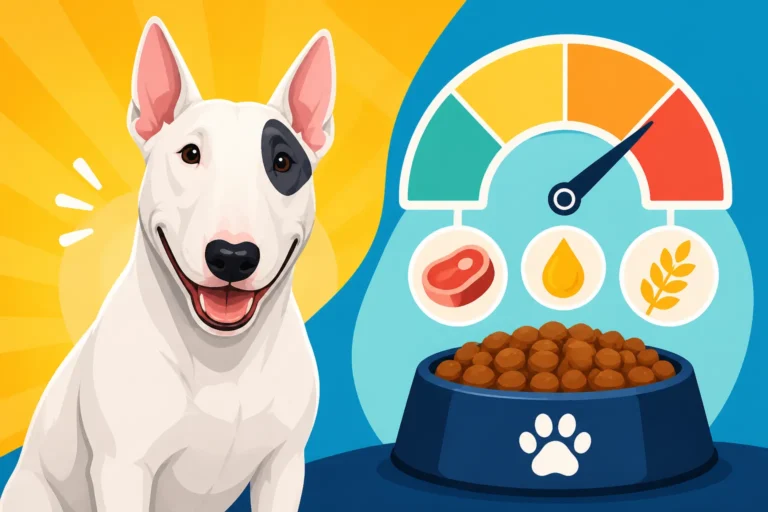
Transitioning to softer food is a significant step, but it's part of a larger picture of comprehensive senior care. Nutrition for an older Bull Terrier goes beyond just texture; it involves careful consideration of nutrient content, portion control, and how diet interacts with other aspects of their health. It's about optimizing their well-being for their precious remaining years.
Adjusting Calorie Intake and Nutrient Balance
As Bull Terriers age, their metabolism often slows down, and their activity levels tend to decrease. This means they often need fewer calories to maintain a healthy weight. Feeding the same amount of food they ate in their prime can quickly lead to unwanted weight gain, which puts extra strain on their joints and organs. Conversely, some senior dogs might lose weight due to decreased appetite or reduced nutrient absorption, in which case they might need a more calorie-dense food. It’s a delicate balance. How Many Calories a Bull Terrier Needs can help guide your calculations, but regular weigh-ins and body condition scoring are crucial. Your veterinarian can help you determine the ideal calorie intake and whether a senior-specific formula, which often has a different balance of protein, fat, and fiber, would be beneficial.
Hydration and Water Intake
We’ve touched on this, but it bears repeating: hydration is incredibly important for older dogs. Softer foods, especially wet options, naturally boost their fluid intake. However, continue to provide fresh, clean water at all times. Consider placing multiple water bowls around the house, or even investing in a dog water fountain, which some dogs find more appealing. Ensuring adequate hydration supports kidney function, aids digestion, and helps prevent constipation. This is particularly vital for Bull Terriers who may be prone to kidney issues.
Supplements for Joint Health and Cognitive Function
Beyond their regular diet, many senior Bull Terriers can benefit from certain supplements. Glucosamine and chondroitin are popular choices for supporting joint health, especially in a muscular breed like the Bull Terrier. Omega-3 fatty acids, found in fish oil, can reduce inflammation, support skin and coat health, and may even aid cognitive function. Medium-chain triglycerides (MCTs) can also be beneficial for brain health in aging dogs. Always discuss any supplements with your veterinarian before adding them to your Bull Terrier's routine, as they can interact with medications or existing health conditions. A holistic approach, combining appropriate food with targeted supplements, can make a huge difference in their quality of life.
The Role of Regular Vet Check-ups
Finally, no discussion of senior Bull Terrier care is complete without emphasizing the importance of regular veterinary check-ups. These aren't just for vaccinations anymore; they are crucial for monitoring overall health, catching subtle changes before they become serious problems, and adjusting their care plan as needed. As our Bull Terriers pass The Age a Bull Terrier Is Considered Senior mark, twice-yearly check-ups become the norm. Your vet can perform dental checks, assess organ function through bloodwork and urinalysis (like What a UPC Ratio Tells a Bull Terrier Owner), and discuss any behavioral or physical changes you’ve noticed. Their professional guidance is invaluable in ensuring your senior Bull Terrier remains as happy and comfortable as possible.
Disclaimer
This article is for general informational purposes only and does not constitute professional advice. Laws, prices and regulations vary by location and change over time. Consult a qualified professional for guidance on your specific situation.