Why a Bull Terrier’s Tail Tip Splits
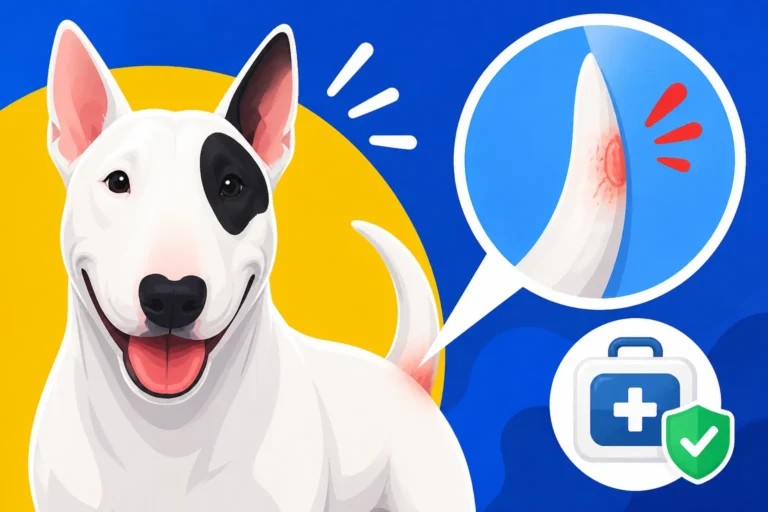
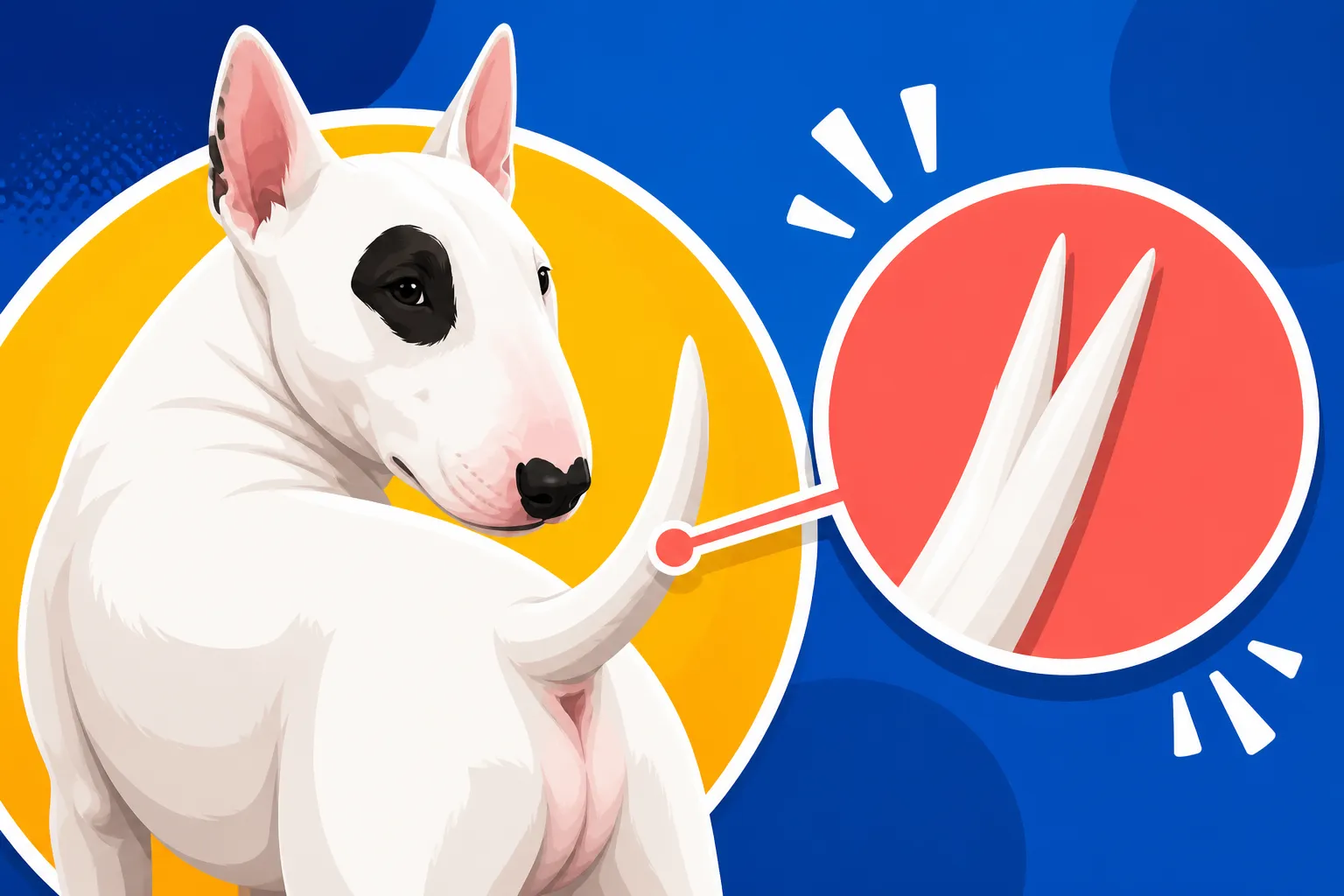
It's an utterly heartbreaking sight, isn't it? You see your Bull Terrier wagging their tail with all the gusto in the world, a flurry of pure joy, only to notice a tiny speck of blood, or worse, a raw, painful split at the very tip. Many Bull Terrier owners face this frustrating and often recurring problem. This guide is here to shed light on why your spirited companion's tail tip might be splitting, what you can do about it, and how to prevent those painful recurrences.
The Anatomy of a Bull Terrier's Tail: A Recipe for Trouble
Understanding why Bull Terriers are particularly prone to tail tip injuries begins with a closer look at their unique anatomy. It’s not just bad luck; there are several physical characteristics that predispose them to this vexing issue.
The Tail's Natural Design and Movement
A Bull Terrier's tail is often described as thick at the root, tapering to a fine point. It's carried rather high, generally parallel to the ground, but when a Bull Terrier is excited, that tail becomes a powerful, expressive tool. They don't just wag; they thump. Their tails move with incredible force and speed, especially when they're greeting you after a long day or getting ready for a walk. This exuberant motion, combined with the tail's substantial muscle and bone, can turn it into a surprisingly effective, albeit accidental, blunt instrument. Think about the sheer enthusiasm of a Bull Terrier when it sees you – that tail doesn't just swish gently; it whips around with enough power to mark walls and legs, making every solid surface a potential hazard.
Skin Vulnerability and Lack of Padding
Unlike some breeds with thick, plush coats that offer a degree of cushioning, a Bull Terrier's coat is short, flat, and harsh to the touch. It offers very little protection to the underlying skin, especially at the tip where the tail tapers and the fur coverage can be even sparser. This lack of natural padding means there's almost nothing to absorb the impact when that powerful tail makes contact with a hard surface. The skin on the tail, particularly the tip, is surprisingly delicate and lacks the robust fat and muscle layers found on other parts of their body. When that unpadded tip repeatedly hits something hard, the skin simply can't withstand the pressure, leading to abrasions, bruising, and eventually, a painful split. A Bull Terrier's Skin Is Its Weakest Point for more on their dermatological challenges.
The Many Reasons a Bull Terrier's Tail Tip Splits
While the anatomy sets the stage, various factors, from their joyful antics to environmental hazards, play a role in causing a Bull Terrier's tail tip to split. It’s often a combination of enthusiasm and unfortunate circumstances.
"Happy Tail" Syndrome: The Most Common Culprit
This is perhaps the most well-known reason for tail tip injuries in high-energy, strong-tailed breeds like Bull Terriers. "Happy tail" syndrome isn't a medical condition in itself, but rather a descriptive term for the cycle of injury that occurs when a dog repeatedly bangs its tail against hard surfaces due to vigorous wagging. Imagine your Bull Terrier, overjoyed at your return home, thumping its tail against the wall, a door frame, furniture legs, or even the side of their crate. Each enthusiastic thump can cause minor trauma. Over time, these minor impacts accumulate, the skin becomes inflamed, bruised, and then, inevitably, it splits. The problem then escalates because once the tail tip is raw or open, even a gentle wag can reopen the wound, making it incredibly difficult to heal. It’s a vicious cycle of joyful injury, and it's heartbreaking to witness your dog suffer for simply being happy. How to Treat a Bull Terrier's Happy Tail offers more specific advice.
Environmental Hazards and Repetitive Trauma
Beyond the general enthusiasm, specific elements in your Bull Terrier's environment can contribute to tail tip splits. Anywhere there are hard, unforgiving surfaces, there's a risk.
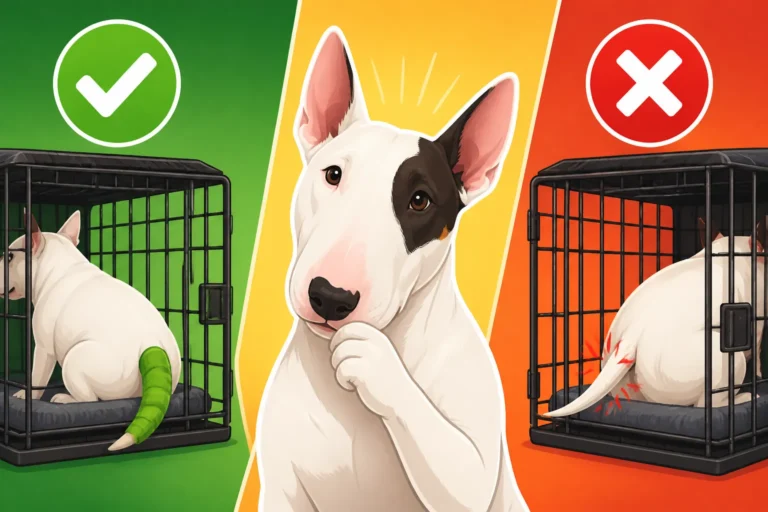
- Crate Edges: A dog crate, especially one made of wire, can be a major culprit. When a Bull Terrier is excited and wags its tail while inside the crate, the tail tip can repeatedly strike the wire bars or hard plastic edges. This can lead to persistent injury and prevent healing. This is a common issue many Bull Terrier owners contend with, and finding a suitable crate solution is key. You might find heavy-duty crate pads or custom liners on Chewy or Amazon that could offer some padding for the sides.
- Furniture and Walls: Low-slung coffee tables, chair legs, sharp corners of walls, or even the hard edges of your bed frame can all be targets for an unrestrained, happy tail.
- Outdoor Surfaces: Concrete patios, brick walls, or rough fencing can also cause damage, particularly if your Bull Terrier spends time outdoors and gets excited about something passing by.
- Kennel or Boarding Facilities: If your Bull Terrier stays in a kennel with hard, concrete runs or wire partitions, they could be at increased risk, especially if they are prone to anxiety or extreme excitement in new environments.
It's not usually one big impact, but the cumulative effect of many small, repeated traumas that finally causes the skin to give way.
Secondary Issues: Infections and Self-Trauma
Once the tail tip is split, it becomes an open wound, and open wounds are prime targets for bacterial infections. The tail is often in contact with various surfaces, making it easy for bacteria to enter the wound. An infection can cause further inflammation, pain, and itching, which can then lead to your Bull Terrier licking, chewing, or biting at their own tail, exacerbating the injury. This self-trauma further complicates healing and can turn a small split into a much larger, more serious wound. Sometimes, what starts as an environmental injury can quickly become a behavioral one as the dog tries to alleviate discomfort. A Bull Terrier's Teeth and That Enormous Jaw reminds us of their powerful bite, making self-trauma a real concern. What a Bull Terrier Does When It Is Bored can sometimes include obsessive licking or chewing if left unattended.
First Aid and Prevention: Protecting That Precious Tail
When you discover a split tail tip, acting quickly can prevent further complications. Beyond immediate care, proactive measures are essential to break the cycle of injury.
Immediate Care for a Split Tail
If you notice your Bull Terrier's tail tip is split and bleeding, try not to panic, but do act swiftly.
- Control Bleeding: Apply gentle, direct pressure to the wound with a clean cloth or gauze. Bull Terrier tails can bleed quite a bit due to the rich blood supply, so don't be alarmed by the amount of blood, but focus on stopping it.
- Clean the Wound: Once the bleeding has slowed, gently clean the area with a mild antiseptic solution, such as diluted povidone-iodine or chlorhexidine, or just warm water and a mild, pet-safe soap. Avoid harsh chemicals or alcohol, which can cause more pain and damage.
- Protect the Wound: This is the tricky part. The goal is to keep the wound clean and protected from further injury.
- Bandaging: A soft, non-stick gauze pad secured with self-adhering veterinary wrap (available at most pet stores or on Chewy) can work wonders. You'll need to apply the bandage firmly enough to stay on, but not so tight that it cuts off circulation. Start wrapping higher up the tail and work your way down, adding several layers around the injured tip for padding. Change the bandage daily to check the wound and reapply antiseptic.
- Cone of Shame (E-Collar): If your Bull Terrier is licking or chewing at the bandage or the wound itself, an Elizabethan collar (cone) is absolutely necessary. This prevents them from undoing your hard work and causing self-trauma. You can find comfortable, inflatable cones on Amazon if the traditional plastic ones are too cumbersome.
- Monitor: Keep a close eye on the wound for signs of infection, such as increased redness, swelling, pus, or a foul odor. If you see any of these, it's time to call the vet.
Creating a Safer Environment
Prevention is always better than cure, especially with "happy tail." Making some adjustments to your home and your Bull Terrier's immediate surroundings can drastically reduce the risk of tail tip splits.
- Crate Modifications: If your Bull Terrier is crated, consider options that offer more tail protection. A solid-sided crate (often called a "furniture-style" crate) or a heavy-duty plastic airline crate might be a better choice than a wire crate, as they prevent the tail from hitting bars. If you must use a wire crate, line the interior sides with thick, soft bedding, crate bumpers, or even custom-cut foam panels to provide a buffer. Whether a Bull Terrier's Tail Should Be Protected in a Crate delves deeper into this issue.
- Padding Vulnerable Areas: Identify areas in your home where your Bull Terrier frequently wags its tail. Corners of walls, hard furniture legs, or the underside of tables can all be padded with foam, blankets, or even pool noodles cut to fit.
- Outdoor Spaces: Inspect your yard for hard surfaces or sharp edges where your Bull Terrier might repeatedly strike their tail. Consider adding softer ground cover like mulch or grass in high-traffic areas, or fencing off particularly dangerous spots.
- Dog Beds: Ensure your Bull Terrier has soft, comfortable bedding. While they might still wag their tail enthusiastically, a padded surface is far kinder than a hard floor. Choosing Which Bed Survives a Bull Terrier might be an important consideration if they are also destructive.
Managing Behavior and Enrichment
Sometimes, excessive tail wagging can be a symptom of boredom, anxiety, or simply overexcitement. Addressing these underlying behavioral aspects can indirectly help protect their tail.
- Consistent Exercise: A well-exercised Bull Terrier is generally a calmer Bull Terrier. Ensure they are getting enough physical activity to burn off that boundless energy. This doesn't mean just letting them out in the yard; it means engaging walks, playtime, and mental stimulation.
- Mental Enrichment: Bull Terriers are intelligent and need to use their brains. Puzzle toys, training sessions, and scent work can help satisfy their mental needs and reduce excessive, undirected energy. You can find a great selection of durable puzzle toys and chews on Amazon or Chewy that can keep them happily engaged.
- Training: While you can't stop a Bull Terrier from being happy, you can train them to offer calmer greetings. Teach them to sit for attention, or to go to a mat when visitors arrive. Reward calm behavior heavily.
- Anxiety Management: If excessive tail wagging is linked to separation anxiety or other anxieties, consult a professional trainer or veterinary behaviorist. Medications or behavioral modification techniques might be needed to reduce their overall stress levels.
When to Call the Vet: Professional Treatment and Long-Term Strategies
While first aid is crucial, some tail tip splits require professional veterinary intervention. Ignoring these injuries can lead to chronic pain, recurrent infections, and even more drastic measures.
Recognizing When Professional Help is Needed
It's not always easy to know when a home remedy isn't enough. Here are clear signs that it’s time to consult your veterinarian:
- Persistent Bleeding: If you can't stop the bleeding after several minutes of firm pressure, or if it restarts easily after bandaging, your Bull Terrier needs immediate veterinary attention.
- Deep or Large Wounds: Any split that appears deep, wide, or exposes underlying tissue (bone or tendon) should be seen by a vet. These wounds are at higher risk for severe infection and may require stitches or surgical closure.
- Signs of Infection: As mentioned earlier, increased redness, swelling, heat, pus, or a foul odor emanating from the wound are all red flags. Fever, lethargy, or loss of appetite can also indicate a systemic infection.
- Non-Healing Wounds: If the wound isn't showing signs of healing after a few days of diligent home care (e.g., still open, raw, or getting worse), a vet visit is essential. The persistent movement of the tail makes healing very difficult.
- Recurrent Injuries: If your Bull Terrier repeatedly splits their tail tip, despite your best efforts at prevention and home care, it's crucial to seek veterinary advice. A persistent problem often requires a more aggressive, long-term strategy. The Weekly Skin Check Every Bull Terrier Needs is vital for early detection.
Veterinary Treatments for Tail Injuries
Your vet has a range of options for treating a split Bull Terrier tail tip, depending on the severity and chronicity of the injury.
- Wound Cleaning and Debridement: The vet will thoroughly clean the wound, removing any dead tissue to promote healthy healing.
- Sutures or Surgical Closure: For deeper or wider splits, sutures may be necessary to close the wound. This can be challenging on a high-motion area like the tail, and specialized suturing techniques might be employed.
- Antibiotics and Pain Medication: If infection is present or highly likely, antibiotics (oral or topical) will be prescribed. Pain relievers and anti-inflammatory medications will also be given to keep your Bull Terrier comfortable during the healing process.
- Tail Amputation (Caudectomy): This is a drastic but sometimes necessary measure for severe, chronic, non-healing tail tip injuries. If the tail tip is constantly splitting, getting infected, and causing your Bull Terrier significant pain and discomfort, amputation of the affected portion of the tail may be the only way to resolve the issue permanently. This is always a last resort, but for some Bull Terriers, it can be a life-changing procedure that finally brings relief. The vet will discuss the procedure, recovery, and potential implications with you in detail.
- Bandaging and Protective Devices: Your vet may apply a professional, protective bandage designed for tails. They might also recommend an E-collar or a specialized tail protector (a rigid tube placed over the tail) to prevent further trauma.
Living with a Recovering or Prone Tail
Caring for a Bull Terrier with a healing tail, or one prone to recurrent injuries, requires ongoing vigilance and patience.
- Consistent Monitoring: Continue to check the tail daily, even after the wound appears to be closed. Look for any signs of irritation, redness, or swelling.
- Environment Adaptation: Maintain the padded environment you've created. This isn't a temporary fix; it's a long-term lifestyle adjustment for your Bull Terrier's well-being.
- Diet and Supplements: While not a direct cure, ensuring your Bull Terrier is on a high-quality, balanced diet supports overall skin health and immune function, which can aid in healing. Brands like Ollie often offer tailored nutrition that can be beneficial. Some vets might recommend fatty acid supplements, like fish oil, to promote healthy skin and coat, making the skin potentially more resilient.
- Regular Vet Check-ups: If your Bull Terrier has a history of tail injuries, discuss it with your vet during routine wellness exams. They can offer ongoing advice and check the tail as part of the overall physical assessment. How Often a Bull Terrier Needs a Wellness Exam is good to follow.
- Patience and Understanding: Bull Terriers are full of life, and their tail is an integral part of their personality. Dealing with recurrent tail injuries can be frustrating for owners, but remember that your dog isn't doing it on purpose. With patience, consistent care, and appropriate veterinary guidance, you can help your Bull Terrier live a comfortable, happy life, even with a tail that has a mind of its own.
Tail tip splits are a genuine challenge for Bull Terrier owners, born from the breed's enthusiastic nature and specific physical characteristics. By understanding the causes, providing diligent first aid, and implementing preventative strategies, you can help protect your beloved companion's tail and ensure their happy wagging doesn't come at a painful cost.
Disclaimer
This article is for general informational purposes only and does not constitute professional advice. Laws, prices and regulations vary by location and change over time. Consult a qualified professional for guidance on your specific situation.