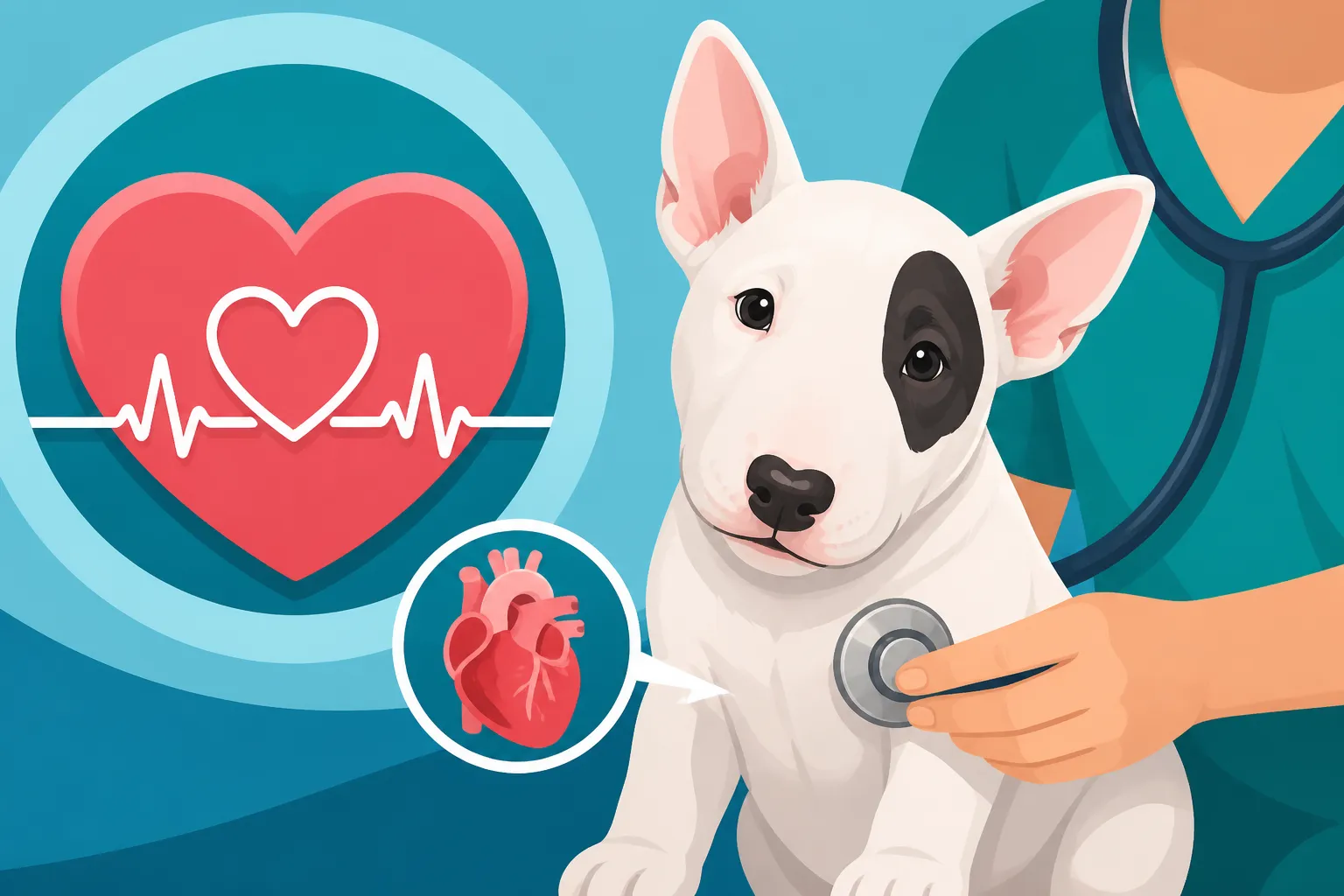
The Heart Murmur a Bull Terrier Puppy Should Be Checked For
Discovering your bouncy, beloved Bull Terrier puppy has a heart murmur can be an incredibly worrying experience. It’s natural to feel a rush of anxiety, wondering what this means for their future and if they’ll ever lead a full, active life. This comprehensive guide is here to walk you through everything you need to know about heart murmurs in Bull Terrier puppies, from initial detection to long-term management, offering clarity and support every step of the way.
Understanding Heart Murmurs in Bull Terrier Puppies
Hearing the words "heart murmur" from your veterinarian can send a chill down any new puppy owner's spine, especially when it involves a breed as special as a Bull Terrier. It conjures images of serious illness, but the reality is often more nuanced, especially in young puppies. A heart murmur isn't a disease in itself; it's an audible symptom, a whooshing sound that indicates turbulent blood flow within the heart or its major vessels. Think of it like a ripple in a river – sometimes it’s just the current, sometimes it’s a rock.
What Exactly Is a Heart Murmur?
At its core, a heart murmur is simply an abnormal sound heard when listening to the heart with a stethoscope. Instead of the clear, rhythmic "lub-dub" of a healthy heart, a murmur adds an extra noise, a swishing or gurgling, caused by disruptions in the normal, smooth flow of blood. This turbulence can be due to a variety of factors, some benign and others indicative of underlying structural problems. The veterinarian listens for characteristics like the timing in the cardiac cycle (systolic, diastolic, or continuous), its location, its intensity, and its quality (e.g., harsh, soft, musical) to help determine its potential cause.
Imagine the heart as a finely tuned pump, with valves opening and closing precisely to direct blood. If a valve doesn't close completely, or if there's a narrowing in a vessel, or even an extra, unintended pathway for blood, it can create this turbulent flow. This turbulence is what produces the sound waves that the stethoscope picks up as a murmur. It's an acoustic sign, a clue that helps the vet decide if further investigation is warranted or if it’s something likely to resolve on its own.
Why Are Puppies Prone to Murmurs?
It's actually quite common for puppies to present with a heart murmur, often dubbed an "innocent" or "physiologic" murmur. This is because a puppy's circulatory system is still developing and adapting to life outside the womb. Before birth, puppies have several shunts, or bypasses, in their circulatory system that allow blood to bypass the lungs and other organs that aren't yet fully functional. These shunts are designed to close shortly after birth, typically within the first few days or weeks.
Sometimes, these shunts take a little longer to close, or the rapid growth and high metabolism of a young, energetic puppy can temporarily increase blood flow velocity, creating turbulence that sounds like a murmur. These innocent murmurs are usually soft, graded low (more on grading in a moment), and tend to disappear on their own by the time the puppy is around 4-6 months old. They are not associated with any underlying heart disease and carry no health implications for the puppy. The challenge, of course, is distinguishing these transient, harmless murmurs from those that signal a more serious congenital defect that needs attention.
The Unique Risks for Bull Terriers
While any puppy can have an innocent murmur, Bull Terriers, unfortunately, have a predisposition to certain congenital heart conditions that can cause more significant and persistent murmurs. This is where breed-specific knowledge becomes absolutely critical for both owners and veterinarians. Unlike some breeds where a murmur might almost certainly be innocent, with a Bull Terrier, you have to be extra vigilant.
The two primary concerns for Bull Terriers when it comes to congenital heart disease are Mitral Valve Dysplasia (MVD) and Aortic Stenosis (AS). These conditions are structural abnormalities present from birth, and they can cause murmurs that are often louder, more persistent, and linked to actual heart dysfunction. Knowing that your Bull Terrier is at higher risk for these specific conditions means that any murmur detected should be taken seriously and followed up with appropriate diagnostics, even if it initially seems mild. It's a breed trait that demands careful screening.
How Heart Murmurs Are Detected and Graded
The initial detection of a heart murmur almost always happens during a routine veterinary examination. Your vet will listen carefully to your Bull Terrier puppy's heart as part of their general wellness check. This is why regular puppy check-ups are so vital – they catch things early. Once a murmur is heard, the next step is often to try and categorize it through a grading system, which gives the vet more information about its potential severity.
The Routine Vet Checkup and Initial Signs
Every time your Bull Terrier puppy visits the vet for vaccinations or a general check-up, a physical exam includes auscultation – listening to the heart. Your vet will place a stethoscope over different areas of your puppy’s chest, trying to pinpoint where the sound is loudest and when it occurs during the heartbeat. This initial listening is the first line of defense. Often, a healthy, energetic puppy with no other symptoms might simply have a brief murmur that the vet decides to recheck in a few weeks.
However, if your Bull Terrier puppy is also showing other signs, the murmur becomes a more urgent concern. These signs might include being unusually lethargic, struggling to keep up with littermates, coughing, breathing rapidly even at rest, having blue-tinged gums, or experiencing difficulty feeding and gaining weight. While rare with innocent murmurs, these symptoms, combined with a heart murmur, suggest that the heart might not be functioning effectively, and immediate further investigation is crucial. Always be open with your vet about any subtle changes you notice in your puppy's energy levels or breathing patterns.
Grading the Murmur: What the Numbers Mean
Once a murmur is detected, veterinarians will attempt to grade its intensity on a scale from I to VI (one to six). This grading system helps to describe how loud the murmur is and, to some extent, can correlate with the severity of the underlying issue, though it's not a definitive diagnostic tool on its own.
Here's a breakdown of the typical grading scale:
| Grade | Description | Intensity | Implications |
|---|---|---|---|
| I | Very faint, only audible in a quiet room | Barely perceptible | Often innocent, difficult to hear. Requires careful re-evaluation. |
| II | Soft, but easily audible | Quieter than the heart sounds | Can be innocent or indicate mild structural issue. Typically rechecked. |
| III | Moderately loud, without a palpable thrill | As loud as the heart sounds | Often indicates structural abnormality. Further diagnostics usually recommended. |
| IV | Loud, with a palpable thrill | Louder than heart sounds, felt through the chest wall | Almost always indicates a significant structural defect. Veterinary cardiologist consultation advised. |
| V | Very loud, with a thrill, audible with stethoscope partially off chest | Extremely loud | Severe structural heart disease. Urgent cardiology referral. |
| VI | Extremely loud, with a thrill, audible with stethoscope off chest | Can be heard without the stethoscope touching the skin | Critical, life-threatening heart disease. Immediate specialist intervention. |
A "palpable thrill" means the turbulence is so strong that you can feel a vibration on the chest wall with your hand, similar to how you feel a purring cat. While a Grade I or II murmur in a young Bull Terrier puppy might be transient, a Grade III or higher, or any murmur that persists past 16 weeks of age, should always prompt further investigation by a specialist. This is where an expert's ear, possibly a cardiologist's, becomes invaluable.
Different Types of Murmurs Innocent Versus Pathological
Distinguishing between an innocent (or physiologic) murmur and a pathological (disease-related) murmur is perhaps the most critical step after detection. As mentioned, innocent murmurs are common in puppies and typically resolve as they mature. They are generally soft (Grade I-II), heard best over specific areas, don't change with exercise, and importantly, the puppy shows no other signs of illness or poor development. These murmurs don't usually require treatment and don't impact the puppy's long-term health.
Pathological murmurs, on the other hand, indicate an underlying structural heart defect. These can be congenital (present from birth) or acquired (developing later in life, though less common in puppies). For Bull Terriers, the main concern is congenital defects. These murmurs are often louder (Grade III or higher), may be heard over a wider area of the chest, and can sometimes be accompanied by other symptoms like exercise intolerance or stunted growth. The specific characteristics of a pathological murmur – its timing, location, and quality – can give the vet clues about the type of defect present. For instance, a murmur heard loudest on the left side near the sternum in a Bull Terrier might raise suspicion for Aortic Stenosis. Understanding these distinctions is crucial for determining the next steps for your furry friend.
Specific Congenital Heart Defects in Bull Terriers
When a Bull Terrier puppy's heart murmur is determined to be pathological, it almost certainly points to a congenital heart defect. These are structural abnormalities present at birth, and unfortunately, Bull Terriers are predisposed to a couple of significant ones. Identifying which specific defect is causing the murmur is key to understanding the prognosis and planning any necessary management.
Mitral Valve Dysplasia MVD and Its Implications
Mitral Valve Dysplasia (MVD) is one of the more common congenital heart defects seen in Bull Terriers. The mitral valve is located between the left atrium and the left ventricle, acting as a one-way door to ensure blood flows forward into the body efficiently. In MVD, the mitral valve is malformed or abnormally developed. It might be thickened, shortened, or have abnormal chordae tendineae (the "heartstrings" that help the valve leaflets close).
When the mitral valve doesn't function properly, it can't close tightly. This allows blood to leak backward into the left atrium during the heart's contraction (systole). This leakage is known as mitral regurgitation, and it's this turbulent backflow that creates a characteristic heart murmur, often heard on the left side of the chest. The severity of MVD can vary greatly. In mild cases, a Bull Terrier might live a relatively normal life with minimal symptoms. However, severe MVD can lead to serious consequences, including enlargement of the left atrium, fluid buildup in the lungs (pulmonary edema), and ultimately, congestive heart failure. Owners often report coughing, difficulty breathing, or exercise intolerance in affected dogs. Early diagnosis and careful monitoring, possibly including medication, are vital for managing this condition. More information on What Mitral Valve Dysplasia Does to a Bull Terrier can offer further insights.
Aortic Stenosis AS: A Silent Threat
Aortic Stenosis (AS) is another significant congenital heart defect that disproportionately affects Bull Terriers, and it can be particularly concerning because it can sometimes be a "silent threat." The aorta is the body's largest artery, carrying oxygen-rich blood from the left ventricle to the rest of the body. In AS, there is a narrowing (stenosis) of the outflow tract from the left ventricle into the aorta. This narrowing can occur at, above, or below the aortic valve.
This obstruction forces the left ventricle to work much harder to pump blood past the narrowed area. The increased workload causes the muscle of the left ventricle to thicken (left ventricular hypertrophy). The turbulent blood flow through the narrowed opening creates a distinct heart murmur, typically heard loudest over the left base of the heart. The danger with AS is that while many dogs with mild AS can live normal lives, severe AS can lead to fainting, exercise intolerance, and even sudden death due to arrhythmias or acute heart failure. The sad reality is that sometimes, the first sign of severe AS can be a sudden collapse, making early detection through a thorough cardiac examination in puppies incredibly important. Understanding What Aortic Stenosis Does to a Bull Terrier is essential for Bull Terrier owners.
Other Less Common But Serious Conditions
While MVD and AS are the most prevalent congenital heart issues for Bull Terriers, other less common defects can also occur and cause heart murmurs. These include Ventricular Septal Defects (VSD), where there's a hole in the wall separating the two lower chambers of the heart (ventricles), allowing blood to shunt between them. Another possibility is a Patent Ductus Arteriosus (PDA), which is the persistence of a fetal blood vessel (the ductus arteriosus) that should close shortly after birth. When it remains open, it creates an abnormal connection between the aorta and pulmonary artery, leading to turbulent blood flow and a characteristic continuous murmur.
While these conditions are less common in Bull Terriers than MVD or AS, any persistent or significant heart murmur warrants investigation to rule them out. The diagnostic process, particularly an echocardiogram, is crucial for identifying these specific defects. Regardless of the specific condition, the presence of a pathological murmur means that the heart's structure or function is compromised, and ongoing veterinary care is paramount to ensure the best possible quality of life for your Bull Terrier.
Diagnostic Tools and What They Reveal
Once a veterinarian detects a heart murmur in a Bull Terrier puppy, especially one that persists or is graded moderately to severely, the next step is almost always further diagnostic testing. A stethoscope can tell you there's turbulence, but it can't tell you why or how severe it is. That's where advanced tools come in, providing a clearer picture of your puppy's heart health.
Beyond the Stethoscope Chest X-rays and ECGs
While the stethoscope is invaluable for initial detection, it has limitations. A chest X-ray, or radiograph, is often one of the first additional diagnostic tests performed. While it doesn't directly show the heart valves or blood flow, it provides a two-dimensional image of the heart's size and shape, as well as the lungs. An enlarged heart or specific chamber enlargement can suggest chronic heart disease. For example, in cases of severe MVD, the left atrium might appear enlarged, and signs of fluid in the lungs (pulmonary edema) can indicate congestive heart failure. X-rays can also help assess the size of the great vessels and lung patterns.
An electrocardiogram (ECG or EKG) records the electrical activity of the heart. This test is crucial for detecting arrhythmias (irregular heartbeats), which can sometimes accompany congenital heart defects, especially with conditions like Aortic Stenosis. An ECG can show if the heart chambers are working in sync, if there are any electrical blocks, or if the heart muscle is under strain. While X-rays and ECGs provide valuable supportive information about the general health and electrical function of the heart, they don't offer detailed images of the heart's internal structures or how blood is flowing, which is where the echocardiogram truly shines.
The Crucial Role of an Echocardiogram
For definitive diagnosis of a heart murmur in a Bull Terrier puppy, an echocardiogram (often simply called an "echo") is the gold standard. This non-invasive ultrasound of the heart provides real-time, moving images of the heart's chambers, valves, and major blood vessels. It allows a veterinary cardiologist to visualize the precise structure of the heart, measure chamber sizes, assess wall thickness, and most importantly, directly observe blood flow. This is critical for Bull Terriers.
During an echocardiogram, the cardiologist can identify the exact nature of the congenital defect. They can see if the mitral valve is dysplastic, if there's a narrowing in the aorta indicative of Aortic Stenosis, or if there's a Patent Ductus Arteriosus. They can also use Doppler technology to measure the velocity and direction of blood flow, which is essential for quantifying the severity of conditions like AS or the extent of regurgitation in MVD. For a Bull Terrier puppy with a murmur, an echo is not just recommended; it's often a necessity to get a clear diagnosis and prognosis. You might be wondering, When a Bull Terrier Should Have an Echocardiogram, and the answer is usually as soon as a persistent or significant murmur is detected.
When to See a Veterinary Cardiologist
Given the Bull Terrier's predisposition to serious congenital heart defects, consulting with a board-certified veterinary cardiologist is often the best course of action once a significant or persistent murmur is identified. While your primary care veterinarian is excellent for general health, a cardiologist has specialized training and equipment to accurately diagnose and manage complex heart conditions.
A cardiologist can perform a thorough physical exam, interpret the subtleties of the murmur, and conduct a detailed echocardiogram. They can then provide a precise diagnosis, assess the severity of the condition, and develop a tailored management plan. This plan might include medication, lifestyle recommendations, or in some rare cases, surgical intervention. They also offer crucial prognostic information, helping you understand what to expect for your Bull Terrier's future. For serious conditions, having a specialist guide you through the process provides immense peace of mind. It's often recommended that A Cardiologist Should See a Bull Terrier Puppy if there are any concerns beyond a very mild, transient murmur.
Managing a Bull Terrier Puppy with a Heart Murmur
Once a heart murmur is diagnosed and characterized, managing your Bull Terrier puppy's condition becomes the priority. The approach varies greatly depending on whether it's an innocent murmur or a pathological one, and if pathological, the specific defect and its severity. Owners need to be prepared for monitoring, potential medication, and sometimes, significant lifestyle adjustments.
Monitoring Innocent Murmurs
If your veterinarian, or a cardiologist, determines that your Bull Terrier puppy has an "innocent" or "physiologic" murmur, the management plan is relatively simple: watchful waiting. These murmurs typically resolve on their own as the puppy grows and matures, usually by 4-6 months of age. Your vet will likely recommend rechecking the murmur at subsequent puppy visits, perhaps every few weeks.
During this monitoring period, it's important to continue observing your puppy for any changes in their energy levels, breathing, or overall well-being. If the murmur disappears, fantastic! If it persists beyond the expected timeframe or increases in intensity, then further diagnostics, like an echocardiogram, would become necessary. The good news is that puppies with truly innocent murmurs can lead completely normal, active lives without any special care or restrictions. This is why getting a clear diagnosis, distinguishing it from pathological murmurs, is so vital.
Treatment Options for Congenital Defects
For Bull Terrier puppies diagnosed with a pathological murmur due to a congenital heart defect like MVD or AS, treatment options vary significantly. Unfortunately, there are no surgical cures for most cases of Mitral Valve Dysplasia in dogs, though some experimental procedures exist. Management typically focuses on medical therapy to control symptoms and slow the progression of heart failure. Medications might include diuretics to reduce fluid buildup, ACE inhibitors to dilate blood vessels and reduce the heart's workload, or positive inotropes to strengthen heart contractions. The specific drugs and dosages will be determined by a cardiologist based on the severity and specific signs of heart failure.
For Aortic Stenosis, management depends heavily on severity. Mild cases might only require monitoring, while moderate to severe cases often necessitate lifestyle adjustments to avoid strenuous exercise. Beta-blockers can sometimes be prescribed to reduce the heart's oxygen demand and prevent arrhythmias. In some severe cases of AS, a procedure called balloon valvuloplasty can be performed to stretch the narrowed valve, though this is a specialized procedure with varying success rates and is not always feasible. For some less common defects like Patent Ductus Arteriosus (PDA), surgical closure of the shunt is often curative, especially if performed early in life. The cost implications of these treatments can be substantial, making discussions about pet insurance, like policies from Healthy Paws, a worthwhile consideration early on.
Lifestyle Adjustments and Ongoing Care
Living with a Bull Terrier with a diagnosed heart condition often means making significant lifestyle adjustments. The primary goal is to minimize stress on the heart and maintain a good quality of life. This usually involves careful management of exercise. For conditions like Aortic Stenosis, high-intensity exercise or sudden bursts of activity might need to be restricted to prevent fainting or sudden death. For MVD leading to heart failure, exercise might need to be limited to short, gentle walks to prevent exacerbating symptoms. Your cardiologist will provide specific guidelines tailored to your dog's condition.
Dietary management also plays a role, especially if heart failure develops. A low-sodium diet might be recommended to help reduce fluid retention. Regular weigh-ins are crucial, as weight gain can put extra strain on the heart, while unexplained weight loss can be a sign of worsening disease. Routine follow-up appointments with your cardiologist are essential for monitoring the progression of the disease and adjusting medications as needed. This usually involves repeat echocardiograms, X-rays, and blood tests. Knowing How Often a Bull Terrier's Heart Should Be Rechecked is critical for proactive management. This ongoing care is a long-term commitment that directly impacts your Bull Terrier's well-being.
Long-Term Outlook and Breeder Responsibilities
The long-term outlook for a Bull Terrier puppy with a heart murmur can vary dramatically, from a completely normal lifespan to a significantly shortened one, all depending on the specific diagnosis and severity. This makes the responsibility of breeders even more pronounced in trying to reduce the incidence of these hereditary conditions.
Prognosis for Different Conditions
For Bull Terrier puppies with innocent murmurs, the prognosis is excellent; they typically outgrow the murmur and live full, healthy lives with no cardiac issues.
When it comes to congenital defects:
- Mild Mitral Valve Dysplasia (MVD): Some Bull Terriers with mild MVD may live for many years without developing clinical signs or requiring extensive medication. However, they always carry a risk of progression.
- Moderate to Severe Mitral Valve Dysplasia (MVD): The prognosis is more guarded. These dogs are at a higher risk of developing congestive heart failure. With careful management, including medication and lifestyle adjustments, their lives can be extended, but they will require lifelong care. The lifespan can be significantly impacted once heart failure symptoms begin.
- Mild Aortic Stenosis (AS): Many Bull Terriers with mild AS can lead normal, active lives with little to no impact on their lifespan. They still require regular monitoring.
- Moderate Aortic Stenosis (AS): The prognosis becomes more serious. These dogs are at increased risk for exercise intolerance, fainting, and potentially sudden death. Their lifespan can be shortened, even with medication.
- Severe Aortic Stenosis (AS): This carries a very poor prognosis, with a significant risk of sudden death, even in young dogs. Lifespan is often severely compromised, sometimes only a few years, or even less, despite aggressive management.
- Patent Ductus Arteriosus (PDA): If surgically corrected early in life, the prognosis is excellent, and the dog can often live a normal lifespan. If left uncorrected, PDA leads to severe heart failure and often early death.
It's clear that the prognosis is highly individualized and emphasizes the need for accurate diagnosis and tailored treatment plans.
The Importance of Responsible Breeding Practices
Given the known predisposition of Bull Terriers to MVD and AS, responsible breeding practices are absolutely crucial for the future health of the breed. Reputable breeders should be diligently screening their breeding stock for these conditions before producing a litter. This involves regular cardiac examinations by a board-certified veterinary cardiologist, including auscultation and an echocardiogram for every breeding animal.
Breeders should be transparent about the cardiac health of their breeding dogs and be willing to share all health certifications with prospective puppy buyers. If a dog is diagnosed with a moderate to severe congenital heart defect like MVD or AS, it should ideally be removed from the breeding program to prevent passing these potentially devastating genes to future generations. Even dogs with mild forms of these conditions should be bred with extreme caution, and only to mates with impeccable cardiac health records. Buyers should specifically ask Which Health Tests a Bull Terrier Breeder Should Run and expect to see evidence of echocardiograms for both parents. Supporting breeders who prioritize these health screenings is vital for improving the breed's overall health and reducing the heartbreak of owners dealing with severe cardiac disease.
Financial Considerations and Pet Insurance
Dealing with a Bull Terrier puppy diagnosed with a heart condition can be a significant financial burden. The cost of initial diagnostics, including repeated vet visits, X-rays, ECGs, and especially echocardiograms, can quickly add up. For example, What an Echocardiogram Costs on a Bull Terrier can be several hundred dollars, and these may need to be repeated annually. If your puppy requires ongoing medication, these costs are lifelong. Some heart medications can be quite expensive, potentially running into hundreds of dollars per month depending on the dosage and type. Beyond medication, special diets, additional diagnostics, and potential emergency visits related to heart failure can further escalate expenses.
This is where pet insurance becomes a critical consideration. Enrolling your Bull Terrier puppy in a comprehensive pet insurance plan, such as those offered by Healthy Paws, before any heart murmur is detected can be a lifesaver. Most pet insurance policies have waiting periods and will not cover pre-existing conditions. This means if a murmur is diagnosed before or during the waiting period, subsequent treatment for that condition may be excluded. Therefore, insuring your puppy as early as possible is prudent. While Whether Insurance Covers Bull Terrier Kidney Disease is a question many owners ask, it's just as important to understand cardiac coverage. Researching policies and understanding their terms regarding congenital and hereditary conditions is vital to ensure you have the financial support needed to provide the best care for your Bull Terrier.
Living with a Bull Terrier with a Heart Condition
Bringing a Bull Terrier with a heart condition into your home means embracing a unique journey, filled with both challenges and immense rewards. It requires dedication, a proactive approach to their health, and an understanding that their life might look a little different from that of a perfectly healthy Bull Terrier.
Daily Life and Exercise Limitations
One of the most significant adjustments when living with a Bull Terrier with a heart condition involves managing their daily activity and exercise. Bull Terriers are naturally energetic, playful dogs, but for those with conditions like moderate to severe Aortic Stenosis or advanced Mitral Valve Dysplasia, unrestricted exercise can be dangerous. High-intensity activities, sudden bursts of running, or prolonged strenuous play might need to be replaced with more controlled, moderate exercise.
This could mean several shorter walks throughout the day instead of one long, vigorous hike. Swimming might be an excellent low-impact option, provided your vet approves and your Bull Terrier is a confident swimmer. The key is to avoid activities that cause excessive panting, fatigue, or fainting. Always consult with your veterinary cardiologist to establish safe exercise guidelines tailored to your dog's specific condition and its current severity. They can help you understand the fine line between beneficial activity and dangerous overexertion, ensuring your dog can still enjoy life without unnecessary risks.
Medication Management and Side Effects
For Bull Terriers with pathological heart murmurs that require treatment, medication management becomes a daily routine. This often means administering several different medications, sometimes multiple times a day, for the remainder of their lives. Consistency is crucial; skipping doses or altering dosages without vet approval can have serious consequences. Organizing medications with pill boxes, setting reminders, and having a consistent schedule can help ensure adherence.
It’s also important to be aware of potential side effects of heart medications. Diuretics, for instance, can increase thirst and urination, meaning more frequent potty breaks. Some medications can affect appetite, energy levels, or kidney function, requiring regular monitoring through blood tests. You should maintain open communication with your vet about any changes you observe in your dog's behavior, appetite, or overall health after starting medication. They can adjust dosages or switch medications if side effects become problematic, always striving for the best balance between controlling the heart condition and maintaining your Bull Terrier’s quality of life.
Emotional Support for Owners
Living with a pet with a chronic illness, especially one as serious as heart disease, can take an emotional toll on owners. The constant worry, the financial strain, and the adjustments to daily life can be overwhelming. It's important to acknowledge these feelings and seek support when needed. Connect with other Bull Terrier owners who have experienced similar challenges – online forums, breed-specific social media groups, or local clubs can be excellent resources for shared experiences, advice, and empathy.
Remember that you are doing your absolute best for your beloved companion. Providing lifelong care for a dog with a heart condition is a testament to your love and dedication. Don't hesitate to lean on your veterinary team for emotional support, too; they understand the bond you share with your Bull Terrier and can offer guidance beyond just medical advice. Celebrate every good day, cherish the moments, and know that your effort makes a profound difference in your Bull Terrier's life.
Disclaimer
The information provided in this article is for educational purposes only and is not intended to be a substitute for professional veterinary advice, diagnosis, or treatment. Always seek the advice of your veterinarian or other qualified animal health provider with any questions you may have regarding a medical condition. Never disregard professional veterinary advice or delay in seeking it because of something you have read in this article.