Hereditary Nephritis Takes Bull Terriers in Their Prime
Few things are as heartbreaking as watching a beloved Bull Terrier, full of life and zest, begin to fade far too young. It's especially frustrating when they're struck down by a disease that creeps in silently, often showing no obvious symptoms until it's already advanced. For many Bull Terrier families, this insidious threat is Hereditary Nephritis (HN), a genetic kidney condition that can tragically shorten their prime years. This comprehensive guide will delve deep into understanding Hereditary Nephritis, from its genetic roots and early detection to managing the disease and navigating the difficult choices it sometimes presents, helping you advocate for your cherished companion.
Understanding Hereditary Nephritis in Bull Terriers
Hereditary Nephritis is a term that strikes fear into the hearts of many Bull Terrier owners and breeders, and for good reason. It's not just "kidney failure" in the general sense; it's a specific, genetically driven condition that targets the very filtration system of these magnificent dogs. Understanding what it is and why Bull Terriers are particularly susceptible is the first crucial step in protecting them.
What Exactly Is Hereditary Nephritis?
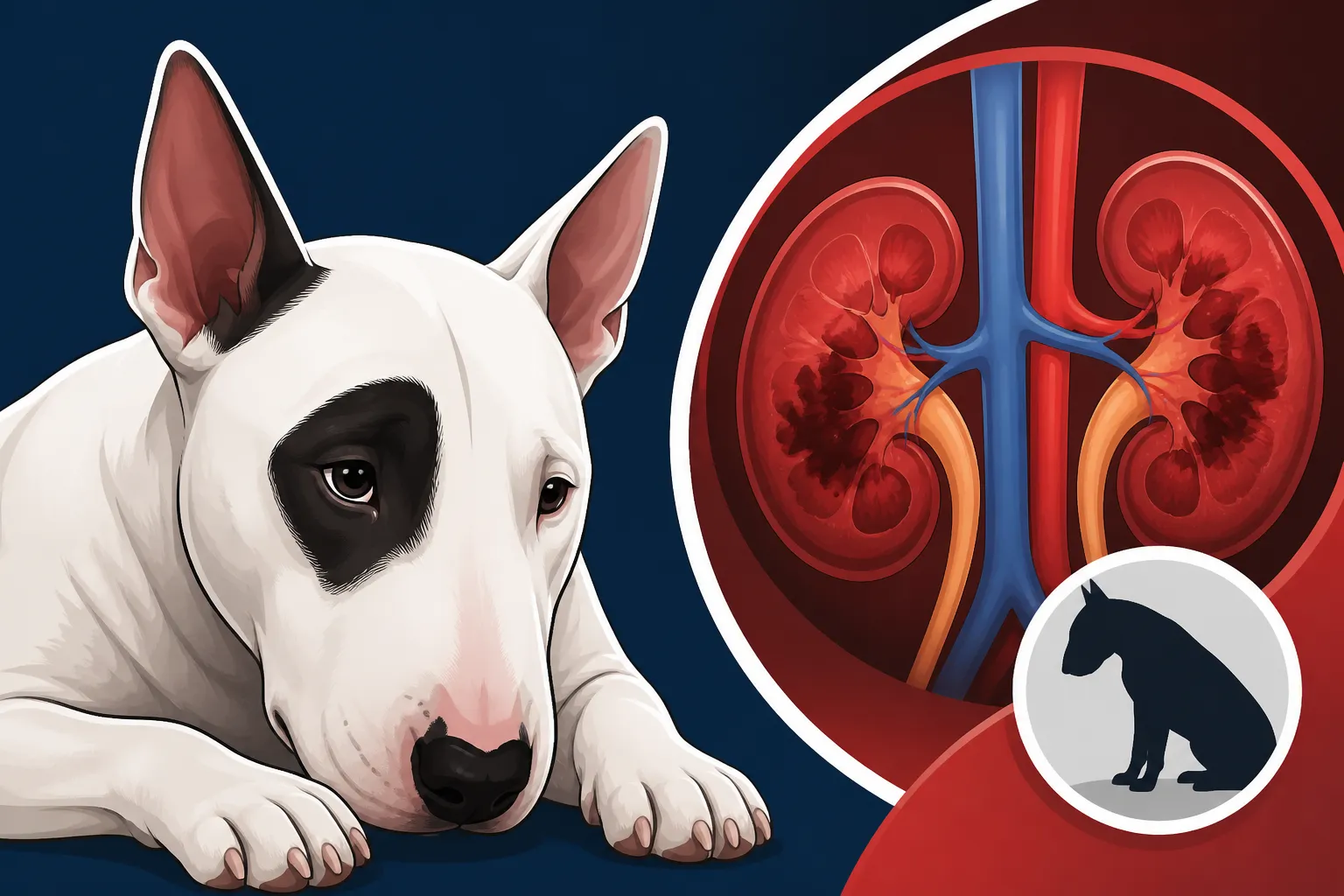
At its core, Hereditary Nephritis is a progressive, inherited disease that causes the kidneys to fail prematurely. Imagine your dog's kidneys as incredibly complex, vital filters, constantly working to remove waste products and excess water from their blood, maintaining a delicate balance within their body. In dogs with HN, there's a fundamental structural defect in these filters, specifically within the tiny filtering units called glomeruli. The glomerular basement membrane, a crucial part of this filtration system, is abnormal. Instead of tightly holding onto essential proteins while letting waste pass, it becomes leaky.
This leakiness allows vital proteins, particularly albumin, to escape from the blood into the urine. Initially, this protein leakage might be the only sign, making it incredibly difficult to detect without specific tests. Over time, this constant protein loss and the body's attempts to compensate lead to inflammation and scarring within the kidneys. This damage is relentless and irreversible, gradually diminishing the kidneys' ability to perform their life-sustaining functions. Eventually, the kidneys can no longer adequately remove toxins, regulate blood pressure, or produce essential hormones, leading to a build-up of waste products in the blood, a condition known as uremia, and ultimately, kidney failure. The progression can vary, but the outcome is always devastating without intervention.
Why Bull Terriers Are Prone to HN
The reason Bull Terriers are particularly vulnerable to Hereditary Nephritis lies squarely in their genetic makeup. This isn't a disease caused by diet, toxins, or age (though age can exacerbate symptoms if an older dog has underlying, undiagnosed HN). Instead, it's a condition passed down through generations. While there are different types of inherited kidney disease across various breeds, in Bull Terriers, it's typically understood as a form of inherited kidney disease with specific genetic markers, often involving collagen abnormalities.
Unlike acquired kidney disease, which can result from infections, trauma, or the natural wear and tear of aging, HN is present from birth, even if symptoms don't manifest until later. The genetic defect means their kidneys are compromised from day one, setting them on a path of gradual decline. This makes it a unique challenge because dogs can appear perfectly healthy for months or even a few years, living their normal, boisterous Bull Terrier lives, all while their kidneys are slowly deteriorating. This silent progression is why early, proactive screening is so incredibly vital for this breed. Understanding exactly What Hereditary Nephritis Does to a Bull Terrier reveals the full scope of the internal damage before external signs appear.
The Genetic Blueprint of Hereditary Nephritis
The heartbreaking reality of Hereditary Nephritis is that it's embedded in the very DNA of some Bull Terriers. It's not something a dog "catches"; it's something they inherit. Understanding how it's passed down is absolutely crucial for both current owners and anyone considering bringing a Bull Terrier into their home.
How Hereditary Nephritis Is Inherited in Bull Terriers
While some forms of hereditary kidney disease in other breeds are X-linked or simple recessive, the genetic inheritance pattern for Hereditary Nephritis in Bull Terriers has been a complex area of study. Historically, it was suspected to be a polygenic disorder, meaning multiple genes contribute to its expression, or perhaps an autosomal dominant trait with incomplete penetrance, which means not every dog with the gene necessarily develops severe symptoms. However, current research points to specific genetic mutations that disrupt the normal structure and function of the kidney's filtering units. These mutations often involve genes responsible for producing crucial components of the glomerular basement membrane, such as collagen.
What this means for Bull Terriers is that a dog can inherit the predisposition for HN from one or both parents. If a dog inherits the problematic gene, they are considered "affected," even if they haven't shown clinical signs yet. The complexity lies in the variable expression, where some affected dogs may develop severe, early-onset disease, while others might have a slower progression or even mild signs that are easily missed. This makes relying solely on clinical symptoms in breeding decisions incredibly risky, as seemingly healthy parents could still pass on the devastating gene. The article, How Hereditary Nephritis Is Inherited in Bull Terriers, dives deeper into the specific genetic mechanisms.
The Importance of Genetic Testing and Pedigree Analysis
Given the insidious nature of hereditary kidney disease, genetic testing and meticulous pedigree analysis are the cornerstones of responsible Bull Terrier breeding. Relying on visual assessment or basic health checks simply isn't enough to identify carriers or affected individuals before they are bred. Reputable breeders understand this and make it a priority to screen their breeding stock comprehensively.
Genetic testing for the specific markers associated with HN, when available and validated, allows breeders to identify dogs that carry the genes responsible for the disease, even if those dogs appear outwardly healthy. This knowledge is invaluable because it allows breeders to make informed decisions, preventing the pairing of two dogs that could produce affected offspring. Imagine the heartache of a litter of puppies, all predisposed to kidney failure, simply because their parents weren't screened.
Beyond genetic tests, a thorough pedigree analysis is also essential. This involves carefully reviewing the health history of a dog's ancestors, looking for any incidence of kidney disease or early unexplained deaths within the line. Even if a specific genetic test isn't available for every aspect of HN, a pattern of kidney issues in a pedigree should raise significant red flags. Breeders who are transparent about their health testing, including the results of DNA tests and regular UPC screenings for their breeding animals, are demonstrating a commitment to the health of the breed. It’s also wise to ask them to show you all five health tests a Bull Terrier breeder should have paid for when evaluating a puppy. For instance, the same caution about breeding applies to other genetic conditions, like ensuring clarity on whether two Bull Terrier Acrodermatitis carriers should be bred, where similar principles of responsible genetic management come into play.
Spotting the Silent Onset: Early Signs of Kidney Trouble
One of the most insidious aspects of Hereditary Nephritis, and indeed kidney disease in general, is how quietly it can progress. Your vibrant, happy Bull Terrier might be facing a serious health challenge, and you wouldn't even know it until significant damage has already occurred. This makes being vigilant for subtle changes incredibly important.
Subtle Changes to Watch For in Young Dogs
Bull Terriers are known for their lively, clownish personalities and boundless energy, especially in their younger years. This exuberance can often mask the subtle early signs of kidney disease, making them easy to dismiss as normal variations in behavior or just a "dog being a dog." In the initial stages of Hereditary Nephritis, when the kidneys are just beginning to show protein leakage but haven't yet lost substantial function, the symptoms are often vague and non-specific.
You might notice your typically thirsty Bull Terrier drinking a little more water than usual, perhaps finishing their bowl more quickly or seeking out additional water sources. This increased thirst, known as polydipsia, often goes hand-in-hand with increased urination (polyuria), meaning more frequent trips outside or larger puddles. In a house-trained dog, this might even manifest as an occasional accident inside, which can be frustrating until the underlying medical cause is considered. Other subtle indicators can include a slight, unexplained decrease in appetite, a bit more lethargy after play, or a gradual, uncharacteristic weight loss despite a consistent diet. These are not dramatic changes; they are often so mild that an owner might simply attribute them to a hot day, a change in routine, or a less energetic phase. But for a Bull Terrier in their prime, these small shifts can be crucial early warnings.
When Symptoms Become More Obvious
As Hereditary Nephritis progresses and kidney function deteriorates more significantly, the signs become harder to ignore. This is typically when toxins begin to build up in the bloodstream, affecting other body systems and manifesting as more overt symptoms of illness. The once subtle lethargy can deepen into noticeable weakness and a general disinterest in play or activities they once loved. Appetite loss can become more pronounced, leading to more significant weight loss and muscle wasting, making your muscular Bull Terrier look thin and frail.
You might also start seeing gastrointestinal signs, such as intermittent vomiting or diarrhea, as the accumulating toxins irritate the digestive system. A particularly telling, though unpleasant, symptom is uremic breath, which is a foul, ammonia-like odor from your dog's mouth, resulting from the kidneys' inability to filter out waste products. Their coat quality might also decline, becoming dull or rough. In some advanced cases, you might even notice mouth ulcers or a grayish tint to their gums. These are serious indicators that the kidneys are in significant distress and failing to perform their vital duties. It’s at this point that you'll begin seeing unmistakable Signs a Bull Terrier's Kidneys Are Failing, necessitating immediate veterinary attention.
Diagnosing Hereditary Nephritis: The Critical Steps
Early diagnosis of Hereditary Nephritis is the single most important factor in managing the disease and potentially extending your Bull Terrier's quality of life. Because the early signs are so subtle, relying on symptoms alone is often too late. Proactive and specific diagnostic tests are crucial.
The Role of Regular Urine Testing
When it comes to detecting Hereditary Nephritis in its earliest, most treatable stages, regular urine testing is paramount. Specifically, the Urine Protein Creatinine (UPC) ratio is the gold standard for screening Bull Terriers, even those appearing perfectly healthy. This simple test measures the amount of protein leaking into the urine compared to creatinine, a waste product. An elevated UPC ratio indicates that the kidney's filters are damaged and allowing protein to escape, which is often the first discernible sign of HN.
The beauty of the UPC ratio is that it can identify protein-losing nephropathy (PLN), the hallmark of HN, long before blood tests show any changes. Blood tests for kidney function (like BUN and creatinine) typically only become abnormal when about 75% of kidney function has been lost. By that point, the disease is already quite advanced. This is precisely why The Yearly Urine Test Every Bull Terrier Owner Should Book is not just a recommendation but a critical component of responsible Bull Terrier ownership. It's a proactive measure that can catch the problem when interventions have the best chance of slowing progression. Understanding What a UPC Ratio Tells a Bull Terrier Owner empowers them to interpret these vital results and act swiftly. Collecting a Bull Terrier's UPC sample is usually straightforward, typically requiring a free-catch urine sample from home, which your vet can then analyze.
Beyond Urinalysis: Bloodwork and Imaging
While the UPC ratio is phenomenal for early detection of protein leakage, a comprehensive diagnosis often requires further investigation once an elevated UPC is found. Blood tests become essential for assessing overall kidney function and identifying secondary complications. As mentioned, blood urea nitrogen (BUN) and creatinine levels will eventually rise as kidney function declines, confirming kidney impairment. Your vet will also check phosphorus and calcium levels, as kidneys play a crucial role in regulating these minerals, and imbalances are common in kidney disease. A complete blood count (CBC) can reveal anemia, another frequent complication of chronic kidney disease.
Imaging studies, particularly an abdominal ultrasound, are also invaluable. A kidney ultrasound can provide detailed images of the kidneys, assessing their size, shape, and internal architecture. It can reveal changes indicative of chronic disease, such as smaller, irregular kidneys, or potentially identify other issues like cysts or stones. Learning How a Bull Terrier's Kidney Ultrasound Is Read can help owners understand what the vet is looking for. In some cases, a kidney biopsy might be recommended. This is a more invasive procedure where small tissue samples are taken from the kidney for microscopic examination. A biopsy can provide a definitive diagnosis of Hereditary Nephritis and help differentiate it from other types of kidney disease, offering critical information for prognosis and treatment planning.
To help visualize the diagnostic process, here’s a quick overview:
| Test Type | What it Measures | When it's Useful | What it Indicates for HN |
|---|---|---|---|
| Urine Protein:Creatinine (UPC) Ratio | Protein leakage in urine | Early screening, even in healthy dogs; monitoring progression | Elevated ratio (proteinuria) is the earliest sign of kidney damage. |
| Blood Chemistry Panel | BUN, Creatinine, Phosphorus, Calcium, etc. | When kidney function is significantly impaired (75% loss) | Elevated BUN/Creatinine indicates advanced kidney failure; electrolyte imbalances. |
| Complete Blood Count (CBC) | Red blood cells, white blood cells, platelets | Assessing overall health, detecting complications | Anemia (low red blood cells) is common in chronic kidney disease. |
| Urinalysis (Full) | Urine specific gravity, pH, presence of cells, crystals | Assessing kidney's concentrating ability, signs of infection | Low specific gravity (dilute urine) indicates poor concentrating ability; microscopic findings. |
| Abdominal Ultrasound | Size, shape, and internal structure of kidneys | Visualizing kidney changes, ruling out other issues | Small, irregular kidneys; structural abnormalities. |
| Kidney Biopsy | Microscopic examination of kidney tissue | Definitive diagnosis, differentiating kidney diseases | Specific changes in glomerular basement membrane characteristic of HN. |
Navigating Treatment and Management for HN
Receiving a diagnosis of Hereditary Nephritis can feel overwhelming, but it's important to remember that steps can be taken to manage the disease and support your Bull Terrier. While there's no cure for HN, proactive treatment can significantly improve quality of life and potentially slow progression.
Dietary Management for Kidney Disease
One of the most powerful tools in managing kidney disease, including Hereditary Nephritis, is diet. Veterinary therapeutic diets specifically formulated for kidney support are not just regular dog food; they are carefully balanced to reduce the workload on the compromised kidneys and minimize the buildup of toxins. The key components of these diets are strategically altered. They typically contain controlled levels of high-quality protein, meaning enough protein to maintain muscle mass but not an excess that would create more waste products for the kidneys to filter. Phosphorus, a mineral that can accumulate to toxic levels in kidney disease, is significantly restricted. Sodium is also often reduced to help manage blood pressure.
These specialized renal diets are usually enriched with omega-3 fatty acids, which have anti-inflammatory properties that can be beneficial for kidney health. They often have an adjusted pH to help prevent metabolic acidosis, another common complication. Your veterinarian will guide you on the best option for your dog's specific stage of kidney disease. It’s crucial to understand that Which Diet a Bull Terrier With Kidney Disease Needs is a highly individual decision made in consultation with your vet, and a strict adherence to the prescribed diet is critical for success. While it can be a challenge to transition a dog to a new food, especially a Bull Terrier who might be particular, consistency is key. Always ensure your Bull Terrier has constant access to fresh, clean water, as hydration is vital for kidney support.
Medications and Supportive Care
Beyond diet, a range of medications and supportive therapies are employed to manage the symptoms and slow the progression of Hereditary Nephritis. One of the primary goals is to reduce the protein leakage that is so characteristic of HN. Angiotensin-converting enzyme (ACE) inhibitors, such as enalapril or benazepril, are commonly prescribed for this purpose. These medications help reduce protein loss through the kidneys and can also help manage blood pressure, which often becomes elevated as kidney disease progresses.
Other medications may include phosphate binders, which are given with meals to prevent the absorption of excess phosphorus from the diet. If your Bull Terrier develops high blood pressure, additional antihypertensive medications might be necessary. Anti-nausea medications and appetite stimulants can be incredibly helpful for managing gastrointestinal upset and encouraging eating, which is crucial for maintaining strength and weight. For dogs that become dehydrated, subcutaneous fluid therapy (fluids given under the skin) can be administered at home, providing essential hydration and helping to flush toxins. Understanding What Fluid Therapy Costs a Bull Terrier Owner can help families prepare for this ongoing expense. Regular veterinary check-ups, including blood pressure monitoring and repeat bloodwork and urinalysis, are essential to monitor the disease's progression and adjust medications as needed. The ongoing cost of these medications, prescription diets, and frequent veterinary visits can add up quickly. This is where comprehensive pet insurance can be an absolute lifesaver. Providers like Healthy Paws can help alleviate the financial burden, covering a significant portion of treatment costs, allowing you to focus on your Bull Terrier’s health without constant worry about the veterinary bills piling up.
Living with Hereditary Nephritis: Prognosis and Quality of Life
Living with a Bull Terrier diagnosed with Hereditary Nephritis is a journey filled with ups and downs. It's a progressive disease, which means understanding the typical trajectory and focusing on maximizing your dog's comfort and happiness are paramount.
Understanding the Disease Progression
Hereditary Nephritis is, unfortunately, a progressive disease with no known cure. This is a hard truth for any owner to face. The rate at which the disease advances can vary significantly from one Bull Terrier to another. Some dogs might experience a relatively rapid decline, especially if diagnosed at a more advanced stage or if their genetic mutation causes a more aggressive form of the disease. Others, particularly those diagnosed very early and managed meticulously with diet and medication, might have a slower progression, allowing for a longer period of good quality of life.
The progression typically involves a gradual decline in kidney function, leading to worsening symptoms as toxins accumulate in the body. While early interventions can slow this process, they cannot reverse the kidney damage that has already occurred. The goal of all management strategies is to preserve as much remaining kidney function as possible, mitigate symptoms, and prevent secondary complications. It's a delicate balance, and your veterinarian will be your most important partner in monitoring your Bull Terrier's condition and adjusting the treatment plan as the disease evolves. This ongoing monitoring helps you understand what to expect and allows for proactive adjustments to care, striving to keep your Bull Terrier as comfortable and happy as possible for as long as possible.
Maximizing Comfort and Longevity
Despite the grim prognosis, there is much an owner can do to maximize their Bull Terrier's comfort and potentially extend their life with Hereditary Nephritis. The cornerstone of this approach is consistent, diligent adherence to the prescribed treatment plan: the specialized renal diet, all medications, and scheduled veterinary check-ups. Regular monitoring is key; this includes home observations for changes in appetite, thirst, urination, and energy levels, as well as regular vet visits for blood pressure checks, bloodwork, and UPC ratios. These frequent assessments allow your vet to catch any worsening trends early and adjust medications or diet accordingly.
Beyond medical management, maintaining a low-stress environment is beneficial. Stress can impact overall health and well-being, so a calm, predictable routine is ideal. Ensuring constant access to fresh water is critical for hydration. It’s important to strike a balance with exercise; while vigorous activity might be too much for a dog with compromised kidneys, gentle walks and mental stimulation are still vital for their mental and physical health. The importance of early detection cannot be overstated, as initiating treatment before significant damage occurs is often what allows for a longer period of stability. While there's no definitive answer to How Long a Bull Terrier Lives After a Nephritis Diagnosis, aggressive management from the outset can certainly influence the outcome.
The financial aspect of managing a chronic condition like HN can be daunting, with costs for prescription diets, multiple medications, and frequent vet visits adding up over time. This is where pet insurance can be a huge relief. Having a robust policy from a provider like Healthy Paws, for example, can mean that decisions about treatment are made based on what's best for your dog, rather than being dictated by what you can afford out of pocket. This peace of mind allows you to provide the best possible care, enhancing your Bull Terrier's comfort and potentially extending those precious years together.
Responsible Breeding: Preventing Hereditary Nephritis
The ultimate way to combat Hereditary Nephritis in Bull Terriers is through responsible breeding practices. While it doesn't help dogs already affected, it is the future of the breed and prevents countless heartbreaks for future owners.
The Role of Health Testing in Breeding Programs
Responsible breeders are the true guardians of a breed's health, and their dedication to rigorous health testing is paramount, especially for conditions like Hereditary Nephritis. For Bull Terriers, this means more than just a cursory vet check; it involves specific, proactive screening of all breeding stock. A conscientious breeder will perform regular UPC (Urine Protein Creatinine) screenings on all their breeding dogs, starting from a young age and continuing throughout their breeding career. An elevated UPC ratio, even in an otherwise healthy-looking dog, should immediately disqualify that dog from breeding to prevent passing on the predisposition.
Beyond UPC, responsible breeders will also ideally seek genetic testing for any identified markers related to kidney disease in Bull Terriers. While comprehensive DNA tests for every aspect of HN might still be evolving, a proactive approach means utilizing all available tools. They also keep meticulous records of all health tests, not just for the parents, but for previous generations in the pedigree, looking for any history of kidney disease or unexplained early deaths. This commitment ensures that they are making informed decisions aimed at producing healthy puppies and improving the breed's genetic health. It truly embodies What a Bull Terrier Breeder Should Have Tested if they are to contribute positively to the breed's future. The comprehensive list of Which Health Tests a Bull Terrier Breeder Should Run serves as a vital checklist for discerning potential buyers.
Questions to Ask a Bull Terrier Breeder
As a prospective Bull Terrier owner, you have a critical role to play in promoting responsible breeding by asking the right questions. Don't be shy; a reputable breeder will welcome your inquiries and should be transparent and knowledgeable. Your goal is to ensure you're not unknowingly supporting the propagation of Hereditary Nephritis or other health issues.
Start by asking about the health testing performed on both parents of the litter. Specifically, inquire about their UPC screening results. Ask to see the actual documentation, not just be told "they passed." A good breeder will have these records readily available and be proud to share them. Ask if they've conducted any genetic tests for kidney disease markers if available. Beyond the immediate parents, ask about the health history of their broader lines. Have there been any instances of kidney disease, or dogs dying young from unexplained causes, in the grandparents or great-grandparents? This demonstrates a long-term commitment to health.
Inquire about the breeder's screening frequency and their protocols for any dog that shows even a slightly elevated UPC. A responsible breeder will have clear guidelines for when a dog is removed from a breeding program. Finally, a discerning buyer should always know Which questions to ask a Bull Terrier breeder about health, temperament, and lineage. A breeder who is hesitant to provide this information, or who claims "their lines don't get kidney disease" without providing concrete proof, should be a red flag. A truly dedicated breeder prioritizes health above all else and will be an open book. Many responsible breeders even advise new puppy owners to consider pet insurance from the outset, often suggesting reliable companies like Healthy Paws, knowing that despite their best efforts, unforeseen health challenges can arise.
The Emotional Toll and Support for Owners
Receiving a diagnosis of Hereditary Nephritis in your Bull Terrier is devastating, and it’s completely natural to feel a whirlwind of emotions. This journey isn't just about managing a disease; it's about navigating the emotional landscape that comes with caring for a beloved pet with a chronic, progressive illness.
Coping with a Chronic Diagnosis
The initial shock of a chronic, life-limiting diagnosis like Hereditary Nephritis can be immense. You might feel disbelief, anger, sadness, or even guilt, wondering if you missed something or could have done more. These feelings are valid and normal. Bull Terriers are such vibrant, unique personalities, and the thought of their light dimming prematurely is heartbreaking. The daily routine of administering medications, monitoring symptoms, and adjusting to dietary restrictions can also be emotionally and physically exhausting. It's a constant reminder of the illness, and the worry about your dog's future can be consuming.
It's vital for owners to acknowledge their own feelings and seek support. Connecting with other Bull Terrier owners who have experienced or are experiencing similar challenges can be incredibly helpful. Online forums, breed-specific social media groups, or local pet support groups can offer a safe space to share experiences, ask questions, and receive empathy from those who truly understand. Your veterinary team can also be a source of support, providing not just medical guidance but also a listening ear and reassurance. Remember, you are doing everything you can, and it's okay to lean on others during this difficult time. Self-care is not selfish; it's necessary to continue providing the best possible care for your Bull Terrier.
When to Make Difficult Decisions
One of the hardest parts of caring for a Bull Terrier with a progressive disease like Hereditary Nephritis is knowing when it's time to make the incredibly difficult decision about their quality of life. This is a conversation no pet owner ever wants to have, but it's a profound act of love and responsibility. As the disease progresses, even with the best management, there will likely come a point where your Bull Terrier's comfort and joy in life significantly diminish.
Signs that quality of life is declining can include persistent pain, chronic nausea and vomiting that can't be controlled, extreme lethargy, complete loss of appetite, severe muscle wasting, or a general inability to engage in activities they once loved. Your Bull Terrier might withdraw, show less interest in family interactions, or struggle with basic functions. Keeping a "good days vs. bad days" journal can be helpful in tracking these changes objectively. It allows you to see patterns over time, rather than just focusing on the occasional good moments. Your veterinarian will be your most trusted advisor during this period, helping you assess your dog's condition honestly and understand when palliative care is no longer enough to prevent suffering.
Making the decision to say goodbye is agonizing, but it’s the final, most selfless act you can provide to ensure your beloved companion doesn't endure prolonged pain or discomfort. It's a testament to the unconditional love you share, and it truly places their well-being above your own grief. The significant financial strain that often accompanies long-term illness can, regrettably, sometimes influence these decisions. This is another reason why comprehensive pet insurance, from a provider like Healthy Paws, can be so valuable, ensuring that care choices are always focused on your Bull Terrier's best interest, not limited by cost.
Disclaimer
The information provided in this article is for educational purposes only and is not intended to be a substitute for professional veterinary advice, diagnosis, or treatment. Always seek the advice of your veterinarian or other qualified animal health provider with any questions you may have regarding a medical condition.