Whether a Bull Terrier Should Wear a Shirt in Summer
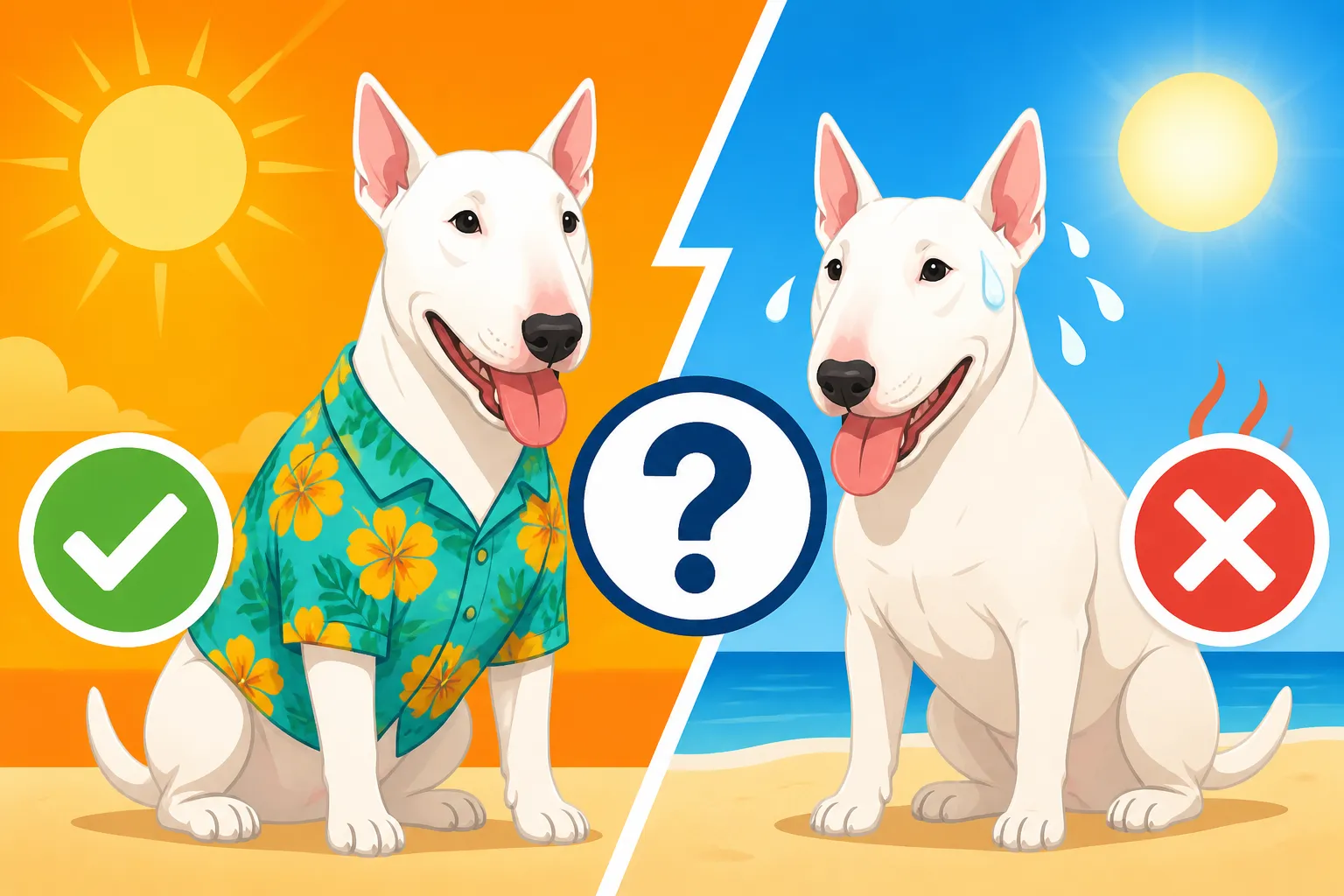
Summer with a Bull Terrier can be a blast, full of zoomies in the yard and long strolls, but it also brings a very real challenge: keeping them cool and protected from the harsh sun. Many Bull Terrier owners find themselves wondering if their beloved, short-coated clown needs a bit more than just shade and water when the temperatures soar, specifically if a summer shirt is a wise addition to their wardrobe. This guide dives deep into the unique needs of a Bull Terrier's skin and coat, the risks of summer heat, and whether protective apparel can truly make a difference for their comfort and health.
Why a Bull Terrier's Coat and Skin Matter in the Heat
When you look at a Bull Terrier, you immediately notice their distinctive, sleek appearance. That short, dense coat and often pink skin are part of their charm, but they also dictate a very specific approach to summer care. Understanding these features is the first step in ensuring your Bull Terrier stays happy and healthy when the sun is blazing.
The Bull Terrier's Unique Coat
Unlike breeds with thick double coats designed to insulate against both cold and heat, like a Siberian Husky or a German Shepherd, a Bull Terrier sports a single, short, and rather coarse coat. This coat is fantastic for shedding dirt and for minimal grooming, but it offers very little in the way of natural sun protection. Think of it like wearing a thin t-shirt versus a thick, tightly woven denim jacket—one offers significantly less barrier against UV rays and direct heat.
This lack of an insulating undercoat means that while they might feel cooler to the touch in mild weather, their skin is quite exposed. There’s no fluffy layer trapping air to create a thermal barrier. While this can be an advantage in helping them dissipate heat quickly in a breeze, it's a huge disadvantage when it comes to blocking intense solar radiation. Their coat allows sunlight to reach their skin almost directly, making them quite vulnerable to sunburn, especially if they are white or have large areas of white on their body.
The Sensitivity of Bull Terrier Skin
Beneath that sleek, short coat lies skin that can be surprisingly delicate, especially for our white Bull Terriers. Many white Bull Terriers have distinctly pink skin, which is naturally more susceptible to sun damage than pigmented skin. It's a bit like a fair-skinned human going out without sunscreen—the risk of burning is significantly higher. Even colored Bull Terriers can have areas of pink skin, particularly on their bellies, inner thighs, and around their noses and ears, which are prime targets for sun exposure.
Beyond just sunburn, Bull Terriers are generally prone to a range of skin issues. A Bull Terrier's Skin Is Its Weakest Point is a common refrain among owners, and it's sadly true. They can suffer from allergies, hotspots, and various dermatological conditions. Exposure to excessive sun can exacerbate existing skin problems or even trigger new ones, leading to irritation, itching, and discomfort. For a breed that loves to be active and explore, compromised skin can really put a damper on their summer fun.
The Risks of Sun Exposure and Heat for Bull Terriers
The summer months bring joy for many, but for Bull Terrier owners, they also bring a heightened sense of vigilance. The combination of their unique physical traits and their typically enthusiastic nature means they face several significant risks when exposed to too much sun and heat.
Sunburn: A Real Threat
When we talk about sunburn on a Bull Terrier, it's not just a minor inconvenience; it's a painful and potentially serious health concern. Their short, thin coat and often pale, pink skin offer very little natural defense against ultraviolet (UV) radiation. Just like us, dogs can get painful, peeling, and blistering sunburns.
Where do Bull Terriers burn most easily? Think of the areas where their fur is thinnest or their skin is naturally exposed: the bridge of their nose, the tips of their ears, their belly, and their inner thighs. Why a White Bull Terrier Sunburns isn't just a concern for aesthetics; it's a fundamental health issue. A severe sunburn isn't just uncomfortable; it can lead to secondary skin infections, and, over time, repeated sun damage significantly increases their risk of developing skin cancers, such as squamous cell carcinoma or hemangiosarcoma. Whether Sun Damage Turns Into Skin Cancer in a Bull Terrier is a question that weighs heavily on responsible owners, and the answer is a sobering yes. Prevention is truly the best medicine here.
Overheating and Heatstroke
Beyond just skin damage, the summer heat poses an even more immediate and life-threatening danger: overheating and heatstroke. Bull Terriers are often described as having the energy of a "three-year-old in a dog suit," and they love to play. This exuberance, combined with their athletic build, means they can easily push themselves too hard in warm weather, often ignoring their own discomfort because they're having too much fun. How Clownish a Bull Terrier Is is part of their charm, but it also means they might not self-regulate their activity levels.
Signs that your Bull Terrier is overheating can include excessive panting, drooling, a rapid heart rate, staggering, vomiting, or even collapsing. Signs a Bull Terrier Is Overheating demand immediate attention. Humidity exacerbates the risk of heatstroke, as it makes it harder for dogs to cool down through panting (evaporative cooling). A hot, humid day can be deadly, even if the air temperature isn't extraordinarily high. Their short muzzle, while not as extreme as some brachycephalic breeds, can also contribute to less efficient cooling compared to a long-nosed dog. It's a silent killer that can strike quickly, turning a fun afternoon into an emergency.
Types of Summer Apparel for Bull Terriers: Pros and Cons
Given the specific vulnerabilities of Bull Terriers to sun and heat, it's natural for owners to look for solutions. Summer apparel has become a popular option, ranging from simple shirts to more advanced cooling gear. But are they actually helpful, or could they make things worse? Let's break down the different types and what to consider.
UV Protection Shirts
These shirts are specifically designed to block harmful ultraviolet rays from reaching your dog's skin. They are often made from lightweight, breathable fabrics with a UPF (Ultraviolet Protection Factor) rating, similar to human swimwear or outdoor clothing.
Pros:
- Direct UV Blockage: This is their primary benefit. A good quality UV shirt can provide a physical barrier against the sun, dramatically reducing the risk of sunburn, especially on the back, sides, and top of the head (if it has a hood). This is particularly beneficial for white Bull Terriers with their sensitive pink skin.
- Cooling Reflection: Many UV shirts come in light colors (white, pastels) which can help reflect sunlight rather than absorbing it, potentially keeping the dog's core temperature slightly lower by minimizing direct heat absorption.
- Barrier for Sensitive Skin: For Bull Terriers prone to allergies or other skin irritations, a UV shirt can also act as a barrier against environmental irritants like certain grasses or pollens, which can be an unexpected bonus.
- Prevents Sun Damage: Long-term, consistent use during sun exposure can help prevent chronic sun damage that could lead to skin cancer.
Cons:
- Heat Trapping (if not breathable): This is the biggest concern. If a shirt is made of a non-breathable fabric (like heavy cotton, fleece, or some synthetic blends not designed for activewear), it can actually trap heat close to the dog's body, essentially acting as an insulating layer. This would do more harm than good in hot weather.
- Comfort and Fit: A poorly fitting shirt can chafe, restrict movement, or cause discomfort, especially for an active Bull Terrier. You want something snug enough not to snag, but loose enough for air circulation and full range of motion.
- Limited Coverage: Most shirts won't cover the nose, ear tips, or belly completely, meaning you'll still need to apply dog-safe sunscreen to these vulnerable areas.
- Can Get Soaked: If your Bull Terrier decides to take a dip, a regular UV shirt might become heavy and less effective, or even irritating when wet for extended periods.
When choosing a UV shirt, look for descriptions that specifically mention "breathable," "lightweight," and "UPF protection." Brands available on platforms like Chewy or Amazon often list these details, making it easier to select an appropriate garment for your Bull Terrier.
Cooling Vests and Bandanas
These items work on the principle of evaporative cooling. You wet them thoroughly, wring out the excess, and then place them on your dog. As the water evaporates, it draws heat away from the dog's body.
Pros:
- Direct Cooling Effect: When wet, these products can provide immediate, tangible relief by lowering the surface temperature of the skin.
- Good for Specific Situations: Ideal for short bursts of activity in the heat, or for helping a dog cool down after exertion.
- Re-useable: Most are designed to be re-wet multiple times, making them cost-effective over a summer.
Cons:
- Needs Frequent Re-wetting: Their effectiveness diminishes as they dry out. On a hot, dry day, they might need re-wetting every 20-30 minutes, which isn't always practical.
- Can Be Heavy and Bulky: When fully saturated, some vests can feel heavy, which might not be comfortable for all Bull Terriers, especially smaller ones or puppies.
- Limited Area of Effect: Bandanas only cool the neck, and vests primarily cool the back and chest. Other areas, like the head and legs, remain exposed.
- Potential for Mold/Mildew: If not properly dried between uses, cooling gear can develop unpleasant smells or mold.
The Importance of Material and Fit
Regardless of whether you choose a UV shirt or a cooling vest, the material and fit are paramount. For UV shirts, opt for technical fabrics like light mesh, moisture-wicking synthetics, or very lightweight, breathable cotton blends. Avoid anything that feels heavy or traps air excessively. For cooling vests, the material needs to be highly absorbent to hold water for evaporation.
A proper fit is crucial for comfort and effectiveness. The garment should allow your Bull Terrier to move, run, and jump without restriction. It shouldn't be so tight that it chafes, especially around the armpits or neck, but it also shouldn't be so loose that it sags, gets caught on things, or allows large gaps for sun to penetrate. Measure your dog carefully, paying attention to chest girth, neck, and back length, and always check the size charts provided by manufacturers on sites like Amazon or Chewy. Remember, your Bull Terrier’s unique build – broad chest, deep rib cage – means standard sizing might need a second look.
Here's a quick comparison of common summer wear options:
| Apparel Type | Primary Benefit | Key Consideration | Best Use Case |
|---|---|---|---|
| UV Protection Shirt | Sun protection | Breathability, light color | Extended outdoor exposure, sensitive skin |
| Cooling Vest | Evaporative cooling | Needs frequent re-wetting | Active play, post-exercise cool down |
| Cooling Bandana | Targeted cooling (neck) | Limited coverage, re-wetting | Short walks, quick relief, mild heat |
| Wet T-Shirt (DIY) | Basic evaporative cool | Can trap heat if not porous | Emergency cooling, brief use |
Beyond the Shirt: Comprehensive Summer Care for Your Bull Terrier
While a summer shirt can be a valuable tool in your Bull Terrier's warm-weather arsenal, it's just one piece of a much larger puzzle. Truly comprehensive summer care involves a multi-faceted approach, focusing on managing their environment, ensuring proper hydration, and maintaining vigilance over their overall health.
Strategic Timing and Environment
One of the simplest yet most effective ways to protect your Bull Terrier in the summer is to be strategic about when and where they spend their time outdoors. Avoid walks and strenuous exercise during the hottest parts of the day, typically between 10 AM and 4 PM. Instead, opt for early morning strolls before the pavement heats up and late evening excursions when the sun has dipped and temperatures are falling. Whether a Bull Terrier Should Walk at Midday is a resounding no in most summer scenarios. Hot asphalt can burn their paw pads, and the intense sun can quickly lead to overheating.
When outdoors, always seek shade. If your yard lacks natural shade, consider setting up a pop-up canopy or umbrella. Indoors, ensure they have access to cool, comfortable resting spots. Tiled floors, basements, or a dedicated cooling mat can be a godsend. Whether a Bull Terrier Needs a Cooling Mat is often answered with a resounding yes by owners who see their dogs gravitate to these spots. Keep fans running in common areas, and consider air conditioning if the indoor temperature regularly creeps up. Never, ever leave your Bull Terrier in a parked car, even for a few minutes with the windows cracked. The temperature inside a car can skyrocket to dangerous levels incredibly quickly.
Hydration and Diet
Staying hydrated is absolutely critical for Bull Terriers in the heat. Always provide constant access to fresh, cool water. This means multiple water bowls around the house and yard, and a portable water bottle and collapsible bowl for walks and outings. Some Bull Terriers might be encouraged to drink more if you add a few ice cubes to their water or offer a pet-specific water fountain, which keeps the water aerated and appealing. How Much Water a Bull Terrier Should Drink varies by size and activity, but more is always better in summer.
Consider incorporating more moisture-rich foods into their diet. While kibble is fine, adding some wet food or even small amounts of plain, dog-safe broth can boost their fluid intake. Some owners even freeze dog-safe fruits or vegetables (like watermelon or cucumber) into icy treats, which are both hydrating and mentally stimulating. For those who use fresh food services, options like Ollie, while not explicitly designed for cooling, offer meals with higher moisture content than traditional kibble, aiding overall hydration. Just be mindful of portion control to prevent unwanted weight gain, especially since Keeping a Bull Terrier Lean When It Carries This Much Muscle is important for their long-term health. Avoid feeding them a large meal right before or after strenuous activity in the heat, as digestion can increase body temperature.
Regular Health Checks
Even with the best preventative measures, vigilance is key. Make it a habit to perform a weekly skin check on your Bull Terrier throughout the summer months. The Weekly Skin Check Every Bull Terrier Needs isn't just for finding hidden ticks; it's essential for spotting any signs of sunburn, skin irritation, or new growths that could indicate sun damage. Pay close attention to their nose, ear tips, and belly – these are common sunburn spots. Look for redness, flaking, or tenderness.
Beyond their skin, keep a close eye on their general demeanor. Is your Bull Terrier more lethargic than usual? Are they panting excessively even at rest? Any unusual behavior warrants attention. Knowing your dog's baseline normal behavior will help you identify subtle signs that something might be off. If you notice persistent skin issues, severe redness, blistering, or any lumps or bumps, don't hesitate to contact your veterinarian. They can assess the situation and recommend appropriate treatment, or if necessary, refer you to a veterinary dermatologist. What a Bull Terrier's Dermatologist Charges can be a significant expense, but catching problems early can prevent more severe, costly complications down the line.
Ultimately, whether a Bull Terrier should wear a shirt in summer depends on a few factors: their coat color, the intensity of the sun, and their activity levels. For white Bull Terriers or those with very sparse coats who spend any significant time outdoors, a lightweight, breathable UV protection shirt can be a very wise investment. For all Bull Terriers, combining protective apparel with smart scheduling, ample hydration, and diligent health checks creates the safest and most comfortable summer experience.
Disclaimer
This article is for general informational purposes only and does not constitute professional advice. Laws, prices and regulations vary by location and change over time. Consult a qualified professional for guidance on your specific situation.