How to Clean a Bull Terrier’s Eyes
Every Bull Terrier owner knows the frustration of seeing their beloved dog with crusty gunk around their bright, mischievous eyes. It’s not just an aesthetic issue; persistent discharge or irritation can be a sign of underlying problems, leading to discomfort or even infection for your "miniature equine." This guide is here to walk you through the proper, gentle, and effective ways to keep your Bull Terrier's eyes sparkling clean, ensuring their comfort and health.
Understanding Your Bull Terrier's Eyes
Our Bull Terriers are famous for their unique, egg-shaped heads and those distinctive, deep-set, triangular eyes. They're part of what makes them so undeniably charming, but these features also come with their own set of considerations when it comes to eye health and cleaning.
The Unique Bull Terrier Eye Structure
Unlike many breeds, the Bull Terrier's eyes are relatively small, deep-set, and have a distinctive triangular shape. This unique conformation, often referred to as a "downface," minimizes the amount of white in their eyes and contributes to their intense gaze. While visually striking, this structure can sometimes lead to issues. The deep-set nature might protect the eye from minor external irritants, but it can also make cleaning tricky, as debris can settle in the folds around the eye. Furthermore, some Bull Terriers can be prone to conditions like entropion (inward-rolling eyelids) or ectropion (outward-rolling eyelids), although these are less common than in some other breeds. It’s always good to be aware of the nuances of your dog’s specific facial structure. Why a Bull Terrier's Eye Is So Small delves deeper into this fascinating characteristic.
Why Bull Terriers Get Eye Gunk and Stains
Just like us, Bull Terriers produce tears to keep their eyes lubricated and flush out irritants. However, sometimes this natural process can lead to visible discharge or staining. Environmental factors are a huge culprit here – dust, pollen, wind, or even a stray hair from their short, bristly coat can cause temporary irritation, leading to increased tear production. In white Bull Terriers, or those with extensive white on their faces, the tear stains (often reddish-brown due to porphyrin pigments in tears) can be particularly noticeable and sometimes difficult to manage.
Beyond simple irritation, various factors can contribute to more significant eye gunk. Allergies, both environmental and food-related, can manifest as itchy, watery eyes and excessive discharge. A dirty environment, like dust from digging or lingering pollen from a romp in the park, can also cause minor eye infections if not addressed. Sometimes, even the way your Bull Terrier drinks from their water bowl can splash water into their eyes, leading to irritation. It's a combination of their unique breed characteristics and daily life that often dictates how much eye gunk you might be cleaning up.
Gathering Your Eye Cleaning Supplies
Before you embark on your eye-cleaning mission, it’s essential to gather the right tools and solutions. Using inappropriate products can do more harm than good, potentially irritating your Bull Terrier’s sensitive eyes. Always opt for products specifically designed for canine ophthalmic use.
Safe Cleaning Solutions for Canine Eyes
When it comes to cleaning solutions, gentle is the name of the game. The safest and most widely recommended option is a sterile saline solution, similar to what humans use for contact lenses. It's simply purified water with a balanced salt concentration that mimics natural tears, making it incredibly mild and non-irritating. You can find these at most pharmacies or pet stores. Another excellent choice is a veterinary-approved eye wash designed specifically for dogs. These often contain mild antiseptic or soothing ingredients, but always check the label for any strong chemicals or fragrances that might upset your Bull Terrier's eyes. Remember, a quick check with your vet can always confirm the best solution for your individual dog.
Essential Tools for the Job
Beyond the cleaning solution, you’ll need some practical tools to get the job done effectively and safely. Soft, lint-free cotton pads or sterile gauze are ideal for wiping around the eyes. Avoid cotton balls, as they can leave tiny fibers behind that might further irritate the eye. For those stubborn, crusty bits, a fine-toothed flea comb or a dedicated tear stain comb can be incredibly helpful for gently loosening and removing dried discharge from the fur around the eye, but always use extreme caution. Some owners also find soft, damp cloths useful for initial wiping. Have a clean towel nearby for drying, and maybe a few favorite treats to make the experience more positive for your Bull Terrier.
Where to Find Quality Products
Finding reliable eye cleaning products for your Bull Terrier is usually quite straightforward. Your local pet supply store will likely carry a range of canine-specific eye wipes and washes. For a broader selection, online retailers like Chewy and Amazon are fantastic resources. Chewy, in particular, often has a wide variety of veterinary brands and customer reviews that can help guide your choice. When shopping on Amazon, always check seller ratings and product reviews to ensure you're getting a reputable item. Look for phrases like "veterinary-approved," "tearless," "hypoallergenic," and "fragrance-free" to ensure the product is gentle enough for your Bull Terrier's delicate eye area. Don't be shy about asking your veterinarian for their recommendations – they can often point you toward specific brands they trust.
Here's a quick comparison of common cleaning methods:
| Cleaning Method | Pros | Cons | Best For |
|---|---|---|---|
| Sterile Saline Solution | Gentle, natural, mimics tears | Requires separate cotton pads, not for deep stains | Daily rinse, minor irritation, flushing |
| Pet Eye Wipes | Convenient, pre-moistened, portable | Can be expensive, some contain mild irritants | Quick clean-ups, travel, surface dirt |
| Canine Eye Wash Drops/Rinse | Formulated for dogs, often soothing | Can be tricky to apply, may require rinsing | Moderate discharge, soothing irritated eyes |
| Warm Water & Clean Cloth | Readily available, cost-effective | Not sterile, can introduce bacteria if not clean | Very minor crusting, gentle wiping |
The Step-by-Step Eye Cleaning Process
Once you have your supplies ready, approaching the actual cleaning process with patience and confidence will make a huge difference. Your Bull Terrier will pick up on your energy, so a calm demeanor is key to a successful experience.
Preparing Your Bull Terrier for Eye Cleaning
First things first, choose a quiet time when your Bull Terrier is relaxed. Avoid trying to clean their eyes when they're over-excited or full of zoomies. A gentle pat or cuddle beforehand can help settle them. Have all your supplies within easy reach so you're not fumbling around once you start. It's often helpful to have your Bull Terrier sitting or lying down comfortably. You might even consider doing this after a walk when they're a bit tired and more amenable to holding still. If your Bull Terrier is particularly squirmy, having a second person to gently hold and reassure them can be invaluable. Positive reinforcement, like praise and treats, is crucial throughout this process.
Gentle Cleaning Techniques
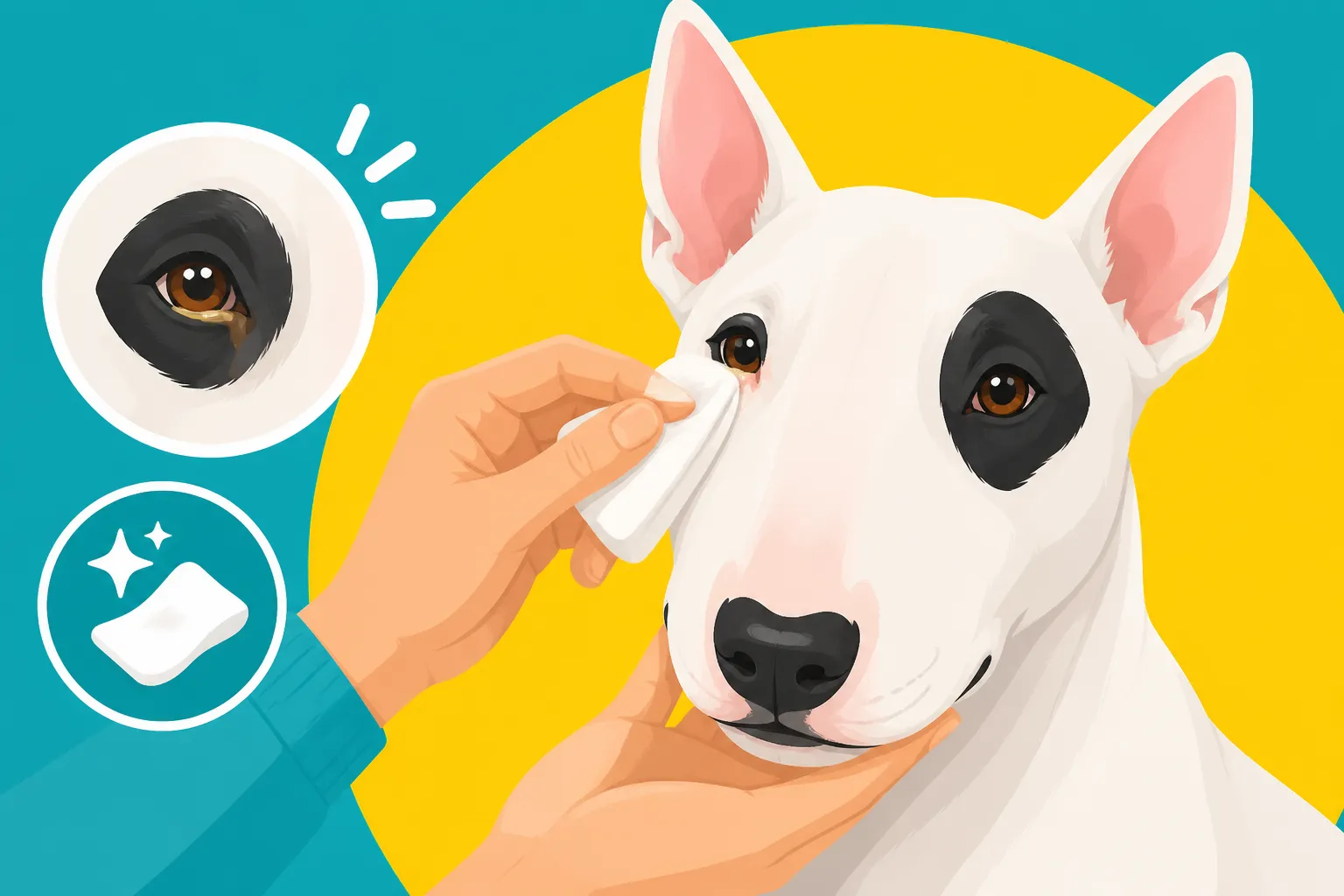
Now for the actual cleaning. Take your sterile cotton pad or gauze and moisten it with your chosen saline solution or pet eye wash. Gently hold your Bull Terrier's head steady. You want to wipe away from the eye, starting from the inner corner (closer to the nose) and moving outwards. Use a fresh, clean part of the pad for each wipe, or better yet, a new pad entirely for each eye, to prevent spreading any potential bacteria. For dried crusts, hold the moist pad over the crust for a few seconds to soften it before gently wiping it away. Never rub vigorously. For stubborn tear stains on the fur, you can use the fine-toothed comb very carefully, teasing out the dried material after it's been softened, always ensuring you don't poke or scrape the eye itself. The goal is to be effective but exceedingly gentle.
Post-Cleaning Care
Once their eyes are clean, a final gentle wipe with a dry, soft cloth or fresh cotton pad can help remove any excess moisture. This is especially important for Bull Terriers, whose short coats can chafe if left damp. Reward your Bull Terrier immediately with praise and their favorite treat. This positive association will make future cleaning sessions much easier. Consistency is key here; a regular routine, even if it's just a quick check and wipe every few days, will prevent severe build-up and make the process quicker for both of you. If you notice any redness or irritation after cleaning, or if the discharge seems worse, it’s a sign to contact your vet. You might also want to do a general check of their face and ears; sometimes issues like How Often a Bull Terrier's Ears Need Checking can be linked to overall facial cleanliness.
Common Eye Issues and When to See the Vet
While routine cleaning can prevent many minor irritations, it's crucial to know when a simple cleaning isn't enough and professional veterinary attention is required. Bull Terriers, like all dogs, can develop various eye conditions.
Recognizing Signs of Trouble
Beyond the usual morning gunk, certain signs indicate a more serious underlying issue. If you notice any of the following, it’s time to call your vet:
- Excessive redness or inflammation: The white of the eye (sclera) should not be bloodshot, nor should the eyelids appear swollen or puffy.
- Thick, colored discharge: Green, yellow, or thick white discharge can signal a bacterial infection.
- Squinting, blinking excessively, or pawing at the eye: These are clear signs of pain or irritation. Signs a Bull Terrier's Eye Is Irritated offers a more detailed look at these indicators.
- Cloudiness or changes in eye color: A hazy appearance, a bluish tint, or any visible changes to the iris or pupil are red flags.
- Sensitivity to light: Your Bull Terrier might avoid bright areas or try to hide their face.
- Visible foreign objects: If you can see something in their eye that you can't easily flush out with saline.
- Sudden vision changes: Bumping into things, hesitation on stairs, or difficulty tracking toys.
When Home Care Isn't Enough
Sometimes, despite your best efforts with gentle cleaning, the problem persists or worsens. This is a clear indicator that home care is insufficient. If your Bull Terrier's eye issue doesn't resolve within 24-48 hours of diligent cleaning, or if any of the severe signs mentioned above are present, don't delay in seeking veterinary advice. Infections, corneal ulcers, glaucoma, and other serious conditions require prompt medical intervention. Trying to treat a serious eye problem at home with over-the-counter human products can be dangerous and lead to permanent damage or blindness. Always err on the side of caution when it comes to your Bull Terrier's eyesight.
Conditions Specific to Bull Terriers
While many eye conditions are general to all breeds, Bull Terriers do have some predispositions worth noting. Ectropion in a Bull Terrier, an outward rolling of the eyelid, can expose the delicate inner lining to irritants and dryness. Similarly, Dry Eye in a Bull Terrier (keratoconjunctivitis sicca or KCS) occurs when the eyes don't produce enough tears, leading to chronic dryness, inflammation, and thick discharge. Both conditions require veterinary diagnosis and specific ongoing management, often with prescription eye drops or ointments. While not an eye issue itself, conditions like The Yearly Urine Test Every Bull Terrier Owner Should Book highlight the importance of overall preventative health screening, as a dog’s general health can sometimes manifest in subtle ways, including changes in eye appearance or discharge. Maintaining a robust general health plan, including excellent nutrition (you might look at brands like Ollie for high-quality, whole food options that support overall wellness) can help prevent secondary issues.
Preventing Future Eye Irritation
An ounce of prevention is worth a pound of cure, especially when it comes to your Bull Terrier's delicate eyes. Establishing good habits and being mindful of their environment can significantly reduce the frequency and severity of eye irritations.
Regular Maintenance and Routine
Consistency is truly the unsung hero of preventative eye care. Make a habit of checking your Bull Terrier's eyes daily, perhaps during their morning cuddle or after a walk. A quick visual inspection can catch minor issues before they escalate. Aim for a gentle wipe with a moist cotton pad every few days, or more frequently if your dog is prone to discharge or tear staining. This doesn't need to be a major production; even a minute or two can make a huge difference. Incorporate it into their general grooming routine, perhaps when you're doing The Weekly Skin Check Every Bull Terrier Needs, as many skin and coat issues can sometimes affect the surrounding eye area. Regular grooming also ensures that any stray hairs around the eyes are kept trimmed, reducing potential irritation.
Environmental Factors to Consider
Your Bull Terrier's environment plays a significant role in their eye health. Dust, dirt, and allergens are common culprits for irritation. If your Bull Terrier spends a lot of time digging or romping in dusty areas, a quick rinse with sterile saline after outdoor adventures can help flush out particles. Consider the air quality inside your home too – heavy perfumes, smoke, or even some household cleaning sprays can irritate sensitive eyes. Using a humidifier in dry climates can sometimes help, especially for dogs prone to dry eyes. If you use a crate, ensure it’s clean and free of dust or irritants that could blow into their eyes. A Bull Terrier's Skin Is Its Weakest Point, and environmental irritants that affect their skin can also contribute to overall discomfort that manifests in eye rubbing or irritation.
Dietary Considerations for Eye Health
While diet isn't a direct eye cleaning solution, it absolutely contributes to overall health, which in turn supports healthy eyes. A well-balanced, high-quality diet provides the necessary vitamins and antioxidants that can boost immune function and reduce inflammation throughout the body, including the eyes. Some anecdotal evidence suggests that certain foods or supplements, like those rich in Omega-3 fatty acids, can help reduce inflammatory responses that might contribute to excessive tearing or dry eye symptoms. Ensuring your Bull Terrier is well-hydrated is also crucial for tear production. If your Bull Terrier is on a specialized diet, such as a prescription food, always consult your vet before adding any supplements. While specific eye health foods aren't common, opting for a quality diet, perhaps from a brand like Ollie, which focuses on fresh, whole ingredients, can generally support your dog's wellness from nose to tail, including those wonderfully expressive eyes.
Disclaimer
This article is for general informational purposes only and does not constitute professional advice. Laws, prices and regulations vary by location and change over time. Consult a qualified professional for guidance on your specific situation.