What James Hinks Did Before He Bred Bull Terriers
When we talk about the Bull Terrier, our minds often jump straight to James Hinks, the legendary figure credited with creating this magnificent breed. But before he etched his name into canine history with the "White Cavalier," James Hinks was a man shaped by his times and engaged in a fascinating array of pursuits. Understanding his background offers invaluable insight into the vision and sheer determination that led to the Bull Terrier we know and love today. This guide will explore the life and activities of James Hinks before his groundbreaking work in dog breeding, painting a richer picture of the man behind the breed.
The Man Behind the Vision: James Hinks' Early Life in Birmingham
Before he became synonymous with the Bull Terrier, James Hinks was a vibrant, ambitious entrepreneur operating in one of the most dynamic cities of his era. His story isn't just about dogs; it's about a self-made man navigating the exciting, often chaotic, landscape of mid-19th century industrial England. To truly appreciate his genius in breed creation, we need to understand the fertile ground from which his ideas sprang.
Birmingham's Industrial Revolution Backdrop
Imagine Birmingham in the mid-1800s. It was a powerhouse, a sprawling, smoky hive of industry, a city brimming with innovation and opportunity. This wasn't a sleepy rural town; it was a throbbing heart of the Industrial Revolution, known as the "Workshop of the World." This environment fostered a spirit of ingenuity and practicality, where new ideas were constantly being forged, much like the metals that defined the city's economy. Living and working here meant being exposed to constant change, fierce competition, and a relentless drive for improvement and efficiency.
In such a booming industrial hub, wealth was being created, and with it came a burgeoning middle class that had disposable income and a desire for status symbols, including fashionable dogs. This era was characterized by a rapid growth in population, expanding trade networks, and a general sense of progress. For someone with an entrepreneurial spirit like Hinks, Birmingham presented an ideal backdrop, full of potential for those with keen eyes for opportunity and the drive to seize them. It was a place where hard work, cleverness, and a bit of daring could lead to significant success, a stark contrast to the more rigid class structures found elsewhere.
Hinks' Ventures Beyond Dog Breeding
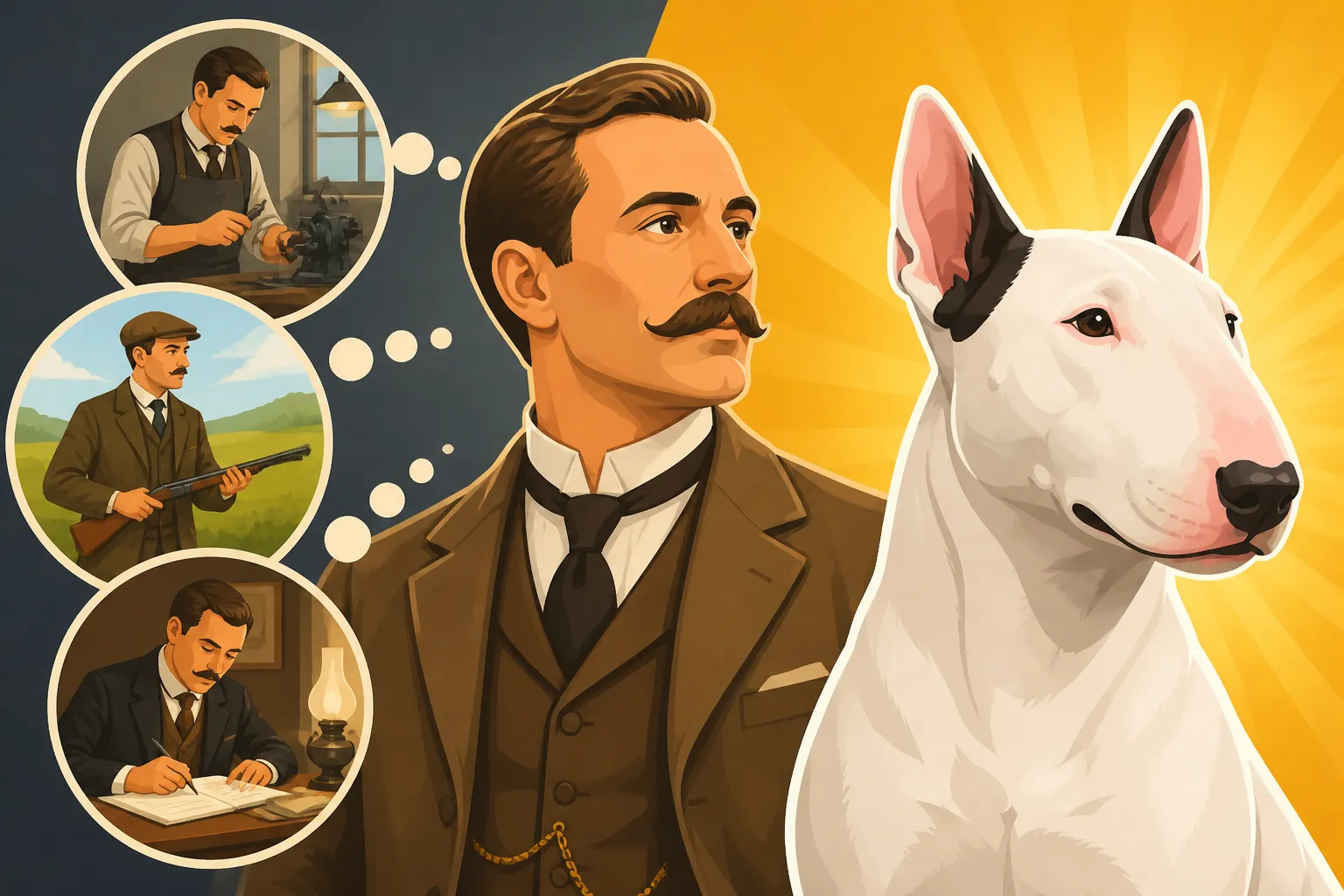
James Hinks wasn't a one-trick pony; his entrepreneurial spirit led him down several paths before his canine endeavors fully blossomed. He was known to be involved in a variety of businesses, demonstrating a versatile and pragmatic approach to making a living. One of his most notable early ventures was as a "rat catcher and dog dealer" – a title that sounds rather quaint to us now, but in his time, it was a practical and necessary service. Rat catching was vital for public health in crowded cities, and having skilled dogs for this purpose was highly valued. This work would have given him an intimate understanding of dog behavior, working drives, and conformation suitability for specific tasks.
Beyond pest control, Hinks was also involved in the metals trade, a quintessential Birmingham industry. He was documented as a "nail manufacturer" at one point, leveraging the city's reputation for hardware production. This demonstrates his ability to adapt to different market demands and his willingness to engage in the heavy industrial work that characterized his hometown. These diverse experiences, from the gritty reality of pest control with working dogs to the demanding world of manufacturing, undoubtedly sharpened his business acumen and his eye for quality and utility, skills that would prove invaluable when he turned his full attention to creating a new breed of dog. He wasn't just passionate about dogs; he was a shrewd businessman through and through, capable of seeing a gap in the market and figuring out how to fill it.
The Pre-Bull Terrier Dog Scene: Hinks' Early Canine Connections
While James Hinks is celebrated for the Bull Terrier, his engagement with dogs didn't begin with that specific breed. He was deeply immersed in the vibrant, sometimes brutal, "dog fancy" culture of his time, giving him a rich foundation of knowledge and practical experience with various canine types. His understanding of what made a good dog, both for work and companionship, was honed long before the first distinctive Bull Terrier stepped into the ring.
The "Fancy" of Mid-19th Century England
The mid-19th century in England was a fascinating period for dog enthusiasts. Formal dog shows, as we know them today, were only just beginning to take shape, with the first recorded show held in 1859. Before this, the world of dogs was a much more informal, and often rough-and-ready, affair, known colloquially as "the fancy." This world encompassed everything from working dogs used for hunting and pest control to the burgeoning interest in companion animals and, yes, dog fighting. Pubs and taverns often served as unofficial venues where men would meet to show off their dogs, arrange contests, and discuss breeding.
Within this "fancy," there was a significant appreciation for certain qualities: courage, tenacity, strength, and gameness. These were the traits valued in dogs used for badger baiting, ratting, and dog fighting—activities that, while abhorrent to modern sensibilities, were part of the cultural fabric for many at the time. James Hinks, as a dog dealer and rat catcher, would have been right in the thick of this culture, observing firsthand what traits made a dog successful in these strenuous endeavors. This hands-on experience, seeing dogs perform under pressure, would have instilled in him a deep practical knowledge of canine physicality and temperament, allowing him to identify specific genetic characteristics that could be manipulated through selective breeding. This was his informal schooling in canine genetics and behavior, laying the foundation for his future masterpieces.
His Work with Other Terriers and Bull-and-Terrier Types
Before the distinct Bull Terrier breed emerged, Hinks was undoubtedly working with, and likely breeding, various forms of "bull-and-terrier" dogs. These were not formalized breeds in the way we understand them today but rather functional crosses between Bulldogs and various terrier types. The aim was to combine the tenacity and strength of the Bulldog with the agility and gameness of the terrier. These dogs were popular for their prowess in blood sports, but also as general-purpose working dogs, capable of guarding property and dispatching vermin.
Hinks' role as a dog dealer and rat catcher meant he would have been intimately familiar with these bull-and-terrier types. He would have handled many individuals, understanding their temperaments, physical attributes, and their strengths and weaknesses. This practical experience was crucial. He wasn't just reading about dogs; he was actively engaging with them, observing their structures, their bites, their drives, and their ability to perform. This period was his laboratory, where he experimented, learned, and honed his eye for what a truly exceptional working and companion dog should embody. It's safe to say that his eventual creation, the Bull Terrier, was a direct evolution from these earlier, less refined "bull-and-terrier" dogs, meticulously crafted to elevate their best qualities. For more on the history, check out What the Bull and Terrier Was.
A Vision Takes Shape: Hinks' Drive for a New Breed
James Hinks wasn't content to simply work with the existing dog types of his day. He possessed a keen eye for what was missing and a visionary drive to create something entirely new – a dog that retained the formidable qualities of its ancestors but presented them in a more aesthetically pleasing, more "gentlemanly" package. This ambition was a direct result of his experiences and observations in the bustling world of mid-19th century Birmingham.
Identifying a Gap in the Market
Hinks, being the astute businessman he was, didn't just love dogs; he understood market demand. He saw that while the rough-and-ready bull-and-terrier crosses were functional and brave, they lacked a certain elegance. As society shifted away from overt blood sports and towards more formalized dog shows and companion animals, there was a growing desire for a dog that could still boast courage and strength but without the sometimes coarse appearance associated with its pit-fighting forebears. People wanted a dog that was striking in appearance, clean, and respectable, yet still possessed the formidable character and spirit of the bull breeds.
He recognized that a dog with a distinctive, refined appearance could capture the public's imagination, appealing to gentlemen who wanted a courageous companion that also looked the part in polite society. This wasn't just about breeding a better fighter; it was about breeding a better show dog and companion that still retained the best aspects of its working heritage. This keen understanding of evolving tastes and social trends allowed him to pinpoint a specific niche that no other breeder had yet perfectly filled. He was creating a "gentleman's dog"—a canine companion that exuded both strength and class. His vision eventually earned the Bull Terrier the nickname, What the White Cavalier Name Meant.
The Qualities He Sought to Combine
With a clear market in mind, Hinks set out to combine specific traits to create his ideal dog. He aimed to keep the legendary gameness and physical power of the Old English Bulldog and the various terriers, but he wanted to wrap these qualities in a more symmetrical, cleaner form. This meant selecting for particular physical characteristics that would become hallmarks of the Bull Terrier breed. He sought a dog with a powerful, muscled body, yet one that moved with a certain grace. Crucially, he worked towards a specific head type, aiming for a cleaner, more refined skull than the blocky heads of the earlier bull-and-terrier crosses.
His innovative approach involved crossing his traditional "bull and terrier" stock with the now-extinct English White Terrier, and reportedly, even with the Dalmatian to introduce the pure white coat and possibly the distinctive triangular eye shape. This was a bold and calculated move, leveraging different breeds to achieve a composite ideal. The result was a dog that possessed the fighting spirit of its ancestors but was housed in a pristine white coat, embodying both purity and power. He was striving for a unique blend of traits that would distinguish his creation from all others. For more on the breed's origins, see Which Breeds Went Into the Bull Terrier and Where the Bull Terrier Comes From.
One of the most profound aspects of Hinks' methodology was his meticulous attention to detail and his willingness to experiment with various crosses to achieve his desired outcome. He understood that simply breeding two "good" dogs together didn't guarantee success; it required an artistic eye and a scientific mind to consistently select for the desired traits over generations. He wanted a dog that was physically robust and resilient, capable of enduring the rigors of any task, yet also possessed a calm and confident demeanor. This dual focus on both form and function was groundbreaking.
His dedication to the purity of the white coat was also a significant part of his vision, as detailed in Why Hinks Wanted an All White Dog. In an era where many dogs were multi-colored, a pure white coat was considered a mark of distinction and refinement. This wasn't just a superficial aesthetic choice; it was part of creating a truly unique and recognizable breed that would stand out from the crowd. Hinks’ unwavering commitment to this characteristic played a large part in the initial success and recognition of his Bull Terriers.
The Foundation of a Legacy
Hinks’ work before the definitive establishment of the Bull Terrier was not just about dabbling in various trades; it was a continuous process of learning, observing, and refining his understanding of dogs and commerce. His early experiences with different breeds and his involvement in the canine "fancy" provided him with an unparalleled practical education. He saw which physical attributes contributed to a dog's performance, which temperaments made them manageable, and which appearances would appeal to a broader public. This composite knowledge became the bedrock upon which he built his most famous creation.
The ability to blend the raw power and tenacity of the bull-and-terrier types with the elegance and striking appearance of other breeds was his stroke of genius. He wasn't just a dog breeder; he was a visionary artist, using living canvas to sculpt his ideal. His legacy is a testament not just to his passion for dogs, but to his incredible foresight and understanding of both canine genetics and human desire. The Bull Terrier, often seen as a symbol of strength and distinctive beauty, is the enduring proof of his multifaceted genius, built on a foundation of diverse experiences and an unwavering commitment to his vision.
| Area of Activity | Prior Experience / Observation | Contribution to Bull Terrier Breeding |
|---|---|---|
| Rat Catcher/Dog Dealer | Hands-on understanding of working dogs, prey drive, tenacity | Appreciation for gameness, courage, and physical robustness. |
| Nail Manufacturer/Trade | Business acumen, attention to detail, efficiency, market trends | Strategic thinking, identifying market gaps, consistent breeding goals. |
| The Dog "Fancy" | Exposure to various bull-and-terrier types, early dog shows | Knowledge of desired traits, understanding of breeding challenges. |
| Breeding Other Terriers | Practical experience in selective breeding, genetic combinations | Skill in combining traits for temperament, structure, and appearance. |
| Social Observation | Understanding of evolving societal tastes, demand for status symbols | Vision for a "gentleman's dog" – strong yet refined and aesthetically pleasing. |
Conclusion
James Hinks' journey to becoming the father of the Bull Terrier was far more expansive than simply deciding to breed dogs one day. His formative years in bustling, industrial Birmingham, coupled with his varied entrepreneurial ventures—from the practical grit of rat catching to the precision of manufacturing—equipped him with a unique blend of skills. He was a keen observer of both canine behavior and human desire, an astute businessman who could spot a market niche, and a hands-on individual with a deep understanding of dog physicality and temperament.
It was these diverse experiences, cultivated before he dedicated himself fully to the Bull Terrier, that allowed him to envision and then meticulously craft a breed that combined courage and strength with an unmistakable elegance. His genius lay not just in his passion for dogs, but in his ability to apply a sharp, entrepreneurial mind to the art of selective breeding. The Bull Terrier stands today as a living testament to a man whose comprehensive background made him uniquely suited to create a true canine icon.
Disclaimer
This article is for general informational purposes only and does not constitute professional advice. Laws, prices and regulations vary by location and change over time. Consult a qualified professional for guidance on your specific situation.