Whether Protein Should Be Lowered for a Bull Terrier’s Kidneys
Bull Terrier kidney disease management requires high-quality protein rather than extreme dietary protein reduction.
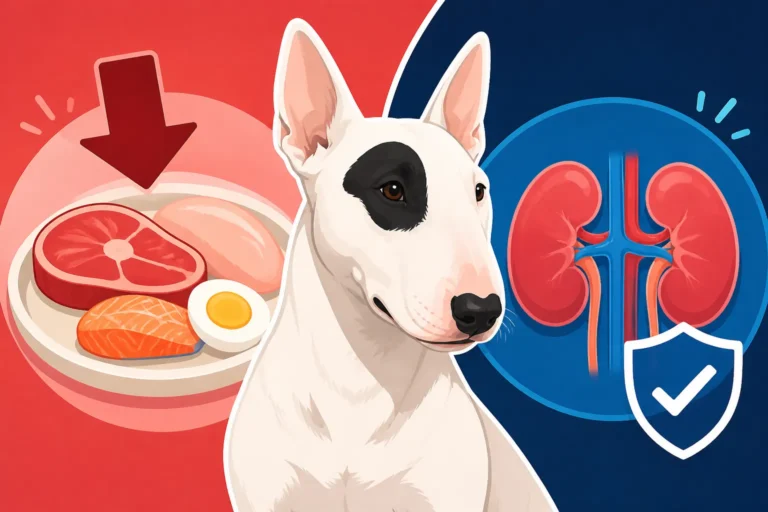
Bull Terrier kidney disease management requires high-quality protein rather than extreme dietary protein reduction.
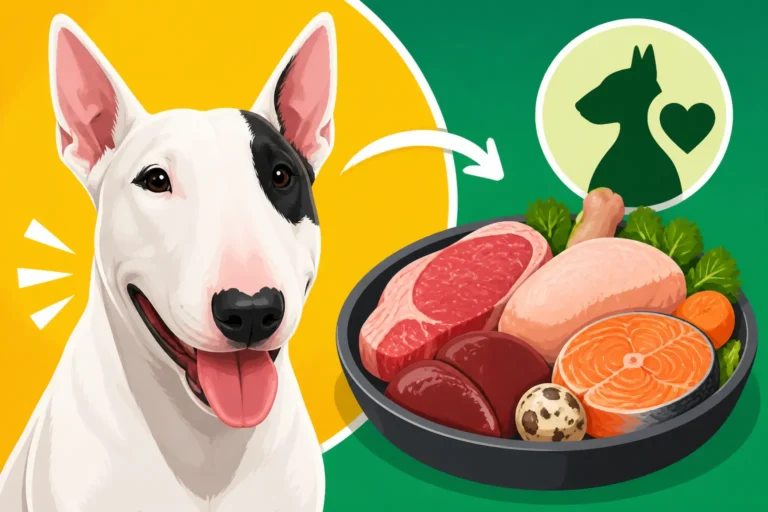
Raw feeding for Bull Terriers explains health concerns, food allergies, diet types, and how to improve skin conditions.
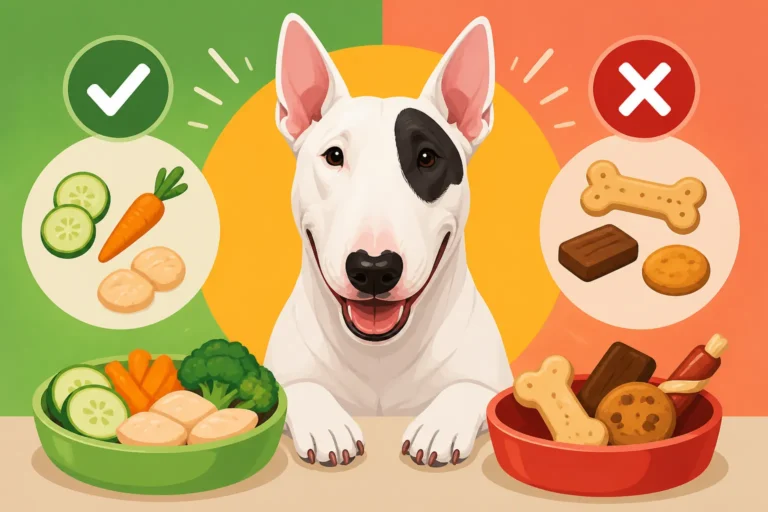
Low calorie treats for a dieting Bull Terrier help manage weight while protecting joint health and preventing heart problems.
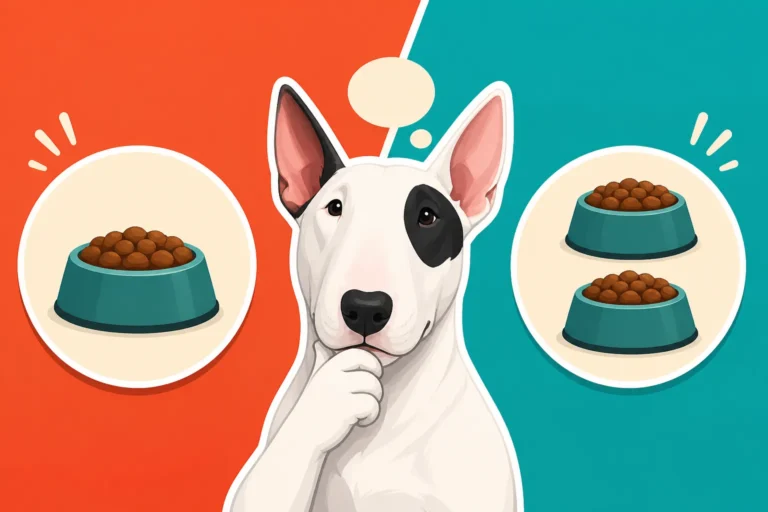
Feeding a Bull Terrier twice a day supports digestive health and prevents bloat by slowing down rapid eating habits.
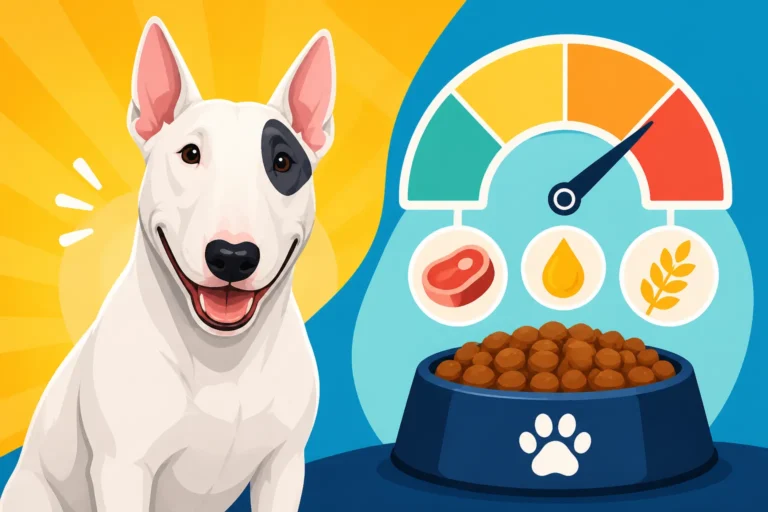
Bull Terrier calorie needs depend on muscle mass, age, and activity levels to prevent weight issues in these muscular dogs.
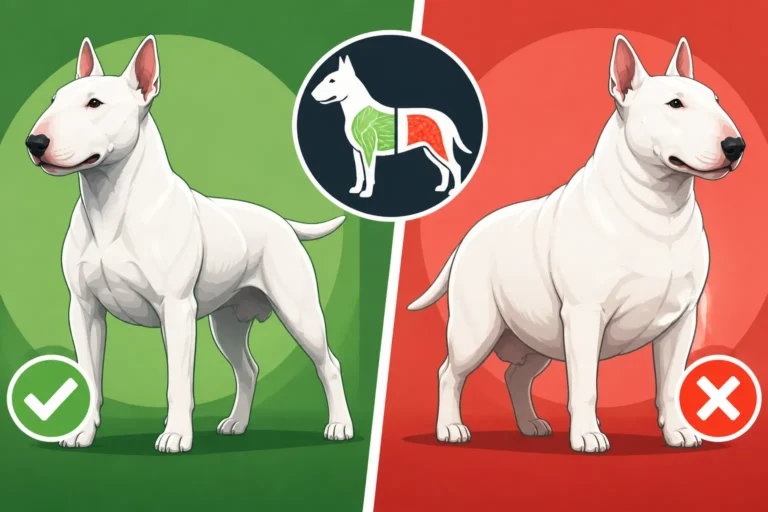
Bull Terrier muscle and fat differences are evaluated using hands on physical assessments of rib and waistline feel.
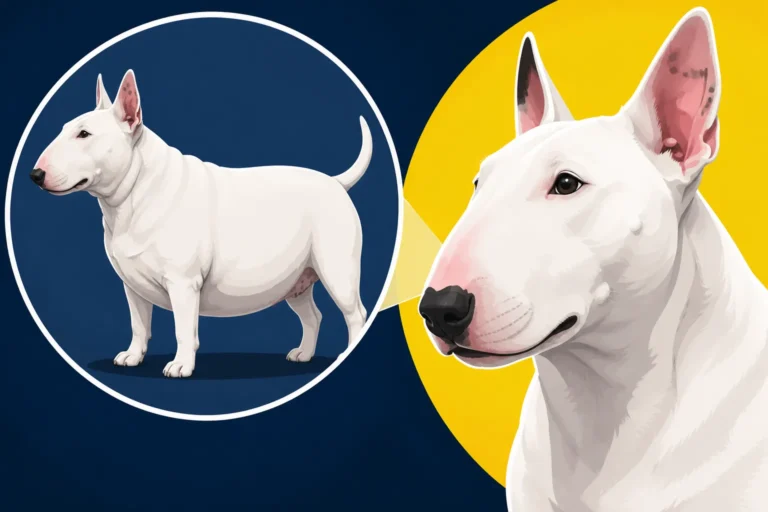
An overweight Bull Terrier is difficult to spot because dense bones, broad chests, and heavy muscle mass mask extra fat.
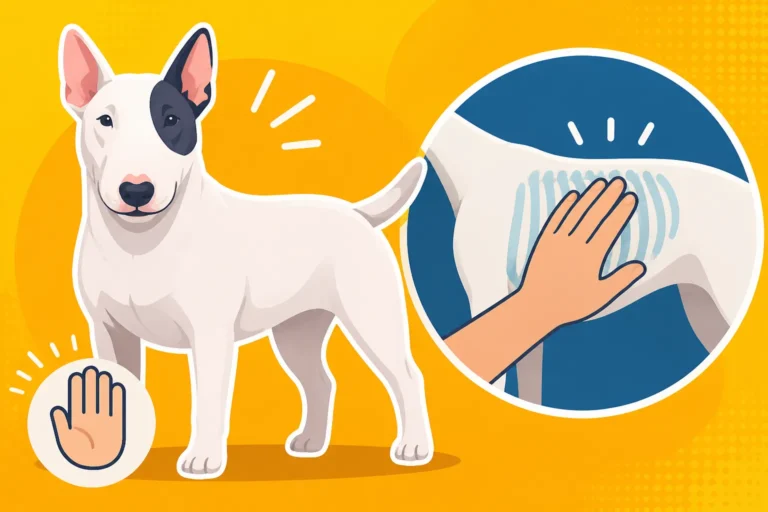
A hands-on palpation technique helps Bull Terrier owners feel the ribs to accurately check their pet body condition.

Bull Terrier puppy nutrition and size classifications explain whether these dogs require large breed food during growth.

Bull Terrier growth stages from zero to thirty-six months explain weight gain and development milestones across puppyhood.