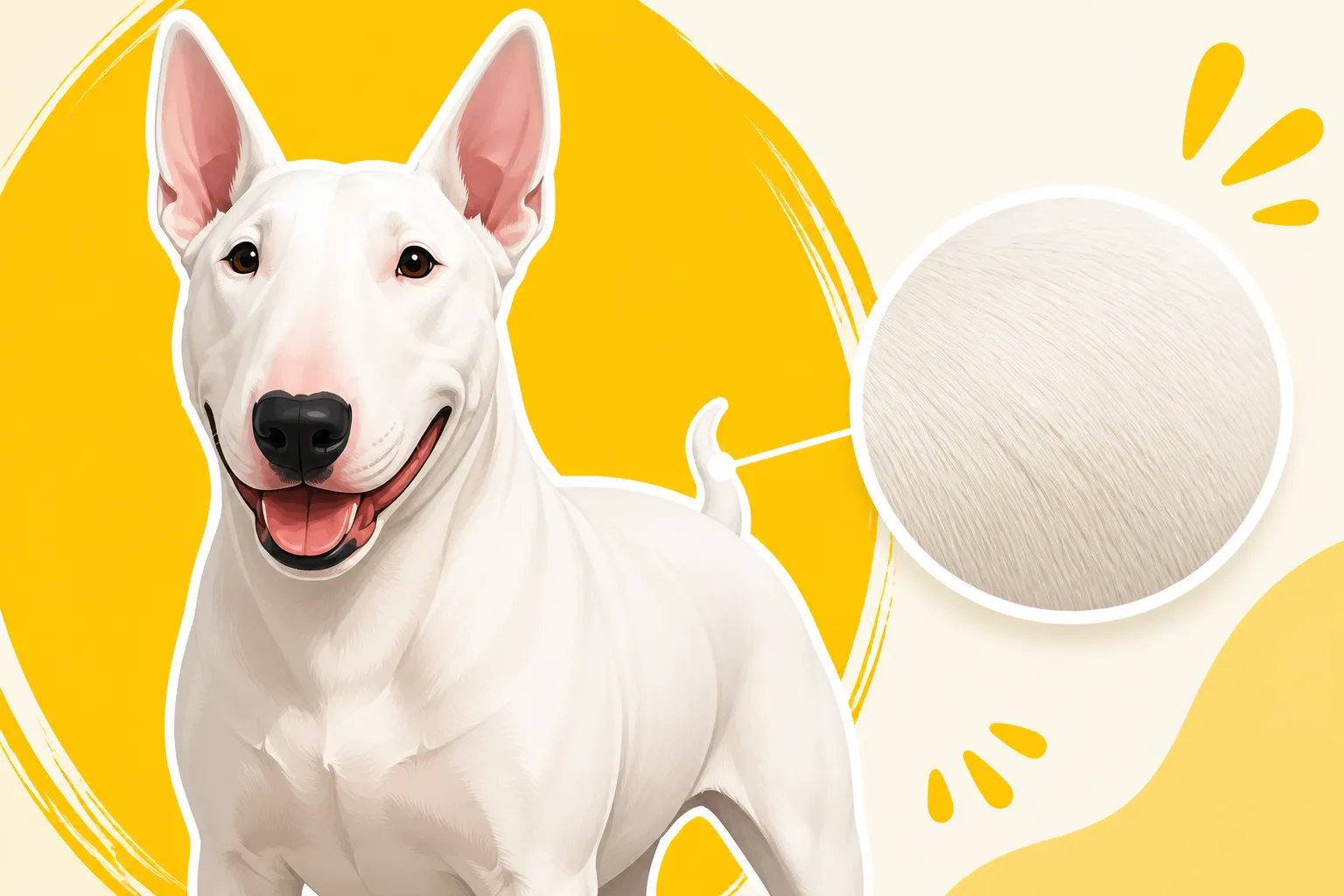
What a Bull Terrier’s Coat Is Like
Many new Bull Terrier owners, myself included once upon a time, are lulled into a false sense of security by their dog's short, smooth coat. You look at that sleek, close-lying hair and think, "Ah, easy grooming! No fuss, no muss." But oh, how quickly reality sets in. That seemingly low-maintenance coat actually comes with its own unique set of challenges, from persistent shedding that seems to defy logic to underlying skin sensitivities that demand constant vigilance. This guide will walk you through everything you need to know about your Bull Terrier's distinctive coat, so you can stop being surprised and start being prepared.
The Bull Terrier's Signature Coat: Short, Smooth, and Surprisingly Active
When you first pet a Bull Terrier, you immediately notice the smooth, short, and generally harsh texture of their coat. It's one of their defining characteristics, a stark contrast to the rougher, wiry coats of some other terriers. This coat type is often mistakenly associated with minimal upkeep, but that couldn't be further from the truth. While you won't be dealing with mats or complex clipping, you will be tackling a steady stream of fine, needle-like hairs and staying on top of the unique sensitivities of the skin underneath.
The Feel and Texture
A Bull Terrier's coat should feel short, flat, and hard to the touch, with a definite sheen. There's no soft, fluffy undercoat here to cushion the hand. It’s a single layer of guard hairs, designed to be protective and resilient, reflecting the breed's working origins. This density, even without an undercoat, means that the hairs are packed quite closely together. Think of it less like a soft blanket and more like a tightly woven, durable fabric. This texture is what often makes their shed hair so persistent – it gets everywhere and embeds itself into upholstery with alarming efficiency.
The absence of a traditional undercoat is a double-edged sword. On one hand, it means less potential for matting and a quicker drying time after a bath. On the other hand, it offers less insulation against extreme temperatures and, crucially, less protection for their often-pink, sensitive skin. It’s a coat built for toughness, but not necessarily for comfort in all climates without owner intervention. You might find your Bull Terrier shivers in the cold more readily than you'd expect or seeks out warm spots.
Why No Undercoat Isn't "No Shed"
One of the biggest misconceptions about short-coated breeds like the Bull Terrier is that they don't shed much. Oh, if only that were true! While they might not leave tumbleweeds of fur rolling across your floor like a husky, they absolutely shed. And because their hairs are short and stiff, they tend to weave themselves into carpets, furniture, and clothing with a tenacity that would impress a spider. It's a different kind of shedding, not necessarily less of it.
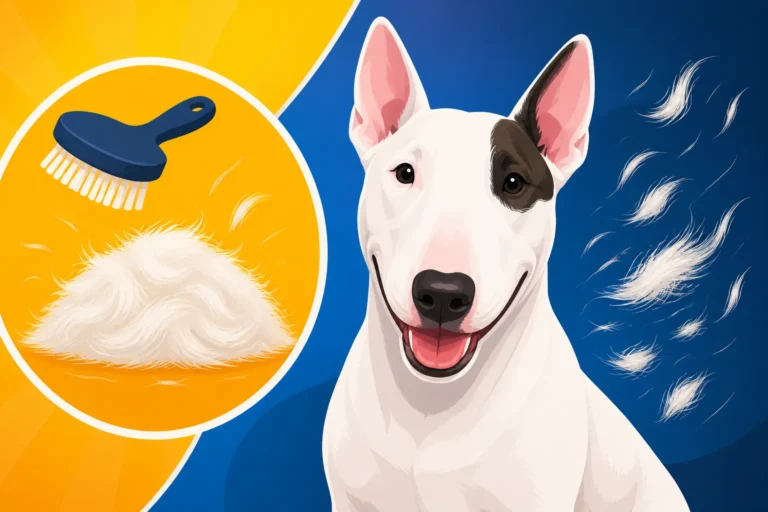
Their shedding patterns are less about a dramatic seasonal "blow" and more about a consistent, year-round release of hair. Yes, there can be periods of heavier shedding, often correlating with seasonal changes in light and temperature, but you'll never be truly free of those little white (or colored) hairs. This constant renewal of the coat means that daily or near-daily grooming is actually more beneficial than sporadic, intense sessions, helping to capture loose hair before it settles into every nook and cranny of your home.
Color Variations and Their Impact
Bull Terriers come in a wonderful array of colors, from pure white to brindle, red, fawn, black, and various tri-color patterns. Each color is beautiful in its own right, and while the coat texture and shedding characteristics remain consistent across all colors, the skin underneath can vary in its sensitivity, particularly for white-coated dogs. A purely white Bull Terrier almost invariably has pink skin underneath, which is far more susceptible to sunburn and certain skin irritations than the pigmented skin of their colored counterparts.
For owners of white Bull Terriers, Sunburn on a White Bull Terrier is a constant concern. Their pale skin offers little natural protection against harmful UV rays, making precautions like sunscreen and protective clothing essential for outdoor time. While colored Bull Terriers might have more pigmented skin, they are by no means immune to skin issues, but the white ones often require a bit more vigilance in this regard. Regardless of color, every Bull Terrier's coat tells a story of its health, and changes in luster, texture, or the appearance of bald patches can be early indicators of underlying problems.
Shedding: A Persistent Reality
Let's just be honest: Bull Terriers shed. A lot. Anyone who tells you otherwise probably doesn't own one, or has simply surrendered to living in a perpetual haze of short, bristly hairs. It's not the fluffy kind of shedding that floats in the air, but the kind that weaves itself inextricably into your sofa, car seats, and every item of dark clothing you own. Accepting this reality is the first step toward managing it effectively.
Seasonal Blowouts (Yes, Even With a Short Coat)
While Bull Terriers don't have the dramatic coat blows of double-coated breeds, they certainly have periods of increased shedding that feel like a "blowout" in comparison to their usual baseline. These typically occur with the changing seasons, as their bodies adjust to temperature and light variations. You might notice a heavier shed in spring as they lighten their coat for warmer weather, and again in fall as they prepare for winter. During these times, you'll feel like you're brushing constantly and still finding hairs everywhere.
It's during these peaks that your commitment to grooming will really be tested. If you slack off, the sheer volume of shed hair can become overwhelming, leading to more embedded hairs in your soft furnishings and potentially even skin irritation for your Bull Terrier if old hair isn't removed. These aren't just minor inconveniences; for some owners, the sheer amount of hair can be a source of frustration, especially if they weren't expecting it from such a short-coated dog.
Managing Year-Round Shedding
Because the shedding is continuous, managing it requires a consistent approach. Daily brushing is your best friend here. A good quality rubber curry comb or a deshedding tool designed for short coats can work wonders in lifting loose hairs before they have a chance to escape into your environment. Think of it as a daily vacuum for your dog! This routine not only reduces the hair in your home but also stimulates blood circulation in the skin, promoting a healthier coat overall.
Beyond brushing, consider the tools and products you use. While a regular brush might seem sufficient, a specific deshedding glove or tool like the FURminator for short-haired dogs can be incredibly effective. Regularly washing bedding and vacuuming thoroughly will also help. For those hard-to-reach places or quick clean-ups, a lint roller becomes an essential accessory. Even with the best efforts, you'll still find hair, but consistent management will make it much more tolerable.
The "Sticky" Factor: Why Bull Terrier Hair Is So Stubborn
Bull Terrier hair has a unique characteristic: it's short, stiff, and has a slight barb to it, almost like tiny needles. This isn't visible to the naked eye, but you'll certainly feel it when it embeds itself into fabric. Unlike softer, fluffier hair that might sit on top of a surface, Bull Terrier hair actively weaves itself into the fibers of carpets, sofas, and clothes. This is why a regular vacuum cleaner might struggle, and why simply shaking out a blanket often leaves most of the hair behind.
This "sticky" factor makes cleaning a bit more challenging. You might need specialized vacuum attachments or rubber brushes that are designed to pull hair out of upholstery. Items like rubber gloves or squeegees can also be surprisingly effective for collecting hair from fabric surfaces. It's a constant battle, but understanding why the hair behaves this way helps you choose the right weapons for your clean-up arsenal. If you're looking for specialized tools, places like Chewy or Amazon often have a wide selection of grooming gloves and upholstery brushes designed for pet hair.
The Skin Underneath: A Vulnerable Foundation
The beautiful, sleek coat of a Bull Terrier often hides a more delicate reality: their skin. While the coat itself is robust, the skin underneath is often quite sensitive and prone to various issues, making A Bull Terrier's Skin Is Its Weakest Point a very true statement. This is especially true for white Bull Terriers, but even colored ones can experience their share of dermatological woes. Ignoring the skin in favor of just focusing on the hair is a mistake many new owners make, to their—and their dog's—detriment.
The Vulnerability of Pink Skin
For white Bull Terriers, their pink, unpigmented skin is a major vulnerability. It lacks the natural melanin that pigmented skin uses to protect itself from the sun's harsh rays. This isn't just a matter of getting a little red; it makes them highly susceptible to severe sunburns, which can be painful, lead to skin infections, and even increase the risk of certain skin cancers over time. Just like a fair-skinned person needs constant sun protection, so does a white Bull Terrier.
This vulnerability extends beyond just sun exposure. Pink skin can also be more reactive to environmental allergens, irritants, and even harsh grooming products. It's like having perpetually delicate skin; anything slightly off can cause a reaction. Owners often notice redness, dryness, or a general "unhappy" appearance to the skin long before a full-blown issue develops. Why a White Bull Terrier Sunburns is a crucial topic to understand for these dogs.
Sunburn Risks and Prevention
Sunburn is a very real danger for white Bull Terriers. Their ears, nose, and belly are particularly exposed, but even areas covered by their sparse hair can burn. Think of their coat as a thin t-shirt – it offers some protection, but not nearly enough for prolonged sun exposure, especially during peak UV hours. This means being proactive about prevention is not just advised, it's essential.
Prevention involves a multi-pronged approach:
- Limit sun exposure: Avoid walking your Bull Terrier during the hottest, sunniest parts of the day. Early mornings and late evenings are best.
- Canine sunscreen: Yes, it exists! Look for dog-specific sunscreens that are zinc oxide-free (zinc is toxic if ingested). Apply it liberally to exposed areas like ear tips, nose, and any sparsely haired regions. Reapply regularly, especially if they're swimming or active.
- Protective clothing: Sun shirts or rash guards designed for dogs can provide an excellent physical barrier, particularly for their back and belly.
- Shade: Ensure your Bull Terrier always has access to ample shade when outdoors.
Allergy Hotspots
Beyond sunburn, Bull Terriers are notoriously prone to skin allergies. These can be environmental (like pollen, dust mites, or grass), food-related, or contact allergies. When an allergen triggers a reaction, it often manifests as intense itching, redness, hot spots, and even secondary skin infections. The short coat doesn't hide these issues well, making them quickly apparent to a vigilant owner. Whether a Bull Terrier Gets Skin Allergies is a common concern among owners.
Common allergy hotspots include the paws, belly, armpits, and ears. You might notice your Bull Terrier chewing or licking their paws excessively, rubbing their face, or developing red, inflamed patches on their skin. The lack of a dense coat means that when they scratch or lick, they can quickly irritate the skin further, leading to open sores and infections. The Weekly Skin Check Every Bull Terrier Needs is absolutely vital for catching these problems early.
Grooming Essentials: More Than Just a Quick Wipe
Given the Bull Terrier's short coat, many people assume grooming is a breeze. While it doesn't involve intricate cuts or hours of de-matting, effective grooming for a Bull Terrier is about consistency, the right tools, and a keen eye for underlying skin health. It's a proactive routine that helps manage shedding and keeps their sensitive skin in top condition.
Brushing Tools That Actually Work
Forget the fancy slicker brushes or wide-toothed combs you might use on a long-haired breed. For a Bull Terrier's coat, you need tools that are designed to grab those short, stiff hairs effectively without irritating the skin. A rubber curry comb or a desheding glove is often the best choice, as the rubber nubs massage the skin while gently pulling out loose hair. These are fantastic for daily or every-other-day brushing.
Another highly effective tool is a fine-toothed shedding blade or a quality deshedding tool like the brand-name FURminator. These can be used less frequently, perhaps once or twice a week, to really get deep into the coat and remove a surprising amount of dead hair. Be careful not to press too hard, as these can be abrasive if misused, especially on sensitive skin. A soft bristle brush can then be used for a final polish, distributing natural oils and adding a lovely shine. For specific recommendations, a quick browse on Chewy will show you many options.
Here's a quick comparison of common brushing tools for Bull Terriers:
| Tool Type | Frequency of Use | Benefits | Considerations |
|---|---|---|---|
| Rubber Curry Comb | Daily/Every other day | Gentle massage, lifts loose hair, good for circulation | Not as effective for heavy shedding, doesn't penetrate deeply |
| Deshedding Glove | Daily/Every other day | Great for bonding, reaches all body contours, similar to curry | Can be less effective for large volumes of hair |
| Shedding Blade | 1-2 times/week | Very effective for removing large amounts of dead hair | Can be sharp, requires gentle hand, potential for skin irritation if overused |
| Fine-Toothed Comb | Infrequent | Good for checking for fleas or tiny debris | Can pull on healthy hair if not used carefully |
| Soft Bristle Brush | Daily | Adds shine, distributes oils, good for a finishing touch | Does not remove much loose hair |
Bathing Frequency and Products
Bathing a Bull Terrier isn't typically an everyday affair, but it also shouldn't be a once-a-year event. Generally, bathing every 4-8 weeks, or as needed if they get particularly dirty, is a good guideline. Over-bathing can strip their skin of natural oils and exacerbate dryness or irritation, especially if they have sensitive skin. However, neglecting baths can lead to skin issues as dirt, allergens, and dead skin cells build up.
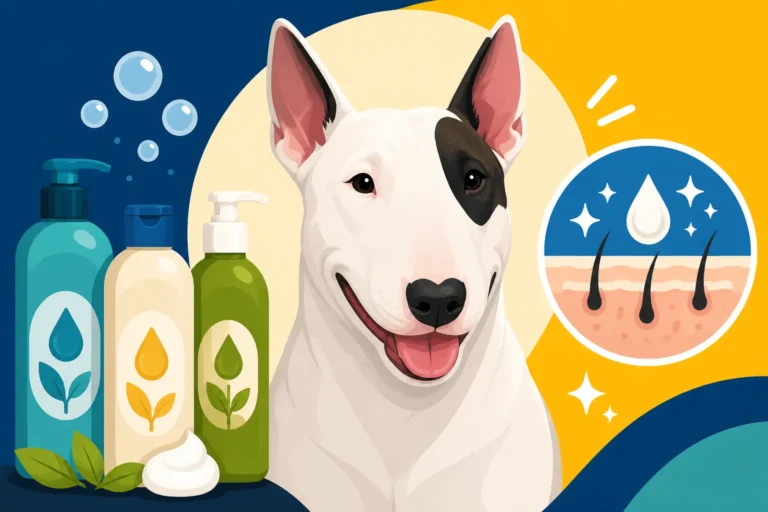
When it comes to products, choosing the right shampoo is paramount. Given their propensity for sensitive skin and allergies, opt for a gentle, hypoallergenic, and soap-free shampoo. Look for ingredients like colloidal oatmeal or aloe vera, which can soothe the skin. Avoid harsh detergents, artificial fragrances, and dyes. If your Bull Terrier has specific skin conditions like dry, flaky skin or allergies, your vet might recommend a medicated shampoo. Always rinse thoroughly to ensure no residue is left behind, as this can be a major irritant. Which Shampoo Suits a Bull Terrier's Skin is a topic many owners grapple with.
Nail and Ear Care
While not directly coat care, proper nail and ear care are integral to overall Bull Terrier grooming. Their powerful jaws mean they need strong, healthy feet to support them, and long nails can cause discomfort, alter their gait, and even lead to painful injuries. Regular nail trims, ideally every 2-4 weeks, are essential. If your Bull Terrier is resistant, start early and make it a positive experience with plenty of treats. A Dremel tool can often be less stressful for both dog and owner than traditional clippers.
Bull Terriers also have erect, open ears, which generally means good airflow and less propensity for ear infections than floppy-eared breeds. However, they still need regular checks. Make it part of The Weekly Skin Check Every Bull Terrier Needs. Look for redness, odor, or discharge, which could indicate an infection or allergies. A gentle wipe with a dog-specific ear cleaner (never cotton swabs deep into the canal!) can keep them clean. If you notice any signs of trouble, consult your vet promptly.
Coat Care Beyond the Brush: Diet and Environment
Grooming isn't just about what you do on the outside; it's also about what you put into your Bull Terrier's body and the environment they live in. A healthy coat and skin are often a direct reflection of internal health, making diet and environmental factors incredibly important aspects of their overall care.
The Role of Diet in Coat Health
What your Bull Terrier eats plays a huge role in the luster, health, and even shedding patterns of their coat. A diet rich in high-quality protein, essential fatty acids (like Omega-3 and Omega-6), and vitamins is fundamental. Cheap fillers, artificial additives, and low-quality ingredients can often manifest as a dull, dry coat, excessive shedding, or even trigger skin allergies. Many owners find that switching to a premium dog food makes a noticeable difference in their Bull Terrier's skin and coat quality.
Consider foods that list meat as the first ingredient and are formulated for active breeds. Some owners even explore fresh food options, like those offered by Ollie, believing that a less processed diet contributes to better overall health, including skin and coat. If your Bull Terrier suffers from chronic skin issues, a veterinary nutritionist or your vet might recommend a limited ingredient diet or a novel protein diet to identify and eliminate potential food allergens. Remember, consistency is key; sudden changes in diet can sometimes upset their sensitive stomachs and lead to temporary coat issues.
Environmental Factors
The environment your Bull Terrier lives in can also impact their skin and coat health. Humidity levels, for instance, can play a significant role. In very dry climates, Bull Terriers might experience dry, flaky skin, just like humans do. In overly humid environments, skin folds (if present in other areas) or perpetually moist paws can become breeding grounds for yeast or bacterial infections. Maintaining a comfortable indoor environment, possibly with a humidifier in dry winter months, can help.
Exposure to outdoor allergens like pollen, certain grasses, or even common household dust mites can also trigger allergic reactions that impact the skin and coat. Regular cleaning of your home, including washing your dog's bedding with a gentle, unscented detergent, can help minimize exposure to indoor allergens. After outdoor adventures, a quick wipe down of their paws and belly can remove environmental irritants before they have a chance to cause a reaction.
Supplements for a Healthy Sheen
Sometimes, even with an excellent diet, a Bull Terrier's coat might benefit from a targeted supplement. Essential fatty acids, particularly Omega-3s found in fish oil, are renowned for their skin and coat benefits. They can help reduce inflammation, improve skin barrier function, and contribute to a shiny, healthy coat. You can find these supplements in capsule form, or simply add a measured amount of high-quality fish oil to their food.
Other supplements like biotin or zinc can also be beneficial, especially if your vet identifies a specific deficiency or condition. For example, some Bull Terriers might suffer from Zinc Responsive Dermatosis, a condition where they cannot properly absorb zinc, leading to severe skin issues. In such cases, prescribed zinc supplementation is critical. Always consult your veterinarian before adding any supplements to your Bull Terrier's diet to ensure they are appropriate and correctly dosed for your individual dog.
Common Coat and Skin Woes: What to Watch For
Despite their tough exterior, Bull Terriers can be quite delicate when it comes to their skin and coat. Being proactive and knowing what to look for can help you address issues quickly, preventing minor irritations from escalating into more serious problems. It’s a constant dance of observation and intervention.
Demodectic Mange and Other Parasites
Demodectic mange is a particularly common skin issue in Bull Terriers, especially puppies. Unlike sarcoptic mange, which is highly contagious, demodectic mange is caused by mites that are naturally present on most dogs. When a Bull Terrier's immune system is compromised (often in puppies or dogs with underlying health issues), these mites can overpopulate, leading to hair loss, redness, and flaky skin, often starting around the eyes, mouth, and on the legs. Demodectic Mange in a Bull Terrier is something every owner should be aware of.
Beyond mange, Bull Terriers can also contend with fleas and ticks, which can cause intense itching and lead to secondary skin infections. Because their coat is so short, these parasites can be easier to spot than on a long-haired dog, but their bites can still cause significant irritation, especially for an allergic Bull Terrier. Regular parasite prevention, as recommended by your vet, is key. Always check your dog thoroughly after walks, particularly if you've been in wooded or grassy areas.
Allergic Dermatitis
As mentioned earlier, allergic dermatitis is a common culprit behind Bull Terrier skin issues. Whether it's environmental, food-related, or a contact allergen, the symptoms are similar: intense itching, redness, inflammation, and sometimes a rash or bumps. This relentless itching can lead to your Bull Terrier chewing, licking, and scratching themselves raw, opening the door for bacterial or yeast infections.
Identifying the specific allergen can be a challenge and often requires a process of elimination with your vet. This might involve diet trials, allergy testing (blood tests or intradermal skin tests), and careful observation of when and where your dog's symptoms flare up. Management typically involves a combination of avoiding the allergen, soothing shampoos, medications (like antihistamines, steroids, or newer allergy drugs), and potentially immunotherapy (allergy shots). Whether a Bull Terrier Gets Skin Allergies is a question that usually gets a resounding "yes" from experienced owners.
Dry, Flaky Skin
Dry, flaky skin is another common complaint among Bull Terrier owners. This can be caused by a variety of factors:
- Environmental dryness: Low humidity, especially in winter, can dehydrate the skin.
- Over-bathing: Using harsh shampoos or bathing too frequently can strip natural oils.
- Dietary deficiencies: A lack of essential fatty acids can lead to dry skin and a dull coat.
- Underlying medical conditions: Hypothyroidism or other systemic diseases can manifest as dry skin.
You'll notice white flakes on their coat, similar to dandruff, and your Bull Terrier might be itchy or have a dull, lackluster coat. Addressing dry skin involves a holistic approach: ensuring a high-quality diet, supplementing with Omega-3s, using gentle, moisturizing shampoos, and ensuring proper hydration. If the problem persists, a vet visit is warranted to rule out any medical causes. Keeping the skin hydrated and healthy is key to preventing further irritation and discomfort for your beloved Bull Terrier.
Disclaimer
This article is for general informational purposes only and does not constitute professional advice. Laws, prices and regulations vary by location and change over time. Consult a qualified professional for guidance on your specific situation.