Whether a Bull Terrier Can Do Weight Pull
Many Bull Terrier owners look at their powerful, muscular dogs and immediately think about activities that showcase their strength and determination, like weight pull. While it seems like a natural fit for such a robust breed, there's a lot more to successfully and safely engaging your Bull Terrier in this demanding sport than just brute force. This guide will walk you through what weight pull entails, the specific considerations for Bull Terriers, and how to approach this activity responsibly.
Understanding Weight Pull: Is Your Bull Terrier a Natural Fit?
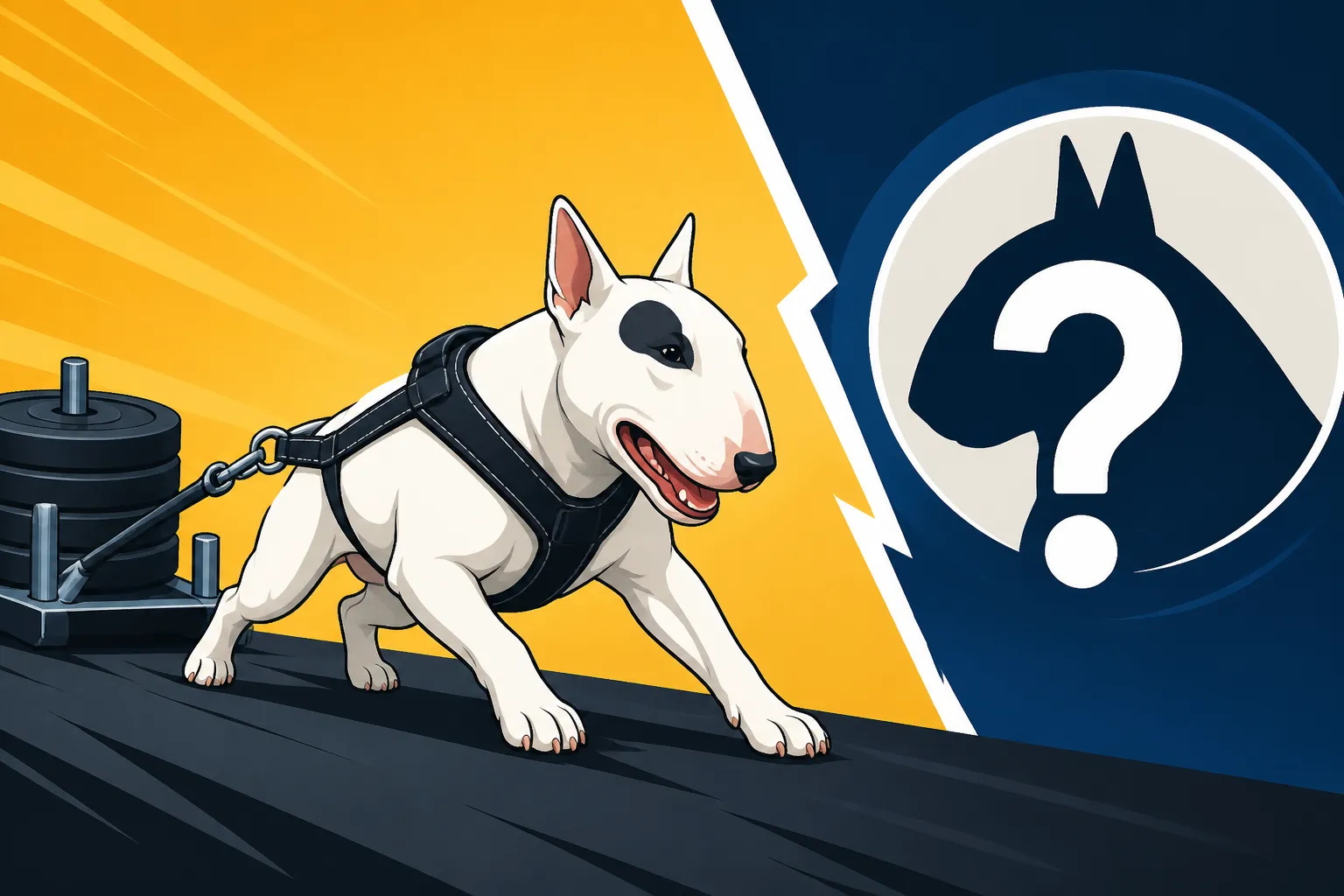
Weight pull is a competitive dog sport where dogs pull a weighted cart or sled over a short distance, usually on a surface like carpet, dirt, or snow. The goal is to pull the most weight relative to their body size, showcasing incredible strength, endurance, and mental fortitude. It’s a challenging sport that requires specialized training and equipment, and it's definitely not something you can just jump into without preparation.
Bull Terriers possess many physical attributes that might make them seem like ideal candidates for weight pull. They are stocky, muscular, and have a low center of gravity. Their powerful hindquarters are built for propulsion, and their overall robust frame can certainly handle considerable force. However, raw strength is only one piece of the puzzle. Just because a Bull Terrier can pull doesn't mean it's automatically suited for competition or that it will enjoy the specific demands of the sport.
The Core Demands of Weight Pull
Weight pull isn't just about pulling; it's about controlled power, focus, and a willingness to work. Dogs need to be able to engage their entire body, leaning into the harness and driving forward with immense effort. This requires not only physical conditioning but also a strong mental game. A dog that is easily distracted or lacking in drive will struggle, regardless of how strong it is.
The sport demands a dog that is calm yet powerful, able to switch on its pulling drive when asked. It’s less about frantic tugging and more about a steady, focused push. While some Bull Terriers have boundless energy, channeling that into a sustained, directed effort for weight pull requires specific training and temperament. Many Bull Terriers, known for their independent and sometimes goofy nature, might find the repetitive, focused task less engaging than, say, chasing a ball. For a Bull Terrier to excel, it needs to find genuine enjoyment in the task, which often comes from building confidence and positive association through careful training. You can learn more about finding the right activities in Why a Bull Terrier Needs a Job.
Bull Terrier Physique vs. Weight Pull Requirements
While their physique is undeniably impressive, it’s important to distinguish between general strength and the specific biomechanics required for sustained, heavy pulling. A Bull Terrier's strong, compact build is an asset, but factors like joint health, spinal alignment, and overall body conditioning become paramount. The stress placed on a dog's body during a heavy pull can be immense, and any underlying structural weaknesses can be exacerbated.
It's also worth noting that the "game face" required for weight pull might not be natural for all Bull Terriers. Some take to it with gusto, embracing the challenge and the focused work. Others, true to their "three-year-old in a dog suit" reputation, might just look at you, tilt their head, and wonder why you're making them do such silly things. Success in weight pull for a Bull Terrier often comes down to individual temperament and how well their owner can motivate them to engage in the specific type of work.
Potential Health Considerations and Risks for Bull Terriers in Weight Pull
Engaging any dog in a physically demanding sport like weight pull requires a thorough understanding of their health and potential risks, and Bull Terriers are no exception. While powerful, they are not immune to injury, and their stoic nature can sometimes mask discomfort.
Pre-Participation Veterinary Screening
Before even thinking about hooking your Bull Terrier to a harness for weight pull, a comprehensive veterinary check-up is absolutely non-negotiable. This isn't just your annual wellness exam; it needs to be an in-depth assessment focusing on musculoskeletal health, cardiovascular function, and overall physical soundness. A vet will look for any signs of orthopedic issues, such as hip or elbow dysplasia, patellar luxation, or spinal abnormalities, which could be severely aggravated by the stresses of weight pull.
Cardiovascular health is equally important. Straining to pull heavy loads puts significant stress on the heart. Your vet might recommend an echocardiogram to check for any congenital heart defects that could make intense exertion dangerous. The Heart Murmur a Bull Terrier Puppy Should Be Checked For is a prime example of a condition that could be critical to rule out. It’s also wise to discuss any breed-specific concerns, like kidney issues, which, while not directly related to joint stress, can impact overall endurance and recovery. Your vet can advise on How Often a Bull Terrier Needs a Wellness Exam and what special screenings might be pertinent for a dog considering such activities.
Common Injuries and Stress Points
Weight pull primarily stresses a dog’s joints, spine, and soft tissues. Dogs use their entire body to pull, but the main leverage points are the shoulders, hips, and back. For a Bull Terrier, this means particular attention must be paid to:
- Spinal Health: The force exerted during a pull can compress or strain the discs in the spine, potentially leading to injuries. Ensuring proper form and gradual conditioning is vital to protect the back.
- Joint Integrity: Hips, knees (stifles), and elbows bear significant impact. Conditions like Patellar Luxation in a Bull Terrier could be worsened, making proper joint support and careful training crucial. You'll want to avoid anything that causes undue twisting or sudden jarring motions.
- Muscle Strains and Tears: Overexertion or improper warm-up/cool-down can lead to muscle strains, ligament tears, or tendonitis. Bull Terriers are powerful, but their muscles still need to be gradually conditioned and respected.
Bull Terriers are also famously stoic. They are known for their ability to push through discomfort, which can be both a blessing and a curse. While it speaks to their incredible resilience, it also means they might not show obvious signs of pain until an injury is quite advanced. This makes vigilant observation from the owner, regular physical assessments, and listening to your dog's cues absolutely paramount. How a Bull Terrier Hides Pain is something every owner should understand deeply, especially when engaging in demanding sports.
Training a Bull Terrier for Weight Pull: A Realistic Approach
Successfully training a Bull Terrier for weight pull is a journey that requires patience, consistency, and a deep understanding of your dog's individual personality. It's not about forcing them; it's about building their confidence, drive, and physical conditioning progressively.
Essential Equipment and Setup
Having the right equipment is critical for both safety and effectiveness. You'll need:
- Proper Weight Pull Harness: This is paramount. Unlike a standard walking harness, a weight pull harness is designed to distribute weight evenly across the dog's chest and shoulders, preventing injury to the neck or spine. It should fit perfectly, without rubbing or restricting movement. Generic harnesses found at pet stores simply won't cut it. You might find specialized harnesses through various online retailers or even directly from other weight pull enthusiasts, but always prioritize quality and fit. Searching on platforms like Amazon can give you an idea of available options, but expert fitting is recommended.
- Sled or Cart: Depending on the surface and type of training, you'll need a sled (for dirt, grass, or snow) or a wheeled cart (for pavement or concrete). Start with a very light cart that rolls easily.
- Weights: Begin with minimal weight, like a few empty plastic bottles, and gradually increase.
A crucial aspect often overlooked is the pulling line itself, which connects the harness to the sled or cart. This line should be strong, durable, and of an appropriate length to allow your Bull Terrier to pull comfortably without the sled bumping into their heels or getting tangled.
Gradual Introduction and Conditioning
The key to preventing injury and fostering a positive attitude is a slow, gradual introduction. Think of it as a marathon, not a sprint.
- Harness Acclimation: Start by simply getting your Bull Terrier comfortable wearing the specialized harness. Let them wear it during walks, playtime, and short training sessions. Reward them heavily for wearing it without fuss.
- Light Object Pulling: Once comfortable with the harness, attach a very light, non-threatening object – like an empty plastic milk jug or a small, empty tire – to the harness. Let them drag it around. The goal here is to get them used to the sensation of something trailing behind them and feeling slight resistance. Keep these sessions extremely short and positive.
- Introducing the Cart/Sled (Empty): Next, introduce the actual sled or cart, still empty. Let them sniff it, walk around it. Then, hook them up and let them pull it for very short distances. Praise and reward enthusiastically.
- Adding Minimal Weight: Only once they are confidently and happily pulling the empty cart, begin adding minimal weight. Think a single brick or a small bag of sand. Incrementally increase the weight over weeks and months, never rushing the process. Your Bull Terrier should always be eager and able to pull comfortably. Watch for any signs of strain or reluctance. How a Bull Terrier Hides Pain makes this step even more critical.
Remember, consistent, positive reinforcement is vital. Bull Terriers respond best to training that makes sense to them and involves fun. Short, engaging sessions with plenty of praise and high-value rewards will build their drive. Programs like BAXTER & Bella’s online puppy training can provide an excellent foundation in basic obedience and positive reinforcement techniques, which are invaluable before moving to more specialized activities like weight pull. Developing a strong "come" command and a focused "stay" will also be incredibly helpful for managing sessions safely. Teaching a Bull Terrier to Come Back Mid Zoomie is a skill that will come in handy when you're working with a heavy sled!
Building Drive and Focus
Bull Terriers can be incredibly driven when they see the point, but they can also be notoriously stubborn or easily distracted. Building their drive for weight pull means tapping into their natural desire to work alongside you and making the activity incredibly rewarding.
- Positive Reinforcement: Every successful pull, every step forward with the cart, should be met with enthusiastic praise, treats, and perhaps even a quick game with their favorite toy. Make it the most fun thing they do all day.
- Short Sessions: Keep training sessions brief, especially at the beginning. Five to ten minutes of focused work is far more effective than an hour of frustration for a Bull Terrier. You want to end each session on a high note, leaving them wanting more.
- Consistency: Regular, short sessions are better than infrequent, long ones. This builds muscle memory, confidence, and reinforces the positive association with the activity.
- Motivation: Find what truly motivates your Bull Terrier. Is it a squeaky toy? A specific type of treat? A game of tug? Use their highest value rewards to make weight pull irresistible. This is where you might use those 'indestructible' toys you find on Amazon, as a reward for a good pull.
As your Bull Terrier progresses, you'll also need to consider their leash manners and general control. A dog that pulls erratically or tries to stop and sniff every blade of grass won't do well in weight pull. Working on a strong 'forward' cue and teaching them to maintain a consistent pace are crucial. Consider working on Teaching a Bull Terrier to Walk Without Pulling as a prerequisite, as the principles of maintaining tension and moving forward are similar.
Beyond Competition: Weight Pull as a Training Tool and Enrichment
While the competitive aspect of weight pull is exciting for many, the activity itself can also serve as a fantastic training tool and source of enrichment for your Bull Terrier, even if you never step into a formal competition ring. The benefits extend far beyond physical strength, touching on mental stimulation, impulse control, and strengthening the bond you share.
Mental and Physical Benefits of Structured Pulling
Engaging your Bull Terrier in controlled, structured pulling can offer a wealth of advantages. Physically, it's an excellent way to build and maintain lean muscle mass, improve cardiovascular health, and strengthen core muscles. Unlike free-running or casual walks, controlled pulling works specific muscle groups in a sustained manner, contributing to overall fitness and resilience. Keeping a Bull Terrier Lean When It Carries This Much Muscle is vital for their long-term health, and weight pull can be a part of that strategy.
Mentally, weight pull provides a "job" for your Bull Terrier, which is something many strong, intelligent breeds thrive on. It requires focus, problem-solving (how to get the weight moving), and cooperation with their handler. This kind of mental engagement can be incredibly satisfying for a Bull Terrier, helping to stave off boredom and redirect potentially destructive behaviors that might arise from under-stimulation. It can be a great outlet for dogs who might otherwise resort to What a Bull Terrier Does When It Is Bored. The satisfaction of completing a task and receiving praise is a powerful motivator for these clowns in a dog suit.
Developing Impulse Control and Focus
Weight pull is not just about raw power; it's about controlled power. A dog needs to wait for a cue, engage deliberately, and maintain focus throughout the pull. This teaches immense impulse control. Instead of lunging or pulling randomly on a leash, they learn to channel their energy into a specific, directed task. This discipline can translate into other areas of their life, improving their general obedience and manners. If your Bull Terrier has issues with pulling on walks, learning to pull on command in a weight pull harness can actually make them better at walking nicely on a regular leash, as they learn the distinction between the two types of pulling and when each is appropriate. How Strong a Bull Terrier Is on a Leash can be directly addressed through this type of structured work.
Moreover, the focused nature of weight pull helps your Bull Terrier develop concentration. In a world full of distractions, having an activity where they must ignore external stimuli and focus solely on the task at hand is incredibly beneficial. This enhanced focus can improve their performance in other training endeavors and make them a more attentive and responsive companion overall.
Strengthening the Bond and Building Confidence
Working together on a challenging activity like weight pull can profoundly strengthen the bond between you and your Bull Terrier. It's a team effort where your dog relies on your cues and encouragement, and you, in turn, learn to read their body language and understand their motivations. The shared experience of overcoming a challenge fosters trust and mutual respect.
For Bull Terriers, who sometimes have an independent streak, this cooperative effort can be particularly valuable. It shows them that working with you is rewarding and enjoyable. For a dog that might be a bit timid or unsure in new situations, successfully pulling weight can be a massive confidence booster. It teaches them that they are strong, capable, and can achieve great things, especially with your guidance. This newfound confidence often spills over into other aspects of their life, making them more resilient and self-assured companions. Providing a variety of challenging, appropriate activities can truly enhance a Bull Terrier's quality of life, whether it's competitive weight pull or simply enjoying a focused pull in the backyard.
| Aspect | Benefits for Bull Terriers in Weight Pull | Considerations & Risks |
|---|---|---|
| Physical Strength | Builds muscle, improves conditioning | Risk of joint/spinal injury, muscle strains |
| Mental Stimulation | Provides a "job," reduces boredom | Requires high drive and focus; can be frustrating if not motivated |
| Impulse Control | Teaches controlled effort and patience | Can exacerbate existing pulling habits if not trained properly |
| Bonding | Fosters teamwork and trust | Requires strong handler-dog communication; can be negative if forced |
| Health | Improves overall fitness | Pre-existing conditions (cardiac, orthopedic) are serious contraindications |
Ultimately, whether your Bull Terrier can do weight pull, or more accurately, should do weight pull, depends on a careful assessment of their individual health, temperament, and your commitment to proper, safe training. When approached responsibly, it can be a rewarding activity for both you and your powerful Bull Terrier.
Disclaimer
This article is for general informational purposes only and does not constitute professional advice. Laws, prices and regulations vary by location and change over time. Consult a qualified professional for guidance on your specific situation.