Whether Two Bull Terriers Can Live Together
One of the biggest dreams for many Bull Terrier enthusiasts is to have two of these incredible, quirky characters under one roof. You see those adorable social media posts of Bull Terriers curled up together, looking like perfect siblings, and you think, "Yes, that's the life for me!" But then the real-world questions hit: Can two Bull Terriers actually live together peacefully? Is it a recipe for canine chaos or a harmonious household? This guide is here to cut through the fantasy and give you the realistic, nitty-gritty details about bringing a second Bull Terrier into your life, helping you navigate the unique challenges and potential joys.
Understanding the Bull Terrier Temperament in a Multi-Dog Household
Before you even start thinking about color pairings or gender matches, you need to deeply understand the core Bull Terrier temperament. These aren't your average "go with the flow" pups; they're strong-willed, often fiercely individual, and possess a unique blend of clownish charm and undeniable tenacity. It’s why we love them, but it’s also what makes multi-Bull Terrier households a special consideration.
Bull Terriers are often described as having the emotional intelligence and stubbornness of a "three-year-old in a dog suit." They demand attention, they have big personalities, and they thrive on being the center of their human's world. When you introduce another Bull Terrier, you're not just adding a second dog; you're adding another strong personality that might just want to be the only star of the show. This can lead to competition, not just over toys and food, but over human affection and prime lounging spots on the sofa.
A common frustration for Bull Terrier owners considering a second dog is the conflicting information out there. Some say "never two males," others insist "females are worse." The truth is, it's far more nuanced than simple gender rules. Each Bull Terrier is an individual, shaped by genetics, early experiences, and current environment. Their threshold for sharing, their level of confidence, and their inherent social drive will all play a huge role. Don't fall into the trap of thinking one size fits all. It’s critical to assess the specific temperament of your current Bull Terrier first, especially how they generally get on with other dogs. Do they tolerate other dogs, or do they actively enjoy their company? Are they prone to resource guarding? These are crucial questions to answer honestly.
The Bull Terrier's Social Nature: Friend or Foe?
Bull Terriers generally fall into an interesting category when it comes to canine social circles. They aren't typically known for being the most naturally "dog-social" breed. While many will tolerate other dogs, and some are truly delightful with canine companions, it's not a universal trait like it might be in, say, a Labrador. You often hear Bull Terrier owners joking about their dogs acting like only-children, and there's a kernel of truth to that. They bond incredibly strongly with their human family, sometimes to the exclusion of other canines.
Consider your current Bull Terrier's history. Was he raised with other dogs? Does he frequent dog parks (with supervision, of course)? How does he react when passing other dogs on walks? Does he lean into friendly interactions, or does he stiffen, stare, or even try to assert dominance? An honest assessment of these interactions is vital. If your Bull Terrier has a history of being indifferent or even reactive towards other dogs, introducing another Bull Terrier, especially an adult, is going to be an uphill battle, and potentially unsafe. It’s also important to remember that the age a Bull Terrier's dog tolerance changes can be a factor. Some mature out of puppy friendliness into a more selective adulthood.
Resource Guarding and Possession
One of the most significant behavioral traits to watch for when considering a second Bull Terrier is resource guarding. This isn't just about food bowls; it can extend to toys, beds, favored sleeping spots, human attention, and even specific doorways. Because Bull Terriers can be so possessive of their world and their people, sharing can be a deeply stressful concept for them.
Imagine a scenario: your current Bull Terrier, Buster, has his favorite squeaky Kong toy. He loves it, he guards it fiercely even if nobody else is around. Now, you bring in a new Bull Terrier puppy, Daisy, who, naturally, gravitates towards anything interesting. What happens when Daisy innocently tries to sniff Buster's toy? For some Bull Terriers, this might be a non-issue. For others, it could trigger a growl, a snap, or even a full-blown fight. This isn't necessarily aggression in the traditional sense, but a powerful instinct to protect what they perceive as theirs. Understanding and managing this potential is key to a peaceful multi-dog home. You'll need strategies in place, like separate feeding areas and careful management of high-value items, right from the start.
The Dynamics of Same-Sex vs. Opposite-Sex Bull Terrier Pairings
This is where a lot of the myths and anxieties surrounding multiple Bull Terriers really come into play. People have strong opinions, often based on anecdotal evidence, about whether to pair two males, two females, or one of each. While every dog is an individual, there are some general trends and common pitfalls that are worth exploring.
Many experienced Bull Terrier owners and breeders will often recommend against pairing two same-sex Bull Terriers, particularly two females, or two intact males. The reasoning behind this isn't breed-specific dogma, but rather an observation of how their strong personalities and potential for dominance can clash. Why two same sex Bull Terriers fight is a question rooted in canine social structures and the unique Bull Terrier temperament.
Opposite-Sex Pairings: Often the Smoothest Path
Generally speaking, pairing an opposite-sex male and female Bull Terrier is often the most straightforward option for a multi-dog household. The dynamic between a male and female tends to be less prone to intense same-sex aggression, which is a real thing in many breeds, including Bull Terriers. There's a natural tendency in many canine species for males and females to establish a different kind of hierarchy, often less combative than two individuals competing for the exact same social standing.
However, "smoothest" doesn't mean "trouble-free." You'll still need to manage introductions carefully, provide adequate resources, and ensure both dogs feel secure and loved. You'll also need to seriously consider spaying or neutering both dogs unless you are an experienced, responsible breeder and have a clear breeding plan. Unaltered animals, especially a male and female together, introduce hormonal complexities that can lead to unintended litters, marking, and heightened territorial behaviors. Even if your dogs are altered, the male-female dynamic usually offers a better chance at long-term harmony.
Same-Sex Pairings: Navigating the Minefield
This is where things can get truly challenging. While some people successfully manage two same-sex Bull Terriers, it requires an exceptional understanding of canine behavior, rigorous management, and often, a lot of luck with individual personalities.
Two Females Together
You might hear that two females are "worse" than two males. This isn't always true, but female-on-female aggression can be incredibly intense and unforgiving. When two female Bull Terriers decide they don't like each other, it can escalate quickly and be very difficult to de-escalate. Their fights can be serious, and once a bond of trust is broken, it's nearly impossible to fully restore. This isn't to say it's impossible to have two female Bull Terriers, but it requires extreme caution, careful selection of temperaments, and constant vigilance. Often, success stories involve one dog being significantly older and more established, or having very different, laid-back personalities, but even then, things can shift as dogs age.
Two Males Together
Similarly, two male Bull Terriers can present challenges, especially if both are strong-willed and try to assert dominance. While neutering can help reduce some of the hormonal drive for conflict, it doesn't erase personality or learned behaviors. Male-on-male aggression can manifest in intense stare-downs, posturing, and explosive fights. Often, one male will try to dominate the other, and if the second male isn't completely submissive, conflict is inevitable.
It's crucial to understand that if you're considering two same-sex Bull Terriers, you need to be prepared for the possibility that it might not work out, and you may need to rehome one of the dogs for their safety and your peace of mind. This is a heartbreaking scenario, but it's a realistic risk you need to acknowledge upfront. If you are determined to try, seeking professional guidance from a certified behaviorist before you bring the second dog home is highly recommended.
Table: Bull Terrier Pairing Dynamics – A General Overview
| Pairing Type | Potential for Harmony | Common Challenges | Key Considerations |
|---|---|---|---|
| Male & Female | High | Management of intact dogs, puppy energy, resource guarding | Spay/neuter both, careful introductions, equal attention |
| Two Females | Low to Medium | Intense aggression, unforgiving fights, resource guarding | Requires very careful temperament matching, vigilant management |
| Two Males | Low to Medium | Dominance clashes, posturing, serious fights | Neutering helps, but not a guarantee; strict management needed |
| Older Dog & Puppy | Generally Higher | Puppy energy annoying older dog, careful supervision | Ensure older dog is tolerant, teach how to teach a Bull Terrier to play gently |
This table provides a general guideline; individual personalities always play the biggest role.
Introducing a Second Bull Terrier: Steps for Success
So, you've assessed your current Bull Terrier, weighed the pros and cons of different pairings, and decided to move forward. This next phase is absolutely critical. A poor introduction can set the stage for a lifetime of conflict, whereas a thoughtful, slow, and managed introduction significantly increases your chances of success.
The golden rule for introducing any new dog, especially a Bull Terrier, is to take it slow. Rushing the process, forcing interactions, or hoping they'll "just figure it out" is a recipe for disaster. Remember, your existing Bull Terrier views your home, your affection, and their toys as theirs. The new dog is an interloper until proven otherwise.
The Meet-and-Greet on Neutral Territory
This is non-negotiable. Do NOT bring a new Bull Terrier directly into your home and expect your current dog to welcome them with open paws. The first meeting should always be on neutral territory. This could be a park, a friend's large fenced yard, or even a quiet parking lot. The idea is to remove any territorial guarding instincts that might flare up in your existing dog.
Have both dogs on leashes, handled by separate adults. Start by walking them parallel to each other at a distance where they acknowledge each other but aren't stressed. Gradually, as they show calm, relaxed body language (loose wagging tails, sniffing the ground, soft eyes), you can slowly decrease the distance. Allow brief, supervised sniffing introductions. Keep these initial interactions short and positive. If either dog shows signs of stress (stiff body, hard stare, growling, lunging), increase the distance immediately. The goal isn't to force friendship, but to create a neutral, positive first impression. If you’re getting a puppy, your existing Bull Terrier needs to be comfortable with the puppy’s exuberant (and sometimes annoying) energy.
Home Introduction and Controlled Environment
After successful neutral introductions, you can bring the new Bull Terrier home. But again, don't just open the door and let them loose. Ideally, one dog should enter the house first (your resident Bull Terrier) while the new dog waits outside or in a separate room. Then, allow the new dog to enter, still on leash, into a common area. Keep the first few home interactions short and highly supervised.
Crucially, all high-value resources should be removed or managed. This means no toys lying around, separate feeding areas (crate feeding is excellent for this), and separate sleeping arrangements initially. Use crates for safety and management. Whether a crate helps a Bull Terrier left alone is a crucial question not just for solitude, but for managing a multi-dog household. Crates provide a safe, personal space for each dog, preventing squabbles over prime resting spots and allowing them to decompress. When you're not actively supervising, one or both dogs should be safely crated or separated. You might even consider having them rotate access to common areas or your presence, to ensure neither feels deprived. The BAXTER & Bella program, though generally for puppy training, emphasizes positive reinforcement and structured introductions, which are invaluable principles for successful multi-dog integration.
Scent Swapping and Gradual Integration
Before even the first face-to-face meeting, try scent swapping. Exchange blankets or toys between the dogs (if they are not resource guarders) so they can get used to each other's smell. This helps them become familiar with one another in a non-threatening way.
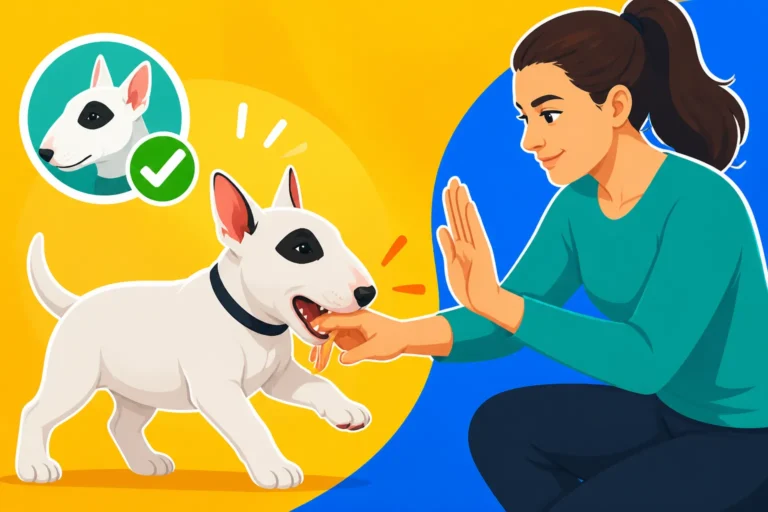
Once they are both in the home, continue to manage their interactions. Short, supervised play sessions are good, but interrupt them before they get too aroused or conflict arises. End on a positive note. Leash walks together are fantastic for bonding, as they provide a shared activity and encourage a sense of "pack" without the pressure of direct interaction. Remember, your goal is coexistence, not necessarily best friends right away. Over time, a strong bond may form naturally. Also consider that Why a Bull Terrier cannot be left alone all day is compounded when you have two. They can often feed off each other's boredom or anxiety, potentially doubling the destruction.
Managing Multiple Bull Terriers Long-Term
So, you've navigated the introductions, and your Bull Terriers are (mostly) getting along. Now comes the long-term commitment to managing their lives together. Living with two Bull Terriers can be incredibly rewarding, offering companionship and endless entertainment, but it requires ongoing effort and vigilance. It's not a set-it-and-forget-it kind of deal.
One common frustration is the idea that two dogs will just entertain each other. While they certainly can, they still need individual attention, training, and exercise. Don't let the presence of a second dog become an excuse to slack on these critical needs for each individual.
Consistent Training and Rules
With two Bull Terriers, consistency in training and household rules becomes even more paramount. Both dogs need to understand what's expected of them. If one dog is allowed on the sofa and the other isn't, or if one gets treated differently for jumping, it can create resentment and confusion. Use positive reinforcement methods and ensure both dogs are regularly engaged in training exercises. Even short, daily training sessions are incredibly valuable. You’ll want to reinforce good manners and ensure both dogs respect boundaries.
Think about walking two Bull Terriers. These are strong dogs, and you’ll need to ensure both are well-trained on a leash. Which harness holds a Bull Terrier is an important question for safe and comfortable walks, especially when you're managing two powerful pulls at once. Practicing parallel walks, where each dog is on a separate side of you, can help them learn to walk calmly alongside each other without constant interaction or pulling.
Resource Management: Food, Toys, and Attention
Even if your Bull Terriers have been living together for a while, maintaining strict resource management is a wise long-term strategy. This means:
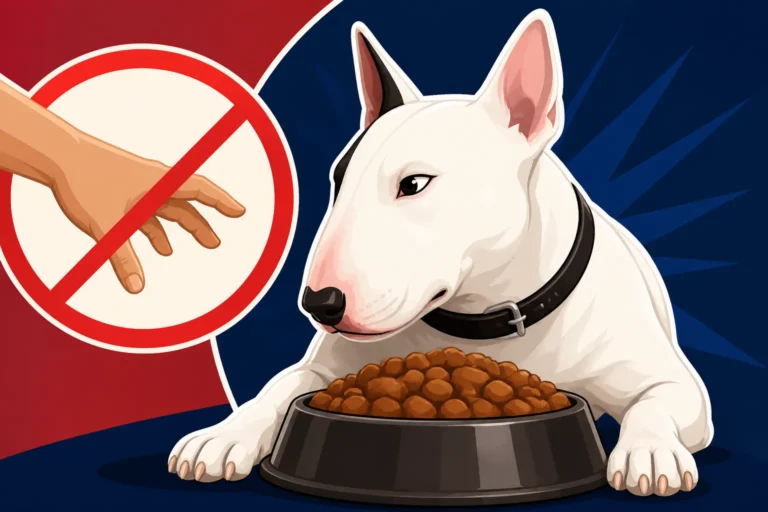
- Separate Feeding: Always feed dogs in separate, designated areas (e.g., in their crates, different rooms, or with a physical barrier between them). This prevents competition and stress around meal times.
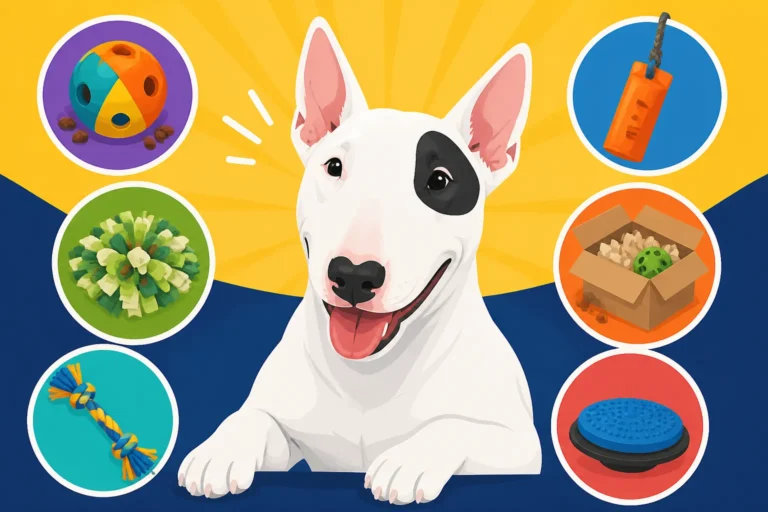
- Toy Rotation & Supervision: Don't leave high-value toys scattered around unsupervised. Rotate toys, and ensure that when dogs play with toys, it's supervised, and you can intervene if resource guarding behavior begins to surface. Consider having an abundance of toys, so there's less perceived scarcity. You can find durable Bull Terrier-proof toys on Amazon that can withstand their powerful jaws.
- Equal Attention: This is harder than it sounds, especially if one Bull Terrier is more demanding or attention-seeking. Make a conscious effort to give each dog individual cuddle time, play time, and training sessions. Avoid inadvertently favoring one over the other, as this can breed jealousy and conflict.
Individual Time and Space
Even in a loving multi-dog household, every Bull Terrier needs downtime and individual attention. Schedule short, one-on-one walks, training sessions, or cuddle times with each dog. This reinforces your bond with each individual and gives them a break from constant canine interaction.
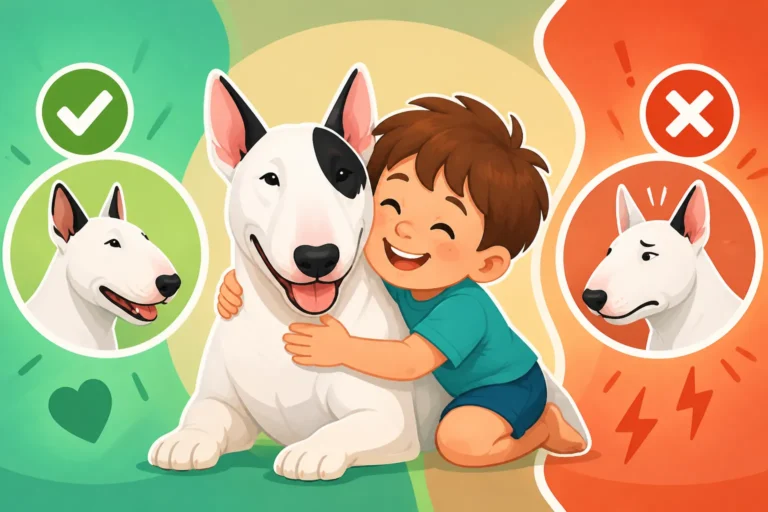
Also, ensure each dog has their own "safe space" where they can retreat and not be bothered. This could be their crate, a specific dog bed, or a quiet corner. Teach children and other pets to respect these spaces. It's often asked whether a second dog fixes a lonely Bull Terrier, and while companionship can help, it doesn't replace the need for human interaction and a structured environment.
The financial aspect is also a significant consideration. What a Bull Terrier costs to buy in 2026 is just the starting point; doubling everything from food to vet bills to durable toys is a serious commitment. Make sure your budget can comfortably accommodate two active, potentially high-maintenance dogs.
When to Seek Professional Help
Despite all your best efforts, sometimes two Bull Terriers just don't click, or conflicts arise that you can't manage on your own. Don't hesitate to seek professional help from a certified professional dog trainer or a veterinary behaviorist. They can assess the specific dynamics in your home, identify triggers, and provide tailored strategies and interventions. Ignoring escalating tension or fights will only make the situation worse and could lead to serious injury for one or both dogs. Sometimes, despite everything, a rehoming decision might be the safest and kindest option for all involved, especially if the aggression becomes severe or unpredictable.
Living with two Bull Terriers can be an incredibly enriching experience, filled with double the antics, double the snuggles, and double the loyalty. But it’s not a decision to be taken lightly. It requires dedication, patience, a deep understanding of the breed, and a proactive approach to management and training. When done thoughtfully, it can be a joy, but be prepared for the realities of two strong personalities under one roof.
Disclaimer
This article is for general informational purposes only and does not constitute professional advice. Laws, prices and regulations vary by location and change over time. Consult a qualified professional for guidance on your specific situation.