How Rough a Bull Terrier Plays With Other Dogs
It's a common scene: you take your beloved Bull Terrier to the dog park, or they're engaging with a friend's dog, and suddenly, the play escalates. Other owners might raise an eyebrow, or even pull their dogs away, leaving you wondering if your Bull Terrier is genuinely playing too rough, or if their unique, boisterous style is just misunderstood. This guide will dive deep into the distinctive way Bull Terriers interact with other dogs during play, helping you understand their intensity, recognize the signs of healthy versus problematic interactions, and equip you with strategies to ensure happy, safe social experiences for everyone involved.
The Unique Energy and Style of Bull Terrier Play
Bull Terriers are truly one-of-a-kind, and that individuality extends right into their play style. It's often described as a vibrant, full-contact sport, which can be exhilarating to watch but sometimes concerning to those unfamiliar with the breed's particular brand of fun.
The Bull Terrier's "Clownish" Yet Robust Play Drive
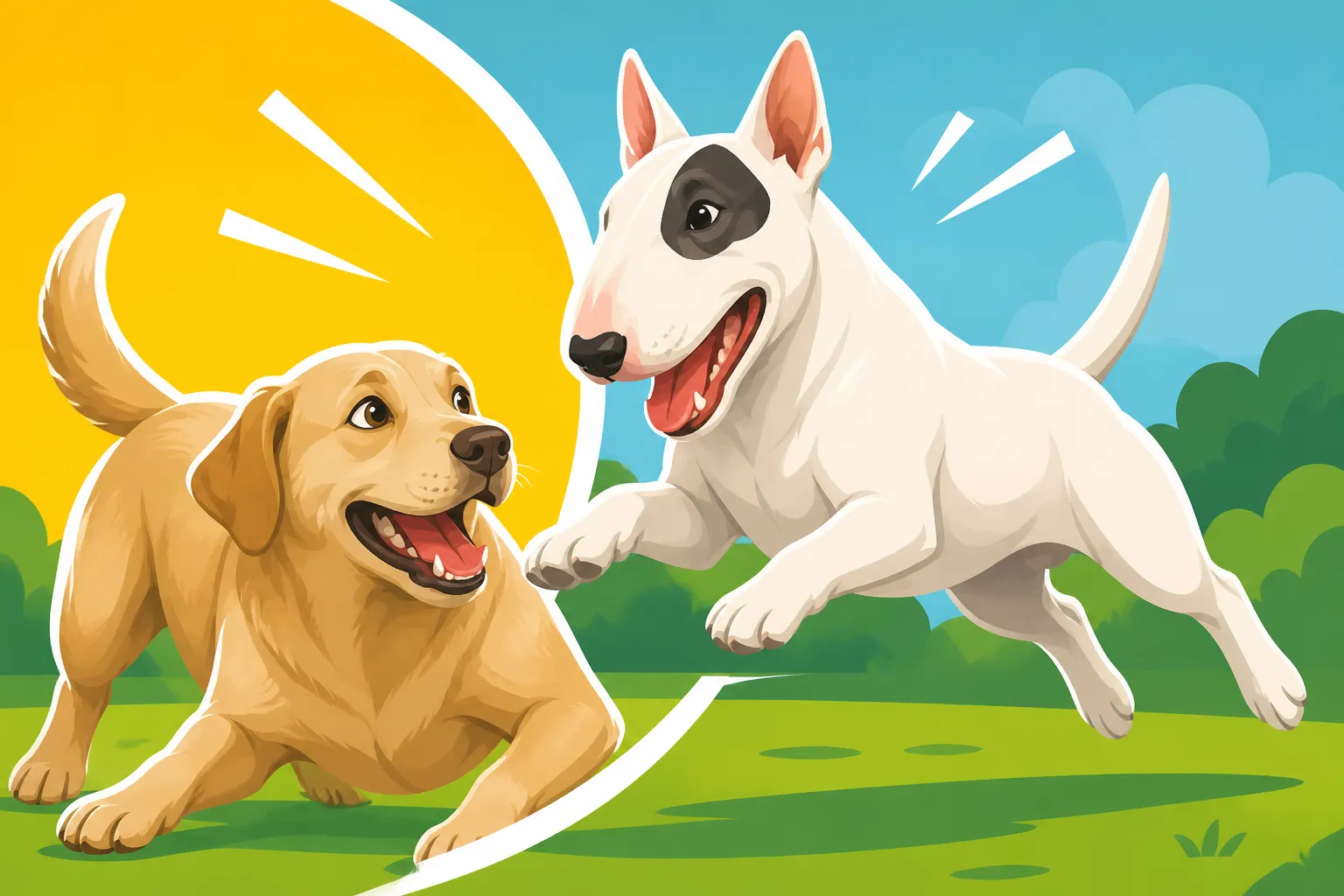
If you've ever spent time with a Bull Terrier, you know they're often called "clowns" for a reason. Their enthusiasm for life is infectious, and when it comes to play, they throw their entire being into it. This isn't a breed that daintily prances or plays fetch with mild manners. Oh no, a Bull Terrier's play is a full-body experience: they bound, they bounce, they barrel into their playmates, often with a mischievous gleam in their triangular eyes. This high-octane energy, combined with their dense, muscular build, can make their interactions seem far more intense than they actually are. It's easy for an onlooker to misinterpret this joyous, robust activity as aggression, simply because it's so physically demanding and energetic. They genuinely enjoy the rough-and-tumble, the chase, and the sheer physicality of a good romp. It’s part of their charming, if sometimes overwhelming, personality. You'll often hear us Bull Terrier owners saying Why a Bull Terrier Is Called a Clown – and their play style is a huge part of that moniker!
"Bully Breed" Play: More Than Just Roughhousing
The Bull Terrier descends from a line of "bully breeds," and with that heritage comes a distinctive set of play behaviors that are deeply ingrained. This often includes a fair amount of mouthing, body slamming, and what can look like wrestling matches. They might lean into other dogs, push with their chests, or use their powerful jaws in what appears to be a rather intimidating manner. However, it's crucial to understand that these aren't necessarily signs of aggression. For a Bull Terrier, these actions are often perfectly normal, reciprocal play invitations or expressions of high excitement. They're engaging in a natural form of physical communication that is characteristic of their breed group. Owners often ask Why a Bull Terrier Body Slams, and it's almost always a playful gesture, albeit one that requires a sturdy constitution from the recipient.
The "Grip and Shake" Instinct
One aspect of Bull Terrier play that often catches new owners or unfamiliar onlookers off guard is their tendency to "grip and shake." This behavior, rooted in their ancestry, involves grabbing a toy, or even playfully mouthing another dog, and shaking their head vigorously. While it can look alarming, especially when directed at another dog during an intense play session, it's frequently a component of their natural play sequence, mimicking instinctual behaviors. It's their way of engaging and expressing excitement, often seen when they're particularly engrossed in a game. The key is to differentiate this playful, soft-mouthed gripping from genuine aggression, where the grip is hard, the body language is stiff, and there's no give-and-take. We talk a lot about Why a Bull Terrier Grips When It Plays because it's such a common concern for new owners.
Recognizing Healthy vs. Unhealthy Play Interactions
Understanding your Bull Terrier's natural play style is one thing, but knowing when that play crosses the line into something less desirable or even dangerous is another. This distinction is vital for ensuring positive interactions for all dogs involved.
Signs of Appropriate Bull Terrier Play
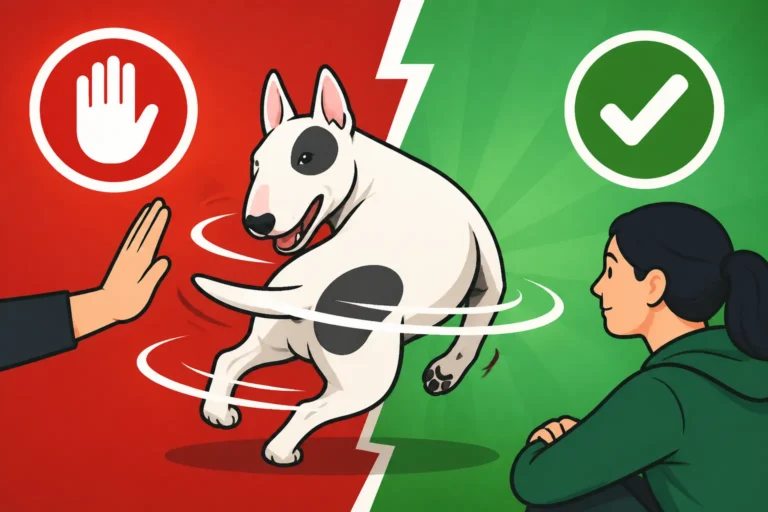
Healthy play, even when it's as intense as a Bull Terrier's, is always reciprocal and involves clear communication. Look for "play bows" – where a dog lowers its front end while keeping its rear up, tail wagging – this is an unmistakable invitation to play. You'll also see "self-handicapping," where a larger, stronger Bull Terrier might deliberately lie down or allow itself to be "caught" by a smaller or less agile playmate. There should be plenty of breaks in the action, where both dogs pause, shake off, or momentarily disengage before re-initiating. Roles should also switch; sometimes your Bull Terrier is the chaser, sometimes they're chased. The mouthing should be soft, without pressure, and the other dog should be actively participating and returning the energy. The most important indicator? The other dog’s body language: are they loose, relaxed, and eagerly returning for more, or are they stiff, trying to get away, or showing signs of stress?
When Play Becomes Problematic
The line between robust play and problematic behavior can be subtle, but it's crucial to recognize. If your Bull Terrier's play becomes one-sided, where they are relentlessly pursuing or bothering another dog who is clearly trying to disengage, that's a red flag. Watch for signs like stiff body language, a rigid tail, intense staring, or a refusal to back down even when the other dog growls, snaps, or yelps. Problematic play often lacks the "give-and-take" of healthy interaction; one dog is dominating or intimidating the other without allowing for reciprocal fun. Consistent pinning, excessive nipping that draws yelps, or relentless body slamming that seems designed to overpower rather than invite, are all signs that intervention is needed. Sometimes, even if your Bull Terrier doesn't start a problem, their intensity can escalate one. It's wise to understand Whether a Bull Terrier Starts Fights or Finishes Them because their presence can quickly change the dynamic.
The Importance of Supervision and Intervention
Given their intense play style, Bull Terriers absolutely require constant, vigilant supervision during interactions with other dogs. This isn't a breed you can simply unleash in a busy dog park and hope for the best, especially with new or unfamiliar playmates. You need to be ready to step in before things go awry. Learn your Bull Terrier's "tells" – those subtle shifts in body language that indicate they're getting overstimulated or too focused. Having a strong recall cue is essential, as is a reliable "leave it" or "break" command. If play gets too intense, a calm, firm verbal interruption or simply stepping in to create a physical barrier and separate the dogs for a short "timeout" can help reset the energy. Think of yourself as the referee, ensuring fair play and preventing anyone from getting too carried away.
Strategies for Managing Bull Terrier Play with Other Dogs
Successfully navigating social interactions for a Bull Terrier requires proactive management and thoughtful strategies. It's not about stifling their natural exuberance, but channeling it appropriately and safely.
Careful Selection of Playmates
One of the most effective strategies for a Bull Terrier is to be highly selective about their playmates. Not every dog is going to appreciate, or safely tolerate, the Bull Terrier's full-on approach. Ideally, look for dogs that are:
- Similar in size and build: This helps prevent accidental injury to smaller dogs and ensures a more evenly matched play session.
- Have a similar play style: Dogs who also enjoy robust, physical play are often the best match. A delicate, shy, or older dog is likely to be overwhelmed.
- Well-socialized and confident: Dogs who are secure in themselves are less likely to react negatively to a Bull Terrier's intense overtures.
- Familiar to your Bull Terrier: Building a consistent "play circle" with known, trusted dogs can be incredibly beneficial. We often find that considering Which Pairing Works Best for a Bull Terrier leads to much happier outcomes.
Avoid environments like crowded dog parks where you can't control the quality or temperament of potential playmates. Instead, arrange controlled play dates with friends' dogs or participate in structured small-group play under professional guidance.
Structured Play Sessions and Short Bursts
Instead of letting play sessions go on indefinitely, aim for shorter, more structured bursts of interaction. Twenty to thirty minutes of intense play, followed by a cool-down period or a walk, is often more beneficial than an hour-long free-for-all that can lead to overstimulation and crankiness. During these sessions, actively interrupt the play periodically. Call your Bull Terrier away, have them sit, offer a treat, and then release them back to play. This teaches them to disengage on command and helps manage their arousal levels. It’s vital to learn How to Teach a Bull Terrier to Play Gently by building in these pauses and offering calm feedback. This also gives both dogs a chance to catch their breath and reassess the situation, ensuring they don't get too ramped up.
Redirecting Intense Energy
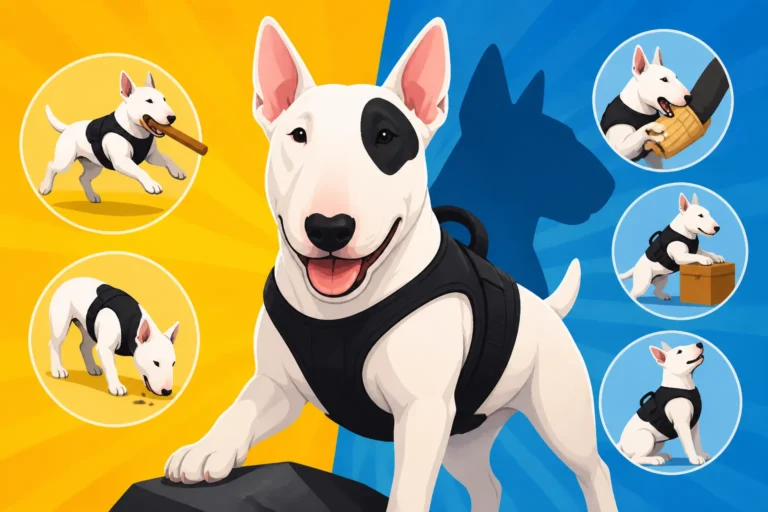
When your Bull Terrier is getting a bit too enthusiastic or fixated during play, having a way to redirect that energy can be a game-changer. Keep some high-value toys or treats on hand. If play starts to get too rough, interrupt with a sharp sound or your recall cue, then immediately engage them with a sturdy chew toy or a short training exercise. Many Bull Terrier owners find that tough, engaging toys, easily found on platforms like Amazon, are invaluable for this purpose. You want something that can withstand their powerful jaws and provide a satisfying outlet for their biting and shaking instincts. A flirt pole, for example, can be great for channeling their chase drive in a controlled way, rather than letting it dominate dog-to-dog play.
Professional Guidance and Socialization
Early, positive, and controlled socialization is critical for Bull Terriers. Puppy classes are an excellent start, though ensure the trainers understand "bully breed" play styles and can facilitate appropriate interactions. Organizations like BAXTER & Bella, which offer comprehensive online training programs, can provide valuable resources and guidance on puppy socialization and behavior management from the comfort of your home, helping you build a strong foundation for your Bull Terrier's interactions. If you're struggling with managing your adult Bull Terrier's play, or if they've developed problematic behaviors, don't hesitate to seek help from a certified professional dog trainer or a veterinary behaviorist. They can assess your individual dog, help you understand the nuances of their communication, and develop a tailored plan. Remember, Whether a Bull Terrier Can Be Socialized Around Dogs is a question of consistent, thoughtful training and management, not just exposure.
Understanding the Bull Terrier's Playmate Needs
Beyond managing their interactions with other dogs, it's essential to understand the broader context of your Bull Terrier's needs and how they impact their social behavior.
The Need for Mental and Physical Outlets Beyond Play
While your Bull Terrier might love a good wrestle, dog-on-dog play is just one form of exercise and enrichment. If a Bull Terrier isn't getting enough mental and physical stimulation in other areas of their life, they might bring an excessive, pent-up energy to their social interactions, making them seem even rougher. Ensure they have plenty of opportunities for:
- Structured Exercise: Daily walks, runs (if appropriate for their age and health), or controlled games of fetch in a secure yard. Understanding How Much Exercise a Bull Terrier Actually Needs is paramount.
- Mental Stimulation: Puzzle toys, scent work games, obedience training sessions, or learning new tricks can be incredibly tiring for their intelligent minds and help prevent boredom that can spill over into disruptive play.
- Chew Outlets: Provide appropriate, durable chew toys to satisfy their strong chewing instincts.
A well-exercised, mentally stimulated Bull Terrier is a more balanced Bull Terrier, and one who is less likely to engage in overly intense or desperate play with other dogs.
Recognizing Individual Differences
It's tempting to generalize about an entire breed, but every Bull Terrier is an individual. While they share breed traits, their personalities, sensitivities, and tolerance levels vary widely. Some Bull Terriers might be naturally more tolerant and flexible with other dogs, while others might be more particular or easily overstimulated. Pay close attention to your own dog's unique signals, preferences, and limits. Don't push them into situations they're uncomfortable with, and conversely, don't assume they must play rough just because they're a Bull Terrier. An important consideration is The Age a Bull Terrier's Dog Tolerance Changes, as some will become less tolerant as they mature. Always advocate for your dog's comfort and well-being, and respect their individual boundaries, as well as those of their potential playmates.
Here's a quick reference to help you distinguish between healthy and problematic play:
| Healthy Play Signs | Problematic Play Signs |
|---|---|
| Reciprocal, turn-taking | One-sided, persistent targeting |
| Play bows & inviting gestures | Stiff body language, raised hackles |
| Self-handicapping (lying down) | Relentless chasing, cornering |
| Frequent breaks, disengagement | Refusal to disengage, ignoring signals |
| Loose, wiggly body language | Rigid stance, intense stare |
| Soft, inhibited mouthing | Hard mouth, excessive pressure, drawing yelps |
| Changes in roles (chaser/chased) | Constant "top dog" position, pinning |
| Other dog seems to enjoy and return | Other dog tries to escape, hides, shows stress |
| No vocalizations or happy, playful barks | Sustained growling, snapping, distressed yelps |
Remember, your Bull Terrier's play style is a part of their charm, but it's your responsibility as an owner to guide it into safe and appropriate channels. With careful management, selection, and a good understanding of their needs, your Bull Terrier can enjoy many happy, fulfilling interactions with other dogs.
Disclaimer
This article is for general informational purposes only and does not constitute professional advice. Laws, prices and regulations vary by location and change over time. Consult a qualified professional for guidance on your specific situation.