Whether a Bull Terrier Should Do Puppy Class
You've just brought home your adorable, energetic Bull Terrier puppy, and as you watch them bounce around with that signature charm, you’re probably already thinking about all the "firsts"—first walk, first cuddle, and of course, their first puppy class. But then a little voice in the back of your head pipes up, reminding you that Bull Terriers aren't exactly known for their unquestioning obedience. You start to wonder if a traditional puppy class, often filled with easily motivated Labs and Goldens, is truly the right environment for your spirited, sometimes stubborn, little egghead. This guide will explore whether puppy class is a beneficial step for your Bull Terrier, what challenges you might face, and how to make the most of the experience or find alternatives if it doesn't quite click.
Why Puppy Class Seems Like a Good Idea and Where It Can Fall Short
The idea of puppy class is wonderfully appealing on paper. It's a structured environment where your puppy can learn basic manners, socialize with other dogs and people, and you, the owner, can gain valuable insights from a professional trainer. For many breeds, it’s an excellent foundation. But for a Bull Terrier, whose independent spirit and unique learning style are legendary, the reality can sometimes be a bit different from the brochure.
The Allure of Early Socialization and Training
Puppy class promises a golden ticket to a well-adjusted adult dog, and for good reason. Early socialization, typically between 8 and 16 weeks of age, is absolutely critical. During this crucial window, puppies are sponges, soaking up experiences and forming their perceptions of the world. A positive puppy class can expose your Bull Terrier to different sights, sounds, smells, people, and a variety of other puppies in a controlled, safe setting. This exposure helps prevent fear and aggression later in life. Imagine your Bull Terrier puppy confidently greeting new people at the park or remaining calm when a stroller rolls by—these are the fruits of good early socialization. Without it, you might find your Bull Terrier becoming wary or reactive, making everyday outings a challenge.
Beyond socialization, puppy class introduces fundamental obedience cues like sit, stay, and come. These commands are the building blocks for good behavior, laying the groundwork for a dog that's a joy to live with. Learning to walk politely on a leash or come when called can quite literally be life-saving skills. For new Bull Terrier owners, these classes also offer a supportive community where you can share experiences and realize you're not alone in the unique challenges of raising this breed. It’s a chance to learn proper handling techniques and understand canine body language from an expert.
The Potential Pitfalls for a Bull Terrier in a Group Setting
While the benefits are clear, puppy class isn't always a perfect fit for every Bull Terrier. The biggest hurdle often lies in the breed's famous independent streak and their sometimes-intense focus. A typical puppy class environment, with multiple puppies and owners, can be chaotic. For a Bull Terrier, this can be overwhelming or, conversely, utterly boring if they don't see the immediate point of the exercises. How Stubborn a Bull Terrier Is is not just a joke among owners; it's a real personality trait that can make rote repetition in a group setting frustrating for both dog and owner. They might decide that sitting on command for the fifth time isn't nearly as interesting as sniffing the floor or attempting to engage another puppy in a vigorous play session, despite your best efforts to focus them.
Another common issue is the Bull Terrier's play style. They can be robust and physical, often using their whole body to interact. This might be misinterpreted by other, more delicate breeds or even cause friction. What a Bull Terrier considers a fun, boisterous game, another puppy might find intimidating or rough. This can lead to negative experiences for your Bull Terrier, hindering rather than helping their socialization. Furthermore, the duration of many puppy classes might simply be too long for your Bull Terrier's attention span. How Short a Bull Terrier's Training Session Has to Be is something many owners learn quickly; long, drawn-out sessions are often counterproductive for this intelligent but easily distracted breed.
The Unique Bull Terrier Personality in a Classroom Setting
Understanding your Bull Terrier's inherent traits is key to deciding if a group puppy class is the right environment for them, or if you need to adjust your approach significantly. Their blend of intelligence, independence, and sheer physical exuberance makes them stand out from the pack.
Intelligence and Independent Thought
Bull Terriers are undeniably smart, but their intelligence often manifests as independent problem-solving rather than eager-to-please compliance. They aren't typically a breed that lives to serve your every command; instead, they weigh the options and decide if your request aligns with their current agenda. In a puppy class setting, this can look like stubbornness. While other puppies might perform a "sit" repeatedly for a treat, your Bull Terrier might do it once, get the reward, and then decide that the next ten repetitions are a waste of their time. They learn quickly, but often on their own terms. This can be incredibly frustrating for an owner trying to keep up with the class pace, and it can sometimes lead to owners becoming overly harsh, which is exactly the opposite of what a sensitive Bull Terrier needs. What a Harsh Correction Does to a Bull Terrier can be detrimental, causing them to shut down or become resentful, making future training even harder.
Their desire for a "job" or a compelling reason to engage is paramount. If the puppy class activities feel arbitrary or unstimulating, your Bull Terrier will quickly check out. They thrive on engagement that feels like a game or a challenge, not just repetitive drills. This means that a good puppy class instructor needs to understand breed variations in motivation, or you, as the owner, will need to be particularly adept at making every command feel like the most exciting thing in the world for your Bull Terrier.
Robust Play and Puppy Nipping
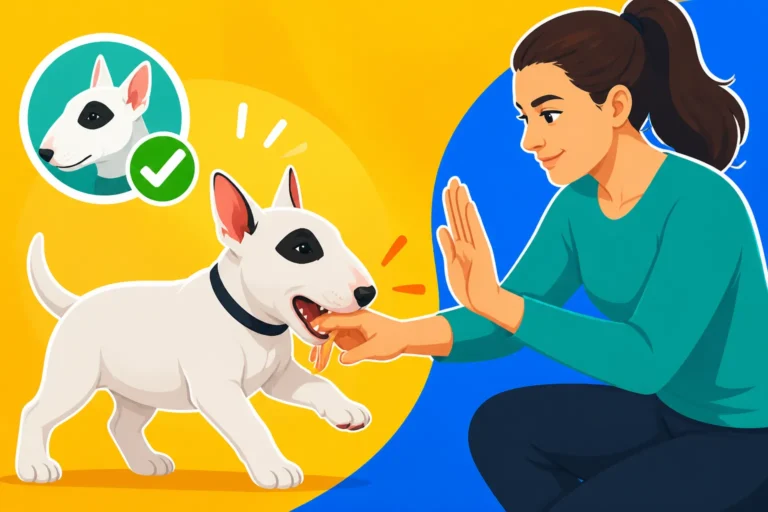
Bull Terrier puppies are famously mouthy. They use their mouths to explore the world, to play, and to test boundaries. How Mouthy a Bull Terrier Puppy Is is a common concern for new owners. In a puppy class, this natural instinct can sometimes escalate into what looks like overly aggressive play to other puppies or their owners. A Bull Terrier puppy might try to "mouth" or "nip" other puppies more than expected, or play with an intensity that overwhelms smaller or more sensitive breeds. While most puppy nips are not truly aggressive, they can certainly be painful and startling, leading to other puppies avoiding yours. This can inadvertently isolate your Bull Terrier, defeating the purpose of socialization.
It's crucial for owners to understand how to manage this behavior effectively from day one. Puppy class can be a place to practice bite inhibition, but only if the instructor is experienced in managing diverse play styles and guiding owners on how to intervene constructively. You'll need to be ready to redirect your Bull Terrier's attention constantly and enforce appropriate play. Teaching a Bull Terrier Puppy to Stop Nipping is a marathon, not a sprint, and requires consistent effort, whether in a class or at home. If left unmanaged, this intense play can become problematic as they grow, impacting their ability to interact politely with other dogs as adults.
Getting the Most Out of Puppy Class for Your Bull Terrier
If you decide to enroll your Bull Terrier in puppy class, there are specific strategies you can employ to ensure a positive and productive experience, tailoring the typical class structure to suit your unique companion.
Choosing the Right Class and Instructor
The single most important factor for a Bull Terrier's success in puppy class is the quality of the class and the instructor. Look for small class sizes, ideally with no more than 6-8 puppies, to minimize chaos and maximize individual attention. A good instructor will use positive reinforcement methods exclusively, focusing on rewards-based training rather than corrections. They should be experienced with a variety of breeds, including "strong-willed" ones, and understand that not every puppy will perform perfectly on command. Ask about their philosophy on puppy play—do they supervise closely and intervene when play gets too rough, or do they let puppies "work it out"? For a Bull Terrier, structured and supervised play is far more beneficial than a free-for-all.
Don't be afraid to visit a class before enrolling your puppy. Observe the dynamics, the instructor's style, and how they handle different puppies. Ask direct questions about how they manage mouthy puppies or those who get easily bored. A great instructor will offer modifications for your Bull Terrier, such as taking more frequent breaks, using high-value rewards, or even suggesting a separate corner for focused one-on-one training if your pup is overstimulated. Some excellent online resources, like those offered by BAXTER & Bella, also provide structured curricula that you can follow at your own pace, which can be an excellent supplement or alternative, especially if local classes aren't ideal. This allows you to control the environment and duration of training sessions.
Preparing Your Bull Terrier for Success
Before your first class, do some groundwork at home. Practice basic cues in short, fun sessions of just a few minutes, focusing on making them feel like a game. Use high-value treats that your Bull Terrier absolutely loves – think small pieces of cooked chicken, cheese, or hot dogs – to capture their attention. This will help them understand that training can be rewarding, even if it feels a little boring in a classroom setting. Make sure your Bull Terrier is well-exercised but not exhausted before class; a tired puppy is less likely to engage, and an over-stimulated one will be too distracted. A nice sniffy walk or a short play session beforehand can help them settle.
Bring an array of highly enticing treats, a favorite chew toy (for quiet time if needed), and a comfortable leash and collar or harness. A martingale collar or a well-fitting front-clip harness can give you more control without resorting to harsh jerks, which your Bull Terrier will likely just dig their heels in against. Be prepared to be your Bull Terrier's advocate in class. If another puppy is being too rough, or if your Bull Terrier is getting overwhelmed, don't hesitate to remove them from the situation for a short break. It's better to end on a positive note, even if it means stepping out of an exercise, than to push them into a negative experience. Remember, for your Bull Terrier, this class is about positive exposure and confidence-building as much as it is about learning specific commands.
| Feature | Traditional Puppy Class (Typical) | Bull Terrier Specific Considerations (Ideal Class) |
|---|---|---|
| Class Size | 8-12 puppies | Small (6-8 puppies max) to reduce chaos |
| Instructor Style | Variable, sometimes generic | Positive reinforcement, experienced with diverse breeds |
| Socialization | Unstructured or loosely supervised play | Highly supervised, structured play; intervention by instructor |
| Training Pace | Standard, repetitive drills | Flexible, short sessions, high-value rewards, games |
| Distraction Level | High due to multiple dogs/people | Managed by instructor, opportunities for quiet breaks |
| Owner Support | Group advice, general problem-solving | Individualized feedback, specific breed insights |
| Focus | Basic obedience, general manners | Positive exposure, confidence, bite inhibition, engagement |
Beyond Puppy Class: Alternatives and Continued Training
Whether you choose traditional puppy classes or decide they aren't the best fit for your Bull Terrier, your training journey is just beginning. The most effective approach for this unique breed often involves a combination of structured learning, consistent home practice, and understanding their individual motivations.
Private Training Sessions
For many Bull Terrier owners, private one-on-one training sessions can be an absolute game-changer. While more expensive than group classes, the personalized attention from a qualified positive reinforcement trainer can be invaluable. This allows the trainer to focus solely on your Bull Terrier's specific needs, challenges, and motivations without the distractions of other dogs. You can address issues like Why a Bull Terrier Pulls Toward Everything on walks or reinforce good house manners in the exact environment where those behaviors occur. A private trainer can help you decode your Bull Terrier's unique body language and develop a training plan that truly resonates with their independent nature. They can also teach you techniques for proofing behaviors in real-world scenarios, which is crucial for a breed that thrives on context.
Private sessions also mean you can work at your Bull Terrier's pace. If they're having an "off" day, you can shift gears to something simpler or take more breaks. This flexibility is often absent in a group class setting. You can also bring in specific "environmental" socialization, such as practicing polite greetings outside a busy store or calmly observing children at a park, rather than relying solely on interactions with other puppies in a classroom. This tailored approach often leads to faster progress and a stronger bond between you and your Bull Terrier, as the training is always relevant and engaging for them.
Online Courses and At-Home Enrichment
In today's digital age, a wealth of online puppy training courses and resources are available, offering a flexible and often comprehensive alternative or supplement to in-person classes. Platforms like BAXTER & Bella provide structured curriculums that guide you through basic obedience, socialization, and problem-solving at your own pace, in the comfort of your home. This can be particularly beneficial for Bull Terriers who get easily overstimulated or distracted in group settings. You can pause, rewind, and repeat lessons as needed, allowing your Bull Terrier to learn without pressure. It also allows you to control the environment completely, removing distractions and slowly introducing new elements as your puppy builds confidence.
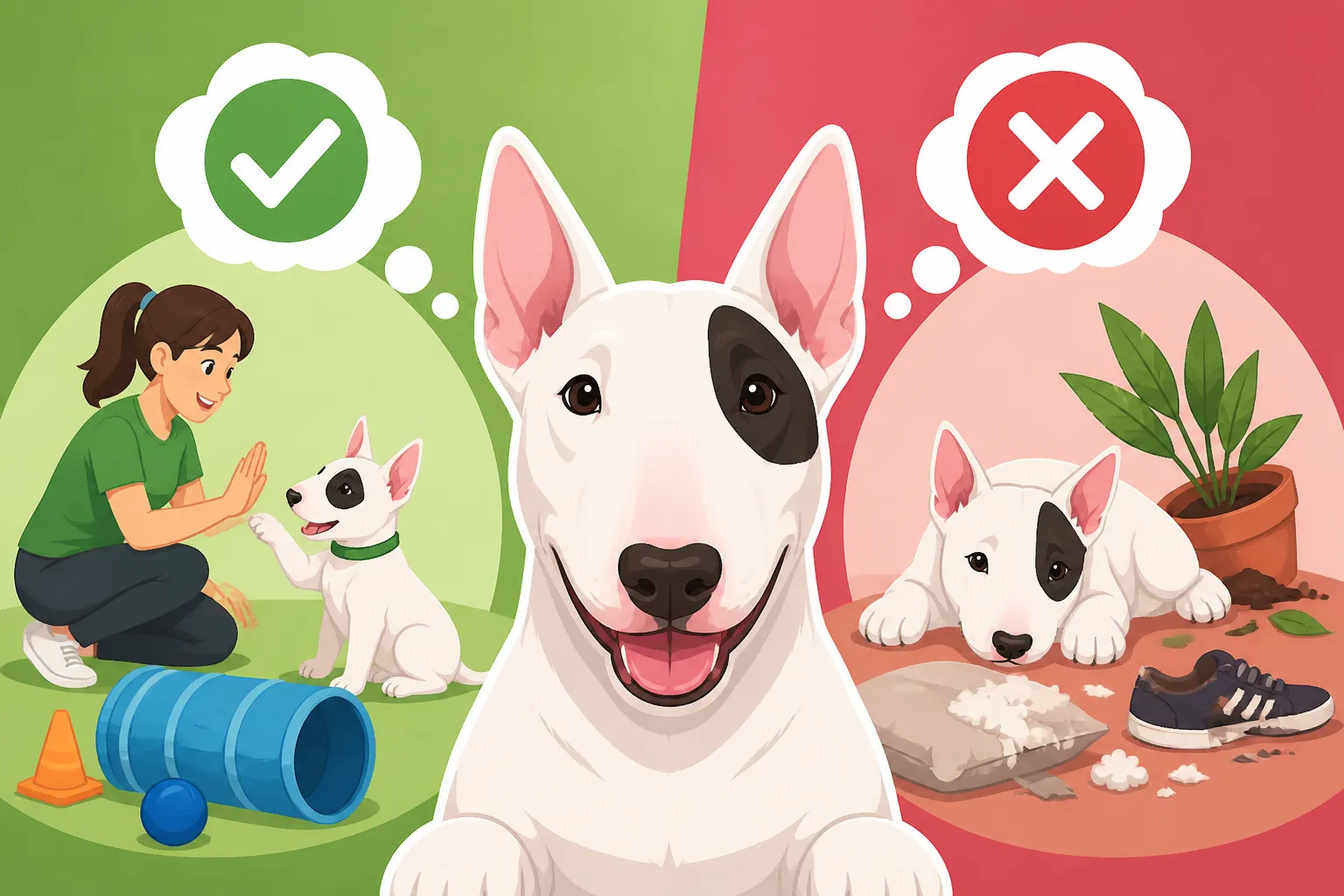
Beyond formal training, consistent at-home enrichment is absolutely vital for a Bull Terrier. This breed needs mental stimulation to thrive and prevent boredom, which can lead to destructive behaviors. Puzzle toys, snuffle mats, and scent games where they have to "find it" are excellent ways to engage their intelligent minds. You can find a huge variety of these types of toys on Amazon, perfectly suited to a Bull Terrier's powerful jaws and inquisitive nature. Think about incorporating short, fun training games into your daily routine – hide and seek with you or a toy, practicing recall in the yard, or teaching them silly tricks. What a Bull Terrier Needs a Job is a common saying for a reason; keeping their minds busy helps prevent them from inventing their own jobs, which often involve chewing things they shouldn't or generally creating mischief.
Lifelong Learning and Continued Socialization
Remember, puppy class is just the beginning. Bull Terriers benefit immensely from lifelong learning and continued, positive socialization. Even if your puppy class experience was fantastic, don't stop there. Consider enrolling in advanced obedience, agility, or scent work classes as they mature. These activities provide mental and physical outlets that are perfectly suited to a Bull Terrier's drive and athleticism. They help reinforce good manners and keep their minds sharp. Whether a Bull Terrier Can Pass a Canine Good Citizen Test is a goal many owners achieve with consistent effort, demonstrating their dog's reliability and good behavior.
Continued, positive socialization means regularly exposing your Bull Terrier to new, safe experiences throughout their life. This doesn't necessarily mean dog parks, which can be overwhelming or even dangerous for a breed with a robust play style. Instead, focus on controlled encounters: walks in varied environments, meeting friendly, well-adjusted dogs one-on-one, and positive interactions with different people. Look for local dog-friendly businesses or parks where you can practice polite leash manners and greetings without the pressure of an uncontrolled environment. The goal is to build a confident, well-adjusted Bull Terrier who sees the world as an interesting and non-threatening place, always with you as their trusted guide.
Disclaimer
This article is for general informational purposes only and does not constitute professional advice. Laws, prices and regulations vary by location and change over time. Consult a qualified professional for guidance on your specific situation.