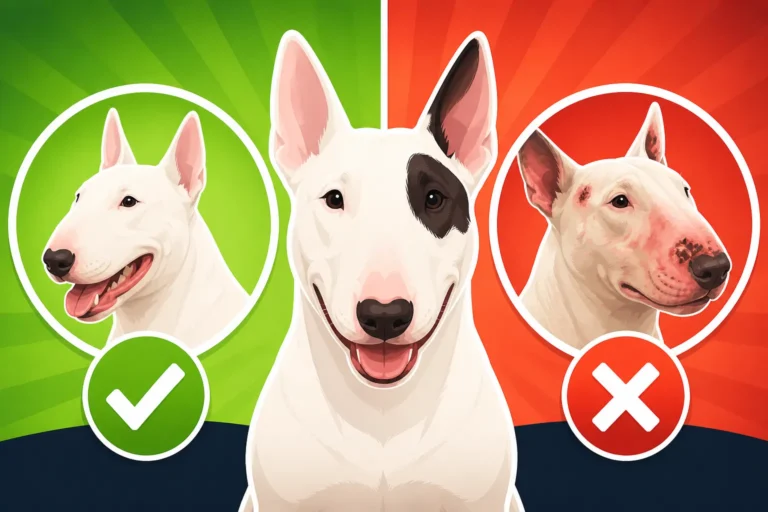
What a Bull Terrier’s Dermatologist Charges
As a Bull Terrier owner, you know their skin can sometimes feel like a full-time job. It's incredibly frustrating when your otherwise healthy, energetic companion suddenly develops red patches, incessant itching, or a mysterious rash that just won't go away, despite your best efforts and multiple vet visits. When these recurring skin woes hit, the thought of seeing a specialist often crosses your mind, but then the daunting question arises: exactly what does a Bull Terrier's dermatologist charge, and is it even something you can afford? This guide aims to shed light on those costs, helping you understand what to expect and how to prepare for specialized dermatological care for your beloved bully.
Why a Bull Terrier Might Need a Dermatologist
It's a harsh truth that for all their delightful personalities, Bull Terriers often have sensitive skin. Their short, coarse coats and sometimes pink, delicate skin can be magnets for various issues. While your regular veterinarian is fantastic for general care, there are times when a specialist's expertise is truly invaluable, especially when symptoms are persistent, severe, or simply not responding to standard treatments.
Common Skin Conditions in Bull Terriers
Bull Terriers, much like certain other breeds, are predisposed to a range of dermatological conditions. It's not uncommon to encounter frustrating, chronic problems that leave both you and your dog feeling miserable. From environmental irritants to genetic predispositions, their skin can throw quite the curveball.
One of the most frequent culprits behind skin issues in Bull Terriers is allergies. These can manifest as environmental allergies (atopy) to things like pollen, dust mites, or molds, or as food allergies. The symptoms are often relentless: itchy skin, red paws, recurring ear infections, and skin infections secondary to all that scratching and licking. It can be heartbreaking to watch your dog constantly uncomfortable, rubbing themselves raw on furniture or trying to chew their paws. Whether a Bull Terrier Gets Skin Allergies is a very common question, and unfortunately, the answer is often yes.
Then there's the notorious Demodectic mange, often found in puppies or dogs with compromised immune systems. This isn't the highly contagious "scabies" type of mange; it's caused by tiny mites that live naturally on dog skin, but in some Bull Terriers, they multiply uncontrollably, leading to hair loss, redness, and scaly patches. While usually not itchy, it can look alarming and requires specific diagnosis and treatment. Demodectic Mange in a Bull Terrier is something many owners face. Another inherited concern, albeit rarer, is Zinc Responsive Dermatosis in a Bull Terrier, where the dog struggles to absorb zinc, leading to crusty lesions, particularly around the eyes, mouth, and pressure points. And let's not forget the ever-present threat of Sunburn on a White Bull Terrier, which can cause painful skin damage and increase the risk of skin cancer over time, particularly for our pale-skinned bullies. These conditions often require a more in-depth approach than a general practice vet can offer.
When to Seek Specialist Care
Knowing when to escalate your Bull Terrier's skin issues to a specialist can save your dog from prolonged discomfort and potentially prevent conditions from worsening. If your general practitioner vet has tried a few different treatments—perhaps antibiotics, antifungals, or steroids—and the problem keeps coming back, or new symptoms appear, it’s a strong signal. A recurring ear infection that never quite clears up, chronic itching that drives your dog (and you!) crazy, or skin lesions that refuse to heal are all excellent reasons to consider a referral.
A veterinary dermatologist has specialized training and diagnostic tools to get to the root of these complex issues. They aren't just looking at symptoms; they're trying to understand the underlying immunological, genetic, or environmental factors at play. If your Bull Terrier has been on multiple courses of medication with only temporary relief, or if the diagnosis is unclear after initial tests, a dermatologist is equipped to dig deeper. They can offer a fresh perspective and access to advanced treatments that may not be available at your regular clinic.
Breaking Down the Costs of a Veterinary Dermatology Visit
The idea of seeing a specialist often comes with a bit of sticker shock, and for good reason. Specialized care often involves more advanced diagnostics and treatments. However, understanding what you're paying for can help you plan and make informed decisions. The overall cost will depend heavily on the specific tests needed, the complexity of the condition, and the ongoing treatment plan.
Initial Consultation Fees
The very first step in seeing a veterinary dermatologist is the initial consultation. This isn't just a quick check-up; it's a comprehensive review of your Bull Terrier's entire medical history, current symptoms, and any previous treatments. The specialist will ask detailed questions about diet, environment, previous medications, and how long the problem has been going on. They'll perform a thorough physical examination, paying close attention to every inch of your dog's skin, coat, ears, and paws. This initial deep dive is crucial for forming an effective diagnostic and treatment plan.
Because of the time, expertise, and detailed record-keeping involved, the initial consultation fee for a veterinary dermatologist is typically higher than a standard vet visit. You can generally expect this fee to cover the dermatologist's time for the examination and initial assessment, but it usually doesn't include any diagnostic tests performed during that visit. These consultation fees vary widely depending on your geographic location and the clinic's reputation, but they generally represent the baseline cost for opening your Bull Terrier's case with a specialist. It's a significant investment, but it's the foundation upon which effective treatment is built.
Diagnostic Tests and Procedures
Once the initial consultation is complete, the dermatologist will likely recommend a series of diagnostic tests to pinpoint the exact cause of your Bull Terrier's skin problem. This is where the costs can really start to accumulate, as these tests are often highly specialized and require specific equipment and laboratory analysis.
Common tests include skin scrapes to check for mites like Demodex, fungal cultures to identify ringworm, and cytology (examining cells under a microscope) to look for bacteria or yeast. These are relatively straightforward and less expensive than other tests. However, if the issue is more complex, a What a Bull Terrier's Skin Biopsy Costs might be necessary. This involves taking a small sample of skin tissue under sedation or local anesthesia and sending it to a pathology lab for detailed analysis. Biopsies are crucial for diagnosing conditions like autoimmune diseases or certain types of skin cancer that can affect Bull Terriers.
For allergies, What Allergy Testing Costs on a Bull Terrier is another significant expense. There are typically two types: intradermal skin testing, where small amounts of allergens are injected into the skin, and blood tests (serum allergy testing). Both aim to identify specific environmental triggers that are causing your Bull Terrier's allergic reactions. These tests are vital for developing targeted treatment plans, such as allergen-specific immunotherapy. Each of these tests, from the simple skin scrape to complex allergy panels, adds to the overall cost, but they are essential for moving beyond guesswork to a precise diagnosis.
Treatment Plans and Ongoing Management
Once a diagnosis is made, the dermatologist will develop a tailored treatment plan for your Bull Terrier. This can range from prescription medications to specialized diets and environmental management strategies. For acute flare-ups, your Bull Terrier might need antibiotics, antifungals, or corticosteroids. For chronic conditions, long-term medications, often immunomodulators, are common. The cost of these medications can vary greatly, with some newer, highly effective drugs being quite expensive.
Beyond oral medications, topical treatments like What a Bull Terrier's Medicated Shampoo Costs are frequently prescribed, along with specialized conditioners or sprays. For Bull Terriers with food allergies, a prescription hypoallergenic diet is often recommended, which can be more expensive than standard kibble. If environmental allergies are diagnosed, allergen-specific immunotherapy (allergy shots or oral drops) is a long-term treatment designed to desensitize your dog to specific allergens. This involves an initial series of injections and then ongoing maintenance doses, representing a recurring cost over several years.
Ongoing management also includes regular follow-up visits to monitor your Bull Terrier's progress, adjust medications, and perform repeat tests if necessary. These follow-up appointments, while generally less expensive than the initial consultation, are critical for managing chronic conditions effectively. The goal is often not just to cure the problem but to manage it to improve your Bull Terrier's quality of life and prevent severe flare-ups.
Managing the Financial Strain: Insurance, Budgets, and Brands
Let's be real, the costs associated with specialized veterinary care can be substantial, and it’s completely normal to feel overwhelmed. However, there are proactive steps you can take to mitigate the financial burden and ensure your Bull Terrier gets the best care possible.
Pet Insurance Considerations
One of the most effective ways to manage unexpected and high veterinary bills, especially for chronic conditions requiring specialist input, is pet insurance. Many Bull Terrier owners, having faced the breed's common health challenges, opt for robust coverage. Providers like Healthy Paws offer comprehensive plans that often cover specialist visits, diagnostic tests, medications, and even ongoing treatments for chronic conditions like allergies.
It's crucial to understand your policy, including deductibles, reimbursement percentages, and annual limits. Most pet insurance policies do not cover pre-existing conditions, so it's best to enroll your Bull Terrier when they are young and healthy, before any chronic skin issues emerge. If your dog already has a diagnosed skin problem, it may be excluded from coverage, or there might be a waiting period. Researching Which Insurer Suits a Bull Terrier carefully and understanding their terms can make a world of difference when faced with a specialist's bill. Having a good policy in place can transform a potentially crippling bill into a manageable out-of-pocket expense, allowing you to focus on your Bull Terrier's recovery rather than the financial stress.
Budgeting for Chronic Skin Issues
Even with insurance, or if your Bull Terrier's condition is pre-existing, budgeting for chronic skin issues is essential. Start by building an emergency fund. Knowing What a Bull Terrier's Emergency Fund Should Hold can give you peace of mind. Set aside a dedicated amount each month specifically for your dog's health needs, especially if they have known predispositions. For example, if your Bull Terrier has recurring ear infections, you know you'll need funds for vet visits, ear cleaners, and potentially prescription ear drops a few times a year.
Consider a separate savings account or even a dedicated credit card just for your Bull Terrier's medical expenses. Track all veterinary costs, including consultations, medications, and special foods, to get a realistic picture of your annual expenditure. This allows you to adjust your budget and avoid surprises. Sometimes, delaying specialist care due to financial concerns can lead to more expensive and complex problems down the line, so being prepared for these eventualities is always the best strategy.
Utilizing Online Resources and Specialized Diets
Beyond vet visits and insurance, many aspects of managing Bull Terrier skin issues can be supported through smart shopping and utilizing specialized products. Online pet retailers like Chewy are invaluable resources for ordering prescription foods, medicated shampoos, and even some over-the-counter supplements your dermatologist might recommend. Buying these in larger quantities or through subscription services can sometimes offer cost savings over purchasing directly from your vet's office.
For Bull Terriers with food sensitivities or allergies, a high-quality, limited-ingredient, or novel protein diet is often recommended. Brands like Ollie, known for fresh, human-grade dog food, can be an option if your vet suggests exploring different dietary approaches to address skin health. Always discuss any dietary changes with your veterinary dermatologist, as diet plays a huge role in skin health, and the wrong food can exacerbate issues. Whether a Bull Terrier's Skin Improves With Diet is a valid question, and for many, it can make a significant difference.
Here's a simplified overview of potential cost ranges you might encounter for different dermatological services for your Bull Terrier:
| Service/Procedure | General Cost Shape (Excluding Meds/Follow-ups) | Common Conditions Addressed | Notes |
|---|---|---|---|
| Initial Dermatologist Consult | Moderate to High | Any chronic, severe, or undiagnosed skin issue | Detailed history, full physical exam, basis for future steps |
| Skin Scrape/Cytology | Low | Demodectic Mange, bacterial/yeast infections, ringworm | Quick, in-clinic test; often done at initial consult |
| Fungal Culture | Low to Moderate | Ringworm | Results may take days or weeks |
| Skin Biopsy (with pathology) | Moderate to High | Autoimmune diseases, unusual lesions, suspected skin cancer | Requires sedation/local anesthesia; What a Bull Terrier's Skin Biopsy Costs is an important factor |
| Allergy Testing (Blood/Skin) | High | Environmental or food allergies (atopy) | Identifies specific allergens for targeted immunotherapy |
| Medicated Shampoos/Topicals | Low to Moderate (per product) | Infections, dry skin, anti-itch relief | Ongoing cost; What a Bull Terrier's Medicated Shampoo Costs adds up |
| Immunotherapy (Allergy Shots) | Moderate (initial setup) to Low (monthly) | Long-term management of environmental allergies | Requires commitment; can significantly reduce reliance on other meds |
| Prescription Diet | Moderate to High (monthly) | Food allergies/sensitivities, skin barrier support | Can be purchased via retailers like Chewy or Ollie with vet guidance |
Remember, these are general estimations for the shape of costs. Actual charges will vary. The most important thing is open communication with your veterinary team and dermatologist. Don't be afraid to ask for estimates before procedures, and discuss payment plans or alternative approaches if costs are a major concern. Your Bull Terrier's health is paramount, and with careful planning, you can navigate these challenges effectively.
Disclaimer
This article is for general informational purposes only and does not constitute professional advice. Laws, prices and regulations vary by location and change over time. Consult a qualified professional for guidance on your specific situation.