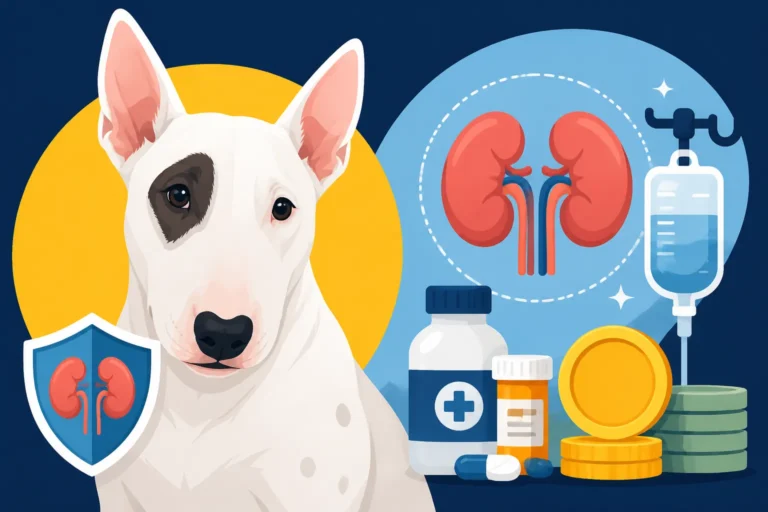
What a Bull Terrier’s Renal Diet Costs a Month
Discovering your beloved Bull Terrier has kidney disease is a heartbreaking moment, often followed by a wave of anxiety about managing their health and the financial strain it will put on your family. One of the biggest shifts in their care, and often one of the most expensive, is transitioning to a specialized renal diet. This guide aims to thoroughly break down the true monthly costs involved in providing a renal diet for your Bull Terrier, moving beyond just the bag of kibble to cover all the associated expenses and considerations.
The Immediate Shock of Prescription Renal Food Costs
When the vet first tells you your Bull Terrier needs a renal diet, the initial thought is often, "It's just dog food, how bad can it be?" Then you see the price tag on prescription-strength kidney-supportive kibble or wet food, and your jaw drops. It's a common reaction, and you're certainly not alone in feeling that pinch. This isn't just regular kibble with a fancy label; these diets are meticulously formulated with precise levels of protein, phosphorus, and sodium, designed to lessen the workload on compromised kidneys and slow the progression of the disease. This specialized formulation, along with the research and development behind it, contributes significantly to its higher cost compared to standard commercial dog foods.
For many Bull Terrier owners, the sticker shock is immediate, particularly if you're used to buying large bags of food from a grocery store or a big box pet retailer. These aren't typically available on standard shelves and often require a veterinary prescription, making them a specialty item. When you're facing a lifelong condition like Hereditary Nephritis Takes Bull Terriers in Their Prime or Signs a Bull Terrier's Kidneys Are Failing, this initial expense is just the beginning of a long journey, and it's essential to understand what you're truly signing up for.
Why Prescription Diets Cost More
The price difference isn't arbitrary; it reflects the specific needs these diets address. Kidney-friendly foods are carefully balanced to control protein intake, reducing the burden on the kidneys to filter waste products. They also often feature lower phosphorus levels, as high phosphorus can accelerate kidney damage. Sodium is typically reduced to help manage blood pressure, which is often a concern in dogs with kidney issues. Beyond these primary adjustments, they often include omega-3 fatty acids for anti-inflammatory benefits and increased antioxidants. All of this requires extensive scientific research, rigorous testing, and quality control, which adds to the manufacturing cost.
You might also find that these foods come in smaller bag sizes or cans, further compounding the perception of high cost per serving. A Bull Terrier, being a robust and active breed, can eat a considerable amount, meaning you'll go through these specialized foods quite quickly. This is where the long-term financial planning becomes crucial. It’s not just a one-off purchase; it's a recurring, non-negotiable expense for the remainder of your dog’s life once a diagnosis like What Hereditary Nephritis Does to a Bull Terrier has been confirmed.
Finding the Best Value for Renal Food
While prescription renal diets are inherently more expensive, there are ways to manage the cost without compromising your Bull Terrier's health. Many online retailers and large pet supply chains that partner with veterinary practices offer these foods, sometimes at a slight discount compared to buying directly from your vet's office. For instance, websites like Chewy often carry a full range of prescription diets, and they might have subscription options that can shave a small percentage off the price. It's always worth comparing prices between your veterinarian, local specialty pet stores, and reputable online pharmacies or retailers.
Another strategy is to buy in bulk if you have the storage space and your Bull Terrier tolerates the food well. Larger bags often offer a better price per pound. However, always check expiration dates and consider how quickly your dog will consume it to ensure freshness. Sometimes, a combination of wet and dry food can work, with wet food offering higher palatability for pickier eaters, though it often comes at a higher per-calorie cost. It's a delicate balance of cost, palatability, and nutritional appropriateness that you'll be navigating constantly.
Beyond the Kibble: Other Monthly Renal Diet Expenses
The food itself is just one piece of the puzzle when it comes to managing a Bull Terrier on a renal diet. There are a host of other expenses that accumulate monthly, from specialized treats to necessary supplements and even the ongoing veterinary monitoring required to ensure the diet is effective. It's easy to overlook these smaller, but persistent, costs when you're focused on the primary food bill. However, they add up quickly and can significantly impact your overall monthly budget.
Think about it: your Bull Terrier, known for its intelligence and often its strong will, might not be thrilled with their new, perhaps less exciting, meal. You might need to experiment with different brands or flavors, and even then, some encouragement in the form of renal-friendly treats might be necessary. This isn't just about indulgence; it's about maintaining a good quality of life and ensuring they consume enough calories, especially if their appetite is affected by kidney disease.
Renal-Friendly Treats and Chews
Once your Bull Terrier is on a prescription renal diet, those yummy, high-protein treats you used to buy are likely off-limits. Most commercial treats are high in phosphorus and protein, which are exactly what you need to limit to protect failing kidneys. This means hunting down specialty renal-friendly treats, which, much like the food itself, come with a higher price point. These treats are formulated to complement the therapeutic diet, keeping phosphorus and protein low, and often contain beneficial ingredients like omega-3s.
Some companies specifically produce renal-friendly treat lines, but they might not be as readily available as conventional treats. You might find yourself ordering them online, or purchasing them through your vet, often in smaller, more expensive packages. Alternatively, you might get creative with homemade options, like small pieces of low-sodium vegetables or fruits approved by your vet, but even these can add to your grocery bill and demand extra time for preparation. It’s a small detail that often gets forgotten in the initial shock of diagnosis but becomes a consistent part of the monthly spend.
Supplements and Additives for Kidney Health
Many Bull Terriers with kidney disease will also require specific supplements to support their renal function or manage secondary issues that arise. These can include phosphorus binders, which help to reduce the absorption of phosphorus from the gut, and omega-3 fatty acid supplements, which have anti-inflammatory properties beneficial for kidney health. B vitamins might also be recommended as they can be lost in increased urination associated with kidney disease.
These supplements are typically ongoing monthly costs. The exact type and dosage will depend on your Bull Terrier's specific condition and stage of kidney disease, as determined by your veterinarian after bloodwork and a What a UPC Ratio Tells a Bull Terrier Owner analysis. While they aren't food in the traditional sense, they are an integral part of the "renal diet" regimen. Brands like Azodyl or Epakitin are commonly prescribed, and their costs can vary, but they generally represent a significant addition to the monthly budget. Always consult your vet before adding any supplements, as incorrect dosages or types could do more harm than good.
Monitoring and Follow-Up Vet Visits
It's not enough to simply switch to a renal diet and hope for the best. Regular monitoring by your veterinarian is crucial to assess how your Bull Terrier is responding to the diet and to make any necessary adjustments. These follow-up visits often include blood tests to check kidney values (like BUN and creatinine) and phosphorus levels, and urine tests to monitor protein loss. How Often a Bull Terrier's Urine Should Be Tested becomes a critical question, and the answer is usually "frequently."
Each vet visit, blood draw, and urine analysis adds to the monthly or bi-monthly expense. While not strictly "food" costs, they are directly tied to the management of the renal diet. Your vet might also recommend checking blood pressure regularly, which is another associated cost. These monitoring efforts are vital for gauging the effectiveness of the diet and catching any progression of the disease early, ensuring that your Bull Terrier continues to receive the most appropriate care. Ignoring these follow-ups to save money can lead to a rapid decline in your dog's health.
Alternative Approaches to Renal Diets and Their Costs
While prescription veterinary diets are the gold standard for managing kidney disease, some owners explore alternative approaches, such as homemade or fresh-cooked meals, often driven by a desire for more natural ingredients, improved palatability, or sometimes, a hope of reducing costs. However, these alternatives come with their own set of challenges and costs that need careful consideration, especially for a condition as critical as kidney disease in a Bull Terrier. The exact formulation of a renal diet is complex, and getting it wrong can have serious consequences.
It's common for Bull Terrier owners to seek out every possible avenue to make their beloved companion more comfortable, and diet is a huge part of that. The desire to provide the "best" can sometimes lead people down paths that, while well-intentioned, might not be fully researched or nutritionally balanced without expert guidance. This is particularly true when dealing with a breed that faces specific health challenges like The Yearly Urine Test Every Bull Terrier Owner Should Book.
Homemade Renal Diets
Preparing a homemade renal diet for your Bull Terrier is a significant undertaking that should only be done in close consultation with a veterinary nutritionist. It is incredibly difficult to formulate a diet that is appropriately restricted in protein and phosphorus while still being nutritionally complete and balanced for a dog with kidney disease. Simply reducing the amount of meat in a standard homemade diet will almost certainly lead to other deficiencies. These diets require very specific ingredients, precise measurements, and often, additional supplements to ensure your dog is getting everything they need without overloading their kidneys.
The cost of a homemade renal diet can vary wildly. You might buy specific cuts of meat, specialized low-phosphorus grains, and a range of vitamins and minerals. While some individual ingredients might seem cheaper than a bag of prescription kibble, the sheer variety and careful balance often make the overall cost comparable, if not higher. Plus, you need to factor in your time for meal preparation, which can be substantial for a dog that needs multiple meals a day. If you consider using a fresh-cooked meal delivery service, like Ollie, as a base, you would still need to work with a veterinary nutritionist to adapt it specifically for renal disease, which adds an additional layer of complexity and expense that goes beyond their standard offerings.
The Cost of Consultation and Formulation
Choosing a homemade renal diet means investing in expert advice. A board-certified veterinary nutritionist will work with you and your primary veterinarian to create a custom meal plan tailored to your Bull Terrier's specific stage of kidney disease and individual needs. This consultation process involves reviewing medical records, discussing ingredient preferences, and then formulating precise recipes. These consultations come with a fee, and often, follow-up consultations are necessary to fine-tune the diet as your dog's condition changes.
This initial investment in expert guidance is non-negotiable for safety and efficacy. Without it, you run the very real risk of inadvertently causing nutritional deficiencies or accelerating kidney disease due to incorrect nutrient levels. A Bull Terrier's robust nature might mask subtle signs of nutritional imbalance until it becomes severe, making professional oversight absolutely critical. This expert consultation becomes part of the initial "cost" of setting up a homemade renal diet, a recurring expense that many do not anticipate.
Financial Planning for a Bull Terrier's Renal Diet
The reality of a Bull Terrier with kidney disease is that it's a long-term commitment, both emotionally and financially. Understanding What Kidney Failure Costs a Bull Terrier Owner means looking at the big picture, beyond just the monthly food bill. It's about setting up a sustainable plan to ensure your beloved companion receives the best possible care without completely derailing your household budget. It requires foresight, flexibility, and a willingness to explore all available options.
Many owners feel overwhelmed by the continuous financial outlay, especially when the diagnosis comes as a shock. Validating that stress is important; it's a lot to take on. But with careful planning, it is possible to manage these costs effectively and provide your Bull Terrier with a comfortable life.
Pet Insurance and Renal Diets
One of the most powerful tools in managing chronic illness costs is pet insurance. If your Bull Terrier was insured before the kidney disease diagnosis, your policy might cover a significant portion of the costs associated with the renal diet, including prescription food and supplements, as well as the ongoing veterinary monitoring. Policies vary wildly, so it's crucial to review your specific plan's details regarding prescription diets and chronic conditions. Some insurers, like Healthy Paws, offer comprehensive coverage that can be a lifesaver in these situations.
However, if your Bull Terrier is diagnosed before you have insurance, or if the diagnosis is considered a pre-existing condition, then insurance typically won't cover those expenses. This highlights the importance of proactive pet insurance from a young age, well before any health issues arise. It's a gamble many owners regret not taking. Even if the food isn't covered, insurance can still help with other aspects of managing kidney disease, like emergency visits or treatment for secondary complications. Understanding Whether Insurance Covers Bull Terrier Kidney Disease is paramount to your financial strategy.
Budgeting and Emergency Funds
For those without pet insurance, or whose policies don't cover prescription food, creating a dedicated budget line item for your Bull Terrier's renal diet and associated medical care is essential. This isn't a temporary expense; it's a permanent addition to your monthly outgoings. Calculate the total estimated monthly cost – food, treats, supplements, and an average for vet visits – and factor it into your household budget.
Beyond the monthly budget, building an emergency fund specifically for your Bull Terrier's health can provide immense peace of mind. Kidney disease can sometimes lead to acute crises, requiring urgent veterinary attention, fluid therapy, or other intensive treatments that are expensive. Having a reserve, perhaps a few thousand dollars, can mean the difference between life-saving treatment and making heartbreaking decisions. What a Bull Terrier's Emergency Fund Should Hold is a question worth serious consideration as soon as a diagnosis is made. Financial preparedness alleviates some of the emotional burden, allowing you to focus on your dog's well-being.
Monthly Cost Breakdown for a Bull Terrier's Renal Diet
Let's put some general figures to the different components of a renal diet for a Bull Terrier. Keep in mind that prices are highly variable based on location, brand, veterinary clinic pricing, and individual dog's size and needs. This table is meant to give you a broad overview of where your money will likely be going each month.
| Category | Description | Monthly Cost Shape (Low) | Monthly Cost Shape (High) |
|---|---|---|---|
| Prescription Dry Food | Main caloric intake, specifically formulated kibble. | Moderate | High |
| Prescription Wet Food | Often used for palatability or hydration, can be mixed with dry. | Moderate | Very High |
| Renal-Friendly Treats | Low protein, low phosphorus treats to supplement the diet. | Low | Moderate |
| Supplements | Phosphorus binders, omega-3s, B vitamins, etc. | Moderate | High |
| Veterinary Monitoring | Bloodwork, urinalysis, blood pressure checks (averaged monthly). | Moderate | High |
| Specialty Items | Medications for symptoms like nausea or appetite stimulants. | Low | Moderate |
| Total Monthly Range | Combined estimated cost for all elements, excluding emergencies. | Significant | Very Significant |
This table illustrates that a renal diet is not a minimal undertaking. The "Total Monthly Range" can represent a substantial portion of a pet owner's disposable income, emphasizing why it's so important to be prepared. When a Bull Terrier lives The Ten to Fourteen Years a Bull Terrier Gets, managing a chronic condition over many years adds up significantly. It's a testament to the love we have for our dogs that we embark on this journey.
Disclaimer
This article is for general informational purposes only and does not constitute professional advice. Laws, prices and regulations vary by location and change over time. Consult a qualified professional for guidance on your specific situation.