Whether a Tricolor Bull Terrier Costs More
When you’re looking to welcome a Bull Terrier into your home, the sheer excitement can often be tempered by the practicalities, particularly the financial ones. Many prospective owners wonder if specific coat colors, like the striking tricolor, come with a heftier price tag. It's a valid question, and one that cuts to the heart of understanding what genuinely dictates the cost of these incredible dogs. This guide will help you understand whether a tricolor Bull Terrier truly costs more, and what factors are really at play when it comes to a puppy's price.
Understanding Bull Terrier Coat Colors and Their Value
Bull Terriers come in a wonderful array of colors, from pure white to brindle, red, fawn, black, and of course, tricolor. A tricolor Bull Terrier typically features a base of black, tan, and white markings, creating a distinctive and often sought-after appearance. It’s natural to assume that a more 'exotic' or visually complex coat pattern might fetch a higher price.
Historically, white Bull Terriers were the original vision of James Hinks, the breed's creator, giving them a special place in the breed's lineage. Over time, colored Bull Terriers gained acceptance and popularity. Today, all standard colors, including tricolor, are recognized and cherished within the breed community. The perception that some colors are 'rarer' or 'more valuable' can sometimes be influenced by individual preference, current trends, or even geographical location, rather than an inherent difference in breeding quality or a universally agreed-upon rarity.
The Real Drivers of a Bull Terrier's Price
It’s easy to get caught up in coat color, but a responsible breeder will tell you that color is rarely the primary determinant of a Bull Terrier's price. There are far more significant factors that truly influence What a Bull Terrier Puppy Costs From a Breeder, and these are the aspects you should focus on.
Breeder Reputation and Experience
A breeder's reputation is paramount. A highly experienced breeder who consistently produces healthy, well-socialized puppies from proven lines will understandably charge more. They invest years into understanding genetics, temperament, and health clearances. They are not just selling a puppy; they are offering a lifetime of support, guidance, and the peace of mind that comes from knowing your dog has the best possible start. This expertise is reflected in their pricing.
Conversely, someone selling puppies at a significantly lower price might be cutting corners. They might not be performing the necessary health tests, providing proper nutrition, or investing in early socialization. This can lead to unforeseen health issues and behavioral challenges down the line, ultimately costing you far more in vet bills and training than any initial saving on the puppy price. What an Untested Bull Terrier Puppy Signals is a major red flag that savvy buyers learn to recognize.
Health Testing and Clearances
This is perhaps the single most crucial factor influencing a Bull Terrier's price, and rightly so. Bull Terriers, like many purebred dogs, are prone to certain hereditary health conditions. A responsible breeder will conduct extensive health screening on both parent dogs before breeding them. These tests are not cheap, but they are vital for minimizing the risk of passing on debilitating diseases to the puppies.
Key health tests for Bull Terriers include:
- BAER (Brainstem Auditory Evoked Response) testing: To check for deafness, especially prevalent in white Bull Terriers.
- Cardiac evaluations: Such as echocardiograms, to screen for heart conditions like mitral valve dysplasia or aortic stenosis.
- Kidney health screening: Including regular urine protein-to-creatinine (UPC) ratio tests and kidney ultrasounds to detect hereditary nephritis or polycystic kidney disease.
- Patella evaluations: To check for luxating patellas.
- Lethal Acrodermatitis (LAD) DNA testing: To identify carriers of this devastating genetic condition.
The Five Tests a Bull Terrier Breeder Should Have Paid For gives you a deeper dive into these crucial screenings. The cost of these tests – including What the Bull Terrier Acrodermatitis Test Costs, What a Bull Terrier's Echocardiogram Costs, and What a Bull Terrier's BAER Test Costs – is absorbed by the breeder, and it naturally contributes to the overall price of a healthy puppy. When you buy a puppy from tested parents, you're investing in its long-term health and your own financial future, potentially avoiding heartbreaking and expensive veterinary treatments later.
Pedigree and Lineage
The pedigree of a Bull Terrier, referring to its ancestral line and achievements, can also impact its price. Puppies from parents who have excelled in the show ring, achieved championship titles, or come from a long line of dogs with exceptional health and temperament often command higher prices. This isn't just about bragging rights; it indicates that the breeder is striving to uphold and improve the breed standard, which is a significant undertaking.
These dogs represent decades, sometimes centuries, of careful breeding choices aimed at producing the ideal Bull Terrier in terms of conformation, health, and temperament. For someone looking for a show prospect or a dog with predictable characteristics, a strong pedigree adds tangible value.
Location and Demand
Where you live can also play a role in pricing. In areas where Bull Terriers are particularly popular, or where there are fewer reputable breeders, prices might be higher due to increased demand and limited supply. Similarly, breeders in regions with a higher cost of living may have higher operational expenses, which can be reflected in their puppy prices.
Does Tricolor Actually Cost More?
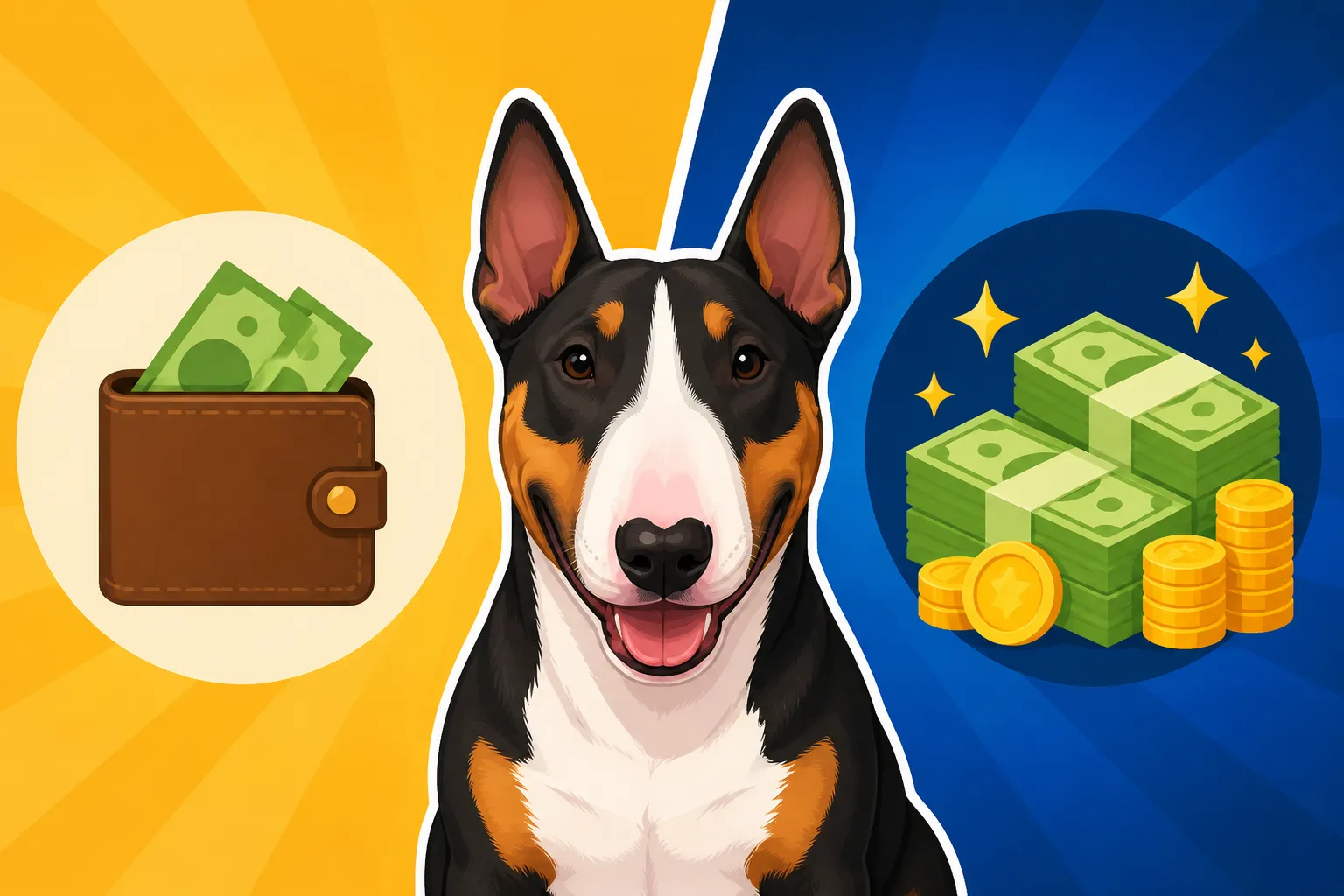
Now, to directly address the burning question: does a tricolor Bull Terrier inherently cost more? Generally speaking, among ethical, reputable breeders, the answer is no, not significantly more just because of the color itself.
A tricolor puppy from a well-tested, health-cleared litter by a reputable breeder will likely be priced similarly to a white, brindle, red, or any other standard colored puppy from the same litter. The breeder's focus is on the overall quality of the litter – health, temperament, conformation – not primarily on individual coat colors.
However, there can be nuances:
- Perceived Rarity/Demand: If a tricolor is less common in a particular breeding program or if there’s a higher demand for this specific aesthetic, a breeder might experience more interest or a longer waitlist for these puppies. Some less scrupulous breeders might capitalize on perceived rarity to inflate prices, but this is not standard practice for those committed to the breed's welfare.
- Aesthetics and Personal Preference: Ultimately, color is an aesthetic choice. If you have your heart set on a tricolor Bull Terrier, you might find yourself willing to wait longer for a specific litter or travel further. But an ethical breeder won't charge you an arbitrary "tricolor tax" simply because the puppy has three colors. The cost will still be determined by the quality of the breeding, not the paint job.
Think of it this way: a car's safety features, engine performance, and reliability are what truly make it valuable, regardless of its paint color. While a unique paint job might be attractive, it doesn't change the underlying engineering or quality of the vehicle itself. The same principle applies to Bull Terriers.
What You're Really Paying For in a Well-Bred Bull Terrier
When you bring a Bull Terrier puppy home from a responsible breeder, you're not just buying a dog; you're investing in a future companion. The price tag encompasses so much more than the puppy's immediate appearance.
A Foundation of Health
You're paying for a puppy whose parents have been screened for genetic diseases, significantly reducing the chances of your dog developing costly and painful conditions later in life. This foresight from a breeder saves you potential heartache and enormous vet bills down the road. Imagine the cost and emotional toll of treating a dog with severe heart disease or kidney failure, which can amount to substantial sums over its lifetime. How Long a Bull Terrier Lives on Average is directly impacted by these initial health choices.
Sound Temperament and Socialization
A good breeder raises puppies in a stimulating environment, exposing them to various sights, sounds, and people. This early socialization is critical for a Bull Terrier's famously "clownish" yet sometimes stubborn personality. They handle the puppies regularly, introduce them to different textures and noises, and begin basic potty training. This careful upbringing contributes to a well-adjusted dog that is easier to train and integrate into your family, which is invaluable.
Lifelong Breeder Support
Reputable breeders offer ongoing support throughout your Bull Terrier's life. They are a resource for questions about training, health, nutrition, and behavior. Many breeders have contracts that include a "take back" clause, meaning they will always take their dogs back if an owner's circumstances change, ensuring their dogs never end up in shelters. This commitment is a hallmark of an ethical breeder and part of what you're investing in. This kind of relationship can be a lifeline for a first-time Bull Terrier owner.
Initial Veterinary Care
Your puppy will typically come with its first vaccinations, deworming, and a thorough veterinary check-up. This upfront care is included in the purchase price, ensuring your puppy is healthy and ready for its new home. You also get detailed records of their medical history.
Practical Steps for Finding Your Bull Terrier
Given that color isn't the primary cost driver, how do you navigate the market to find a wonderful Bull Terrier, tricolor or otherwise?
Prioritize Reputable Breeders
Start by researching Bull Terrier breed clubs and reputable breeder directories. Attend local dog shows where you can meet breeders and their dogs in person. Ask for referrals from trusted veterinarians or experienced Bull Terrier owners. A good breeder will welcome your questions and be eager to educate you. They will also have a waiting list, as quality breeding takes time and careful planning.
Ask the Right Questions
Don't be shy about asking detailed questions. Inquire about the health tests performed on both parents, request to see the results and certifications, and ask about the temperament of the parents. Understand the breeder's philosophy on raising puppies and what kind of environment they provide. Ask about their contract and health guarantee. A transparent breeder will be happy to share all this information. Which Health Tests a Bull Terrier Breeder Should Run is a great resource for what to ask.
Understand the Total Cost of Ownership
Remember that the purchase price of a Bull Terrier is just the beginning. The What the First Year With a Bull Terrier Costs can be substantial, and ongoing expenses for food, vet care, training, and enrichment toys add up over its average The Ten to Fourteen Years a Bull Terrier Gets. Budget for high-quality food, whether it’s a premium kibble you can find on sites like Chewy or a fresh food option like Ollie. Consider pet insurance from providers like Healthy Paws early on to cover unexpected medical costs, as Bull Terriers can be prone to certain health issues. This long-term financial commitment is far more significant than any minor difference in purchase price due to coat color.
Be Patient
Finding the right Bull Terrier takes time. A truly reputable breeder won't always have puppies available immediately. Be prepared to wait for a well-bred litter, even if it means waiting for a specific color like tricolor. This patience will be rewarded with a healthy, happy, and well-adjusted companion that will bring you joy for years to come.
Price Factor Comparison Table
To help put these factors into perspective, here's a quick table outlining their general impact on a Bull Terrier's overall cost:
| Factor | Impact on Purchase Price | Explanation |
|---|---|---|
| Breeder Reputation/Experience | High | Significant investment in knowledge, care, support, and ethical practices. |
| Health Testing of Parents | High | Costs of BAER, cardiac, kidney, LAD, patella tests are passed onto puppy price, ensuring healthier lines. |
| Pedigree and Lineage | Moderate to High | Dogs from champion lines or highly successful parents often fetch higher prices due to quality assurance. |
| Temperament/Socialization | Moderate | Time and resources invested in early puppy development for sound behavior. |
| Initial Vet Care | Moderate | First vaccinations, deworming, vet check-ups included. |
| Geographic Location | Moderate | Regional demand and cost of living can influence pricing. |
| Coat Color (e.g., Tricolor) | Low (among ethical breeders) | Generally, color does not significantly impact price for reputable breeders; individual demand might. |
Disclaimer
This article is for general informational purposes only and does not constitute professional advice. Laws, prices and regulations vary by location and change over time. Consult a qualified professional for guidance on your specific situation.