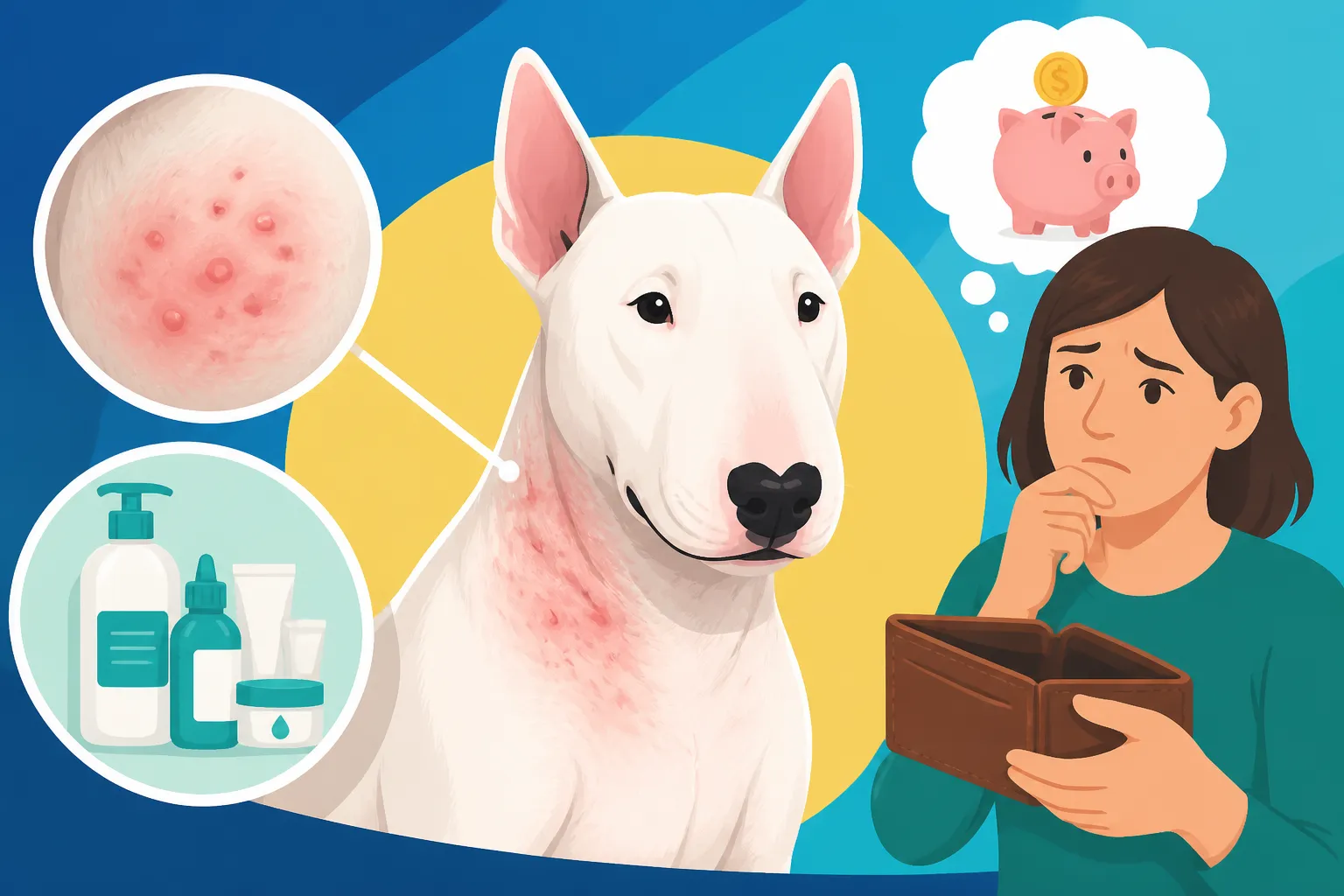
What Skin Treatment Costs a Bull Terrier Owner
One of the most heart-wrenching and often financially draining challenges Bull Terrier owners face is dealing with persistent skin issues. It's not just a minor irritation; chronic itching, redness, and discomfort can severely impact your Bull Terrier's quality of life, leading to endless vet visits, expensive medications, and a feeling of helplessness as you watch your beloved companion suffer. This guide aims to shed light on the true costs associated with diagnosing and treating the myriad of skin conditions common in our beloved Bull Terriers, helping you prepare for the journey ahead.
Understanding Common Bull Terrier Skin Issues
Bull Terriers, with their smooth, short coats and often sensitive skin, are unfortunately prone to a variety of dermatological problems. It can feel like their skin is always fighting an uphill battle, and indeed, A Bull Terrier's Skin Is Its Weakest Point is a sentiment many Bull Terrier owners deeply understand. Recognizing the signs early is crucial for both your dog's comfort and your wallet.
Allergic Dermatitis – The Itchy Reality
Allergies are perhaps the most common culprits behind a Bull Terrier's skin woes. Just like people, dogs can be allergic to things in their environment (pollen, dust mites, molds – known as atopy) or ingredients in their food. Imagine your Bull Terrier constantly scratching, licking, and chewing at their paws, flanks, or ears, sometimes so intensely that they create raw, inflamed spots. It's not just annoying; it’s a miserable existence for them, and the incessant itching can lead to secondary bacterial or yeast infections, making the problem even worse.
These allergic reactions often manifest as red, bumpy rashes, greasy skin, or even hair loss from self-trauma. You might notice your Bull Terrier's feet are constantly wet from licking, or they have dark reddish-brown staining on their white fur, a tell-tale sign of saliva exposure. This relentless itch is precisely why many owners wonder Whether a Bull Terrier's Feet Itch. The frustration comes from trying every over-the-counter remedy under the sun only to see the symptoms return with a vengeance as soon as you stop.
Demodectic Mange – A Puppyhood Challenge (and sometimes adult)
Demodectic mange is another common skin issue, particularly in puppies, though it can pop up in adults too, especially if their immune system is compromised. Unlike sarcoptic mange, which is highly contagious and intensely itchy, demodex mites are actually a normal part of a dog's skin flora. The problem arises when a dog's immune system, often due to immaturity or a genetic predisposition, fails to keep the mite population in check, leading to an overgrowth.
When demodex takes hold, you might start seeing distinct patches of hair loss, often around the eyes, mouth, or on the legs. In puppies, it can begin as small, localized bald spots that don't seem to bother them much, like little moth-eaten areas. However, if left untreated or if their immune system is particularly weak, it can spread to cover larger areas of the body, becoming generalized demodex. This generalized form can lead to severe skin inflammation, crusting, and secondary infections, turning those seemingly innocent bald spots into a serious and uncomfortable condition. You can read more about this specific challenge in our article on Demodectic Mange in a Bull Terrier.
Zinc-Responsive Dermatosis – A Genetic Predisposition
This specific condition is less common than allergies or mange but is particularly relevant to Bull Terriers due to a suspected genetic predisposition. Zinc Responsive Dermatosis in a Bull Terrier occurs when the body either doesn't absorb zinc properly from the diet or has an increased requirement for it. Despite receiving adequate zinc in their food, their system acts as if it's deficient.
The symptoms are quite characteristic: crusting, scaling, and hair loss, often symmetrical, around the eyes, mouth, chin, ears, and pressure points like elbows and hocks. These lesions can be incredibly uncomfortable, sometimes painful, and can even crack and bleed. It’s a condition that often leaves owners baffled, as they might be feeding a high-quality diet, yet their Bull Terrier still presents with these distinct, persistent skin lesions.
Initial Veterinary Consultation and Diagnostics
The first step in addressing any skin issue is always a visit to your trusted veterinarian. Don't try to self-diagnose or rely solely on internet forums; skin conditions can look similar but require vastly different treatments. Your vet is your best ally in unraveling the mystery of your Bull Terrier's itchy, irritated skin.
The First Vet Visit – Getting a Diagnosis
When you bring your Bull Terrier in for skin problems, your vet will perform a thorough physical examination, paying close attention to the affected areas. They’ll ask you a lot of questions about when the symptoms started, what you’ve tried so far, your dog’s diet, and their environment. This initial consultation fee covers the vet's time, expertise, and the basic examination. If your Bull Terrier is particularly squirmy or anxious due to the discomfort, they might even suggest mild sedation to get a good look, adding to the immediate cost.
Imagine your Bull Terrier, "Barnaby," a usually boisterous fellow, has been relentlessly licking his paws and rubbing his face on the carpet for weeks. You've tried oatmeal baths and changed his food to something "sensitive stomach," but nothing has stuck. The vet will carefully examine Barnaby, noting the inflammation between his toes, the redness around his muzzle, and the general oiliness of his coat. This foundational visit is paramount because it sets the stage for accurate diagnosis and effective treatment, preventing endless cycles of ineffective remedies.
Diagnostic Tests – Peeling Back the Layers
To truly understand what's going on beneath the surface of your Bull Terrier's skin, your vet will likely recommend several diagnostic tests. These aren't just guesses; they are targeted investigations to identify mites, bacteria, yeast, or other underlying causes. Common tests include skin scrapes, where a small blade is used to gently scrape superficial skin layers to look for mites like demodex under a microscope. Cytology involves taking a tape impression or swab of the skin to examine cells for bacteria, yeast, or inflammatory cells.
Fungal cultures are often performed if ringworm is suspected, involving collecting hair and skin scales and culturing them in a lab. If allergies are strongly suspected, or if initial treatments aren't working, your vet might suggest a skin biopsy for What a Bull Terrier's Skin Biopsy Costs or allergy testing. Allergy testing, which can be done via blood work or intradermal skin tests, aims to pinpoint specific environmental or food allergens. While the initial consultation helps narrow down possibilities, these diagnostic tools are essential for confirming the exact nature of the problem, allowing for a precise treatment plan. For more detailed information, consider our post on What Allergy Testing Costs on a Bull Terrier.
Specialist Referrals – When Your Regular Vet Needs Help
Sometimes, despite your regular vet's best efforts, a skin condition can be particularly stubborn, atypical, or complex. This is when a referral to a veterinary dermatologist might be recommended. These specialists have advanced training and equipment dedicated solely to skin and ear problems, offering a deeper level of diagnostic and therapeutic options. They might perform more advanced tests, suggest novel treatments, or manage complex cases that require specialized knowledge.
A consultation with a dermatologist is an investment. It typically involves a comprehensive review of your Bull Terrier's medical history, a detailed examination, and often additional specialized tests. They can be invaluable for conditions like severe, generalized demodex, complex allergic skin disease that hasn't responded to conventional treatment, or unusual dermatological manifestations. If your Bull Terrier has been through rounds of different medications and diets without lasting relief, seeing a specialist can be the turning point. For a better idea of the expenses, you might want to look into What a Bull Terrier's Dermatologist Charges.
Treatment Protocols and Ongoing Management Costs
Once a diagnosis is made, the real work begins: treatment and ongoing management. It's rare for skin issues, especially chronic ones like allergies, to be a one-and-done fix. Expect a multi-faceted approach, and understand that consistency is key.
Medication – Topical and Oral Solutions
The type and duration of medication will depend entirely on the diagnosis. For bacterial skin infections, a course of antibiotics, often lasting several weeks, will be prescribed. Yeast infections might require oral antifungals or antifungal shampoos. Allergic dermatitis often involves a combination of strategies: antihistamines, corticosteroids (for acute flare-ups), or newer, targeted medications that modulate the immune response, such as Apoquel or Cytopoint injections. These newer drugs can be incredibly effective at stopping the itch, but they often come with a higher price tag and require continuous administration.
For conditions like zinc-responsive dermatosis, lifelong zinc supplementation will be necessary. Imagine your Bull Terrier, "Bella," finally getting relief from her incessant itching with a new medication. The joy is immense, but so is the realization that this might be a monthly expense for the foreseeable future. Keeping up with these prescriptions is vital; stopping too soon can lead to relapse and resistance, making future treatments even harder.
Therapeutic Shampoos and Conditioners
Bathing isn't just about cleanliness for Bull Terriers with skin issues; it's a critical part of their treatment plan. Medicated shampoos formulated with ingredients like chlorhexidine for bacterial infections, miconazole for yeast, or soothing oatmeal and ceramides for dry, irritated skin are frequently prescribed. These aren't your average dog shampoos; they are therapeutic agents designed to deliver active ingredients directly to the skin, helping to reduce bacterial and yeast loads, decrease inflammation, or moisturize.
The cost of these specialized shampoos can be significantly higher than regular grooming products. Furthermore, they often need to be used frequently, sometimes several times a week during an active flare-up, and then less often for maintenance. Proper bathing technique is crucial: allowing the shampoo to sit on the skin for the recommended contact time (usually 10-15 minutes) before rinsing. Owners sometimes worry Whether bathing too often dries a Bull Terrier's skin, but with the right medicated product and conditioning, it's often a necessary and beneficial part of the regimen. You can get an idea of the costs involved by checking out What a Bull Terrier's Medicated Shampoo Costs.
Dietary Management and Supplements
For Bull Terriers with suspected food allergies, a dietary elimination trial is the gold standard for diagnosis. This involves feeding a novel protein or hydrolyzed protein diet exclusively for several weeks (often 8-12 weeks) to see if symptoms resolve. These specialized prescription diets are often more expensive than regular kibble. Once a food allergy is confirmed, your Bull Terrier will need to remain on that specific diet for life, which can be a significant ongoing cost. Many owners wonder Whether a Bull Terrier's Skin Improves With Diet, and for food-allergic dogs, the answer is a resounding yes.
Beyond prescription diets, many vets recommend supplements to support skin health, especially for dogs with allergies or dry skin. Omega-3 fatty acids, often derived from fish oil, are popular for their anti-inflammatory properties and ability to improve coat quality. Other supplements might include probiotics for gut health, which can indirectly impact skin, or specific vitamins and minerals. Brands like Ollie offer customized fresh food plans that can cater to specific dietary needs, which might be an option if your Bull Terrier has particular sensitivities. Alternatively, a wide array of prescription and sensitive skin diets, along with supplements, are readily available through retailers like Chewy. These dietary interventions are not just about feeding; they are an active component of managing skin health.
Long-Term Care and Prevention Strategies
Living with a Bull Terrier prone to skin issues means understanding that it's often a marathon, not a sprint. Long-term care and proactive prevention are vital to keeping them comfortable and managing costs in the long run.
Regular Monitoring and Follow-Up Visits
Even after a successful treatment course, regular veterinary check-ups are essential, especially for chronic conditions like allergies or zinc-responsive dermatosis. These follow-up visits allow your vet to assess the effectiveness of the current treatment, monitor for any side effects, and make adjustments as needed. For instance, an allergic Bull Terrier might require seasonal adjustments to medication or bathing routines as pollen counts change.
It's common for owners to feel a sense of relief when symptoms subside and then become less vigilant, only for the problem to resurface. Think of "Rosie," your otherwise happy Bull Terrier, who has finally stopped scratching after months of treatment. Without continued monitoring, it's easy to miss subtle signs of a relapse until the problem is severe again. Regular skin checks at home are also crucial for early detection; knowing How to Check a Bull Terrier's Skin Weekly can make a huge difference in catching issues before they escalate.
Environmental Management and Allergen Control
For Bull Terriers with environmental allergies, minimizing exposure to triggers is a key, albeit challenging, part of prevention. This can involve diligent house cleaning to reduce dust mites, using air purifiers, and regular vacuuming. During peak allergy seasons, wiping down your Bull Terrier's paws and coat after outdoor excursions can help remove pollen. Many Bull Terrier owners regularly inquire Whether a Bull Terrier's Feet Should Be Wiped After Walks, and for allergic dogs, this simple act can significantly reduce allergen absorption.
Considering your home environment, think about what might be contributing to their irritation. Are there certain plants, cleaning products, or even types of bedding that seem to exacerbate their condition? Identifying and minimizing these triggers can reduce the reliance on medication and significantly improve their comfort. It's about creating a living space that supports their sensitive skin rather than constantly challenging it.
The Role of Pet Insurance
The cumulative costs of veterinary visits, diagnostic tests, medications, special diets, and specialist consultations for chronic skin conditions can quickly add up, becoming a significant financial burden. This is where pet insurance can play a crucial role. A good pet insurance policy can help offset a substantial portion of these expenses, making advanced diagnostics and long-term treatments more accessible.
However, it's vital to understand how pet insurance works, particularly regarding pre-existing conditions. Most policies will not cover conditions that were present or showed symptoms before the policy started or during a waiting period. This means it's often best to insure your Bull Terrier when they are young and healthy. Researching providers like Healthy Paws can give you an idea of what plans are available and what they cover. Imagine "Max," whose chronic skin allergies cost hundreds of dollars a month in medication and special food. Having insurance can turn overwhelming bills into manageable co-pays, providing immense peace of mind.
Specific Costs to Consider
Navigating the costs of Bull Terrier skin treatment can feel like a minefield. While exact figures vary wildly by location, veterinary practice, and the specific condition, here’s a general breakdown of potential expenses you might encounter. Remember, these are illustrative, and the total cost will depend on the severity and chronicity of your Bull Terrier’s skin issues.
A Breakdown of Potential Expenses
| Service/Item | Description | Frequency |
|---|---|---|
| Initial Vet Consultation | First visit to your primary veterinarian for examination and history taking. | Once per new issue |
| Follow-up Vet Visits | Re-checks to monitor treatment progress or address new concerns. | As needed (weekly to monthly during active treatment) |
| Skin Scrape & Cytology | Microscopic examination for mites, bacteria, yeast, or inflammatory cells. | As needed (often initial diagnosis, sometimes follow-up) |
| Fungal Culture | Lab test for ringworm. | As needed (initial diagnosis) |
| Bloodwork (e.g., Thyroid Panel) | To rule out underlying systemic issues affecting skin health. | As needed (initial diagnosis or chronic cases) |
| Allergy Testing | Blood test or intradermal skin test to identify specific allergens. | Once (unless re-tested years later) |
| Skin Biopsy | Surgical removal of a small skin sample for histopathology (specialist). | As needed (complex cases) |
| Dermatologist Consultation | Specialist examination and advanced diagnostics/treatment planning. | Initial, then follow-ups as needed |
| Oral Antibiotics/Antifungals | To treat secondary infections. | Weeks to months (per course) |
| Corticosteroids | For acute inflammation and itching. | Short-term, as needed |
| Immunosuppressants/Modulators | Long-term management of allergies (e.g., Apoquel, Cytopoint). | Monthly or every few months (lifelong) |
| Zinc Supplements | For zinc-responsive dermatosis. | Daily (lifelong) |
| Medicated Shampoos/Conditioners | Therapeutic washes for various conditions. | Weekly to monthly (ongoing) |
| Prescription Allergy Diet | Hydrolyzed or novel protein kibble/wet food. | Daily (lifelong for food allergies) |
| Omega Fatty Acid Supplements | To support skin barrier health and reduce inflammation. | Daily (ongoing) |
This table provides a snapshot, but it's crucial to understand that a Bull Terrier with chronic, multi-faceted skin issues could easily incur costs across many of these categories simultaneously and repeatedly over its lifetime.
When Skin Issues Point to Something More
While many Bull Terrier skin problems are directly related to allergies, mites, or specific breed predispositions, sometimes persistent or unusual skin issues can be a red flag for deeper, systemic health concerns. It’s important to stay vigilant and not just treat symptoms without understanding the root cause.
The Connection Between Skin and Overall Health
The skin is the largest organ of the body, and it often reflects what's happening internally. For instance, persistent or recurrent demodectic mange in an adult Bull Terrier might signal an underlying immune deficiency or other systemic illness, even if the puppy form is more common. Hormonal imbalances, such as hypothyroidism, can also manifest as skin and coat problems, including hair loss, dry skin, and recurrent infections. Similarly, certain internal cancers can sometimes present with unusual skin lesions or changes.
If your Bull Terrier's skin isn't improving with appropriate treatment, or if new, unexplained symptoms appear, your vet might recommend a more comprehensive workup, including blood tests to check organ function, thyroid levels, or other systemic markers. It's a testament to the complexity of veterinary medicine that a persistent itch or rash can lead down a path of investigating metabolic or endocrine disorders. Don't simply dismiss chronic skin issues; they can be important clues to your Bull Terrier's overall well-being. This deeper look is particularly important when considering issues such as Whether Demodex Means a Bull Terrier's Immunity Is Weak. And as they age, you might notice What a Bull Terrier's Skin Changes With Age, which could also indicate systemic changes.
Financial Preparedness for Complex Cases
The realization that a seemingly simple skin rash could escalate into a complex, chronic, or even systemic health issue can be daunting, both emotionally and financially. This is why financial preparedness is so vital for Bull Terrier owners. Beyond pet insurance, which we've discussed, having an emergency fund specifically for veterinary expenses can be a lifesaver. This fund can cover deductibles, co-pays, or even treatments that insurance might not fully cover.
Budgeting for potential ongoing expenses, especially if your Bull Terrier is diagnosed with a lifelong condition like severe allergies requiring expensive medication, or a systemic issue affecting the skin, is a realistic approach. It’s not about anticipating the worst, but about being able to provide the best care without financial strain dictating treatment choices. Having these conversations with your vet early on about long-term management costs can help you plan and make informed decisions about your Bull Terrier's health.
Disclaimer
This article is for general informational purposes only and does not constitute professional advice. Laws, prices and regulations vary by location and change over time. Consult a qualified professional for guidance on your specific situation.