What a Bull Terrier’s Kidney Ultrasound Costs
There's a unique knot of anxiety that tightens in a Bull Terrier owner's stomach when the vet suggests a diagnostic test, especially one like a kidney ultrasound. We all know these wonderful, quirky dogs are prone to certain health challenges, and kidney issues, sadly, top that list for many. This guide aims to pull back the curtain on what a kidney ultrasound involves, why your Bull Terrier might need one, and critically, what you can expect in terms of cost and preparation, so you can face it with a bit more confidence.
Why Your Bull Terrier Might Need a Kidney Ultrasound
It’s never a call you want to get – the vet suggesting more tests after routine bloodwork or a check-up. But when it comes to kidney health in our beloved Bull Terriers, an ultrasound can be an incredibly powerful tool. It provides a non-invasive, detailed look inside, helping to diagnose, track, and manage a range of conditions.
When the UPC Ratio Rings Alarm Bells
One of the most common reasons a kidney ultrasound might be recommended is a concerning result from a urine protein-to-creatinine (UPC) ratio test. For many Bull Terrier owners, this yearly screening is as ingrained as vaccinations. It’s a vital early warning system. If your vet notes a persistently elevated UPC ratio, it means there's too much protein spilling into the urine, which is often a red flag for kidney damage. The protein leakage can be subtle at first, not always causing visible symptoms, but it’s a sign that the kidneys might not be filtering as they should.
Imagine your Bull Terrier, happy and seemingly healthy, goes in for their annual check-up. The urine test comes back, and suddenly, that number is creeping up. Your vet explains that while a single elevated reading can sometimes be due to temporary factors like stress or a urinary tract infection, consistent high readings are cause for concern. They’ll likely recommend follow-up tests, and if the elevation persists, an ultrasound becomes critical. It helps pinpoint why the protein is leaking, giving a visual confirmation of the kidney's internal structure that a blood or urine test alone cannot provide. Understanding What a UPC Ratio Tells a Bull Terrier Owner is truly paramount for early detection.
Unexplained Symptoms and Kidney Concerns
Beyond routine screening, sometimes it’s your Bull Terrier themselves telling you something is wrong, even if they're trying their best to hide it. Dogs are masters at masking discomfort, and subtle changes can easily be missed until they become more pronounced. Owners often notice increased thirst, drinking from unusual places, or needing to go outside more frequently than usual. Other signs might include a decreased appetite, lethargy, or even changes in their coat quality. These vague symptoms, while potentially pointing to many issues, are classic indicators of potential kidney trouble.
If your Bull Terrier is showing any of these signs, your vet will undoubtedly recommend blood tests to check kidney function markers like BUN and creatinine, along with a urinalysis. If these blood tests are abnormal, or if the symptoms are significant, an ultrasound moves to the top of the diagnostic list. It's often the next logical step to visualize the kidneys directly. For instance, if your dog is suddenly drinking huge amounts of water and seems generally unwell, the vet might suspect kidney issues and want to see if the kidneys appear enlarged, shrunken, or have structural abnormalities. Recognizing Signs a Bull Terrier's Kidneys Are Failing can prompt you to seek veterinary attention sooner, making the ultrasound a timely diagnostic tool.
Beyond Nephritis: Other Kidney Issues
While Hereditary Nephritis is a notorious concern in the breed, manifesting as kidney disease that can take Bull Terriers in their prime, an ultrasound isn't just for that. The kidneys are complex organs, and several other conditions can affect them, requiring different management strategies. Polycystic Kidney Disease, for example, involves the growth of fluid-filled cysts within the kidneys, which can eventually impair function. Kidney stones, tumors, or even anatomical abnormalities can also cause problems.
An ultrasound provides invaluable visual information that blood tests simply can't. It can reveal the size, shape, and internal architecture of the kidneys, allowing the vet to see if there are cysts, stones, masses, or changes in the kidney tissue itself. This differentiation is crucial because the treatment for, say, kidney stones is vastly different from the management of chronic kidney disease or a tumor. Without an ultrasound, distinguishing these conditions would be much harder, leading to less targeted and potentially less effective treatment plans. This diagnostic precision is especially helpful in conditions like Polycystic Kidney Disease in a Bull Terrier, where the presence of cysts can be confirmed and monitored.
Deconstructing the Cost: What Influences an Ultrasound Price Tag
When your vet recommends a kidney ultrasound for your Bull Terrier, one of the first things that pops into your head (after concern for your dog, of course) is often, "How much is this going to cost?" It's a fair question, and the answer isn't always straightforward. Several factors come into play, from where you live to the specifics of the procedure itself.
Location, Location, Location: Vet Practices and Specialist Clinics
Just like real estate, veterinary costs can be heavily influenced by geography and the type of facility. A kidney ultrasound performed at your regular general practice veterinarian might have a different price point than one done at a larger veterinary specialty hospital or university teaching hospital. General practices often have their own ultrasound equipment and trained staff, offering a convenient and usually more affordable option. However, their equipment might be less advanced, or their staff might have less specialized training compared to a dedicated internal medicine specialist.
Specialty clinics, on the other hand, are equipped with state-of-the-art ultrasound machines and employ board-certified veterinary radiologists or internal medicine specialists who have undergone extensive training in interpreting these images. This expertise comes at a premium, but it can be invaluable for complex cases or when a definitive diagnosis is crucial. For instance, if your vet sees something ambiguous on an initial scan, they might recommend a referral to a specialist for a more thorough, high-resolution study and expert interpretation. Urban areas generally see higher costs compared to rural practices due to overheads and demand. So, while your local vet might charge a certain amount, a referral to a specialist in a nearby city could be significantly more expensive.
Sedation, Anesthesia, and Diagnostics
While an ultrasound itself is a non-invasive procedure, getting a wriggly, excited, or anxious Bull Terrier to lie perfectly still for the necessary duration can be a challenge. For many dogs, especially those who aren't naturally calm in a vet setting, sedation is often required. This isn't just about convenience; it allows the technician to get clear, artifact-free images, which are essential for an accurate diagnosis. Sedation, even light sedation, isn't simply a matter of administering a drug; it involves pre-sedation bloodwork to ensure your dog is a good candidate, intravenous catheter placement, and monitoring during the procedure. These are all additional line items on your bill.
In some rare, more extensive cases, or if other procedures are being combined with the ultrasound, general anesthesia might be necessary. This further increases the cost due to the complexity of anesthesia administration, continuous monitoring by a dedicated technician, and recovery care. The cost of the ultrasound itself covers the use of the machine, the technician's time, and the initial interpretation by the veterinarian. Each of these components contributes to the overall expense, making the sedation and associated diagnostics a significant part of the final bill.
Additional Tests and Follow-Up Scans
It's important to understand that an ultrasound is often a diagnostic step, not necessarily the final answer. The findings from an ultrasound might lead to recommendations for further tests, which will naturally add to your overall expenses. For example, if the ultrasound reveals a mass or an abnormal kidney structure, your vet might suggest a fine needle aspirate (FNA) or a biopsy to get a tissue sample for definitive diagnosis. These procedures involve additional costs for the sample collection, pathology lab fees, and potentially more sedation or anesthesia.
Furthermore, managing chronic kidney disease often requires ongoing monitoring. This can mean repeat blood tests, urine tests, and sometimes, follow-up ultrasounds to track the progression of the disease or assess the effectiveness of treatment. For instance, if your Bull Terrier is diagnosed with polycystic kidney disease, your vet might recommend periodic ultrasounds to monitor the size and number of the cysts over time. These follow-up scans, while potentially less expensive than the initial diagnostic scan (especially if sedation isn't needed), still represent an ongoing cost. It's a long-term commitment, and understanding How Often an Aging Bull Terrier's Kidneys Should Be Checked is part of comprehensive care.
Here’s a simplified breakdown of factors influencing the cost:
| Factor | Description | Impact on Cost |
|---|---|---|
| Clinic Type | General veterinary practice vs. specialist referral center. | Specialist centers typically higher due to advanced equipment & expertise. |
| Geographic Area | Urban vs. rural, cost of living variations. | Urban areas often have higher prices. |
| Sedation/Anesthesia | Required if your Bull Terrier cannot remain still. | Adds cost for drugs, pre-sedation bloodwork, IV catheter, and monitoring. |
| Urgency | Emergency scan vs. scheduled diagnostic. | Emergency services often carry higher fees. |
| Imaging Expertise | General vet vs. board-certified radiologist interpretation. | Specialist interpretation is more expensive but provides higher diagnostic accuracy. |
| Additional Diagnostics | Biopsies, FNAs, contrast studies, further bloodwork if needed. | These are separate procedures with their own associated costs. |
| Follow-up Scans | Monitoring disease progression or treatment effectiveness. | Often needed for chronic conditions; adds to long-term cost. |
What to Expect During Your Bull Terrier's Kidney Ultrasound
Understanding the process can help alleviate some of the stress for both you and your Bull Terrier. It’s natural to feel anxious when your dog is undergoing a medical procedure, but knowing the steps involved can make it a little easier to navigate.
Preparation and Arrival at the Clinic
Before the ultrasound, your veterinarian will provide specific instructions, which typically include fasting your Bull Terrier for 8-12 hours prior to the appointment. This is crucial because food and gas in the stomach and intestines can obstruct the view of the kidneys, making it difficult to get clear images. Water is usually allowed, but always confirm with your vet. On the day of the appointment, you'll arrive at the clinic, check in, and your Bull Terrier will likely have a brief initial assessment by a vet tech or veterinarian. They'll confirm your dog's symptoms, check vitals, and discuss the plan for the day, including whether sedation is recommended or required.
It's a good idea to let your Bull Terrier have a good potty break right before going into the clinic. A full bladder can also sometimes interfere with the abdominal view, though for kidney ultrasounds, it’s often more about having an empty digestive tract. Keeping your own demeanor calm can also help your Bull Terrier feel more at ease. They pick up on our emotions, so a relaxed owner can translate to a slightly less stressed dog during what can be an unfamiliar and sometimes overwhelming experience.
The Ultrasound Procedure Itself
Once your Bull Terrier is ready – either calmly cooperative or gently sedated – they will be taken to the ultrasound room. The first step typically involves shaving a patch of fur on their belly, from the chest down to the groin area. This allows for direct contact between the ultrasound probe and the skin, which is essential for clear imaging. Don't worry, the fur will grow back! A special ultrasound gel, similar to what's used for human ultrasounds, will then be applied to the shaved area. This gel helps conduct the sound waves and eliminates air pockets that could interfere with the image quality.
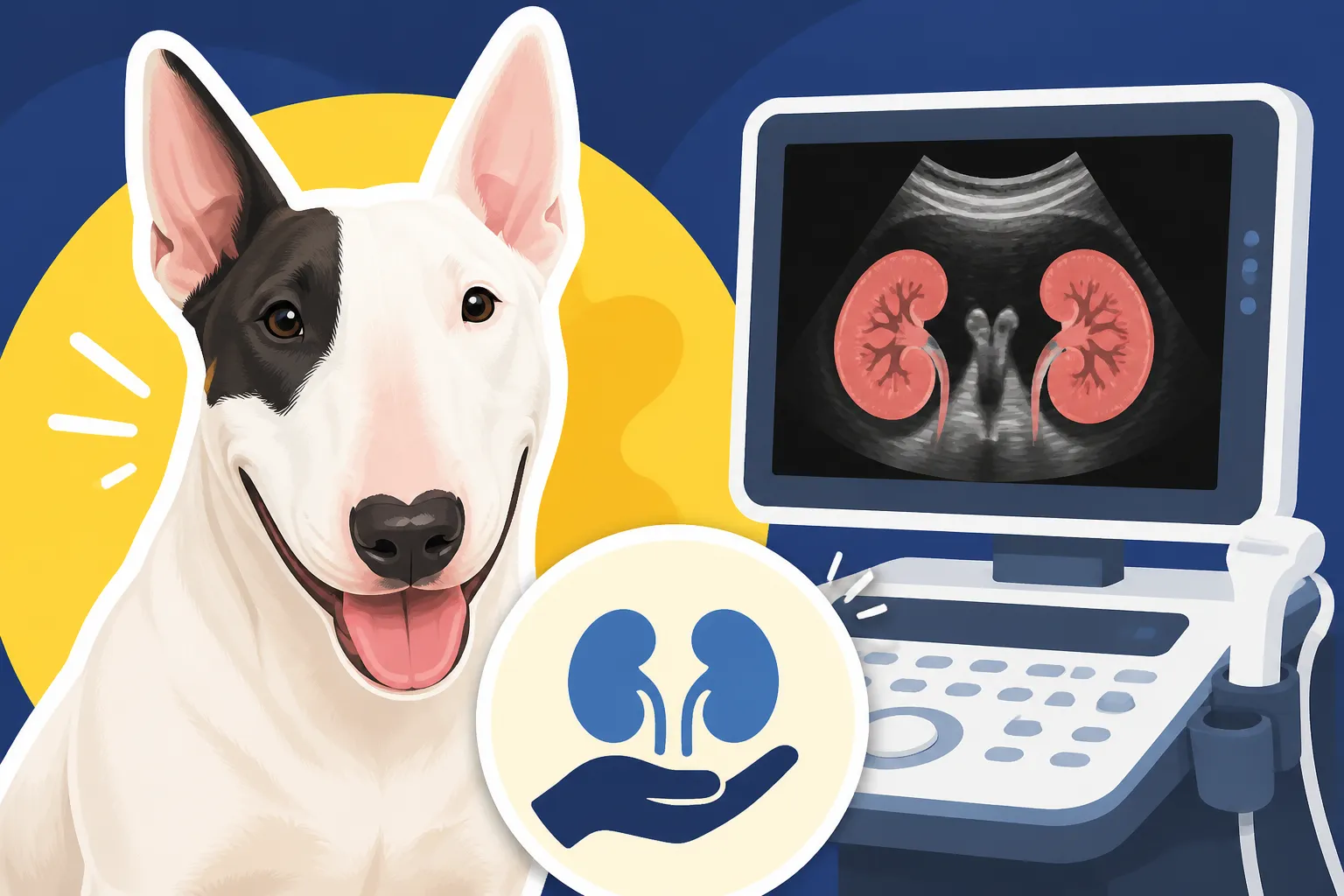
Your Bull Terrier will then be gently positioned on their back, often in a soft V-trough to keep them comfortable and still. The veterinarian or trained ultrasound technician will systematically move the transducer (the handheld probe) across your Bull Terrier's abdomen, focusing on the kidney area. They'll be looking at the size, shape, and structure of both kidneys, checking for any abnormalities like cysts, stones, tumors, or changes in the internal tissue. The procedure itself is painless; the dog only feels the pressure of the probe and the cool gel. It usually takes anywhere from 20 to 60 minutes, depending on the cooperation of the dog and the complexity of the findings.
Post-Procedure Care and Results
If your Bull Terrier received sedation, they will be monitored closely as they recover. The recovery time will vary depending on the type and amount of sedative used, but generally, dogs are a bit groggy and wobbly for several hours. You'll receive instructions for at-home care, which might include keeping them warm, offering small amounts of water and bland food, and restricting strenuous activity. If no sedation was used, your Bull Terrier can usually go home right away with no special care instructions beyond possibly cleaning off residual gel.
Interpreting the ultrasound images requires skill and experience. Sometimes, your general practice vet can interpret the images on the spot. Other times, especially if the images are complex or if they were taken by a technician, they might be sent to a board-certified veterinary radiologist for a definitive report. This can mean a waiting period, sometimes a few hours, sometimes a day or two. Your vet will then contact you to discuss the findings, explain what they mean for your Bull Terrier's health, and outline the next steps, which could involve medication, dietary changes, or further diagnostics. It's crucial to ask any questions you have during this consultation; your vet should be able to clarify everything and help you formulate a plan for your Bull Terrier's ongoing care.
Budgeting for Kidney Health: Beyond the Initial Scan
An ultrasound, while a crucial diagnostic tool, is often just the beginning of a journey when it comes to managing kidney health in Bull Terriers. It provides a snapshot of what’s happening internally, but the real cost often lies in the long-term management and care that follows a diagnosis.
The Broader Picture of Kidney Disease Management
If the ultrasound confirms a kidney condition, whether it’s Hereditary Nephritis, polycystic kidneys, or another issue, the conversation will shift to long-term management. This isn’t a one-and-done scenario. Kidney disease, particularly chronic kidney disease, often requires ongoing commitment to diet, medication, and regular monitoring. Your Bull Terrier might need a prescription renal diet, which can be significantly more expensive than regular kibble. Brands like Chewy and Ollie offer a range of specialized diets, and while convenient, the cost commitment is notable. Think about What a Renal Diet Costs a Bull Terrier Owner over months and years – it adds up.
Beyond diet, medications might be prescribed to manage symptoms, control blood pressure, reduce protein loss, or support kidney function. These medications are often needed for the rest of your Bull Terrier’s life. Regular blood tests and urine tests will become a routine part of their healthcare, often every few months, to track kidney function and adjust treatment as needed. In advanced cases, fluid therapy might be required, either at home or in the clinic, further adding to the financial burden. The goal of all this management is to slow the progression of the disease and maintain your Bull Terrier’s quality of life for as long as possible. Understanding the scope of What Hereditary Nephritis Does to a Bull Terrier highlights the necessity of this sustained care.
Pet Insurance and Financial Planning
This is where pet insurance can truly be a lifesaver, but with a significant caveat: it generally won't cover pre-existing conditions. This means if your Bull Terrier already has symptoms or a diagnosis of kidney disease before you enroll them, that specific condition will likely be excluded from coverage. This is why many experienced Bull Terrier owners will tell you that insuring your puppy as early as possible, before any health issues emerge, is one of the best financial decisions you can make. Providers like Healthy Paws offer comprehensive plans that can cover diagnostics, treatments, and medications for unexpected illnesses and accidents.
Without insurance, the costs of managing chronic kidney disease can quickly become overwhelming. An emergency fund specifically for your Bull Terrier’s healthcare is another excellent strategy. Setting aside a certain amount each month, even a small one, can create a buffer for unexpected veterinary bills. Discussing Whether Insurance Covers Bull Terrier Kidney Disease with various providers before a diagnosis can help you choose the best plan for your furry family member. It’s not just about covering the ultrasound; it’s about having peace of mind for the potential long haul.
Making Informed Decisions and Seeking Second Opinions
Facing a diagnosis of kidney disease in your Bull Terrier can feel daunting, both emotionally and financially. It’s absolutely okay to ask your veterinarian for a detailed breakdown of all recommended treatments, including cost estimates for each step. Don't hesitate to ask about alternative treatment plans or management strategies that might fit your budget better while still prioritizing your dog's health. You are an advocate for your Bull Terrier, and making informed decisions is part of that role.
In some cases, especially with complex or ambiguous ultrasound findings, your veterinarian might even recommend a referral to a veterinary internal medicine specialist or a board-certified radiologist for a second opinion or more advanced diagnostics. While this adds another layer of cost, the peace of mind and clarity that comes from expert evaluation can be invaluable. It ensures you have the most accurate diagnosis and the most appropriate treatment plan for your Bull Terrier. Remember, How Often a Bull Terrier Needs a Wellness Exam is key to catching issues early, but once a problem is identified, a thorough and well-considered approach is vital. It’s always your right to fully understand the situation and explore all reasonable options.
Reducing Stress and Maximizing Comfort for Your Bull Terrier
A vet visit can be stressful for any dog, and an ultrasound appointment, especially if it involves sedation or extensive handling, can be even more so for our sensitive Bull Terriers. Minimizing that stress is not only kind but can also help ensure a smoother procedure and better diagnostic results.
Acclimatizing Your Dog to Handling
One of the best long-term strategies you can employ is to regularly practice positive, gentle handling with your Bull Terrier at home. Get them used to having their belly touched, their paws handled, and their ears examined. Make it a fun, rewarding experience with treats and praise. This isn't just for vet visits; it's good general practice for grooming and health checks. If your Bull Terrier is comfortable being on their back for short periods while you rub their tummy, it can make the positioning for an ultrasound much less upsetting for them.
When at the vet, allow your Bull Terrier to explore the exam room briefly if it's safe to do so. Speak to them in a calm, reassuring voice. If they have a favorite blanket or toy that can be brought into the exam room (check with the clinic first!), it can provide a familiar scent and comfort. Many clinics are becoming more "fear-free" oriented, using techniques to reduce stress, but your consistent positive reinforcement at home builds a strong foundation. Even if it's just practicing a "down-stay" command on their side or back, these small steps contribute to a dog who is more resilient in unfamiliar situations.
Supporting Their Emotional Well-being
On the day of the ultrasound, especially if sedation is anticipated, your Bull Terrier might be a little nervous. Your calm demeanor is incredibly important. Dogs are acutely sensitive to our emotions, and if you're stressed, they will be too. Try to speak in a low, soothing voice and avoid excessive baby talk or frantic reassurances, which can sometimes heighten their anxiety. Once the procedure is done and your Bull Terrier is recovering (especially from sedation), providing a quiet, comfortable space at home is paramount.
Offer them their favorite bed in a peaceful room, and ensure they have easy access to water. Small, frequent offerings of their favorite, easily digestible treats can also help bring them comfort and rebuild positive associations. Brands like Chewy offer a fantastic selection of calming chews and puzzle toys that can be great distractions during recovery, helping to shift their focus from any residual grogginess or discomfort. Similarly, Ollie might offer comforting, soft food options that are gentle on a recovering stomach and appealing to a dog that might be off-kilter from sedation. Remember, their emotional comfort is just as important as their physical recovery, and a little extra pampering goes a long way. This holistic approach is part of Caring for a Bull Terrier Past Eight, where comfort and understanding become even more critical for older dogs.
Disclaimer
This article is for general informational purposes only and does not constitute professional advice. Laws, prices and regulations vary by location and change over time. Consult a qualified professional for guidance on your specific situation.