Deafness in an Aging Bull Terrier
It’s a heart-wrenching moment when you realize your beloved Bull Terrier, once so attuned to every crinkle of a treat bag or the sound of your car pulling up, just isn't hearing you anymore. Seeing an aging friend start to lose their hearing can be incredibly disorienting for both of you, leaving you wondering how to communicate and keep them safe. This guide will walk you through understanding age-related deafness in your senior Bull Terrier, how to adapt your home and routines, and ensure they continue to live a happy, secure life.
Spotting the Subtle Signs of Hearing Loss in Your Senior Bull Terrier
One of the most frustrating things about age-related deafness is how slowly and subtly it can creep in. You might initially dismiss certain behaviors as your Bull Terrier being stubborn, tired, or just "getting old," when in reality, they simply didn't hear you. Their world is literally becoming quieter, and it takes keen observation to notice the shift.
How Age-Related Deafness Differs from Congenital Deafness
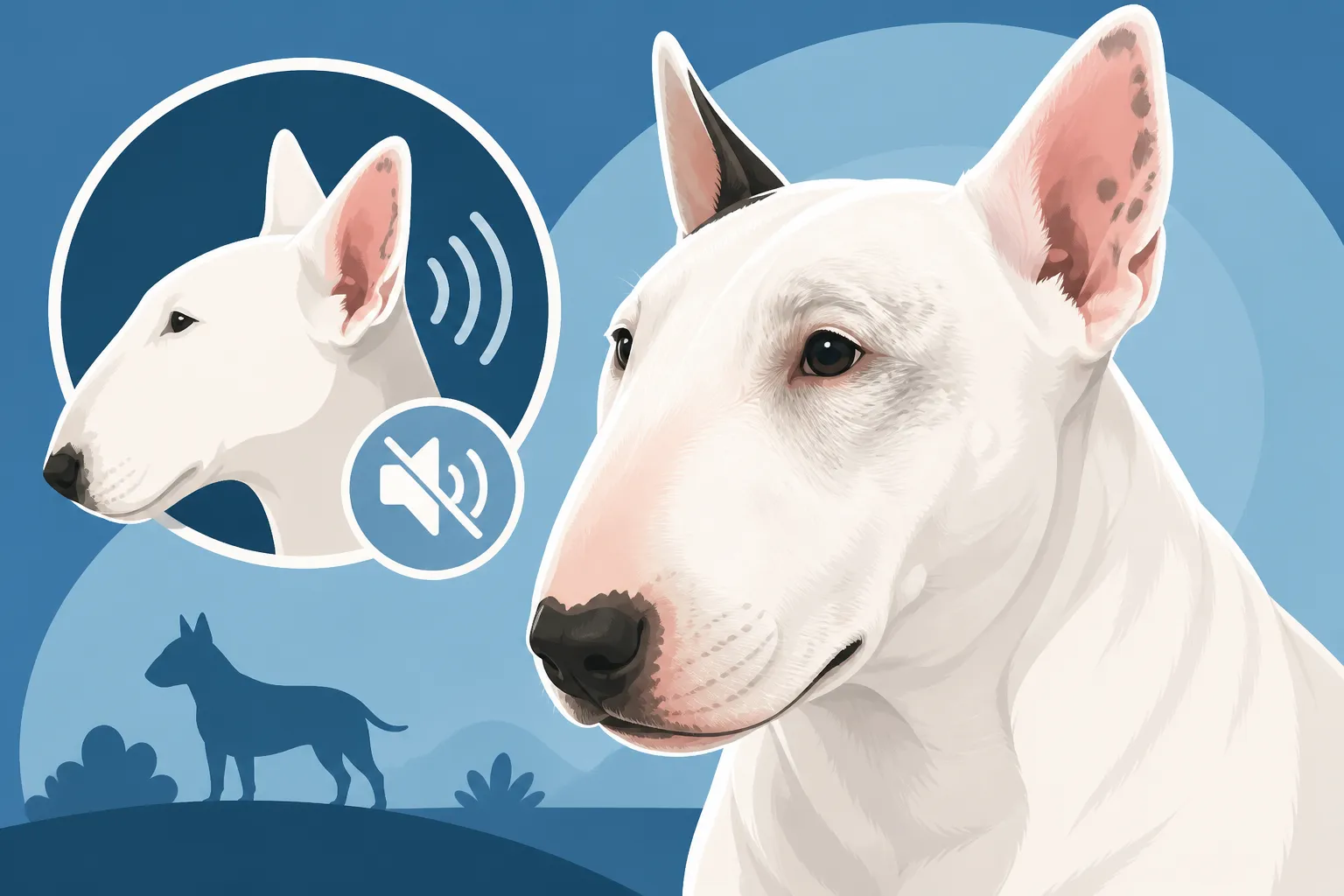
It's important to differentiate between age-related deafness, also known as presbycusis, and the congenital deafness that some Bull Terriers are born with, particularly white ones. Congenital deafness is present from birth or very early puppyhood and is usually a result of genetic factors affecting the inner ear's development. If you adopted a white Bull Terrier, you likely had them BAER tested as a puppy to confirm their hearing status. If a Bull Terrier is born unilaterally deaf, meaning deaf in one ear, they often live a completely normal life, their hearing ear compensating wonderfully. If they are born bilaterally deaf, meaning deaf in both ears, their owners learn to communicate with them using hand signals from day one.
Age-related deafness, however, is a progressive condition. It doesn't happen overnight, but rather over months or even years. This means your dog has spent their entire life hearing, and now their world is slowly fading to silence. This transition can be much more confusing and stressful for them than for a dog who has never known sound. The mechanisms are different too; congenital deafness is often a developmental issue with the cochlea, while presbycusis involves the degeneration of nerve cells in the inner ear and auditory pathways in the brain, much like hearing loss in aging humans.
Early Indicators You Might Miss
Initially, you might notice your senior Bull Terrier doesn't respond to their name when their back is turned, or they sleep through noises that used to startle them awake, like the doorbell or a dropped pan. Maybe they seem less enthusiastic about walks because they don't hear you reaching for the leash. They might ignore commands they once knew perfectly, leading you to think they're being defiant. Instead of a direct "come," you might find yourself having to clap loudly or stamp your foot to get their attention. You might also notice they start barking more or less. Some dogs bark more out of anxiety because they can't hear what's going on around them, while others bark less because they can no longer hear their own voice or other dogs.
Another subtle sign is a change in their greetings. A Bull Terrier who used to greet you at the door with a full-body wiggle and happy grunts might now be startled when you walk into a room if they didn't hear you approach. They might even become a little jumpy or snappier if surprised. This isn't aggression; it's a natural fear response to unexpected physical contact when their auditory warning system is compromised. Pay close attention to these small shifts, as they are often the earliest clues. You might find yourself having to physically touch them to get their attention, rather than just calling their name.
Confirming Your Suspicions and Getting a Diagnosis
If you suspect your senior Bull Terrier is losing their hearing, the first step is a veterinary check-up. Your vet will rule out other causes of hearing loss that might be treatable, such as ear infections, excessive wax buildup, foreign objects in the ear canal, or even certain medications. A thorough otoscopic exam will be performed to look deep into the ear. Sometimes, simple cleaning can restore some hearing if wax is the culprit.
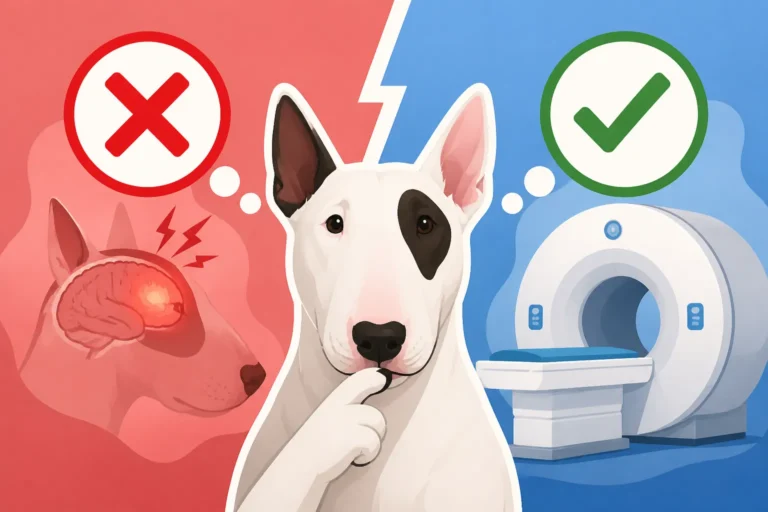
While a BAER test is the definitive diagnostic tool for deafness, it's often more complex and costly for a routine check-up on a senior dog, requiring sedation in some cases. For age-related hearing loss, your vet will likely rely on your observations and their physical examination. They might perform simple tests, like making a noise behind your dog's head (e.g., clapping, jingling keys) to see if there's a response, though this isn't as accurate as a BAER test. It's more about ruling out other issues and confirming your suspicions so you can move forward with management strategies. Don't be discouraged if the vet confirms your fears; this is simply the next stage of caring for your senior companion.
The Underlying Reasons for Hearing Decline in Older Bull Terriers
Age is a funny thing; it brings wisdom and experience, but often takes a little bit of physical prowess with it. Just like humans, dogs experience a gradual decline in sensory functions as they get older. Understanding why this happens can help you empathize with your Bull Terrier and provide the best possible support.
The Natural Aging Process and Canine Hearing
The most common reason for deafness in older dogs is simply the natural aging process, or presbycusis. Over time, the delicate structures within the inner ear, particularly the hair cells that detect sound vibrations, can deteriorate. The auditory nerve, which transmits these signals to the brain, can also undergo degenerative changes. This process is usually irreversible and progressive, meaning it will likely worsen over time. It's not a sudden event but a slow fading of sound, often starting with higher frequencies and gradually encompassing all pitches. Your Bull Terrier might still hear loud, low-frequency noises long after they've stopped responding to your normal speaking voice or higher-pitched sounds like whistles.
This gradual loss means your dog has to work harder to process auditory information, and eventually, some sounds just won't register at all. It can be incredibly frustrating for them, as they may feel disconnected from their environment and their human family. Think about how confusing it would be if the world slowly went silent around you; that's what your Bull Terrier is experiencing.
Other Health Conditions That Can Affect Hearing
While age is the primary factor, other health issues can contribute to or accelerate hearing loss in senior Bull Terriers. Chronic ear infections, if left untreated or recurring frequently throughout their life, can cause permanent damage to the ear canal and eardrum. Certain medications, known as ototoxic drugs, can also damage the ear, though these are typically prescribed with caution and for short periods. Trauma to the head can also impact hearing, though this is less common for gradual, age-related decline.
Systemic diseases might also play a role. For instance, hypothyroidism, a common condition in older dogs, can sometimes be associated with hearing loss, although this is rare and not usually the primary symptom. Neurological conditions affecting the brain's auditory processing centers could also contribute. This is why a comprehensive wellness exam is so important for Caring for a Bull Terrier Past Eight. It allows your vet to assess all aspects of your senior Bull Terrier's health and identify any contributing factors that might be managed or treated, potentially slowing the progression or improving their comfort. Having pet insurance, like a plan from Healthy Paws, can provide significant peace of mind when facing multiple age-related health concerns, including diagnostic tests and ongoing treatments.
The Role of Genetics (Beyond Puppyhood Deafness)
While congenital deafness in Bull Terriers, particularly white ones, is well-documented and linked to specific genes, age-related deafness isn't typically tied to a single, simple genetic marker in the same way. However, just like with many age-related conditions, there can be a genetic predisposition to how quickly and severely an individual dog experiences hearing loss. Some Bull Terrier lines might be more prone to earlier or more profound presbycusis than others, simply due to their overall genetic makeup influencing their longevity and resilience of their sensory organs.
It’s less about a "deafness gene" expressing itself in old age and more about the inherited "quality" or robustness of the auditory system over a lifetime. You wouldn't typically screen a young Bull Terrier for future age-related deafness, as it's a multifactorial process. The focus on genetics in Bull Terriers primarily remains on preventing congenital deafness through proper breeding practices, such as BAER testing all breeding stock, especially those that carry the white gene. For the aging Bull Terrier, understanding this means accepting that sometimes, despite the best care, their ears will simply age as their bodies do.
Adapting Your Life and Home for a Deaf Senior Bull Terrier
Discovering your Bull Terrier is going deaf can feel overwhelming, but it's not the end of your shared adventures. It's merely a new chapter that requires a little creativity and a lot of patience. Your Bull Terrier still loves you just as much, and with some adjustments, you can ensure they remain happy and engaged.
Safe Communication Strategies
Communication is key, and with a deaf Bull Terrier, it shifts from verbal cues to visual and tactile ones.
- Hand Signals: If you haven't already, now is the time to teach or reinforce hand signals for basic commands like "sit," "stay," "come," and "down." Bull Terriers are smart, and they'll pick up on visual cues quickly, especially if treats are involved! Keep signals clear and consistent. For instance, a flat palm for "stay," a downward sweep for "down."
- Touch Cues: A gentle tap on the shoulder can mean "look at me," while a series of light taps on their back could mean "come." Be careful not to startle them. Always approach them from the front or side where they can see you coming, or gently tap the floor near them to create a vibration they might feel.
- Visual Aids: Consider using a vibrating collar (not a shock collar!) as a "tap" to get their attention, especially in larger spaces. When it vibrates, they learn to look at you for the next command. This can be a lifesaver for recall in a fenced yard. A flashlight can also be used to get their attention at night.
- Patience and Exaggeration: You might feel silly at first, but exaggerate your facial expressions and body language. Your Bull Terrier will rely more on reading your mood and intentions visually. They are incredibly observant creatures, and their triangular eyes will be fixed on you more than ever.
It's also worth noting that How a Bull Terrier Hides Pain is a common trait, and reduced interaction might be mistaken for pain when it's just a communication barrier.
Navigating Daily Life: Home Adjustments and Safety
Your Bull Terrier's safety becomes paramount when they can no longer hear.
- Secure Yard: A securely fenced yard is non-negotiable. Without hearing, your Bull Terrier cannot hear cars, other animals, or your calls if they wander. Never let a deaf Bull Terrier off-leash in an unfenced area. Consider double gates or secure latches.
- Leash Walking: Keep them on a leash in public. A long line in a safe, open park might allow for more freedom, but always stay vigilant. A reflective vest or harness, especially at night, can make them more visible to others.
- Waking Them Gently: Always approach your sleeping Bull Terrier gently and from a direction where they can see you. If you need to wake them, a gentle touch on their back or hip is usually best, rather than startling them awake. Avoid waking them from deep sleep suddenly, as it can lead to a snap reaction due to fright.
- Visual Alerts: If you have a doorbell, consider installing a light that flashes when it rings, so you're aware someone is at the door, even if your Bull Terrier isn't. Some owners even use baby monitors with video to keep an eye on their deaf dog when they're in another room.
- Routines are Gold: Bull Terriers thrive on routine, and a deaf senior Bull Terrier will appreciate it even more. Predictable mealtimes, walk times, and play sessions reduce anxiety and help them feel secure in their silent world.
Enrichment and Maintaining Their Quality of Life
Deafness doesn't mean your Bull Terrier can't enjoy life. Their other senses become heightened, offering new avenues for fun and stimulation.
- Scent Work: Bull Terriers have incredible noses. Engage them with scent games, like hiding treats around the house or in puzzle toys. This is fantastic mental stimulation and builds their confidence. You can also get snuffle mats or slow feeders to make mealtime an enriching experience.
- Visual Toys: Toys with interesting shapes, textures, or even lights can be captivating. A flirt pole, which uses a visual lure, can be a great way to engage them in play.
- Physical Contact: Increase physical affection. More gentle petting, cuddles, and massages will help them feel connected and loved. Lean into their characteristic leaning and body slams as signs of affection and connection.
- Consistent Training: Even though they're older and deaf, continued short, positive training sessions using hand signals will keep their minds sharp and reinforce your bond. Consider fun tricks that rely on visual cues.
- Socialization: While dog parks might be riskier for a deaf dog (as they can't hear warning barks or approaching dogs), one-on-one playdates with trusted, calm dogs can still be beneficial. Always supervise closely. Whether a Deaf Bull Terrier Should Be Placed in a Home depends heavily on the commitment of the owner to provide such a safe and enriching environment.
Comprehensive Care for Your Aging Bull Terrier Beyond Hearing Loss
Deafness is just one piece of the puzzle when caring for a senior Bull Terrier. As they age, their entire body undergoes changes, and a holistic approach to their health is essential.
Regular Veterinary Check-ups Are Key
Consistent veterinary care becomes even more critical for senior dogs. For The Ten to Fourteen Years a Bull Terrier Gets, annual or even semi-annual vet visits are recommended to catch potential issues early. These check-ups allow your vet to monitor for other common age-related conditions, many of which can compound the challenges of deafness.
- Kidney Health: Bull Terriers are prone to kidney issues like hereditary nephritis. The Yearly Kidney Screen a Bull Terrier Needs for Life is crucial, as early detection and management can significantly extend their lifespan and quality of life. How Often an Aging Bull Terrier's Kidneys Should Be Checked might increase as they get older.
- Cardiac Health: Many older dogs develop heart conditions. Your vet will listen for murmurs and may recommend an echocardiogram, especially if your Bull Terrier has a history of heart issues. What a Bull Terrier's Heart Workup Costs can be substantial, another area where pet insurance from a provider like Healthy Paws can be invaluable.
- Arthritis and Mobility: Joint pain and stiffness are common in older dogs. Your vet can recommend supplements, medications, or therapies to keep your Bull Terrier comfortable and mobile. Maintaining mobility is particularly important for deaf dogs, as it allows them to explore their world visually and tactilely.
- Dental Health: Dental disease is pervasive in older dogs and can lead to systemic health problems. Regular dental cleanings under anesthesia, monitored closely due to age, are often necessary.
These regular appointments are also your opportunity to discuss any behavioral changes, not just those related to hearing. Your vet can help you distinguish between normal aging, a response to deafness, or signs of other underlying issues.
Managing Other Age-Related Changes
Deafness doesn't occur in a vacuum; it often accompanies other shifts in an aging Bull Terrier's body and mind. What Changes in an Aging Bull Terrier can be extensive.
- Vision Loss: Many senior dogs also experience some degree of vision loss, which can range from cataracts to progressive retinal atrophy. If your Bull Terrier is both deaf and losing their sight, their world becomes incredibly challenging. Maintain consistent furniture placement, use scent markers, and always move slowly and deliberately around them.
- Cognitive Decline: Canine Cognitive Dysfunction (CCD), similar to Alzheimer's in humans, can affect older dogs. Signs include disorientation, changes in sleep-wake cycles, house-soiling, and altered social interactions. Deafness can sometimes exacerbate signs of CCD, as the dog is already disoriented by their lack of hearing. Your vet might suggest dietary changes or medications to help manage CCD.
- Changes in Sleep Patterns: Senior dogs, especially those with hearing loss, might sleep more deeply or become disoriented when they wake up. Create a comfortable, quiet sleeping area for them, away from foot traffic, but still easily accessible.
- Weight Management: It can be harder to keep an aging Bull Terrier lean. Getting Weight Off a Bull Terrier is important, as excess weight puts strain on joints and organs. Discuss appropriate senior diets with your vet.
It's a lot to take on, but remember, your Bull Terrier has given you years of unconditional love and laughter. This is their time to lean on you for support.
The Emotional Toll and How to Cope
It's okay to feel sad or frustrated when your Bull Terrier goes deaf. You might grieve the loss of how things used to be, the spontaneous chats, or the way they'd perk up at your voice. This is a normal part of the process.
- Be Patient and Kind: Your Bull Terrier isn't ignoring you; they literally cannot hear you. Frustration on your part will only confuse and stress them. A calm, patient demeanor is crucial.
- Find New Ways to Connect: Instead of focusing on what's lost, celebrate the new ways you can connect. The increased physical touch, the shared silent moments, the joy when they finally understand a new hand signal – these moments are precious.
- Seek Support: Connect with other owners of deaf or senior dogs. Online forums and local groups can offer valuable advice, emotional support, and practical tips. Knowing you're not alone in this journey can make a huge difference.
- Focus on Their Well-being: Your Bull Terrier’s happiness and comfort should be your top priority. By adapting your communication, ensuring their safety, and staying on top of their overall health, you can continue to provide a high quality of life for your cherished senior companion.
Your Bull Terrier's silent world might seem daunting, but with love, patience, and a little ingenuity, you can continue to share a deep and meaningful bond for the rest of their happy, well-cared-for days.
Disclaimer
This article is for general informational purposes only and does not constitute professional advice. Laws, prices and regulations vary by location and change over time. Consult a qualified professional for guidance on your specific situation.