Whether a Bull Terrier Can Reach Sixteen
The joy of sharing your life with a Bull Terrier is immense, and it’s completely natural to hope for as many years as possible with your beloved companion. Many of us dream of our dogs living to a ripe old age, well into their double digits, but the reality of canine lifespans can sometimes be a tough pill to swallow. This comprehensive guide will explore the typical longevity of Bull Terriers, what factors play a role in how long they live, and whether reaching the impressive age of sixteen is truly within the realm of possibility for this distinctive breed.
Understanding the Average Bull Terrier Lifespan
When you bring a Bull Terrier into your home, you're signing up for a journey that, on average, spans a good chunk of years. It’s not uncommon to hear about various breeds having widely different lifespans, and the Bull Terrier is no exception. While we all wish for an eternity with our loyal friends, understanding the average can help us prepare and provide the best care.
The Typical Range for Bull Terriers
Generally speaking, a Bull Terrier can be expected to live anywhere from The Ten to Fourteen Years a Bull Terrier Gets. This is a pretty solid lifespan for a medium-to-large breed dog, offering many wonderful years of companionship, laughter, and that unique Bull Terrier charm. Within this range, some will, unfortunately, fall on the lower end due to unforeseen circumstances or health complications that surface early. Others, however, might sail past the middle mark, staying healthy and spry well into their senior years, perhaps hitting the thirteen or fourteen-year milestone with grace.
It's important to recognize that this is an average, not a guarantee. Just like in human families, there's a spectrum. Factors like genetics, the quality of care they receive throughout their lives, their diet, and their activity levels all play significant roles in where an individual Bull Terrier lands on this spectrum. A Bull Terrier living to ten years old is considered to have lived a full life, while one reaching fourteen is certainly an elder statesdog deserving of all the admiration.
Factors that Influence Lifespan
So, what exactly pushes a Bull Terrier towards the higher or lower end of that typical range? It's a complex interplay of several factors, many of which you, as an owner, can influence positively.
First and foremost are genetics. A Bull Terrier born from a line with a history of long-lived, healthy ancestors who have undergone proper health testing, such as those recommended by the Bull Terrier Club, often has a head start. Responsible breeders prioritize health and temperament, aiming to produce puppies that are free from inheritable diseases. This means screening for conditions like Hereditary Nephritis Takes Bull Terriers in Their Prime and checking for The Heart Murmur a Bull Terrier Puppy Should Be Checked For. While genetics aren't everything, they certainly lay a foundational blueprint for your dog's potential health.
Beyond genetics, the day-to-day care you provide is paramount. This includes a high-quality, balanced diet tailored to their age and activity level. Overfeeding, for instance, leading to obesity, can significantly shorten a dog's life by increasing the risk of joint problems, heart disease, and diabetes. Regular, appropriate exercise, matching their energy needs without overdoing it, keeps their body strong and their mind engaged. Mental stimulation is just as crucial as physical activity for their overall well-being. A Bull Terrier that is constantly engaged and happy is often a healthier one.
Environmental factors, such as exposure to toxins, secondhand smoke, or chronic stress, can also subtly chip away at their longevity. Even things like access to preventative veterinary care from a young age, including vaccinations, parasite control, and regular check-ups, contribute significantly. Early detection of potential issues, perhaps through The Yearly Urine Test Every Bull Terrier Owner Should Book for kidney health, can make all the difference in managing conditions before they become critical.
Can a Bull Terrier Truly Reach Sixteen?
The idea of a Bull Terrier living to a grand old age of sixteen is certainly inspiring, conjuring images of a wise, grey-muzzled companion still enjoying life. While statistically less common than hitting the twelve or thirteen-year mark, it’s not an impossible dream.
The Rarity of Extreme Longevity
Reaching sixteen years old for a Bull Terrier is definitely an exception rather than the rule. It's a milestone that speaks to a perfect storm of excellent genetics, meticulous care, a bit of good fortune, and probably some exceptionally strong love from their human family. Most Bull Terriers will not reach this age, and that's okay. It doesn't mean they haven't lived full, happy lives.
When you hear stories of dogs living far beyond their breed's average, it's often a combination of factors aligning perfectly. These are the dogs whose bodies seem to defy the typical wear and tear of aging, whose immune systems remain robust, and who perhaps avoid the more common ailments that can afflict their breed. It's a testament to the potential resilience of the Bull Terrier, but it's important to manage expectations – sixteen is equivalent to a human living well over a hundred, which is extraordinary.
What Sets Long-Lived Bull Terriers Apart
So, what makes a Bull Terrier capable of reaching such a venerable age? It's typically a blend of inherited good health and a lifetime of dedicated, proactive care.
Firstly, impeccable genetics play a huge role. If a Bull Terrier comes from a line where ancestors consistently lived to the older end of the spectrum, with clear health screenings for major inheritable conditions, they simply have a better genetic lottery ticket. This means breeders who meticulously screen their dogs for conditions like Hereditary Nephritis, cardiac issues, and even Lethal Acrodermatitis Kills a Bull Terrier Puppy Before It Grows Up are giving their puppies the best possible start. Which Health Tests a Bull Terrier Breeder Should Run is a critical resource for anyone considering a puppy, as a foundation of genetic health is invaluable.
Secondly, rigorous preventative veterinary care from puppyhood through their senior years is non-negotiable. This involves more than just annual shots; it means regular physical exams, bloodwork, and specialized screenings as they age. For example, diligently monitoring kidney health through routine urine protein:creatinine (UPC) tests, and addressing any changes promptly, can make a significant difference in delaying the progression of kidney disease. Having comprehensive pet insurance, perhaps from a provider like Healthy Paws, can be a game-changer when it comes to affording all the diagnostics and treatments needed to keep a senior Bull Terrier healthy. These costs can add up, and knowing you have support can help you make the best decisions for your dog.
Finally, an owner who is deeply attuned to their dog’s needs, observing subtle changes in behavior or appetite, and acting on them quickly, can catch issues before they become severe. This includes providing a consistent, high-quality diet, maintaining an ideal body weight, ensuring regular, appropriate exercise that adapts as they age, and providing plenty of mental stimulation to keep their minds sharp. Caring for a Bull Terrier Past Eight requires a heightened level of attentiveness, often involving more frequent vet visits and adjustments to their daily routine.
Common Health Challenges That Impact Longevity
While many Bull Terriers live long and healthy lives, there are certain breed-specific and general health challenges that can potentially impact their longevity. Being aware of these common issues allows owners to be proactive in prevention and early intervention.
Hereditary Conditions
Bull Terriers, like many purebred dogs, are predisposed to certain hereditary conditions that can affect their lifespan. These are not always a death sentence, especially with diligent management, but they can certainly present significant challenges.
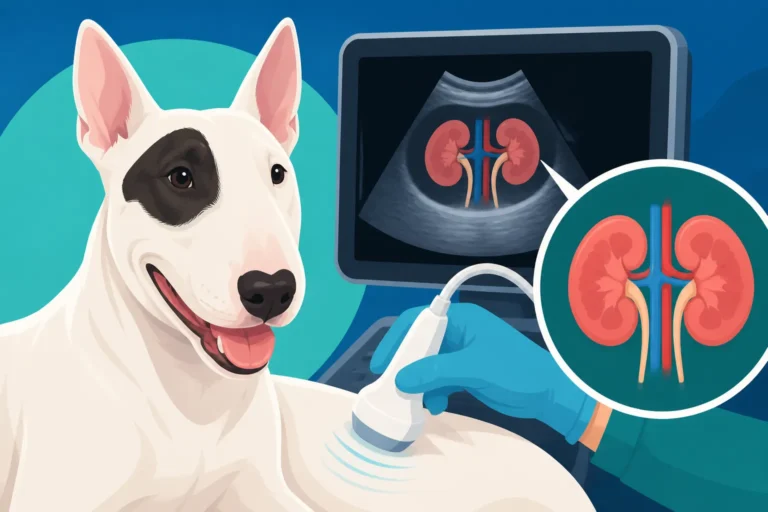
One of the most concerning is Hereditary Nephritis (HN), a genetic kidney disease. This condition can cause kidney failure at a relatively young age, often taking Bull Terriers in their prime. Early detection through regular urine testing (UPC) and sometimes kidney ultrasounds is vital. While there's no cure, dietary management and medications can help slow the progression. Knowing the signs, such as changes in thirst or urination patterns, as discussed in Signs a Bull Terrier's Kidneys Are Failing, can be life-saving.
Heart conditions are another area of concern. Mitral valve dysplasia (MVD) and aortic stenosis (AS) are congenital heart defects that can range from mild to severe. A puppy with a severe heart murmur might have a significantly shortened lifespan if not managed properly. Regular cardiac evaluations, often including an echocardiogram, are recommended, especially for breeding dogs and puppies.
Deafness, particularly in white Bull Terriers, is another hereditary issue. While unilateral or bilateral deafness doesn't directly shorten a dog's life, it can impact their safety and quality of life, requiring owners to adapt their training and home environment. Why a White Bull Terrier Should Be BAER Tested explains the importance of early testing for this condition.
Acquired Conditions
Beyond inherited predispositions, Bull Terriers can also face acquired health issues that arise during their lifetime, often due to environmental factors, diet, or simply aging.
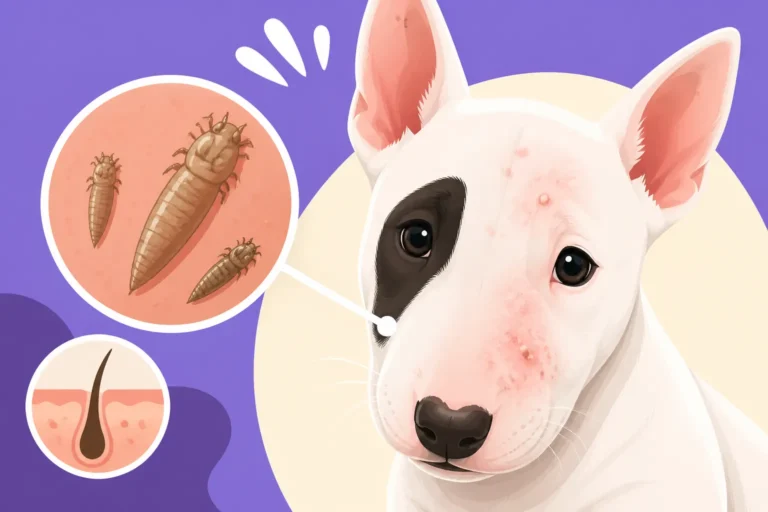
Skin problems are incredibly common in Bull Terriers, who often have sensitive skin. Issues like allergies (environmental or food-related), demodectic mange, and even simple dryness can lead to chronic itching, infections, and discomfort. While not usually life-threatening on their own, severe, untreated skin conditions can significantly reduce a dog's quality of life and, in some cases, lead to more serious systemic infections if not managed. This is why A Bull Terrier's Skin Is Its Weakest Point and requires consistent attention.
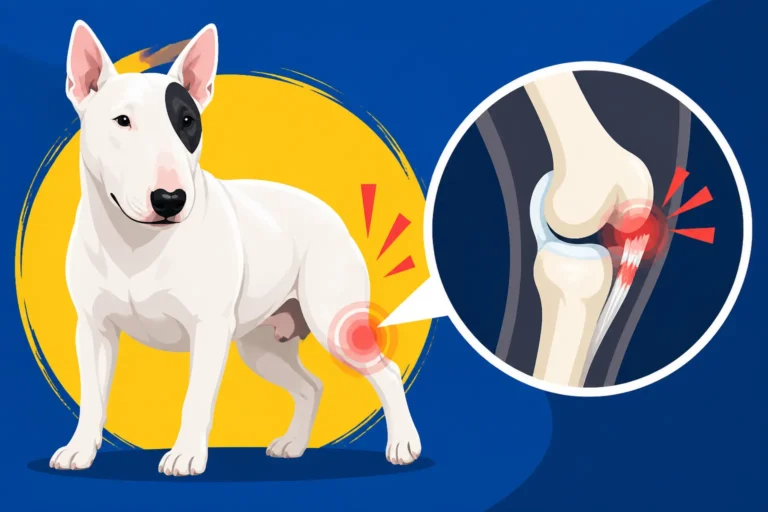
Joint issues, such as patellar luxation or arthritis in older age, can affect mobility and lead to a more sedentary lifestyle, which in turn can contribute to other health problems like obesity. Maintaining a healthy weight and providing joint supplements can help mitigate some of these effects.
Cancer, unfortunately, is a leading cause of death in older dogs of all breeds, and Bull Terriers are no exception. While specific cancer rates can vary, early detection through regular veterinary check-ups and being aware of lumps, bumps, or changes in behavior is crucial.
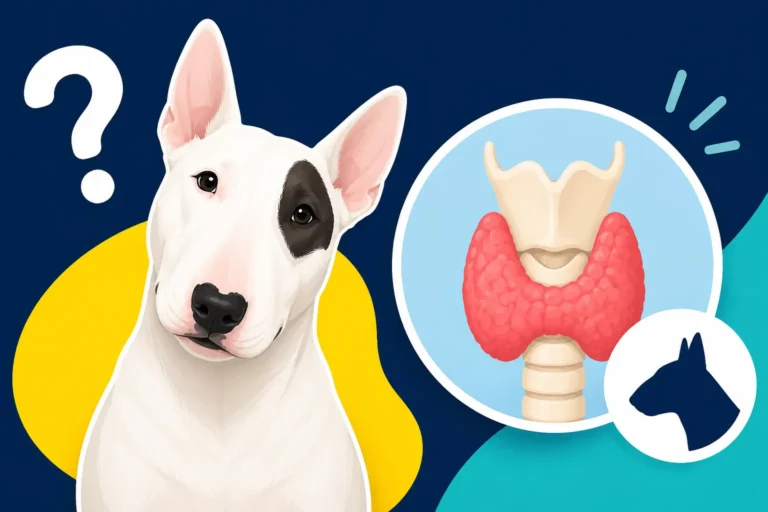
Hypothyroidism, an underactive thyroid gland, can also occur. This condition, if left untreated, can lead to weight gain, lethargy, skin problems, and a dull coat, affecting overall health and vitality. Diagnosis and treatment with thyroid hormone replacement medication can effectively manage the condition, restoring the dog's quality of life. Whether a Bull Terrier Gets Hypothyroidism details this condition.
Below is a table summarizing some common Bull Terrier health concerns and their potential impact on longevity:
| Health Condition | Type | Impact on Longevity | Importance of Early Detection/Management |
|---|---|---|---|
| Hereditary Nephritis | Inherited | Can significantly shorten lifespan; leads to kidney failure. | Crucial for slowing progression and improving quality of life. |
| Mitral Valve Dysplasia | Inherited | Can shorten lifespan, especially severe cases; leads to heart failure. | Essential for managing symptoms and delaying progression. |
| Aortic Stenosis | Inherited | Can cause sudden death; reduces heart efficiency. | Vital for monitoring and potentially restricting activity. |
| Deafness (White BTs) | Inherited | Indirect impact on safety; requires careful management. | Important for training and preventing accidents. |
| Skin Allergies/Infections | Acquired | Reduces quality of life; chronic issues can lead to secondary problems. | Key for comfort and preventing deeper infections. |
| Arthritis/Joint Issues | Acquired | Reduces mobility, can lead to secondary health problems from inactivity. | Important for pain management and maintaining activity. |
| Cancer | Acquired | Leading cause of death in older dogs. | Crucial for early treatment and extended prognosis. |
| Hypothyroidism | Acquired | Reduces quality of life; manageable with medication. | Important for overall health, energy, and coat condition. |
Strategies for Maximizing Your Bull Terrier's Lifespan
While some factors like genetics are beyond our direct control once a puppy is chosen, there are many proactive steps you can take to give your Bull Terrier the best possible chance at a long, healthy, and happy life.
The Importance of Proactive Veterinary Care
This cannot be stressed enough: regular and proactive veterinary care is the cornerstone of a long life. It starts from the moment you bring your puppy home and continues diligently through their senior years.
Annual (or even bi-annual for seniors) wellness exams are not just about vaccinations; they are an opportunity for your vet to perform a thorough physical assessment, discuss any subtle changes you've noticed, and run routine diagnostic tests. These tests often include bloodwork and urinalysis. For Bull Terriers, specifically, ensuring that regular UPC screenings for kidney disease are part of the routine is critical, especially as they get older. If abnormalities are detected, addressing them early can make a monumental difference in prognosis and management.
Don't hesitate to seek specialist care when recommended. If your Bull Terrier develops a heart murmur, a veterinary cardiologist can provide detailed diagnostics and a tailored management plan. Similarly, a dermatologist for chronic skin issues, or an internal medicine specialist for complex conditions, can offer expertise that greatly benefits your dog's long-term health. These specialist visits, while an investment, can truly extend and improve the quality of your Bull Terrier’s life. Having a robust pet insurance policy, such as those offered by Healthy Paws, can make these crucial specialist visits and advanced diagnostics much more accessible, ensuring financial concerns don't stand in the way of optimal care.
Diet, Exercise, and Mental Enrichment
These three pillars are fundamental to overall health and vitality for any dog, but especially for a Bull Terrier with their unique physical and mental needs.
A high-quality, balanced diet is non-negotiable. Choose dog food that is appropriate for their age, size, and activity level. Pay attention to ingredients and avoid common allergens if your dog has sensitivities. Portion control is absolutely essential. Bull Terriers can be prone to weight gain if overfed, and maintaining a lean body condition is one of the most impactful things you can do to prevent joint issues, diabetes, and other weight-related health problems. Remember, it’s not just about what they eat, but how much. Keeping a Bull Terrier Lean When It Carries This Much Muscle is a constant effort.
Exercise needs to be consistent and appropriate. Bull Terriers are energetic dogs, particularly in their younger years, and require daily physical activity. This isn't just a leisurely stroll around the block; it's brisk walks, playtime, and opportunities to run in a secure area. As they age, their exercise needs will naturally decrease, and you'll need to adjust accordingly to prevent overexertion while still keeping them active. Ignoring their physical needs can lead to boredom, destructive behaviors, and a decline in physical health.
Mental enrichment is equally important. Bull Terriers are intelligent and can get bored easily, which can manifest in unwanted behaviors like destruction or even obsessive behaviors like Tail Chasing in a Bull Terrier Is a Medical Problem. Puzzle toys, training sessions, scent work, and varied environments keep their minds stimulated and engaged. A mentally happy dog is often a physically healthier one. Engaging their minds reduces stress and promotes overall well-being. Thinking about What a Bull Terrier Does When It Is Bored can give you ideas for prevention.
Early Detection and Management of Illness
Even with the best preventative care, illnesses can strike. The key to maximizing longevity in these situations is early detection and effective management.
Be vigilant for subtle changes in your Bull Terrier. Are they drinking more water than usual? Is their appetite different? Are they sleeping more, or less? Is there a new lump or bump? Is their skin suddenly itchier? Any shift in their normal behavior, eating habits, energy levels, or physical condition warrants a call to your veterinarian. You know your dog best, and your observations are invaluable to your vet in diagnosing potential issues.
Once an illness is diagnosed, commitment to the treatment plan is essential. This might involve daily medication, a prescription diet, regular follow-up appointments, or lifestyle adjustments. For instance, managing kidney disease will involve a special diet and potentially blood pressure medication. Managing heart disease will involve cardiac medications and careful monitoring of activity. Consistency in following these plans can significantly extend a dog's life and maintain their quality of life, allowing them to enjoy many more happy years with you, even if they're managing a chronic condition. It’s an investment of time, emotion, and often financial resources, but the reward is more precious time with your beloved Bull Terrier.
Disclaimer
This article is for general informational purposes only and does not constitute professional advice. Laws, prices and regulations vary by location and change over time. Consult a qualified professional for guidance on your specific situation.