Dry Eye in a Bull Terrier
There's nothing quite as heart-wrenching as looking into your Bull Terrier's usually bright, expressive eyes and seeing them dull, red, or constantly watery. You might find yourself wiping away crusty discharge, watching them blink excessively, or even seeing them rub their face more than usual. It’s easy to dismiss these signs as just "allergies" or "dust," but if you're battling persistent eye irritation in your Bull Terrier, it's crucial to understand that a common and often painful condition known as dry eye, or keratoconjunctivitis sicca (KCS), could be the culprit. This guide will walk you through what dry eye is, how it's diagnosed, and most importantly, how to manage it so your beloved Bull Terrier can live a comfortable, happy life.
Understanding Dry Eye (KCS) in Bull Terriers
Dry eye in dogs, specifically keratoconjunctivitis sicca (KCS), is much more than just a lack of tears. It's a chronic, often painful, condition where the tear glands either don't produce enough watery tears or the tears produced are of poor quality, leading to insufficient lubrication and protection of the eye. Think about how uncomfortable your eyes feel after staring at a screen for too long or being in a dusty environment; now imagine that feeling, all day, every day, without relief. That's what many dogs with KCS experience.
What Keratoconjunctivitis Sicca Actually Is
Our Bull Terriers, just like us, have a complex tear film that coats the eye, made up of three layers: a watery layer (produced by the lacrimal glands), a mucus layer (from goblet cells in the conjunctiva), and an oily layer (from meibomian glands along the eyelid margins). In KCS, the problem primarily lies with the watery layer. When there isn't enough water, the delicate surface of the cornea and conjunctiva becomes dry, irritated, and inflamed. This isn't just uncomfortable; it leaves the eye vulnerable to damage, infection, and eventually, if left untreated, can lead to permanent vision impairment or blindness.
The eye relies on this tear film for so much more than just moisture. Tears carry oxygen and nutrients to the cornea, wash away debris and irritants, and contain antibacterial components that help fight off infection. Without adequate tears, your Bull Terrier's eyes become a breeding ground for bacteria, leading to recurrent infections, corneal ulcers, and significant discomfort. It's a progressive disease, meaning it tends to get worse over time if not properly managed.
Common Signs Your Bull Terrier Might Have Dry Eye
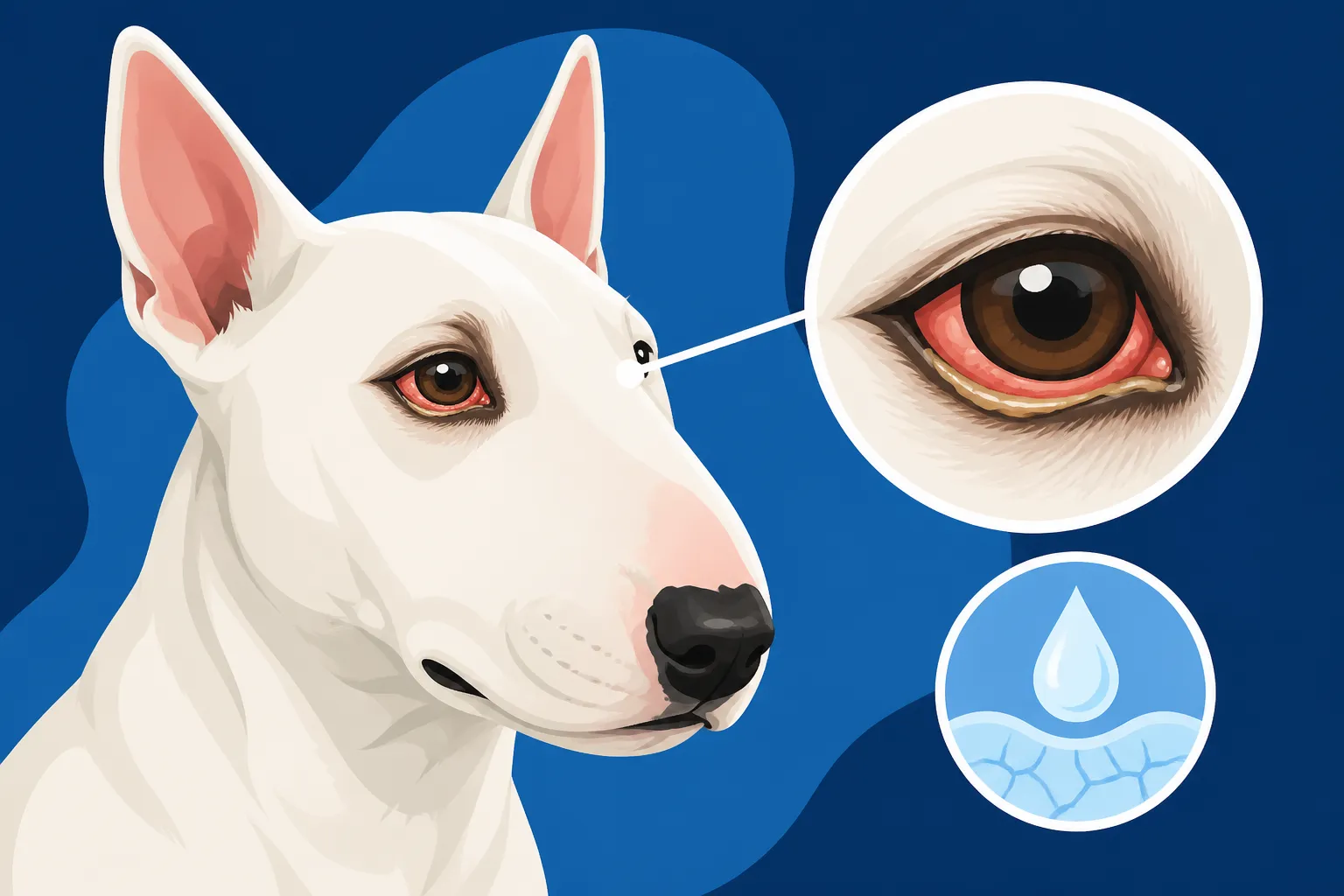
Recognizing the signs of dry eye early can make a huge difference in managing the condition and preserving your Bull Terrier's vision. These symptoms often start subtly and can mimic other eye issues, which is why a proper veterinary diagnosis is so important. You might notice your Bull Terrier squinting or blinking excessively, especially in bright light or after they've been outside. Their eyes might look red and inflamed, particularly the conjunctiva (the pink tissue lining the eyelids and covering the white of the eye).
One of the most noticeable signs is a thick, yellowish-green discharge that accumulates in the corners of their eyes or crusts around their eyelids. This discharge isn't normal "sleepy dust"; it's a sign of chronic irritation and often bacterial overgrowth due to the lack of protective tears. You might also observe a dullness to their eyes, rather than the usual sparkle, or even a cloudy appearance if the cornea has started to scar. If you gently touch around their eyes, they might react sensitively, indicating pain or discomfort. They might also rub their face on furniture or carpet trying to relieve the itching and irritation.
Why Bull Terriers Are Prone to This Condition
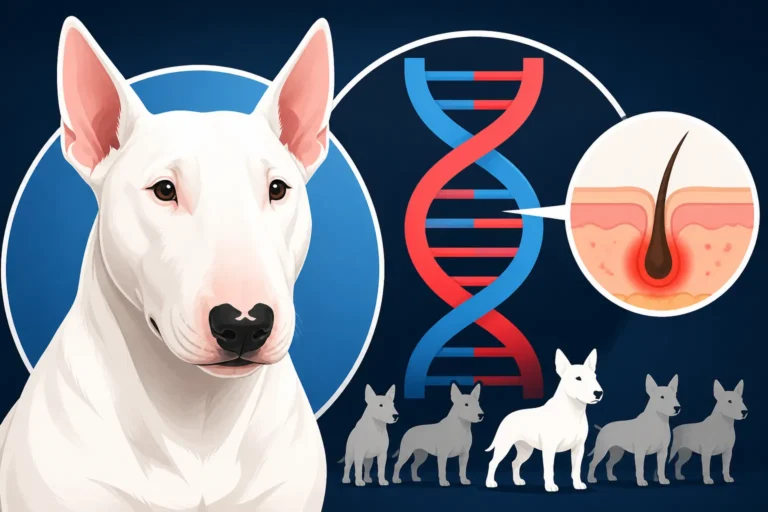
It's a frustrating reality for Bull Terrier owners that our wonderful, quirky companions can be prone to certain health issues, and unfortunately, KCS is one of them. While any dog can develop dry eye, it's more common in certain breeds, and the Bull Terrier makes that list. This predisposition is largely genetic, often linked to autoimmune disorders where the body's immune system mistakenly attacks its own tear glands, reducing or halting tear production. This is often the case in breeds like the Bull Terrier.
Other factors can contribute, such as certain medications (like sulfa-containing drugs), trauma to the eye or tear glands, radiation therapy, or underlying systemic diseases like hypothyroidism, which is another condition that can affect a Bull Terrier's overall health and may warrant a broader discussion about Whether a Bull Terrier Gets Hypothyroidism. Even simple environmental irritants can exacerbate the condition in a predisposed dog. It's not always clear why one Bull Terrier develops KCS and another doesn't, but understanding the breed's susceptibility means we, as owners, need to be extra vigilant about their eye health.
Diagnosing and Managing Dry Eye
When you suspect your Bull Terrier might have dry eye, the first and most critical step is a visit to your veterinarian. Self-diagnosing and trying over-the-counter remedies won't cut it, and could even delay proper treatment, leading to more severe complications. A vet will perform a thorough eye exam and specific tests to confirm KCS and rule out other eye conditions that might present with similar symptoms.
The Diagnostic Process at the Vet
Your vet will start with a general ophthalmic exam, looking at the structures of the eye, checking for redness, discharge, and any signs of corneal damage. The cornerstone of diagnosing KCS is the Schirmer Tear Test (STT). This simple, quick, and non-invasive test measures tear production. A small strip of filter paper, folded at one end, is carefully placed inside your Bull Terrier's lower eyelid for exactly one minute. The paper absorbs tears, and the length of wetting on the strip indicates how many tears are being produced.
Normal tear production for a dog is typically 15 mm or more wetting in one minute. If your Bull Terrier's result is significantly lower – say, under 10 mm, or especially under 5 mm – it's a strong indicator of KCS. This test might be repeated in both eyes to confirm the results. Other tests might include staining the cornea with fluorescein dye to check for corneal ulcers (which are common with dry eye), and checking intraocular pressure to rule out glaucoma. These steps are vital to ensure an accurate diagnosis and tailor the most effective treatment plan.
Treatment Options for Your Bull Terrier
Once KCS is diagnosed, the goal of treatment is twofold: to stimulate natural tear production and to provide lubrication and anti-inflammatory relief to the eyes. This is almost always a lifelong commitment, but with consistent care, many Bull Terriers with KCS can live comfortably.
The primary medications used are typically topical immunosuppressants like cyclosporine (e.g., Optimmune) or tacrolimus eye drops. These medications work by suppressing the immune attack on the tear glands, allowing them to resume producing tears. They need to be administered regularly, usually once or twice a day, and it can take several weeks to see a noticeable improvement in tear production. Your vet will guide you on the exact dosage and frequency.
In addition to tear stimulants, artificial tears or lubricating gels are often prescribed to provide immediate relief and supplement the natural tear film, especially during the initial treatment phase or on days when your Bull Terrier's eyes seem particularly dry. These can be used multiple times a day as needed. For secondary infections that often accompany dry eye, antibiotic eye drops or ointments might be prescribed. Anti-inflammatory drops could also be used to reduce redness and discomfort. In very severe cases that don't respond to medical management, surgical options, such as parotid duct transposition (rerouting a salivary duct to lubricate the eye), might be considered, though this is rare and usually a last resort.
The Role of Medication and Consistent Care
The success of KCS treatment hinges entirely on consistency. Missing doses of cyclosporine or tacrolimus can set back progress and allow the inflammation in the tear glands to worsen again. This means diligently administering drops or ointments every single day, often for the rest of your Bull Terrier’s life. It can feel like a chore, but it’s absolutely vital for their comfort and eye health. Many owners find it easiest to establish a routine – perhaps right after their morning walk and before bed.
Your vet will likely schedule follow-up visits, including repeated Schirmer Tear Tests, to monitor your Bull Terrier’s response to treatment and adjust medication as needed. It's a partnership between you and your vet. Don't be afraid to ask for demonstrations on how to properly administer eye drops, as getting them in correctly is crucial. It often helps to gently restrain your Bull Terrier, tilt their head back slightly, and drop the medication directly onto the surface of the eye, not the eyelid. Then, hold their head still for a moment to allow the medication to disperse. Over time, both you and your Bull Terrier will get used to the routine. Remember, this diligent care is essential to prevent chronic pain and further damage that can necessitate more drastic measures, an important consideration when thinking about the long-term health plan for a pet, much like knowing How Often a Bull Terrier's Urine Should Be Tested for kidney health.
Living with a Bull Terrier with Dry Eye
Managing dry eye is a marathon, not a sprint. It requires dedication, a keen eye for changes, and a commitment to your Bull Terrier's comfort. But with the right approach, your Bull Terrier can still enjoy a full, vibrant life.
Establishing a Daily Eye Care Routine
Consistency is key, as mentioned, but what does that daily routine look like? Beyond the prescribed medications, a good routine includes gentle cleaning and regular observation. Twice daily, after applying eye drops, gently wipe away any accumulated discharge from around their eyes using a soft, damp cloth or sterile eye wipe specifically designed for pets. This prevents crusting and keeps the area clean, reducing the risk of secondary skin irritation around the eyes. Avoid using cotton balls, as fibers can get into the eye.
It's also a good practice to keep the fur around their eyes trimmed if it tends to grow long, as excessive hair can wick away tears or trap debris, making the dry eye worse. Consider investing in a humidifier, especially in dry climates or during winter months when indoor heating can dry the air. This can provide some ambient moisture that helps your Bull Terrier's eyes feel more comfortable. Always keep an eye out for any changes in discharge, redness, or if your Bull Terrier seems more uncomfortable than usual, as these could signal a flare-up or a secondary infection.
Long-Term Management and Potential Complications
Dry eye is a lifelong condition, and successful management means understanding the long-term picture. While medication can significantly improve tear production, there will likely be good days and bad days. Environmental factors, stress, or even seasonal allergies can sometimes cause flare-ups. Regular veterinary check-ups, typically every 3-6 months, are crucial for monitoring the condition and making any necessary adjustments to the treatment plan. During these visits, your vet will likely perform another Schirmer Tear Test and check for any corneal damage.
Without diligent treatment, KCS can lead to serious complications. Chronic dryness and inflammation can cause corneal scarring, which can obstruct vision. Pigmentary keratitis, where dark pigment deposits accumulate on the cornea, is another common complication that further impairs vision. Corneal ulcers, which are open sores on the eye's surface, are incredibly painful and can lead to rupture of the eyeball if left untreated. These complications highlight why proactive and consistent care is not just about comfort, but about preserving your Bull Terrier's sight and overall well-being. Thinking ahead for conditions like these is why many responsible owners consider pet insurance. Plans from providers like Healthy Paws can be a lifesaver when facing ongoing medication costs or potential emergency treatments for complications.
Nutritional Support and Environmental Considerations
While medication is the cornerstone of KCS treatment, some supportive measures can help. Ensuring your Bull Terrier has access to fresh, clean water at all times is fundamental for overall hydration. Some veterinarians might suggest supplements like omega-3 fatty acids, which can have anti-inflammatory properties and may support tear gland health, though their direct impact on KCS is still being researched. Always discuss any supplements with your vet before introducing them.
Environmental factors play a huge role. Avoid exposing your Bull Terrier to excessive dust, smoke (including cigarette smoke), or strong winds, which can further dry out their eyes. If they love riding in the car with their head out the window, ensure they wear Doggles or other protective eyewear to shield their eyes from wind and debris. Keeping your home clean and free of excessive dust, and using air purifiers, can also contribute to a healthier environment for their eyes. For white Bull Terriers, specifically, their lighter skin can be more sensitive, warranting extra care in bright environments, much like understanding Why a White Bull Terrier Sunburns.
Preventing Dry Eye and When to Worry
While KCS is often genetic and can't be completely prevented if your Bull Terrier is predisposed, proactive measures and awareness can help manage it and ensure you catch any issues early. Knowing when to escalate your concerns to your vet is paramount.
What Owners Can Do to Be Proactive
For Bull Terrier owners, being proactive means staying alert to changes in your dog's eyes. Regular visual checks of your Bull Terrier’s eyes should be part of your daily grooming routine. Look for unusual redness, discharge, cloudiness, or any signs of discomfort like excessive blinking or pawing at the face. If you have a Bull Terrier puppy, discussing the prevalence of KCS in the breed with your breeder and vet is a good idea. Some breeders might even perform early eye checks.
Beyond daily observation, ensuring your Bull Terrier receives regular veterinary check-ups is vital. During these annual visits, your vet can perform an eye exam, and if there are any suspicious signs, they can easily perform a Schirmer Tear Test. Early detection is truly key in managing KCS effectively before severe damage occurs. It’s also wise to maintain open communication with your vet about any new medications your Bull Terrier is prescribed for other conditions, as some drugs can impact tear production. This kind of preventative thinking aligns with comprehensive health planning, such as understanding What a Bull Terrier Breeder Should Have Tested to minimize hereditary risks.
Red Flags That Require Immediate Vet Attention
While dry eye is a chronic condition, certain symptoms warrant immediate veterinary attention. If you notice a sudden increase in eye pain (your Bull Terrier is squinting severely, won't open their eye, or is rubbing it constantly), a dramatic change in eye appearance (like a cloudy blue film appearing rapidly, or a deep ulcer that looks like a hole on the cornea), or a discharge that becomes suddenly very thick, green, or foul-smelling, these are all red flags. These could indicate a severe corneal ulcer, a secondary infection that has spiraled out of control, or even another emergency eye condition.
A deep corneal ulcer, in particular, is an emergency because it can quickly lead to corneal rupture and permanent blindness. If you ever suspect a foreign object in the eye, or if your Bull Terrier's eye is swollen shut, don't delay – get to an emergency vet clinic right away. Even if you have pet insurance like Healthy Paws, these urgent visits can still be stressful, so it's good to be prepared and know what constitutes an emergency. When in doubt, it’s always better to call your vet or emergency clinic.
The Financial Aspect of Managing Dry Eye
Managing a chronic condition like dry eye in your Bull Terrier can indeed come with significant financial considerations, and it’s something every owner needs to factor in. The cost isn't just a one-time vet visit; it's the cumulative expense of lifelong medication, regular re-check appointments, repeat Schirmer Tear Tests, and potentially treatments for complications like corneal ulcers or infections. Cyclosporine or tacrolimus eye drops can be quite costly, and since they are used daily, these costs add up quickly over months and years.
A single bottle of prescription eye drops might range from $40 to $80 or even more, depending on the concentration and brand, and it might only last a few weeks. Multiply that by twelve months, and you're looking at hundreds of dollars annually just for medication. Add in consultation fees, additional diagnostic tests if complications arise, and potential specialist visits (e.g., a veterinary ophthalmologist), and the total can be substantial. This is where pet health insurance, such as a comprehensive plan from Healthy Paws, can provide immense peace of mind. Many plans cover chronic conditions, helping to offset these ongoing expenses and ensuring you can provide the best possible care without constant financial worry. It's truly a long-term investment in your Bull Terrier's health and comfort.
Disclaimer
This article is intended for informational purposes only and is not a substitute for professional veterinary advice, diagnosis, or treatment. Always seek the advice of your veterinarian or other qualified animal health provider with any questions you may have regarding a medical condition.