Whether a Spinning Bull Terrier Damages Its Tail
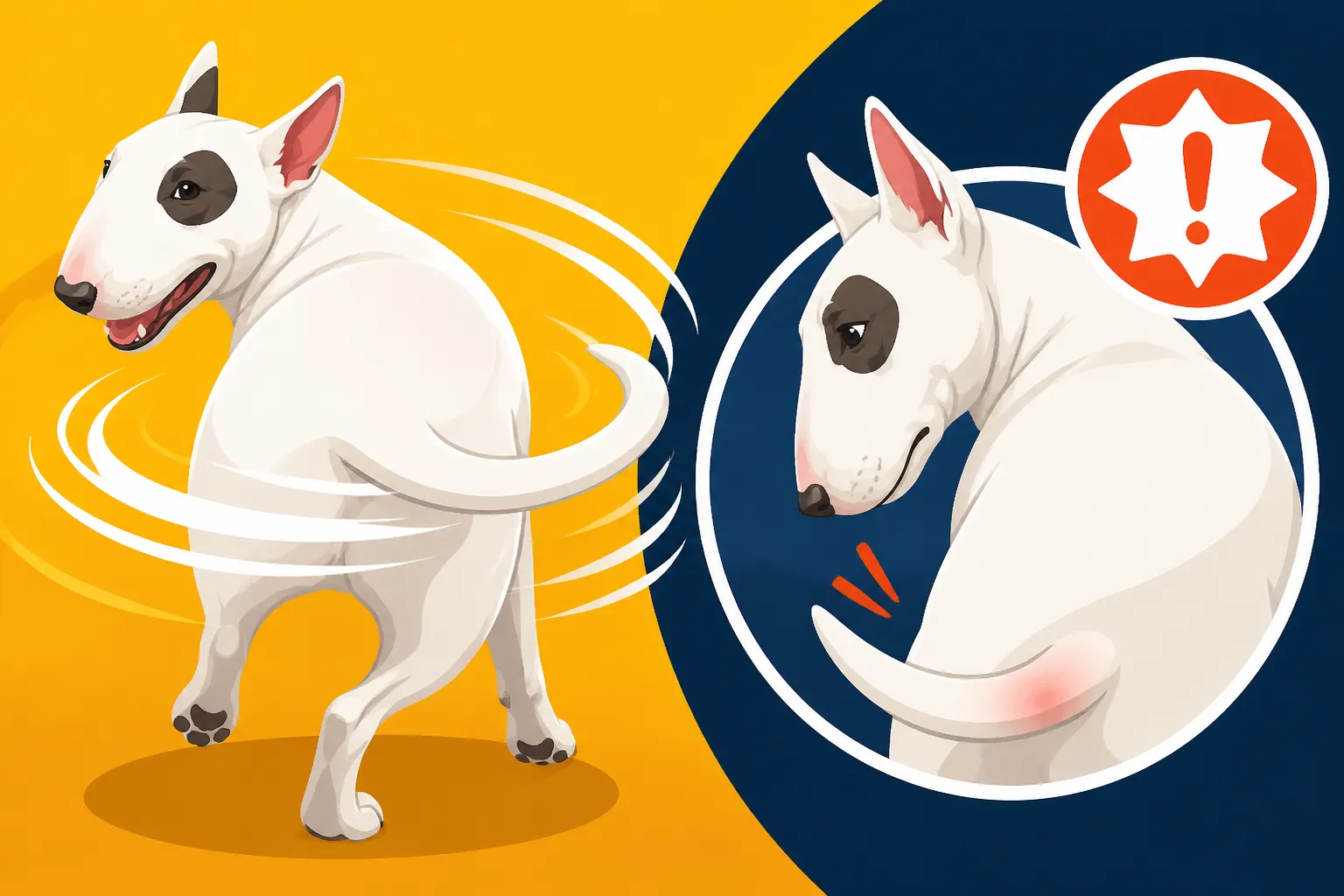
It’s a sight many Bull Terrier owners know all too well: your beloved, usually goofy companion suddenly becomes a blur, chasing their tail with an intensity that can be both bewildering and alarming. This frantic spinning, while sometimes just a quirky display of energy, often leaves us wondering if it's doing more harm than good. A major concern that keeps many of us up at night is whether this persistent tail-chasing could actually be damaging their tail.
Understanding the Bull Terrier Spin
Before we dive into potential tail damage, let's really unpack what this "spinning" behavior actually is. For Bull Terriers, spinning, also known as compulsive tail-chasing, isn't just a simple game; it's a deeply ingrained and often misunderstood behavioral issue that can start as early as puppyhood. It's not uncommon for owners to notice The Age Bull Terrier Tail Chasing Starts when their pups are still quite young, sometimes around 6-12 months.
What Makes a Bull Terrier Spin?
Many theories exist as to why a Bull Terrier chases its tail. It's often linked to a form of obsessive-compulsive disorder (OCD) in dogs, similar to how some breeds develop flank sucking or shadow chasing. It's believed to have a strong genetic component within the breed, meaning if one of your Bull Terrier's parents or grandparents was a spinner, there's a higher chance your dog might inherit this tendency. Environmental factors, like stress, boredom, or a lack of mental and physical stimulation, can exacerbate the behavior, turning an occasional spin into a full-blown, difficult-to-interrupt obsession. Think about it – a highly intelligent, high-energy dog like a Bull Terrier, left without a "job" or enough outlets, might channel that pent-up energy into a repetitive behavior. This isn't just a matter of naughtiness; it's often a distress signal from a dog that feels under-stimulated or anxious.
Sometimes, the spinning can be so intense that owners wonder if it's actually a type of seizure. While rare, it's a valid concern, and distinguishing between a behavioral compulsion and a neurological event is crucial. This is why a vet visit is always recommended if the spinning starts suddenly or changes in intensity. For a deeper dive into this, you might find our article on Whether Bull Terrier Tail Chasing Is a Seizure helpful.
The Intensity and Frequency of Spinning
The spectrum of spinning in Bull Terriers is wide. Some dogs might do a quick spin when they're excited or trying to initiate play, which is usually harmless and easy to redirect. Other Bull Terriers, however, can get caught in a relentless cycle, spinning for minutes, sometimes even hours, until they're panting, exhausted, and completely unaware of their surroundings. During these intense episodes, they can become oblivious to commands, food, or even physical contact. It's a heartbreaking thing to witness, and for owners, the frustration of feeling helpless is very real.
This kind of sustained, high-speed rotation, especially when a dog is using its entire body and tail as a propeller, can create significant force and repetitive motion. And that's where the concern about physical damage comes into play. It's not just about the tail; sometimes, these dogs will spin so fast and with such disregard for their surroundings that they bump into furniture or walls, risking other injuries as well.
The Risks of Tail Damage from Spinning
When a Bull Terrier is locked into a serious spinning session, their tail, which they use for balance and as a focal point, becomes vulnerable. The constant motion, friction, and potential for impact can lead to various types of injuries.
Abrasions, Lacerations, and "Happy Tail" Syndrome
One of the most immediate concerns is skin damage. A Bull Terrier's tail, especially at the tip, can suffer from repeated friction against surfaces like rough carpets, concrete, or even their own body. Imagine a dog spinning repeatedly on a textured rug for several minutes each day. Over time, this can lead to:
- Abrasions: Surface scrapes and raw spots where skin is worn away. These might start small but can deepen with continued irritation.
- Lacerations: More serious cuts, especially if the tail hits a sharp edge during a spin. We're talking about anything from a minor cut to a deep wound that exposes underlying tissue.
- "Happy Tail" Syndrome: While typically associated with dogs happily wagging their tails with such force that they hit hard surfaces and injure them, a similar mechanism can happen with severe spinning. The tail tip can become traumatized and refuse to heal due to constant re-injury. The skin on a Bull Terrier is often described as a weak point, and this is certainly true for the tail as well.
These injuries aren't just cosmetic. They can be incredibly painful, lead to infections, and in severe cases, even require significant veterinary intervention. It’s a vicious cycle: the tail hurts, the dog might lick or chew at it, which further irritates the wound, and if the spinning continues, the injury never gets a chance to heal.
Fractures and Nerve Damage
While less common than skin issues, fractures of the tail bones (vertebrae) are a very real, albeit extreme, risk for Bull Terriers that spin with extreme force or impact objects. A tail consists of small vertebrae, and repeated torsion or direct hits against hard surfaces could, theoretically, cause a hairline fracture or a more significant break.
Additionally, nerve damage is a concern. The tail is an extension of the spine, filled with nerves. Constant, uncontrolled whipping and twisting motions could potentially strain or damage these nerves, leading to problems with tail function, sensation, or even affecting bowel and bladder control in the most severe, though rare, cases. If you notice any unusual limpness in the tail, a lack of movement, or a change in how your dog holds it, immediate veterinary attention is critical.
Secondary Infections
Any open wound, even a small abrasion on the tail, is a prime entry point for bacteria. Bull Terriers, like all dogs, aren't exactly known for their sterile environments. They roll in dirt, walk through puddles, and often lick wounds, which can introduce more bacteria. A minor tail injury can quickly become a serious bacterial infection, characterized by redness, swelling, pus, and increased pain. This is why vigilant monitoring and prompt treatment of any tail injury are paramount. Ignoring a small wound in the hope it will heal on its own is a gamble you shouldn't take with your Bull Terrier.
Preventing and Managing Tail Injuries
Dealing with a spinning Bull Terrier is a multi-faceted challenge, but preventing tail damage is a critical part of the puzzle. It involves environmental modifications, behavioral strategies, and proactive veterinary care.
Modifying the Environment
The first line of defense is to make your home a safer place for a spinning dog.
- Clear the decks: Remove any sharp or hard objects from areas where your Bull Terrier frequently spins. This includes low-lying furniture, decorative items, or anything that could be impacted by a flailing tail.
- Soft landings: If possible, consider placing soft rugs or mats in high-traffic spinning zones to minimize friction and impact. While you can’t carpet your entire home, strategic placement can help.
- Outdoor safety: Observe where your Bull Terrier spins outdoors. Is it against a concrete patio, a brick wall, or a wooden fence? Try to redirect their spinning to softer grassy areas if possible, or supervise closely during outdoor time.
Behavioral Management and Enrichment
Addressing the root cause of the spinning behavior is often the most effective long-term solution. This requires patience, consistency, and often professional help.
- Enrichment is key: A bored Bull Terrier is a spinning Bull Terrier. Provide plenty of mental and physical stimulation. This includes regular walks, interactive puzzle toys, scent work games, and training sessions. Think about things that make them use their brain, like KONGs filled with frozen peanut butter or raw food, or snuffle mats for their kibble. Our article on What Enrichment a Spinning Bull Terrier Needs can offer more ideas.
- Consistent training: Work with a professional dog trainer or behaviorist experienced with compulsive behaviors. Positive reinforcement is crucial. Harsh corrections can often increase anxiety and exacerbate spinning. Learning how to interrupt a Bull Terrier's tail chasing without creating more stress is a skill that takes practice.
- Medication: In many cases of severe compulsive spinning, behavioral modification alone isn't enough. Your vet might recommend medication to help reduce the compulsion, often alongside behavioral therapy. This isn't a "cure-all" but can help lower their anxiety levels enough for training to be effective.
Regular Veterinary Check-ups and Proactive Care
Never underestimate the importance of your veterinarian in managing spinning and preventing tail damage.
- Early detection: Schedule regular check-ups. Your vet can often spot subtle signs of tail irritation or injury before it becomes severe. They can also discuss whether a Bull Terrier Should Have an MRI if neurological issues are suspected.
- Protective gear: For dogs that are repeatedly injuring their tails, your vet might recommend special tail bandages or even a "tail guard" that offers cushioning and protection. These are often used temporarily to allow an injury to heal.
- Proper wound care: If an injury does occur, follow your vet's instructions for cleaning, dressing, and medicating the wound meticulously. This is where a reliable pet insurance plan, like one from Healthy Paws, can really alleviate the financial stress of multiple vet visits, medications, or even potential surgical procedures. When you're facing ongoing care for a behavioral issue with physical consequences, having that safety net is invaluable.
- Dietary support: Sometimes, nutritional deficiencies can impact skin and coat health, potentially making the tail more vulnerable. While not a direct cause of spinning, ensuring a balanced diet with good quality protein and essential fatty acids can support overall skin integrity.
When to Seek Veterinary Help for Tail Damage
It's natural to hesitate before rushing to the vet for every little scrape, but with Bull Terriers and their propensity for spinning, it's always better to be proactive. Waiting too long can turn a minor issue into a major problem, especially when considering the potential for infection or deeper damage.
Immediate Signs That Warrant a Vet Visit
Don't delay if you notice any of these signs related to your Bull Terrier's tail:
- Visible Open Wounds: Any cut, laceration, or deep abrasion that isn't superficial. Even if it looks small, an open wound is an invitation for infection.
- Bleeding: Persistent or heavy bleeding from the tail.
- Swelling or Redness: Signs of inflammation or infection around the tail, especially if it feels warm to the touch.
- Pus or Discharge: Any oozing from the tail indicates an active infection.
- Limpness or Unusual Position: If your dog's tail hangs unusually, seems painful to the touch, or they're holding it in an odd position, it could indicate a fracture or nerve damage.
- Excessive Licking or Chewing: If your Bull Terrier is constantly bothering their tail, it's a clear sign of discomfort and potential self-trauma.
- Fever or Lethargy: Systemic signs of illness, which could point to a spreading infection.
Your vet will likely perform a thorough physical examination, checking the tail for any abnormalities, pain, or injury. They might also recommend imaging, such as X-rays, to check for fractures if a more serious injury is suspected.
What to Expect at the Vet
When you bring your spinning Bull Terrier in for tail issues, your vet will assess the severity of the injury and the underlying spinning behavior.
- Wound Care: For minor abrasions, cleaning and topical antibiotics might suffice. For deeper cuts, stitches or surgical glue might be needed. Your vet will likely clean the wound thoroughly and apply a protective bandage to prevent further self-trauma and allow healing. This might involve an Elizabethan collar (the "cone of shame") to prevent licking.
- Medication: Depending on the injury, your vet might prescribe antibiotics for infection, pain medication, or anti-inflammatory drugs. If the spinning is severe, they might also discuss medications to help manage the compulsive behavior itself, often in conjunction with a veterinary behaviorist. Managing these recurring or long-term medication costs is another area where a pet insurance plan can be a huge help; check with providers like Healthy Paws to understand what their coverage includes for ongoing conditions.
- Behavioral Consultation: Your regular vet might refer you to a board-certified veterinary behaviorist. These specialists can develop a comprehensive plan combining medication, environmental management, and behavior modification techniques to help reduce or manage the spinning. It's a journey, but a worthwhile one for your Bull Terrier's well-being.
- Prognosis: The prognosis for tail damage depends entirely on the severity. Minor abrasions usually heal well with proper care. More severe injuries, like deep lacerations or fractures, could require more extensive treatment and a longer recovery period. In very rare, extreme cases where the tail is repeatedly and severely damaged and fails to heal, amputation might be considered as a last resort to prevent chronic pain and infection. This is, understandably, a devastating decision for any owner, highlighting the importance of early intervention and proactive management of spinning.
Table: Assessing Tail Injury Severity and Action Plan
To help you gauge the situation, here’s a quick guide:
| Injury Severity | Description | Immediate Action | Veterinary Action (Expected) |
|---|---|---|---|
| Minor | Small scrape, slight redness, no bleeding or discharge, dog not excessively licking. | Clean gently with mild soap and water, apply pet-safe antiseptic ointment, monitor closely. | Advise continued home care, recommend protective bandage if licking persists. |
| Moderate | Deeper abrasion, small cut, minor bleeding, some swelling/redness, frequent licking. | Clean wound, apply pressure to stop bleeding, prevent licking (e-collar), contact vet. | Thorough cleaning, prescribe oral antibiotics/pain meds, protective bandaging, follow-up. |
| Severe | Deep laceration, significant bleeding, exposed tissue, bone visible, limp tail, pus. | Control bleeding, apply clean dressing, immobilize tail (if possible), Emergency Vet. | Sutures, surgery, strong antibiotics, pain management, X-rays for fracture, long-term care. |
Living with a Bull Terrier that spins can be challenging, but understanding the risks, especially to their tail, empowers you to take action. With diligence, environmental adjustments, behavioral support, and excellent veterinary care, you can help protect your unique companion from injury and improve their quality of life. Thinking ahead about costs with options like an emergency fund or a comprehensive pet insurance plan from a provider like Healthy Paws can also help you feel more prepared for any medical needs that arise from this quirky, yet sometimes problematic, behavior.
Disclaimer
This article is intended for informational purposes only and does not constitute professional veterinary advice. Always consult with a qualified veterinarian for any health concerns or before making any decisions about your pet's medical care.