Whether Heart Disease Runs in Bull Terrier Lines
It's heartbreaking to even consider that the vibrant, clownish Bull Terrier you love or hope to bring home might be secretly carrying a ticking time bomb in its chest. The fear of an invisible illness, especially one as serious as heart disease, is a very real concern for many Bull Terrier families. This guide will delve deep into the reality of heart disease in Bull Terriers, exploring whether it truly runs in their genetic lines, what conditions to watch for, and how you can be proactive in safeguarding your beloved companion's heart health.
Understanding Heart Disease in Bull Terriers
Heart disease in dogs, much like in humans, can manifest in various forms, from congenital defects present at birth to acquired conditions that develop later in life. For Bull Terriers, however, there's a particular spotlight on certain congenital heart conditions that have unfortunately become more prevalent due to their genetic lineage. It’s not just about a dog getting old; it’s about a predisposition that can affect even young puppies.
Common Cardiac Conditions in the Breed
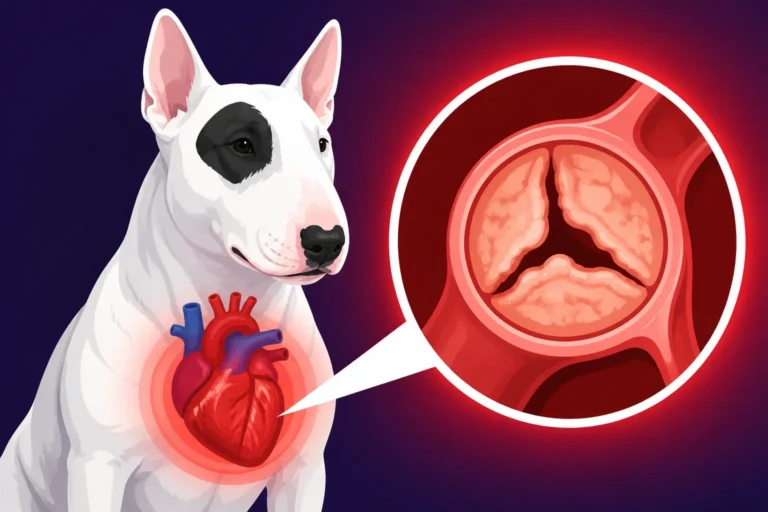
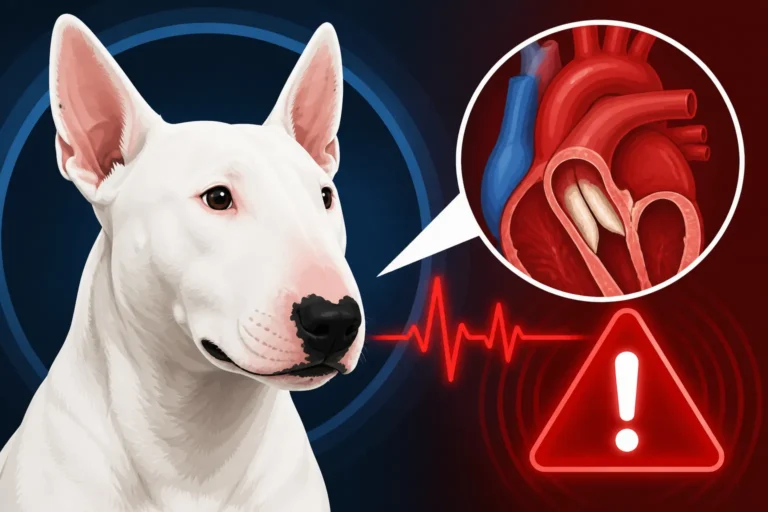
When we talk about heart disease in Bull Terriers, two conditions frequently rise to the top of the list: Mitral Valve Dysplasia (MVD) and Aortic Stenosis (AS). These aren't just fancy medical terms; they represent real structural abnormalities in the heart that can severely impact its ability to function correctly.
Mitral Valve Dysplasia, for instance, affects the mitral valve, one of the crucial "doors" in the heart that regulates blood flow. If this valve is malformed or doesn't close properly, blood can leak backward, forcing the heart to work harder. Imagine a pump trying to push water uphill while some of the water keeps sloshing back down – that's essentially what a dog's heart experiences with MVD. This extra strain can lead to an enlarged heart and, eventually, heart failure. You might hear a vet talk about What Mitral Valve Dysplasia Does to a Bull Terrier in terms of specific symptoms and progression, but the core issue is a faulty valve from day one.
Aortic Stenosis, on the other hand, involves a narrowing of the aorta, the main artery that carries blood from the heart to the rest of the body. This narrowing makes it much harder for the heart to pump blood out, increasing pressure and stress on the heart muscle. Over time, this can cause the heart muscle to thicken and weaken, often leading to serious complications. The tragic part about What Aortic Stenosis Does to a Bull Terrier is that it can sometimes progress silently, with seemingly healthy dogs collapsing suddenly without prior warning. This is why early detection is so incredibly vital for this breed.
The Impact of Heredity
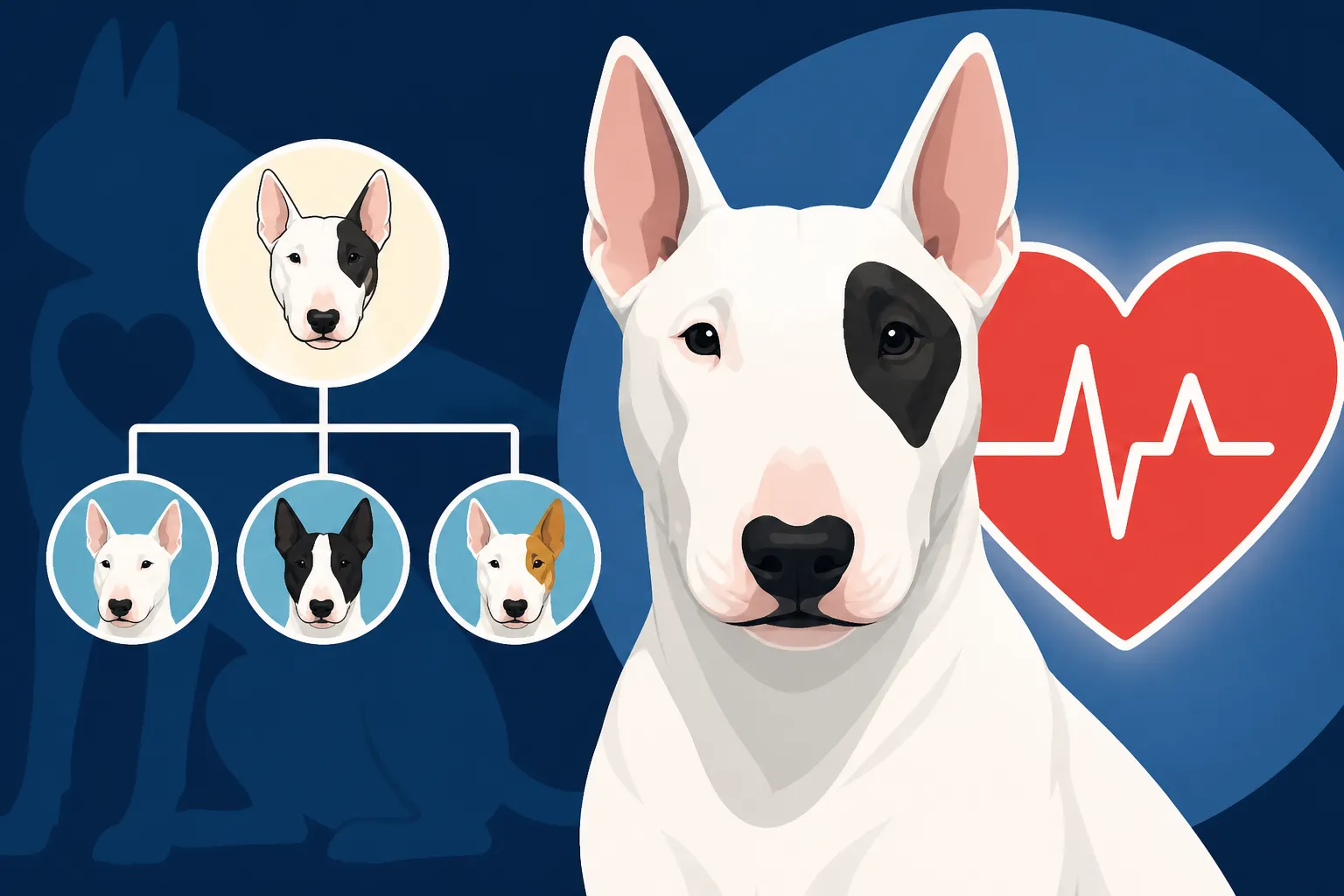
The unfortunate truth is, yes, heart disease does run in certain Bull Terrier lines. These conditions are often congenital, meaning they are present at birth, and they have a strong hereditary component. This isn't just bad luck; it's a genetic predisposition that has been passed down through generations. For conditions like MVD and AS, specific genetic markers or polygenic traits are believed to be responsible, though the exact mode of inheritance can be complex and sometimes not fully understood for every single case.
What this means for a Bull Terrier owner is that the health history of their dog's parents and even grandparents isn't just interesting trivia – it's crucial information. If a breeder has been responsible and transparent, they should have a clear understanding of the cardiac health of their breeding stock. The hereditary nature makes these conditions a significant concern for the breed as a whole, placing a heavy responsibility on breeders to screen their dogs rigorously to try and minimize the spread of these issues. Without careful selection, the problem can persist, creating heartache for future owners and limiting the lifespan of these wonderful dogs.
Tracing Heart Disease Through Breeding Lines
Understanding that these conditions are inherited is one thing, but pinpointing how they spread through breeding lines and what we can do about it requires a deeper dive into the world of responsible breeding and genetic health management.
Why Certain Lines Are More Affected
Just like in human families, certain genetic predispositions can become concentrated in specific lines within a breed. If a breeder doesn't rigorously screen their breeding dogs for cardiac issues, or if they continue to breed dogs that are carriers or mildly affected, these undesirable genes can become more prevalent. It’s a numbers game: the more affected or carrier dogs that reproduce, the higher the chance that future generations will inherit the problematic genes.
Sometimes, a line might be highly prized for its conformation (how well it matches the breed standard) or its temperament. If a breeder prioritizes these traits above all else and neglects comprehensive health testing, they inadvertently perpetuate health issues. It's a difficult balance to strike, as breeders strive for excellence in many areas, but health should always be paramount. A line that consistently produces dogs with significant heart murmurs, even if they initially seem "innocent" or fade, might signal a deeper hereditary issue that should not be ignored. Understanding Why a Bull Terrier Puppy's Heart Should Be Listened To as part of a routine check-up, and not just as a formality, is paramount.
The Breeder's Role in Prevention
Responsible breeders are the first line of defense against hereditary diseases. Their role is absolutely critical. A good breeder will not only be aware of the common health issues in the Bull Terrier breed, but they will also actively work to mitigate them through careful breeding practices. This includes comprehensive health screening of all breeding stock before they are ever bred.
For heart conditions, this means regular cardiac evaluations by a board-certified veterinary cardiologist. These evaluations often include auscultation (listening to the heart for murmurs), an echocardiogram (an ultrasound of the heart to visualize its structure and function), and sometimes an ECG. Breeders should be transparent with these results, providing documentation for both parents of a litter. If you're looking for a puppy, always ask to see the results of these tests, not just a verbal assurance. A reputable breeder understands Which Health Tests a Bull Terrier Breeder Should Run and will be proud to share the results. They will often be involved with their breed club's health initiatives and recommendations, ensuring they are staying current with best practices. A breeder who dismisses health testing or claims their lines are "healthy" without proof is a huge red flag.
When considering whether a Bull Terrier With a Murmur Can Be Bred, responsible breeders will often defer to the advice of a cardiologist. While some murmurs are truly innocent in puppies, persistent or significant murmurs often indicate a structural problem that absolutely should be taken seriously in a breeding dog.
Early Detection and Management of Cardiac Issues
Even with the most diligent breeders, no genetic health program is foolproof. This means that as an owner, being proactive in monitoring your Bull Terrier's heart health is incredibly important, starting from puppyhood.
Recommended Screening Protocols
For Bull Terriers, especially given the breed's predisposition, a baseline cardiac screening is highly recommended, ideally performed by a board-certified veterinary cardiologist. This screening should be done around 12-18 months of age, though an initial auscultation by a general vet should happen much earlier. This early check can often pick up The Heart Murmur a Bull Terrier Puppy Should Be Checked For. If a murmur is detected, a full cardiac workup, including an echocardiogram, becomes essential. An echocardiogram provides a detailed look at the heart's structure, allowing a cardiologist to assess valve function, chamber size, and blood flow, which is crucial for diagnosing conditions like MVD and AS. Understanding When a Bull Terrier Should Have an Echocardiogram is key, as early diagnosis can significantly impact management.
Ongoing monitoring is also important, particularly if a murmur or any signs of heart disease are noted. Your vet or cardiologist might recommend yearly re-checks, especially as your Bull Terrier ages, to monitor for any progression of disease. Pet insurance providers like Healthy Paws can be invaluable here, as they often cover diagnostic tests and ongoing treatments for hereditary conditions, provided the condition wasn't pre-existing before you enrolled. Being prepared for potential costs, even with insurance, is also wise, as What a Bull Terrier's Cardiac Workup Costs can be substantial.
Living with a Bull Terrier with Heart Disease
Receiving a diagnosis of heart disease for your Bull Terrier can be incredibly frightening, but it's important to remember that it's not an immediate death sentence. Many dogs with heart conditions can live full, happy lives with proper management. The specific treatment plan will depend entirely on the type and severity of the heart disease.
For conditions like MVD or AS, management might include medications to help the heart function more efficiently, control fluid buildup, or manage blood pressure. Regular follow-up appointments with your veterinary cardiologist are essential to adjust medications and monitor the disease's progression. This will determine How Often a Bull Terrier's Heart Should Be Rechecked. Your vet might also recommend dietary changes, such as a low-sodium diet, to help reduce the workload on the heart. Exercise may need to be modified, shifting from intense bursts of activity to more moderate, consistent walks, avoiding anything that puts undue stress on the heart.
It's a journey, one that requires dedication, patience, and a strong partnership with your veterinary team. While the diagnosis can be tough, seeing your Bull Terrier continue to thrive with the right care is incredibly rewarding. Having a good pet insurance plan from a provider like Healthy Paws can also alleviate some of the financial stress associated with long-term cardiac care, allowing you to focus on your dog's well-being without constant worry about escalating vet bills.
To help visualize the difference between normal heart function and common issues, here's a brief overview:
| Condition | Description | Inheritance Pattern | Common Symptoms (Late Stage) | Screening Method |
|---|---|---|---|---|
| Normal Heart | Valves open and close efficiently, blood flows smoothly. | N/A | N/A | Regular Vet Check-up |
| Mitral Valve Dysplasia | Mitral valve is malformed, leading to blood leakage backward into atrium. | Polygenic/Hereditary | Coughing, difficulty breathing, fatigue, fluid retention | Auscultation, Echocardiogram |
| Aortic Stenosis | Narrowing of the aorta, restricting blood flow from the heart. | Hereditary (likely polygenic) | Exercise intolerance, fainting, sudden collapse, shortness of breath | Auscultation, Echocardiogram |
Early detection truly makes all the difference, so maintaining regular veterinary check-ups and being vigilant for any changes in your Bull Terrier’s behavior or energy levels is paramount. Don't hesitate to ask your veterinarian about Whether a Cardiologist Should See a Bull Terrier Puppy if you have any concerns, even if they seem minor.
Disclaimer
This article is for general informational purposes only and does not constitute professional advice. Laws, prices and regulations vary by location and change over time. Consult a qualified professional for guidance on your specific situation.