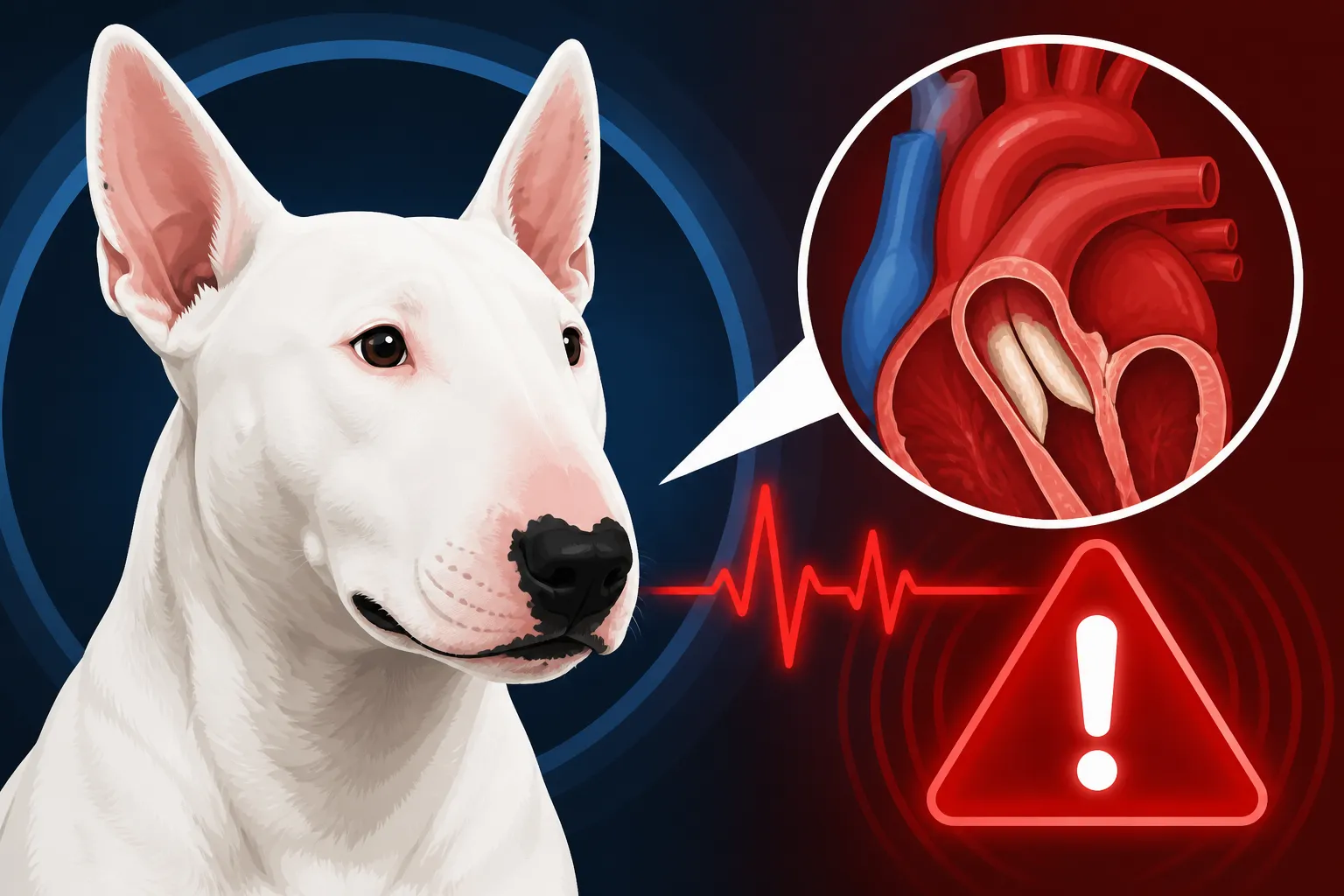
Why Aortic Stenosis Kills a Bull Terrier Without Warning
It’s one of the most heartbreaking phone calls a Bull Terrier owner can receive, or worse, one of the most devastating discoveries to make yourself: your seemingly healthy, vibrant dog has suddenly collapsed and passed away without a single warning. This isn't just a sad story; it's often the brutal reality of Aortic Stenosis (AS) in our beloved Bull Terriers, a silent killer that lurks beneath the surface of their energetic, clownish personalities. This guide is here to shed light on why this happens, what you need to know, and what steps you can take to protect your treasured companion.
Understanding Aortic Stenosis in Bull Terriers
Aortic Stenosis is a congenital heart defect, meaning it's present at birth. In simple terms, it's a narrowing of the aorta, the body's largest artery, usually occurring just below the aortic valve (subvalvular aortic stenosis or SAS). This narrowing obstructs the flow of blood from the left ventricle of the heart to the rest of the body. Think of it like trying to push a lot of water through a hose that's been crimped – the pump (the heart) has to work much harder to get the same amount of water out, and the pressure builds up significantly.
Bull Terriers, unfortunately, are genetically predisposed to this condition. It's not something that just "happens" to any dog; there's a strong hereditary component within the breed. This means that if a Bull Terrier has Aortic Stenosis, it's highly likely that one or both of its parents carried the gene for it, even if they didn't show severe symptoms themselves. For a more detailed look at the condition, you might want to read our article on What Aortic Stenosis Does to a Bull Terrier. The heart muscle, specifically the left ventricle, tries to compensate for the increased workload by thickening, a condition known as hypertrophy. While this initially helps maintain blood flow, it ultimately makes the heart less efficient and more vulnerable.
The tricky part about Aortic Stenosis is its silent progression. Many Bull Terriers live for years with moderate to severe stenosis without ever exhibiting clear outward symptoms that would alarm an owner. They might still play, eat well, and seem perfectly normal, leading owners to believe their dog is in peak health. This is precisely why it earns its reputation as a "silent killer" – the damage is occurring internally, often unnoticed, until it reaches a critical point.
The Deceptive Nature of Aortic Stenosis Symptoms
One of the cruelest aspects of Aortic Stenosis is how it often presents without any dramatic, obvious symptoms, especially in its earlier stages. You might expect a dog with a serious heart condition to be lethargic, coughing, or struggling to breathe, but with AS, these signs are frequently absent until the disease is very advanced or a crisis occurs.
Many owners recall their Bull Terrier being "fine" right up until the moment of collapse. This isn't because the disease wasn't there; it's because the signs are so subtle they're easily dismissed or attributed to other factors. Perhaps your usually boisterous Bull Terrier seemed a little less enthusiastic on a particularly hot day, or took a bit longer to recover after a vigorous play session. These tiny shifts in behavior are rarely enough to prompt a vet visit, particularly when the dog otherwise appears healthy and happy. This "apparently healthy" facade makes the suddenness of the event even more shocking and traumatic for owners.
The severity of Aortic Stenosis is typically graded from 1 (very mild) to 6 (very severe). A Bull Terrier with a mild murmur, say a Grade 1 or 2, might live a full, normal life with no issues. However, those with a higher grade of stenosis, even if asymptomatic, are living with a ticking time bomb. The heart murmur itself is a key indicator that vets listen for. Every Bull Terrier puppy should have The Heart Murmur a Bull Terrier Puppy Should Be Checked For. A murmur is simply the sound of turbulent blood flow, a direct result of the narrowing in the aorta. While a murmur is usually detected during a routine veterinary examination, its presence alone doesn't tell the full story of severity.
It’s not just about exercise intolerance or fatigue; sometimes, the only "symptom" might be a subtle shift in the dog's usual energy levels that an owner chalks up to a bad night's sleep or just being a "lazy" Bull Terrier that day. Without diagnostic imaging like an echocardiogram, it's almost impossible to differentiate these minor fluctuations from the early signs of a serious heart condition. This makes regular check-ups and open communication with your vet incredibly important, even when your dog seems perfectly fine.
The Mechanisms Behind Sudden Cardiac Death
The abrupt and fatal nature of Aortic Stenosis stems from several interconnected physiological issues that develop silently over time. When the heart has to work against a narrowed aorta, the muscle of the left ventricle thickens (hypertrophy). This thickened muscle requires more oxygen-rich blood to function. However, the same narrowing that causes the hypertrophy can also reduce blood flow to the heart muscle itself, especially during times of exertion. This mismatch between the heart's increased oxygen demand and reduced supply is called myocardial ischemia, essentially a lack of oxygen to the heart muscle.
Another critical factor leading to sudden death is the development of cardiac arrhythmias. The stressed, hypertrophied heart muscle becomes irritable and prone to abnormal electrical activity. These arrhythmias are irregular heartbeats that can range from benign to life-threatening. In severe cases of Aortic Stenosis, these arrhythmias can escalate into ventricular fibrillation, where the heart muscle quivers ineffectively rather than pumping blood. When this happens, blood flow to the brain and other vital organs stops immediately, leading to collapse and death. These events often occur without warning, even during periods of rest, but are more common during or shortly after strenuous activity. You might find our article Whether a Bull Terrier With Stenosis Should Exercise helpful here.
Think of it like an electrical short circuit in a highly stressed system. The heart, already working overtime and potentially starved of oxygen, can simply lose its rhythm completely. There's no time for intervention, no gradual decline. One moment your Bull Terrier is there, and the next, they're gone. It's a stark reminder of the hidden dangers of this condition and why proactive measures are so vital. The heart just gives out because it can no longer cope with the immense, chronic strain it's been under.
Proactive Screening and Management: The Only Defense
Given the silent nature of Aortic Stenosis, the only real defense we have as Bull Terrier owners is proactive screening and vigilant management. Early detection is paramount. While a vet might detect a heart murmur during a routine physical exam, a murmur alone isn't enough to definitively diagnose AS or assess its severity. That's where specialized diagnostics come in.
The gold standard for diagnosing Aortic Stenosis is an echocardiogram. This is a non-invasive ultrasound of the heart that allows a veterinary cardiologist to visualize the heart's structure, measure blood flow velocities, and assess the degree of narrowing and any associated heart muscle thickening. Knowing When a Bull Terrier Should Have an Echocardiogram is crucial. Typically, puppies should be screened around 8-12 weeks of age, and certainly before intense exercise or breeding. For those considering getting a Bull Terrier, asking a breeder about their cardiac screening protocols, including echocardiograms, is non-negotiable, as Whether Heart Disease Runs in Bull Terrier Lines is a serious concern.
If Aortic Stenosis is diagnosed, management depends on its severity. For mild cases, regular monitoring might be sufficient. For moderate to severe cases, medication (like beta-blockers) can help reduce the heart's workload and improve blood flow, potentially delaying the progression of the disease and reducing the risk of sudden death. Activity restriction is often recommended, especially avoiding intense, sustained exercise that puts undue strain on the heart. Regular re-checks with a cardiologist are essential to monitor the condition. You'll want to know How Often a Bull Terrier's Heart Should Be Rechecked.
Let's not forget the financial aspect of these diagnostics and ongoing care. What a Bull Terrier's Heart Workup Costs can be substantial, and the cumulative cost of What a Bull Terrier's Cardiac Monitoring Costs a Year can really add up. This is where pet insurance can be a lifesaver. Companies like Healthy Paws can significantly alleviate the financial burden of diagnosing and managing chronic conditions like Aortic Stenosis. Imagine having a comprehensive plan from Healthy Paws in place before any symptoms appear – it means you can make decisions based on what's best for your dog's health, rather than your wallet.
The investment in screening, even for a seemingly healthy puppy, is a small price to pay for peace of mind and potentially saving your Bull Terrier's life. Don't wait for symptoms; by then, it might be too late.
The Diagnostic Process and Costs
When a heart murmur is detected, or if you simply want to be proactive, your vet will likely recommend a referral to a veterinary cardiologist. This specialist has the equipment and expertise to properly evaluate your Bull Terrier's heart. The primary diagnostic tool, as mentioned, is an echocardiogram. This procedure is non-invasive and usually well-tolerated by Bull Terriers, though some may require mild sedation to ensure they lie still for the best imaging.
The cardiologist will use the echocardiogram to:
- Measure the degree of narrowing in the aorta.
- Assess the thickness of the left ventricular wall.
- Look for any secondary complications, such as mitral valve dysplasia, another common Bull Terrier heart issue.
- Determine the velocity of blood flow through the narrowed area, which helps grade the severity of the stenosis.
A typical echocardiogram can run anywhere from several hundred to over a thousand dollars, depending on your location and the specific clinic. This might seem like a lot for a "preventative" test, but when you consider the potential alternative – the sudden, unexpected loss of your beloved pet – it puts the cost into perspective. For comparison, you can read more about What an Echocardiogram Costs on a Bull Terrier.
Additionally, the cardiologist might recommend an electrocardiogram (ECG) to check for arrhythmias, and sometimes a chest X-ray to assess heart size and lung fields. These tests, combined with the echocardiogram, provide a comprehensive picture of your Bull Terrier's cardiac health. Investing in pet insurance like Healthy Paws early on can help manage these costs. It’s important to remember that most insurance policies consider congenital conditions like AS as "pre-existing" if diagnosed before coverage begins, so timely enrollment is key.
Living with a Diagnosed Bull Terrier
If your Bull Terrier is diagnosed with Aortic Stenosis, your life will change in subtle but important ways. The goal of management is to minimize the heart's workload and prevent life-threatening arrhythmias. This usually involves medication prescribed by your cardiologist, such as beta-blockers (e.g., atenolol or propranolol), which help to slow the heart rate and reduce the force of contractions, thereby decreasing oxygen demand.
Activity modification is another crucial aspect. While your Bull Terrier still needs exercise, high-intensity activities like long runs, strenuous fetch sessions, or competitive dog sports may need to be curtailed. Short, moderate walks are usually fine, but always follow your cardiologist's specific recommendations. They can give you guidance on Whether a Bull Terrier With Stenosis Should Exercise. Overexertion can trigger the very arrhythmias that lead to sudden death.
Regular follow-up appointments with the cardiologist are also vital. These check-ups, which may include repeat echocardiograms, help monitor the progression of the disease and adjust medication dosages as needed. This ongoing care, while essential, can accumulate significant costs, again highlighting the immense value of a robust pet insurance plan like those offered by Healthy Paws.
| Action Item | Purpose | Timing/Frequency | Estimated Cost (without insurance) |
|---|---|---|---|
| Puppy Heart Auscultation | Initial screening for murmurs | 8-12 weeks (vet visit) | Included in puppy exam |
| Echocardiogram (Cardiologist) | Definitive diagnosis, severity grading | If murmur detected, or proactive screen (8-16 weeks) | $500 – $1,500 |
| Yearly Cardiologist Recheck | Monitor disease progression, adjust meds | Annually, or more often if severe/symptomatic | $200 – $800 (plus meds) |
| Daily Medication | Manage heart rate, reduce workload | Lifelong, as prescribed | $30 – $100+ per month |
| Activity Monitoring | Prevent overexertion | Daily, ongoing | Free |
| Emergency Visit for Collapse/Fainting | Address acute cardiac event | As needed | $1,000 – $5,000+ |
It's a long-term commitment, both emotionally and financially, but with careful management and the right support, Bull Terriers with Aortic Stenosis can still enjoy a good quality of life for as long as possible. The key is knowing what you're dealing with, rather than being blindsided.
Disclaimer
This article is intended for informational purposes only and does not constitute professional veterinary advice. Always consult with a qualified veterinarian or veterinary cardiologist for any health concerns or before making any decisions about your Bull Terrier's care.