Whether Bull Terrier Owners Would Choose One Again
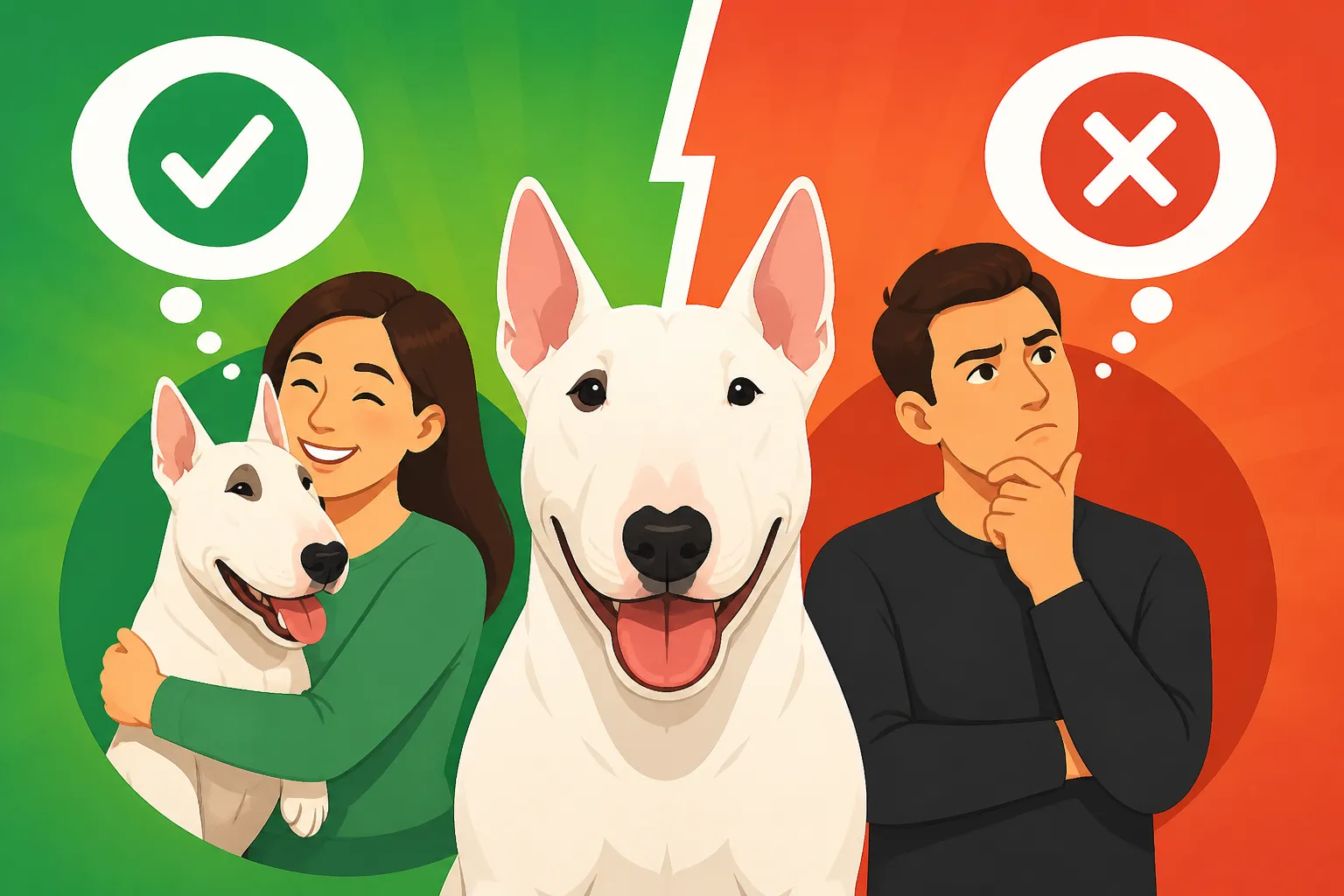
A Bull Terrier can make an ordinary Tuesday feel like a comedy show—and a simple walk feel like a full-body workout. But affection doesn’t erase the hard parts: the strength, the stubborn streak, the need for company, or the damage a bored dog can do. This guide helps you weigh what living with one is really like and decide whether you’d choose the breed again.
Why Bull Terrier owners may choose the breed again
The bond is big, physical and full of personality
Bull Terriers have a way of making themselves part of everything. Your dog may follow you from room to room, lean against your legs while you cook, or bring a toy over at the exact moment you sit down to work. Their affection can be wonderfully direct. For many owners, that closeness is a major reason they would welcome another Bull Terrier into the house.
They’re also famously entertaining. A Bull Terrier might carry a sock around like a trophy, turn a routine game into an elaborate performance, or suddenly sprint through the living room as if the carpet were a racetrack. That clownish energy can make a home feel lively. If you enjoy a dog with a strong personality rather than one that quietly blends into the background, the breed’s quirks can be part of the appeal. What a Bull Terrier's Temperament Is Really Like
The same qualities can be a lot to handle when you’re tired, busy or hoping for a calm evening. A dog that wants to be close may wedge itself beside you on the couch; one that is feeling playful may initiate a game when you would rather finish your dinner. Owners who find that charming are more likely to be content with the breed than people who want a reliably independent, low-contact companion.
It helps to ask yourself what kind of affection feels good to you. If you like a dog that greets you enthusiastically and is involved in household life, a Bull Terrier may feel like a natural fit. If you need substantial quiet time and a dog that happily entertains itself, the same attachment may feel demanding. That doesn’t make either preference wrong; it means the match matters.
Loyalty can be rewarding, but it comes with responsibility
Many Bull Terrier owners value the feeling of having a dog who is deeply invested in their people. A well-managed Bull Terrier can be playful, affectionate and eager to participate in daily routines. That doesn’t mean every dog will respond the same way, or that devotion automatically makes a dog easy to handle. Temperament, social experience, training and the home environment all shape how life together goes.
People considering the breed should look beyond the most appealing stories and ask what happens on an ordinary day. Can you make time for training even when progress is slow? Can you guide a strong dog calmly when there is a distraction across the street? Are you willing to set up sensible boundaries with visitors, children and other pets? Those questions are more useful than asking only whether the dog is “good” or “bad.”
The answer to “Would you choose one again?” often depends on whether someone enjoys the work that comes with the relationship. One owner may love the daily puzzle of training a clever, opinionated dog. Another may feel worn down by repeated reminders that a cue is not a legally binding contract. A Bull Terrier Trains When It Sees the Point
For a candid list of the learning curve, What Bull Terrier Owners Wish They Had Known can help you consider the less glamorous parts before you commit. If you’re new to dogs, also think carefully about Whether a Bull Terrier Suits a First Time Owner. Experience can help, but what matters most is being prepared to seek qualified training support and to manage the dog consistently.
What can make an owner hesitate
Strength and exuberance are not just charming traits
A Bull Terrier may look compact beside a much taller dog, but that doesn’t mean it is easy to redirect. A dog that lunges toward a smell, pulls to greet someone or launches into a burst of excitement can be a serious handful if leash skills are still developing. Even friendly body contact can knock over a small child or an older adult.
Owners who are happy with the breed usually plan for this rather than hoping the dog will simply “grow out of it.” They practise loose-leash walking in quiet places before expecting good manners in a busy park. They reward calm greetings and avoid letting a powerful dog rehearse jumping up on every visitor. They also use equipment that fits properly and ask a trainer for help when a particular problem keeps recurring.
Exercise needs also affect the decision. A Bull Terrier typically needs more than a quick trip outside to stay settled, but exercise is not simply about walking farther and farther. A dog may benefit from a mix of appropriate walks, training, play and sniffing opportunities, adjusted for age, health and individual temperament. How Much Exercise a Bull Terrier Actually Needs offers useful context when you are working out whether the breed fits your schedule.
There is a difference between having enough energy to take a dog out and having the daily structure to help it settle afterward. If your week regularly includes long stretches away from home, late workdays and little time for interaction, it’s worth thinking carefully about whether you can meet the dog’s needs. A lively dog does not need constant entertainment, but it does need routine, companionship and thoughtful activity.
Boredom and solitude can turn into real household stress
A Bull Terrier left without enough to do may chew, dig, rearrange belongings or find its own way to pass the time. That can be funny in a story and expensive or upsetting in your living room. A shoe or cushion destroyed while you were out may be a sign that the dog needs a safer setup, more gradual alone-time practice, better enrichment or help from a qualified professional—not a reason to punish the dog after the fact. What a Bull Terrier Does When It Is Bored
Alone-time tolerance varies from dog to dog, and it should be built gradually. A puppy or newly adopted adult may need a different plan from a settled dog that has already learned to relax at home. A comfortable resting area, suitable chew items, a predictable routine and short practice absences can help, but they are not a substitute for addressing separation-related distress when it is present. Why a Bull Terrier Cannot Be Left Alone All Day
It is also wise to make the home safer before problems start. Put away objects the dog could swallow, secure rubbish, protect vulnerable furniture and make sure gates or barriers are sturdy. For some owners, ordering routine supplies online through a retailer such as Chewy is convenient when local stores are out of a familiar food or a suitable enrichment item. Convenience does not replace checking that a product is safe and appropriate for your individual dog.
The dog’s social life can be another source of stress. Some Bull Terriers enjoy the company of other dogs; others need more space, careful introductions or ongoing management. A friendly puppy is not guaranteed to remain comfortable with every dog as an adult, so owners should observe their dog rather than assume that every park visit is a good idea. A Bull Terrier With Other Dogs
The practical realities that shape the decision
Time, money and household fit matter as much as affection
A Bull Terrier is not just a personality choice. Daily care includes food, routine veterinary visits, training, safe equipment, preventive care and the ability to handle unexpected needs. Individual expenses vary, so it is more useful to build a realistic household budget than to rely on a single figure someone else paid. Consider recurring costs as well as the occasional repair, replacement toy or specialist appointment.
| Part of life with a Bull Terrier | What to consider before deciding |
|---|---|
| Daily time | Walks, play, training, company and rest routines |
| Handling | Leash skills, greetings and the dog’s physical strength |
| Home setup | Secure storage, safe chew options and durable barriers |
| Social fit | Children, visitors, other pets and the dog’s comfort level |
| Ongoing costs | Food, routine care, training, equipment and unexpected needs |
| Lifestyle changes | Work hours, housing, travel and future caregiving plans |
A household with children can be a good home for a Bull Terrier when adults supervise interactions and teach children how to treat the dog respectfully. The dog should have a place to rest undisturbed, and children should not climb on, chase or corner it. A household with cats or other dogs needs an equally thoughtful plan; a history of living peacefully with one animal does not guarantee a safe relationship with every animal.
Housing rules deserve attention before bringing a dog home. Check lease terms, local requirements and any relevant insurance conditions rather than assuming a property will accept the breed. Also consider the practical details of daily life: whether you have access to safe walking routes, whether your entryway can manage muddy paws and excited greetings, and who will care for the dog if your routine changes.
A product retailer can make restocking ordinary supplies simpler, especially if your dog is comfortable with one particular food or has a favourite type of chew. Some owners use Chewy to compare available food, bedding or enrichment products, but choice alone does not determine what is suitable. Ask your veterinarian about diet or medical needs, and assess toys for durability, size and swallowing risk. An item marketed as tough can still be unsafe for a dog that shreds and swallows pieces.
The best match is the one you can sustain
Before choosing a Bull Terrier, picture a normal week rather than an idealized weekend. On a rainy Wednesday, can you still provide an outing and some engagement? If your dog pulls toward another dog, can you create distance and manage the moment safely? If a visitor arrives, do you have a plan for an enthusiastic greeting? If your dog needs training support, are you willing to adjust your approach rather than expecting instant results?
A realistic trial of your routine can reveal a lot. Set aside the time you expect to spend walking, training and playing, and see how it fits around work, family responsibilities and rest. Talk with responsible breeders or rescue staff about the individual dog’s history and needs. If possible, spend time around adult Bull Terriers, not just puppies. Puppies are appealing, but an adult dog gives you a clearer sense of size, energy and day-to-day behaviour.
The decision may also change with life circumstances. Someone who once loved the breed may decide that a new job, health issue or family situation makes another Bull Terrier impractical. That does not mean the relationship was a mistake. Likewise, someone may adore their dog but choose a different breed next time because they want a calmer or less physically demanding companion.
For other people, the answer is an enthusiastic yes. They accept the training, the planning and the occasional chewed object because the dog’s companionship suits them. They do not expect every Bull Terrier to behave identically, and they build their routines around the individual dog in front of them. Whether a Bull Terrier Is Expensive to Own is worth exploring alongside your time and housing considerations, since a good fit depends on more than affection.
How to decide whether you would choose one again
Use your own priorities rather than someone else’s verdict
Instead of asking whether Bull Terrier owners, as a group, would choose the breed again, ask which parts of the experience you personally value and which parts you can realistically manage. There is no single answer that represents every home. People have different expectations, resources and experience, and individual dogs vary too.
Try rating the following from “comfortable” to “would be a major problem”: a dog that seeks frequent attention, energetic play, slow training progress, strong leash behaviour, careful dog-to-dog management and regular planning around alone time. Be honest. If several of those sound like deal-breakers, the breed may not be the right choice for your current life, even if you find Bull Terriers adorable.
It can also help to separate a challenge from a hard boundary. A challenge might be learning to teach polite greetings with professional guidance. A hard boundary might be needing a dog that can reliably spend long workdays alone. Knowing the difference prevents you from adopting a dog based on hope that an essential part of its nature will disappear.
If you are already living with a Bull Terrier and wondering whether you would choose one again, consider the whole relationship—not just the most difficult week. What has improved with training? Which daily routines work? What support would make the hard parts easier? A more structured schedule, a different walking route or help from a qualified trainer may change the experience substantially. If a behaviour is sudden, intense or potentially dangerous, consult a veterinarian or an appropriately qualified behaviour professional.
A clear-eyed yes is better than a romantic one
A good reason to choose a Bull Terrier is not that the breed is perfect. It is that you understand the trade-offs and still want the particular kind of companionship it can offer. You enjoy its closeness, humour and bold personality, while accepting that strength, energy and training needs require attention. You have a plan for safe management and a willingness to adapt as the dog matures.
A poor reason is expecting a puppy to become a low-effort companion simply because you love the breed’s appearance. Another risky assumption is that a dog will automatically be friendly with every person and animal, or that exercise alone will solve chewing, separation distress or difficult behaviour. Those expectations can leave both the owner and dog frustrated.
If you’re still deciding, speak with owners who are honest about their routines, including the unphotogenic parts. Ask what they do when the dog is overexcited, how they manage time alone, what training helped and what surprised them. If you’re considering rescue, ask about the dog’s known history and any support the organization offers after adoption. If you’re considering a breeder, ask about health, temperament and how adult dogs from the line behave in everyday homes.
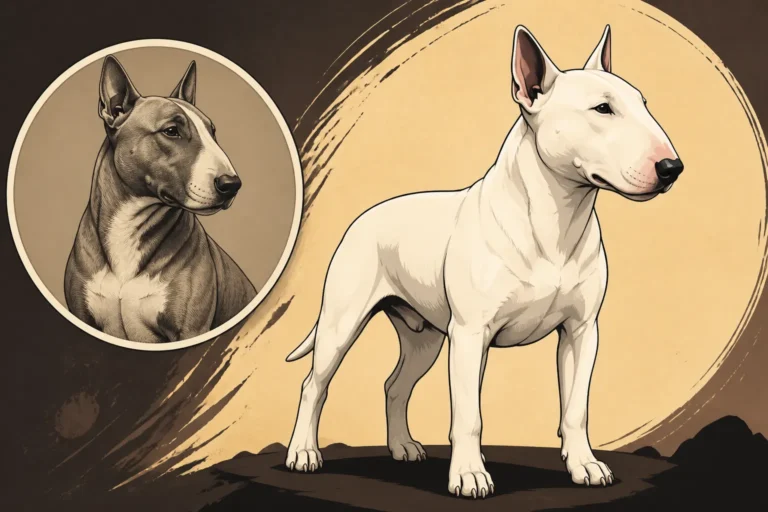
A Bull Terrier can be a deeply loved companion, but it is not the right match for every person or every stage of life. The most useful answer to “Would I choose one again?” comes from looking at both sides: the affection and laughter, and the work required to give the dog a safe, satisfying life. If that balance still feels right to you, you are making a more informed choice than someone who has only fallen for the egg-shaped head.
Disclaimer
This article is for general informational purposes only and does not constitute professional advice. Laws, prices and regulations vary by location and change over time. Consult a qualified professional for guidance on your specific situation.