Why the Spuds MacKenzie Bull Terrier Was Pulled
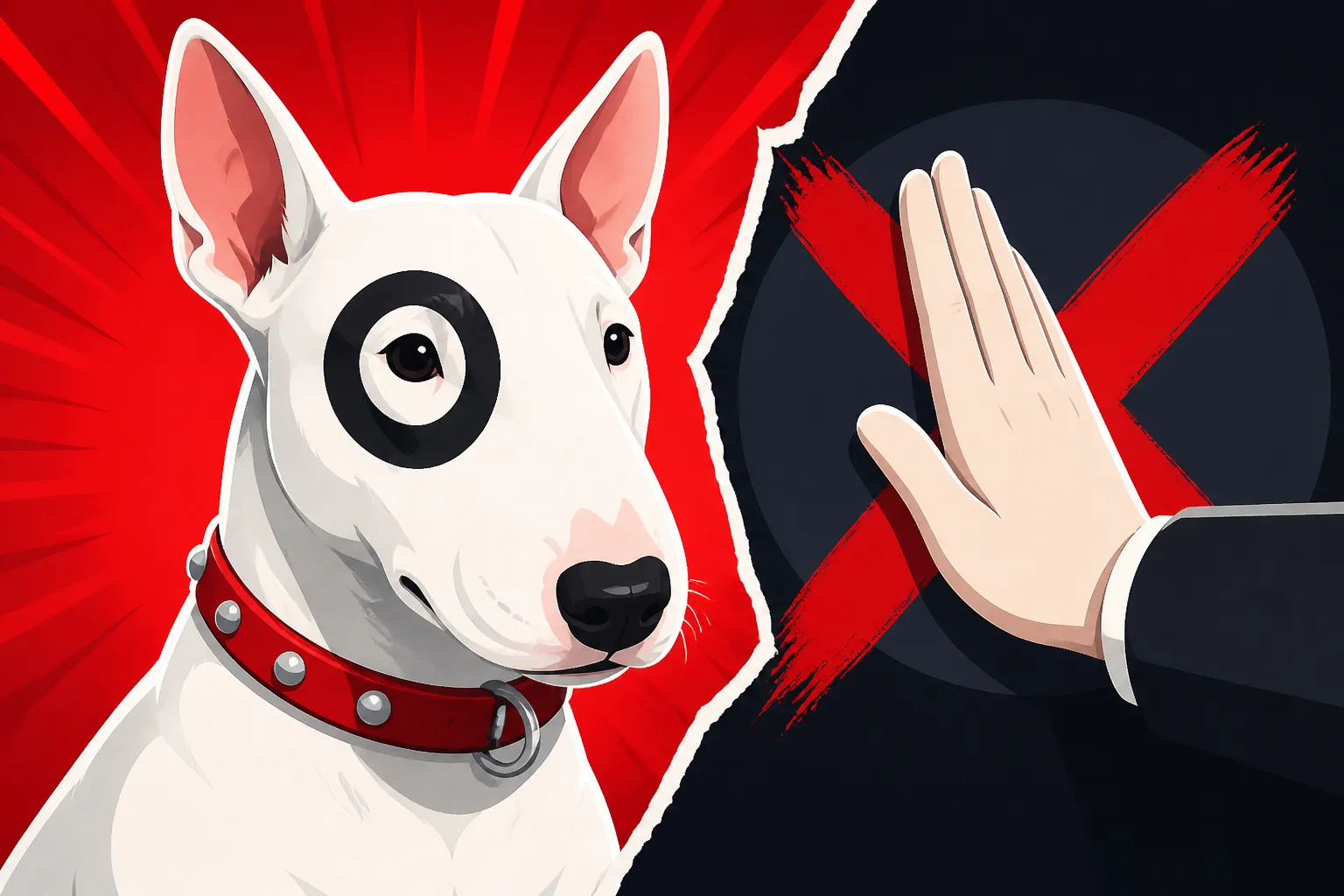
Spuds MacKenzie seemed to be everywhere: in Bud Light ads, at parties, and on a mountain of merchandise. Then the white Bull Terrier disappeared from the campaign, leaving people to wonder whether the dog was banned or pulled after a scandal. The short answer is that the ads ended after controversy over their appeal to young audiences, but the story is more complicated than a sudden shutdown.
Why the Spuds MacKenzie campaign ended
The character became a lightning rod
Spuds MacKenzie was introduced as a fun-loving mascot for Bud Light. The party scenes, jokes, and memorable dog made the character easy to recognize, and the campaign became a major part of the brand’s advertising. But the same playful style that made Spuds popular also prompted criticism: some people argued that a cartoonishly cheerful dog in beer ads could appeal to children.
That concern mattered because alcohol advertising is expected to be directed at adults, not minors. Critics questioned whether the ads’ tone and the mascot’s appeal blurred that line. The debate was not simply about whether children could identify a dog; it was about the larger package of youthful humor, attention-grabbing merchandise, and a character who felt more like a pop-culture celebrity than a conventional product spokesperson.
The controversy gave the campaign a harder edge than its party-ready image suggested. Even if adults were the intended audience, critics worried that children might still be drawn to the mascot and its accessories. For more on the dog behind the character, see Which Bull Terrier Played Spuds MacKenzie.
The campaign was retired after a short run
The Spuds campaign was retired after a few years. Its end is often described as the dog being “pulled,” which can sound like an abrupt ban or a single dramatic decision. A more careful description is that the campaign was phased out amid criticism about its appeal to young people, rather than conclusively stopped by a government order.
That distinction is useful because popular retellings tend to compress a complicated advertising debate into one neat explanation. There was public criticism, and the campaign ended. But those facts do not, by themselves, establish that a regulator forced the company to remove Spuds from television or that one specific event instantly ended the ads.
| What people often say | A more careful way to put it |
|---|---|
| Spuds was banned | The campaign ended; it is misleading to treat that as proof of a formal ban |
| The dog was pulled overnight | The character’s advertising run was retired after a relatively brief period |
| One scandal ended everything | Criticism about the ads’ possible appeal to children was part of the controversy |
| The dog was removed because it was a Bull Terrier | The debate centered on the campaign and alcohol advertising, not a breed-specific issue |
The phrase “pulled from the ads” is still understandable in everyday conversation. It just should not be mistaken for evidence of a specific legal order. The broader issue was whether a lovable, highly marketable mascot belonged in alcohol advertising when young viewers might also find it appealing.
Criticism and the campaign’s ending are related, but not identical
When a high-profile campaign ends during public criticism, it is tempting to assume the criticism alone caused the decision. The relationship may be real without being the whole story. Advertising campaigns change, companies move on to new creative ideas, and a once-popular character can become more trouble than it is worth when every new ad attracts scrutiny.
That is why the most responsible answer is not that Spuds was simply “banned for targeting kids.” The criticism helps explain why the campaign became contentious and why the character’s use was sensitive. But a confident claim about one decisive cause would go further than the available public story supports.
What the controversy was really about
A dog mascot can attract more than its intended audience
A campaign can be aimed at adults and still attract children. Dogs are naturally appealing to many people, and a mascot with a recognizable personality can become familiar outside the audience a company intended to reach. That does not automatically mean the advertiser designed the campaign for children, but it does explain why critics paid attention to the character’s broader appeal.
Spuds was not just a dog appearing briefly beside a product. He had a persona, a social world, and a strong presence across advertising and merchandise. Those qualities helped make him memorable. They also made the campaign’s audience harder to talk about as though only adult beer drinkers would ever notice it.
That tension still makes the story relevant. A mascot can be effective precisely because people remember and like it. In alcohol advertising, that success can raise uncomfortable questions about who else is watching, what messages the character sends, and whether the fun of the campaign overshadows the product’s risks.
The merchandise helped make Spuds a pop-culture figure
Spuds became a recognizable character beyond the television spots. Merchandise and public appearances helped create the impression that he was a celebrity dog, not merely a logo or a background prop. That visibility likely contributed to the debate: the more familiar the mascot became, the more people could argue about whether the campaign’s playful appeal crossed a line.
It is also worth separating the merchandise from the dog himself. Spuds was a fictional advertising persona played by a real Bull Terrier. The dog did not choose the campaign, promote alcohol independently, or understand the public argument around the ads. That distinction matters whenever a story about a mascot starts sounding like a story about the animal’s own behavior or intentions.
For a closer look at another common detail that gets muddled in retellings, read Whether the Spuds MacKenzie Bull Terrier Was Female. The real dog and the character were not quite the same thing, even though viewers often treated them as one.
The debate was about advertising, not a flaw in the breed
Nothing about the campaign’s controversy shows that Bull Terriers are inherently suited to alcohol promotion, or that the breed itself caused the ads to end. Spuds was chosen and presented as a character because he was distinctive and charismatic. The criticism focused on how a popular dog was used to sell beer and how that might land with younger viewers.
Bull Terriers are energetic, people-oriented dogs with their own needs and temperaments. They are not props who naturally behave like a party mascot in everyday life. Anyone drawn to the breed by the Spuds image should look beyond the advertising persona and learn about the real dog, including training, exercise, and responsible supervision. What People Get Wrong About the Bull Terrier is a useful place to start.
What happened to the real dog and the Bull Terrier image
Spuds was a character played by a real dog
The mascot’s larger-than-life personality was constructed for advertising. The dog who appeared as Spuds was a real Bull Terrier, but the scenes, settings, and character traits were part of a carefully planned campaign. It is easy to confuse the public image with the animal’s actual life, especially when the character becomes famous.
That distinction matters for another reason: people can see a celebrity dog and assume the breed is easy to own or naturally behaves in a particular way. In practice, a Bull Terrier is an individual dog, not a walking mascot. A future owner should consider the household’s routine, experience, and ability to provide training and companionship rather than relying on a beer commercial as a breed guide.
If the Spuds story has nudged you toward learning about Bull Terriers, consider their history and temperament separately from the campaign. Which Famous Bull Terriers Everyone Remembers puts the mascot in the wider context of the breed’s public image.
Popularity can have mixed effects on a breed
A famous mascot can bring a breed attention, but attention is not always the same as understanding. Some viewers may become curious about Bull Terriers; others may remember only a comic image and assume the breed is a carefree party dog. That gap between image and reality can lead to poor expectations when people choose a dog.
The effects of a celebrity campaign are difficult to reduce to one simple outcome. It may have helped make the breed more recognizable, but popularity can also encourage impulse decisions. A family attracted by a television character may not be prepared for the time, training, and management that a strong, spirited dog can require. The larger history of the breed’s public visibility is explored in Whether Spuds MacKenzie Caused a Bull Terrier Boom and Whether the Boom Hurt the Bull Terrier.
If you are considering a Bull Terrier, use reliable breed information and speak with responsible breeders or rescue organizations. Plan for ordinary daily needs: suitable food, safe enrichment, preventive veterinary care, and patient training. Some owners find it convenient to order routine food or supplies through Chewy, but a retailer cannot replace advice from a veterinarian or a knowledgeable breed professional.
How to understand the “pulled” story today
Separate the facts from the shorthand
A helpful way to remember the story is to separate three things: Spuds was a beer advertising character; critics objected to the campaign’s potential appeal to children; and the campaign was eventually retired. The shorthand that Spuds was “pulled” captures the fact that the ads stopped, but it can make the ending sound more legally definitive than it was.
If you encounter a version claiming the dog was banned, look for the specific distinction being made. Was the campaign criticized? Was it retired? Was there an official order? Those are different claims, and repeating them as though they mean the same thing can turn a nuanced advertising history into a misleading anecdote.
The story also illustrates a broader point about branding: a memorable mascot can outlast the campaign that created it. People remember Spuds because the character was distinctive, while the reason for the campaign’s end is often reduced to a single sentence. That makes careful wording especially useful.
Keep the mascot separate from responsible dog ownership
Spuds’ popularity does not change what a real Bull Terrier needs. A dog should not be chosen because it resembles a famous character or seems entertaining in an advertisement. Before bringing one home, think about daily exercise, consistent training, safe handling, and whether the dog fits your household. Learn about the breed’s history, too; Where the Bull Terrier Comes From offers useful context beyond its modern pop-culture associations.
For practical preparation, make a plan for food, enrichment, and routine care. Chewy may be convenient for ordering everyday pet supplies, but product choices should suit the individual dog, and health concerns belong with a veterinarian. If a new owner is unsure what toys are safe or what food is appropriate, getting professional guidance is more useful than copying what a fictional mascot appeared to enjoy.
Spuds MacKenzie was retired after a short, highly visible advertising run that drew criticism over whether the campaign could appeal to children. The character’s end was not simply a story of a Bull Terrier being banned; it was part of a wider debate about alcohol marketing, mascots, and the audiences that memorable advertising can reach.
Disclaimer
This article is for general informational purposes only and does not constitute professional advice. Laws, prices and regulations vary by location and change over time. Consult a qualified professional for guidance on your specific situation.