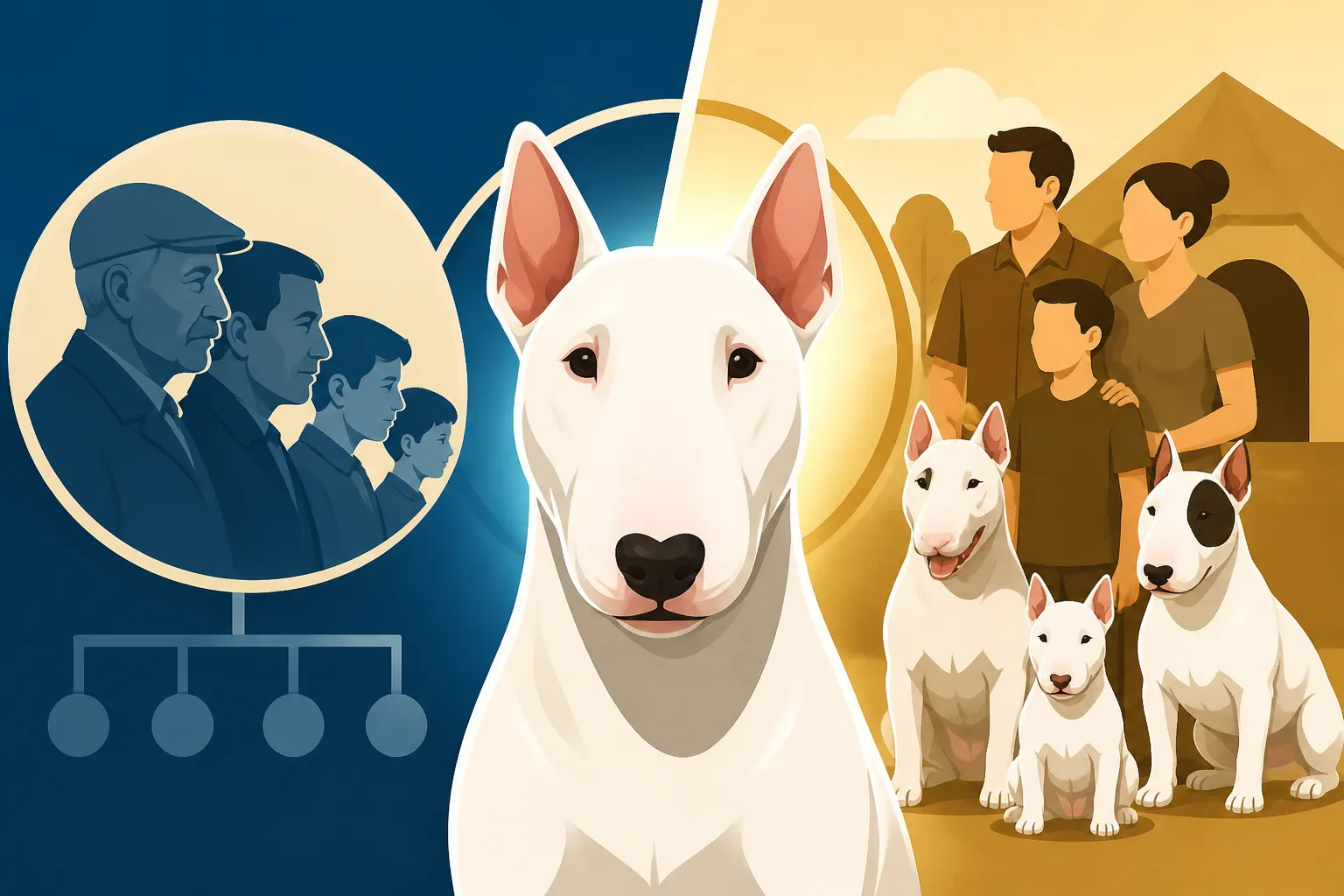
Whether the Hinks Family Bred Bull Terriers for Generations
It’s easy to look at a Bull Terrier today and marvel at its unique egg-shaped head and captivating triangular eyes, but many wonder about the historical journey that shaped this remarkable breed. Specifically, there's a common question about the foundational Hinks family: did their dedication to the Bull Terrier extend beyond the pioneering patriarch, James Hinks, spanning multiple generations, and how did that long-term commitment truly impact the breed we know and love? This guide delves into the Hinks family's legacy, exploring their multi-generational involvement and the enduring influence they cast on the Bull Terrier breed.
James Hinks: The Visionary and His Immediate Successors
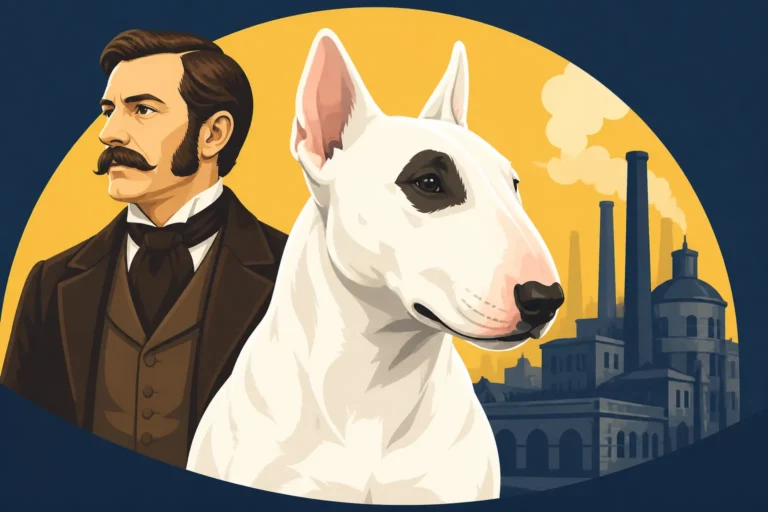
The story of the Bull Terrier is inextricably linked to one man: James Hinks of Birmingham, England. He wasn't just a casual dog breeder; he was a businessman with a keen eye for aesthetics and a clear vision for a new type of dog. His goal was to create a "White Cavalier," a dog that combined the strength and courage of the old bull-and-terrier types with an elegant appearance and a more refined temperament. He wanted a dog that was a gentleman's companion, not just a fighter.
The Architect of the Modern Bull Terrier
James Hinks’s most famous moment came in 1862 at the Cremorne Gardens dog show in Chelsea, London. There, he showcased his all-white Bull Terrier bitch, "Puss," and reportedly won a wager against a much larger dog, emerging without a scratch. This event cemented the Bull Terrier’s reputation as a courageous yet noble animal, setting it apart from its rough-and-tumble ancestors. He meticulously crossed the old Bull and Terrier with the English White Terrier and possibly other breeds like the Dalmatian, focusing on specific traits to achieve his ideal. The breed’s unique head shape, though not fully developed into the "downface" we see today, began its journey under his influence. James Hinks Built the Bull Terrier in Birmingham in the 1860s
Hinks's dedication was thorough, involving not just selective breeding but also careful observation of temperament and physical characteristics. He envisioned a dog that was both powerful and poised, a companion that could navigate urban society as easily as it could hold its own in a sport. This foundational work laid the genetic blueprint for what would become the distinctive Bull Terrier, influencing its physique, its characteristic upright ears, and its generally amiable, if sometimes stubborn, disposition. It was a monumental undertaking, requiring significant investment in time, resources, and an unwavering commitment to his vision.
The Immediate Successors: James Hinks's Sons Pick Up the Gauntlet
While James Hinks Sr. is rightly credited as the breed's founder, the idea that the Hinks family bred Bull Terriers for generations is indeed true, primarily through his sons, particularly James Hinks Jr. and Alfred Hinks. After their father's passing, they didn't just passively inherit a kennel; they actively embraced and continued his work with the same passion and dedication. This was crucial, as many nascent breeds can falter if their founder's vision isn't sustained by capable hands.
James Hinks Jr., in particular, proved to be a formidable force in the breed's development. He was instrumental in further refining the breed's distinctive "downface" or "Roman finish," which gives the Bull Terrier its iconic profile. His involvement ensured that the breed's development didn't stagnate or deviate wildly from the original "Hinks type." Both sons continued to exhibit and breed dogs, maintaining the family's prominence in the Bull Terrier world and ensuring that the breed evolved gracefully while retaining its core characteristics. Who Carried On the Hinks Bull Terrier Line
Their continued involvement allowed for consistency in type, temperament, and health considerations. They understood their father's lines intimately and could make informed decisions about pairings, contributing to the breed's stability during its formative years. This multi-generational commitment meant that the Bull Terrier wasn't just a fleeting trend but a breed with a sustained, evolving history guided by the same family principles.
Carrying the Torch: The Hinks Name Beyond the Founder
The impact of the Hinks family's continued involvement cannot be overstated. It wasn't just about breeding dogs; it was about shaping an entire breed's trajectory, establishing standards, and ensuring its recognition and acceptance in the wider dog-owning world. Their collective efforts fostered a sense of continuity that significantly benefited the Bull Terrier.
Evolving the Breed Standard and Maintaining Influence
James Hinks Jr. and Alfred Hinks didn't just maintain the status quo; they innovated. One of their most significant contributions was the reintroduction and acceptance of colored Bull Terriers into the breed standard. Initially, James Hinks Sr. had focused heavily on the all-white variety, leading to issues with deafness, which is more prevalent in white dogs. The sons recognized the value of bringing back color, which had been present in the breed's early ancestors, to broaden the gene pool and potentially address some health concerns. When Colored Bull Terriers Were Accepted
This move wasn't without controversy, but their influence and expertise helped pave the way for colored Bull Terriers to gain full recognition, enriching the breed both genetically and aesthetically. They maintained a strong presence in dog shows, advocating for the breed and demonstrating the continued quality of their lines. Their commitment ensured that the "Hinks type" remained a benchmark for other breeders, guiding the breed's development through critical decades.
The Family's Enduring Legacy in Bull Terrier History
The Hinks family's direct and indirect influence spanned several decades. While later generations might not have been as actively involved in breeding as James Hinks Sr. and his sons, the foundational principles and the "type" they established permeated the breed's consciousness. Their dedication meant that the Bull Terrier had a strong, consistent genetic base from which other breeders could then draw. This laid the groundwork for the future health and conformation of the breed.
Many prominent kennels that emerged later could trace their lines back to Hinks-bred dogs, demonstrating the lasting genetic imprint of the family. The sheer longevity of their direct involvement in breeding and showing provided a stable period of development for the Bull Terrier, allowing its unique characteristics to solidify. This long-term commitment prevented the breed from becoming fragmented or losing its identity in its early years, something that can easily happen without consistent guidance from its originators. It shows a deep-seated passion that transcended mere commerce, reflecting a true dedication to the animal itself.
The Impact of Multi-Generational Breeding on the Bull Terrier
A multi-generational commitment from a founding family has profound effects on any breed, especially one as distinctive as the Bull Terrier. It's not just about passing on a name; it's about passing on knowledge, experience, and a deeply ingrained understanding of the breed's nuances.
Consistency of Type and Temperament
One of the greatest benefits of the Hinks family's sustained involvement was the consistency it brought to the Bull Terrier's type and temperament. Breeding dogs successfully involves more than just pairing two animals; it requires an understanding of genetic lines, potential health issues, and desired behavioral traits. When this knowledge is passed down and refined over generations within a family, it creates a powerful continuity. How Long It Took to Fix the Bull Terrier Type
This consistent approach helped solidify the Bull Terrier's characteristic personality: a playful, often comical, yet brave and loyal companion. It also ensured that the physical traits, like the egg-shaped head and muscular build, became hallmarks of the breed. Without this generational oversight, there’s a higher risk of disparate breeding goals leading to a fragmented breed, where dogs within the same breed can look and act quite differently. The Hinks family provided that crucial guiding hand, ensuring that the Bull Terrier developed into a recognizable and predictable companion. They essentially curated the Bull Terrier experience for future owners, setting expectations for a dog that is both strong and sensitive.
The Transition to Modern Breeding Practices
While the direct Hinks family breeding operations eventually ceased to be the singular driving force, their legacy transitioned into modern breeding practices and the establishment of official breed clubs. The principles and standards they championed became the bedrock for these organizations. Today, breed clubs, like national Bull Terrier Clubs, meticulously maintain the breed standard, which is heavily influenced by the Hinks family's early vision. Whether the Bull Terrier Club Runs a Health Program
Modern breeders, even those many generations removed from the Hinks lineage, still implicitly follow the template established by the family. They strive for the conformation, temperament, and health benchmarks that the Hinks family worked so hard to establish. It's a testament to the enduring quality of their early work that their influence remains so pervasive. Even when searching for quality nutrition and supplies for your Bull Terrier, whether it's specialized food or sturdy toys, you often find yourself looking at extensive selections from retailers like Chewy, which indirectly caters to the well-established needs of the breed.
Notable Bull Terriers and The Hinks Connection
While specific names of every Hinks-bred champion might be lost to common memory, their overall impact on the breed’s visual identity and character is undeniable. They set the standard for what a Bull Terrier should look like and how it should behave.
The Hinks "Type" and its Enduring Influence
The term "Hinks type" refers to the specific physical and temperamental characteristics that James Hinks and his sons cultivated. This includes the distinctive head, the strong body, and the "gentleman's companion" demeanor—courageous but not aggressive, playful but dignified. This "type" became the aspirational goal for countless breeders who followed. It's the reason why, when you see a Bull Terrier today, there’s an immediate recognition of the breed, a direct lineage back to those early Hinks dogs. Whether Early Bull Terriers Looked Like Today's
This consistent visual identity helped the breed gain popularity and acceptance. People knew what to expect when they acquired a Bull Terrier, thanks to the decades of careful breeding and showing by the Hinks family. Their work instilled a sense of pride and a clear direction for the breed’s future, ensuring that the Bull Terrier would be celebrated for its unique attributes rather than becoming a generic "pit bull type." The Hinks type is truly the blueprint that has stood the test of time, proving the family's foresight and dedication.
Bull Terrier History and Family Continuity
The Hinks family's generational involvement provided a critical anchor for the Bull Terrier breed during its formative years. In an era before widespread genetic testing and formalized breed clubs, the continuity of a dedicated family guiding the breed's development was invaluable. They safeguarded the breed from becoming diluted or losing its defining characteristics, especially as it grew in popularity.
Their personal commitment meant an intimate understanding of individual dogs, their strengths, and their weaknesses, allowing for more informed breeding decisions than might have been possible with a fragmented group of breeders. This deep, personal connection to the lineage ensured that the Bull Terrier’s unique blend of athleticism, charm, and sometimes willful independence became firmly established. Today, as owners, we reap the benefits of their foresight, enjoying a breed that is truly one-of-a-kind. When considering what a Bull Terrier costs to buy or what its The Five Tests a Bull Terrier Breeder Should Have Paid For it's clear the importance of reputable breeding practices, echoing the dedication the Hinks family exemplified in setting a strong foundation. Even everyday essentials, from specialized dietary needs to robust toys, which are readily available through platforms like Chewy, are part of maintaining a Bull Terrier's well-being, a commitment that started with the Hinks' enduring care for their creation.
| Family Member | Primary Contribution to Bull Terrier | Period of Active Influence | Key Impact on Breed |
|---|---|---|---|
| James Hinks Sr. | Founder, "White Cavalier" concept | 1860s – 1870s | Established breed type, temperament, and white coat |
| James Hinks Jr. | Further refined "downface," accepted coloreds | 1870s – early 1900s | Developed iconic profile, broadened gene pool |
| Alfred Hinks | Continued breeding, showing | 1870s – early 1900s | Maintained consistency and family line's influence |
| Broader Hinks Family* | Sustained advocacy and breeding | Multiple decades | Ensured breed stability and continued development |
*While specific names beyond James Sr., Jr., and Alfred might not be widely documented for their direct breeding efforts, the family name remained associated with the breed for a significant period.
The story of the Bull Terrier is one of incredible dedication, beginning with James Hinks and extending through the diligent efforts of his sons, James Hinks Jr. and Alfred Hinks. Their multi-generational commitment ensured that the breed didn't just appear but flourished and developed its iconic characteristics. They were instrumental in guiding the breed through its formative years, establishing the physical standards and delightful temperament that Bull Terrier enthusiasts cherish today. Their legacy is evident in every distinctively headed, spirited Bull Terrier you encounter, a true testament to a family's enduring passion.
Disclaimer
This article is for general informational purposes only and does not constitute professional advice. Laws, prices and regulations vary by location and change over time. Consult a qualified professional for guidance on your specific situation.