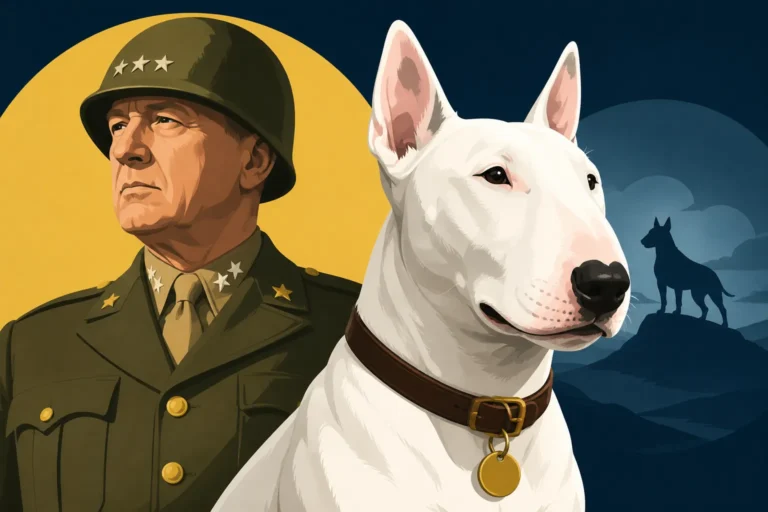
Why the Bull Terrier Outlived the English White Terrier
For anyone who has delved into the history of the Bull Terrier, a curious puzzle often emerges: how did this distinctive breed thrive and flourish, while its close cousin, the English White Terrier, simply faded into extinction? It's a question that speaks to the very heart of breed development, health, and the whims of public taste, and understanding the answer sheds light on what makes our beloved Bull Terriers so resilient and enduring.
The Rise of the Bull Terrier: A Vision of a "White Cavalier"
When James Hinks of Birmingham set out in the mid-19th century to create his ideal dog, he wasn't just aiming for another fighting pit champion. The world was changing, and while dog fights still existed, there was a growing desire for companion animals, dogs that could be shown and admired for their appearance and temperament, rather than just their tenacity. Hinks envisioned a "White Cavalier," a dog that embodied strength and courage but also had a gentlemanly elegance. This ambition was a critical fork in the road for the future Bull Terrier.
James Hinks and His Ambitious Goal
Hinks' genius lay in his forward-thinking approach. He began with the existing "bull and terrier" stock – dogs bred from Old English Bulldogs and various terriers, known for their grit and power. But he wasn't content to simply refine these. Instead, he introduced other breeds into his lines, carefully selected to imbue his dogs with specific characteristics. It's widely believed he incorporated the pure white English White Terrier for its elegance and pristine coat, the Dalmatian for its distinctive head shape, stamina, and good temperament, and possibly even the sleek Greyhound or Pointer for refinement and athleticism. This blend was crucial.
His goal wasn't just to make a dog look tough; he wanted a dog with a solid, balanced temperament that could excel in the emerging dog shows and be a loyal companion. The phrase James Hinks Built the Bull Terrier in Birmingham in the 1860s isn't just a historical footnote; it marks the beginning of a deliberate, multi-breed approach that sought to create a new, distinct identity. Unlike some breeders who focused on extreme characteristics, Hinks was building a dog that, while powerful, was also meant to be tractable and presentable. He sought to create a dog that wouldn't necessarily start a fight, but certainly wouldn't back down from one if provoked, earning it the moniker The White Cavalier: Why the Bull Terrier Never Started Fights. This balance of courage and composure was a major selling point.
A Focus on Health and Vigor (Relatively Speaking)
While the concept of "genetic health testing" as we know it today was decades, if not a century, away, Hinks' methodology implicitly led to a more robust breed. By drawing from a wider array of breeds, he inadvertently broadened the gene pool, mitigating some of the intense inbreeding issues that plagued many "purebred" lines of the era. This isn't to say early Bull Terriers were perfectly healthy – no breed is – but they were generally more vigorous than their English White Terrier counterparts.
The Bull Terrier's relatively better health profile, at least compared to its contemporary, gave it a significant advantage. A dog that could not only win in the show ring but also live a full life as an active family member was far more appealing and sustainable. Stories like the legendary Puss, Hinks' own Bull Terrier who famously won a wager at the 1862 Cremorne Show without a scratch, further cemented the breed's reputation for both beauty and resilient spirit. What Happened at the 1862 Cremorne Show illustrates this perfectly: a Bull Terrier that could hold its own, yet emerge unscathed, was a testament to its physical prowess and controlled demeanor. This intrinsic hardiness meant fewer heartbreaks for early owners, making the breed a more attractive long-term prospect.
The English White Terrier: A Breed Burdened by Its Own Beauty
In stark contrast to the Bull Terrier's trajectory, the English White Terrier followed a path that ultimately led to its demise. It was a breed born from a desire for pristine purity, a characteristic that became both its defining feature and its greatest weakness.
The Allure of Purity and Its Downfall
The English White Terrier was a truly beautiful dog, characterized by its elegant, refined build, erect ears, fine boning, and, most importantly, an absolutely spotless white coat. This pure white appearance was highly prized, seen as the epitome of cleanliness and aristocratic charm in the Victorian era. Breeders focused intensely on perpetuating this trait, often through close line-breeding and inbreeding to "fix" the all-white coloration and delicate conformation.
However, this relentless pursuit of aesthetic purity came at a devastating cost. The gene responsible for the pure white coat also carried a significant link to congenital deafness. This wasn't just a minor inconvenience; it meant a substantial portion of English White Terrier puppies were born profoundly deaf, making them incredibly challenging to train, manage, and integrate into bustling Victorian homes. Imagine the heartbreak and frustration of owners, only to discover their beautiful, delicate puppy couldn't hear a command or the sound of their voice. The very attribute that made the breed so desirable also sowed the seeds of its destruction.
Health Catastrophes and Breeding Dead Ends
Beyond the pervasive deafness, the English White Terrier suffered from a host of other debilitating health issues directly related to its narrow gene pool and selective breeding. They often had delicate constitutions, lacked the robust vitality of other terrier breeds, and were prone to various skin ailments. Their fine boning, while aesthetically pleasing, often meant they were more susceptible to injuries.
These accumulated health problems made the breed incredibly difficult to maintain and even harder to breed successfully. Litters were often small, and survival rates for puppies were lower. Breeders found themselves in a Catch-22: to maintain the prized pure white coat, they had to continue breeding closely related dogs, which only exacerbated the health problems. Owners, faced with expensive vet bills (even in an era when veterinary medicine was far less advanced) and the emotional toll of caring for chronically ill or profoundly deaf dogs, naturally began to look for more robust alternatives. The English White Terrier simply couldn't compete with breeds that, while perhaps less "pure" in color, offered a better chance at a healthy, long life. Its decline was inevitable, and by the early 20th century, the breed had effectively gone extinct, a sad testament to the dangers of extreme selective breeding. When the English White Terrier Died Out isn't just a historical note; it's a cautionary tale.
Divergent Paths: Breeding Strategies and Public Perception
The fates of the Bull Terrier and the English White Terrier diverged sharply due to a combination of intentional breeding choices and the evolving demands of dog ownership.
Broader Appeal vs. Niche Fascination
The Bull Terrier, even in its early forms, possessed a broader appeal. Hinks’ vision wasn't just about beauty, but also about creating a capable, engaging companion. The Bull Terrier's temperament, often described as clownish and full of personality, made it incredibly endearing to families. These dogs were spirited, strong, and active, but also deeply affectionate, earning them the nickname Why a Bull Terrier Is Called a Clown. They fit into the active lifestyles of many burgeoning middle-class families. They weren't just a pretty face; they were a character.
The English White Terrier, on the other hand, appealed to a very specific niche: those who valued extreme elegance and purity above all else. Its delicate nature and myriad health issues meant it was not a dog for everyone. It became a breed for connoisseurs, not for the everyday dog owner seeking a resilient companion. This limited appeal further restricted its breeding pool and hastened its decline. Moreover, the Bull Terrier’s eventual acceptance of colored variations – a hard-fought battle in its own right, documented in Colored Bull Terriers Were a Separate Fight – allowed for an even wider genetic base and broader public interest, further cementing its survival and popularity.
The Role of Health and Vigor in Survival
Ultimately, health was the decisive factor. While Bull Terriers, like any purebred dog, are not immune to genetic health issues – we know all too well about conditions like Hereditary Nephritis Takes Bull Terriers in Their Prime or Lethal Acrodermatitis Kills a Bull Terrier Puppy Before It Grows Up – their overall constitution was significantly more robust than that of the English White Terrier. The specific weaknesses that plagued the English White Terrier were often systemic and deeply embedded in its genetic makeup due to intense selection for its defining characteristic.
A Bull Terrier might face challenges, but it generally had the underlying vitality to overcome them, or at least to live a good life with proper care. Modern Bull Terrier owners, understanding their breed's predispositions, are incredibly diligent about sourcing quality diets and health supplies. For instance, platforms like Chewy make it incredibly simple to find specialized foods or veterinary-recommended supplements, ensuring that owners can proactively manage their Bull Terrier's health. You no longer have to trek across town to find that specific kidney-friendly diet or a joint supplement recommended by your vet; it's all readily available, a testament to how far pet care has come. This ease of access to quality care and proactive health management, even for conditions like What a Bull Terrier Breeder Should Have Tested, means Bull Terriers today have a far better chance at a full and healthy life than their English White Terrier predecessors ever did.
A Legacy Defined by Resilience
The Bull Terrier's survival and flourishing, in contrast to the English White Terrier's tragic disappearance, offer invaluable lessons for all dog lovers and breeders. It's a story of adaptability, careful selection, and the critical importance of a robust gene pool.
Adaptability and Evolution
The Bull Terrier was not a static breed. It continued to evolve in type, becoming the instantly recognizable "egg-headed" dog we cherish today. This unique cranial development, Where the Bull Terrier's Egg Shaped Head Came From, wasn't achieved overnight but through generations of selective breeding that refined its distinctive profile while maintaining its underlying strength. This willingness to adapt and refine its appearance, without sacrificing health, allowed the breed to capture and retain public interest. It was a dog that changed with the times, maintaining its core spirit while embracing new aesthetic ideals.
This ongoing evolution also allowed for continuous improvement in temperament and physical soundness, aspects that were paramount for a breed destined for both the show ring and the family home. The Bull Terrier's average lifespan, often around How Long a Bull Terrier Lives on Average, stands in stark contrast to the short, often troubled lives of many English White Terriers.
What Lessons We Learn from History
The story of the English White Terrier serves as a powerful, poignant warning about the perils of extreme aesthetic selection. When breeders prioritize one physical trait above all else, especially when that trait is closely linked to severe health consequences, the long-term viability of the breed is jeopardized. The English White Terrier was, in essence, bred out of existence by its own beauty.
For modern Bull Terrier owners and enthusiasts, this history underscores the immense importance of responsible breeding practices, genetic diversity, and comprehensive health testing. Today, resources are abundant for ensuring the health and well-being of our dogs. For example, if your Bull Terrier has developed skin sensitivities – a common breed issue – finding hypoallergenic shampoos or specialized foods is easier than ever. Online retailers like Chewy often provide detailed product information and reviews, helping you make informed decisions for your pet's specific needs, ensuring they get the best possible care from puppyhood through their senior years. This modern approach to informed ownership and access to resources is crucial for the ongoing health and prosperity of the Bull Terrier, ensuring it continues to thrive long after its less fortunate cousin vanished from the historical stage.
The Bull Terrier stands as a testament to the idea that a breed's strength lies not just in its physical power, but in its genetic resilience and the thoughtful decisions of those who guide its future.
Disclaimer
This article is for general informational purposes only and does not constitute professional advice. Laws, prices and regulations vary by location and change over time. Consult a qualified professional for guidance on your specific situation.