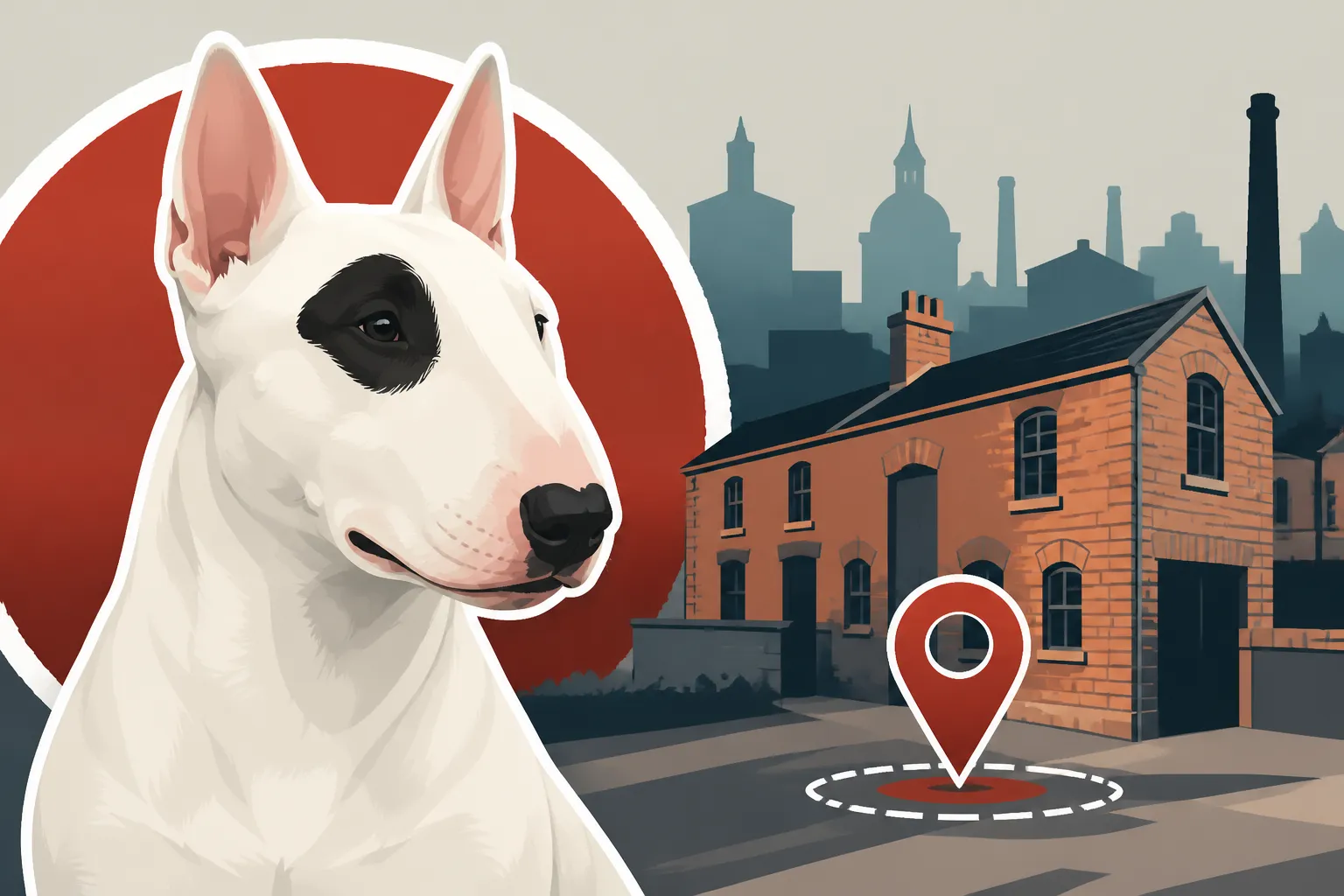
Where the First Bull Terrier Kennel Stood in Birmingham
It's easy to look at a Bull Terrier today, with their distinctive egg-shaped head and sparkling personality, and wonder where on earth such a unique dog came from. For us lovers of the breed, there's a deep fascination with its origins, and a natural question arises: where did it all truly begin, specifically, where was the first Bull Terrier kennel located in Birmingham? Many assume a grand estate, but the truth is a bit more grounded, reflecting the working-class brilliance of its creator. This guide will take you back in time to the heart of industrial England, exploring the exact environment that shaped our beloved Bull Terrier.
The Birthplace of the Bull Terrier: James Hinks and His Vision
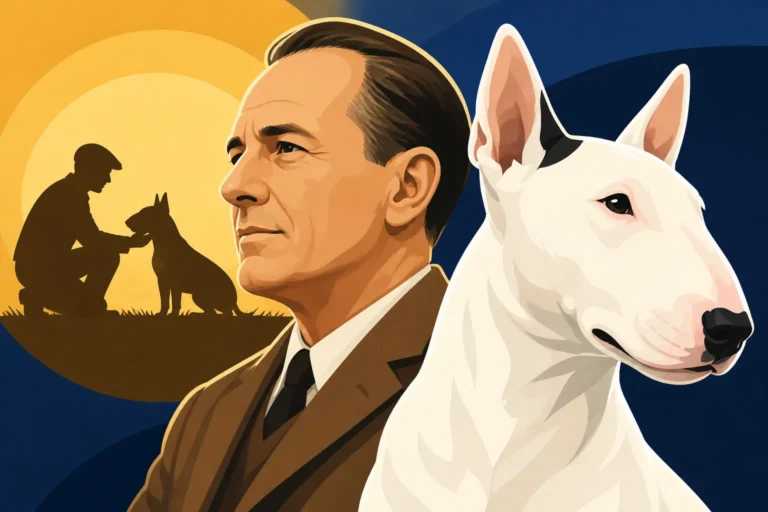
The story of the Bull Terrier begins not in a palatial country estate, but in the bustling, smoky heart of Victorian Birmingham, England. Our hero in this tale is James Hinks, a man whose entrepreneurial spirit and keen eye for dogs would change canine history forever. Hinks wasn't just a dog breeder; he was a self-made man who ran a successful string of businesses, including a bird dealer's shop and a general provision store, even dealing in ratting terriers and other breeds. This wasn't some isolated, academic pursuit; it was a gritty, hands-on endeavor deeply embedded in the daily life of a thriving industrial city.
Hinks had a clear vision: to create a dog that combined the strength and courage of the older "bull and terrier" types—dogs often used in fighting sports before they were outlawed—with a newfound elegance, intelligence, and a loyal, companionable temperament. He wanted a dog that was striking to look at, formidable if needed, but ultimately a gentleman's companion. This was a radical idea for the time, as many of the bull-type dogs were still associated with rougher elements of society. He aimed to elevate the breed, making it acceptable in more genteel company, truly earning its later moniker, "The White Cavalier."
His work wasn't just about mixing breeds; it was about meticulous selection and an almost artistic dedication to shaping a new type. He wasn't simply crossing dogs haphazardly. Instead, Hinks was carefully observing, assessing, and breeding to a specific ideal he held in his mind. This was a man deeply invested in his animals, understanding their temperaments and physical attributes in a way that truly set him apart. His goal was nothing less than a canine masterpiece, distinct from anything seen before, and he knew just the kind of place to bring it to life.
Birmingham's Role in the Breed's Genesis
Birmingham in the mid-19th century was a cauldron of innovation, industry, and social change. Known as the "Workshop of the World," it was a city of iron, steel, and a booming population. This environment, far from being a tranquil countryside, played a crucial role in the Bull Terrier's development. The city was home to a diverse array of people, from wealthy industrialists to skilled artisans and laborers, all of whom had a place for dogs in their lives, whether for work, sport, or companionship.
It was in this dynamic setting that the "bull and terrier" types flourished. These dogs were already a blend of the Old English Bulldog, valued for its tenacity and strength, and various terrier breeds, known for their quickness and keen hunting instincts. They were robust, powerful animals, often used in rat pits, badger baiting, and as general guard dogs. Hinks recognized the potential in these existing dogs, seeing the raw material for his elegant new creation. He understood that to create his "White Cavalier," he needed to start with a strong foundation, and Birmingham provided that foundation in spades. The city's working-class neighborhoods were alive with dogs of all descriptions, and Hinks was perfectly positioned to select the best of these for his ambitious breeding program.
The bustling nature of Birmingham meant that Hinks had access to a wide variety of dogs and dog enthusiasts. He wasn't isolated; he was at the center of a community where dog breeding and keeping were popular pastimes, not just for the elite, but for ordinary people. This facilitated the exchange of ideas, the observation of different canine traits, and the ability to acquire diverse genetic stock, all essential ingredients for a successful breeding project of this magnitude. It truly was the perfect storm of environment and vision.
James Hinks's First Kennels: A Specific Location?
Now, to the heart of the matter: where exactly was Hinks's first kennel in Birmingham? It’s important to understand that the concept of a "kennel" in the 1860s was often very different from the purpose-built, expansive facilities we might imagine today. For a tradesman like James Hinks, his "kennel" was likely an extension of his home and business premises, rather than a separate, dedicated building with a grand signpost.
Historical records suggest that James Hinks lived and operated in several locations within Birmingham during his lifetime, but his primary base during the formative years of the Bull Terrier was in the Sparkbrook area. While a precise street address for his very first, dedicated "kennel building" isn't widely publicized or recorded in the way a modern historical landmark might be, his operations would have been centered around his various properties in this district. Imagine a bustling, urban environment: his house, perhaps with a yard, outbuildings, or even space behind his shop where dogs could be housed and exercised. This was a practical, working setup, reflecting the hands-on nature of his breeding.
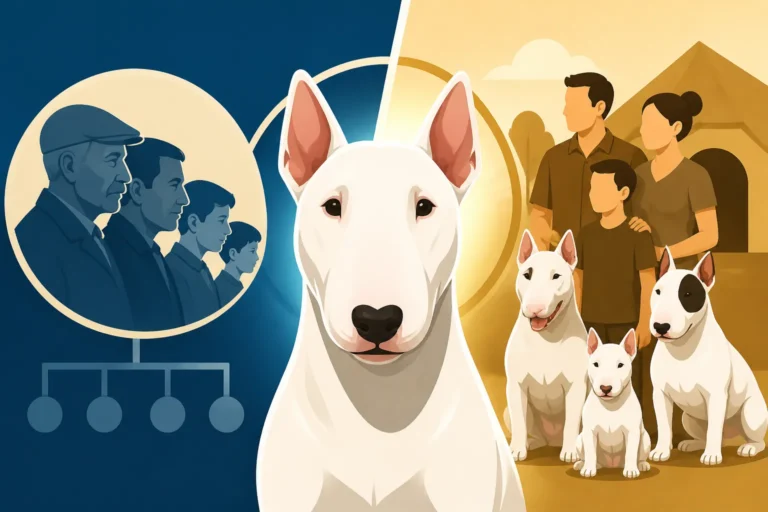
His dog breeding was deeply intertwined with his other commercial activities, such as his bird dealing and general store. This meant his dogs were always present, always under his observation, integrated into his daily life rather than sequestered away. The "kennel" was less a fixed building and more the entire working system he devised, likely spread across his properties in Sparkbrook, where he could maintain his stock, monitor his breeding pairs, and raise his puppies. It was a testament to his dedication that he could achieve such a remarkable feat within the confines of an urban environment, rather than a sprawling rural estate. The energy of Sparkbrook, a densely populated area, provided constant interaction and allowed him to carefully select dogs that thrived in a human-centric world.
The Transformation of the Bull and Terrier into the "White Cavalier"
Hinks's genius lay in seeing beyond the existing rough-and-tumble "bull and terrier" types and envisioning something more refined. He wasn't just interested in brawn; he wanted beauty, brains, and a balanced temperament. This transformation was a deliberate and painstaking process, requiring a deep understanding of genetics and a clear artistic ideal. He effectively curated a new breed, changing not just its appearance but its very public perception. The shift from a fighting dog to a gentleman's companion was monumental, and it took a master breeder like Hinks to achieve it.
This period was critical in setting the Bull Terrier apart from its ancestors. Hinks was aiming for a clean, almost sculpted look, and a temperament that was courageous but not aggressive without cause. He wanted a dog that could hold its own, but one that also commanded respect through its dignified presence and unwavering loyalty to its owner. This blend of strength and refinement became the hallmark of the Bull Terrier, a legacy that continues to define the breed today. What the White Cavalier Name Meant
The Influence of the English White Terrier and Dalmatian
To achieve his vision of the all-white, elegant canine, Hinks notably incorporated two other breeds into his breeding program: the now-extinct English White Terrier and the Dalmatian. The English White Terrier, a refined and stylish dog, contributed significantly to the Bull Terrier's striking white coat and its overall cleaner lines. These terriers were known for their elegance and often had distinct head shapes, which Hinks likely sought to adapt and improve upon.
The Dalmatian played a crucial role in lending refinement, stamina, and perhaps a touch of that unique 'clownish' personality that Bull Terriers are famous for. Dalmatians were known for their athletic build, their keen intelligence, and their distinct spotting (though Hinks was aiming for all white). How Much Dalmatian a Modern Bull Terrier Carries The infusion of these breeds helped Hinks move away from the heavier, more brutish appearance of the original bull and terrier crosses, creating a dog that was more agile, visually appealing, and possessed a unique character. This careful blend was key to distinguishing his new breed and ensuring it stood out in the burgeoning world of dog shows. These strategic crosses weren't just about appearance; they were about creating a healthier, more balanced dog.
The "White Cavalier" Ideal and Its Impact
The term "White Cavalier" became synonymous with Hinks's Bull Terrier, perfectly encapsulating his vision. He sought to create a dog that, despite its powerful physique, was a true gentleman's companion—courageous yet never quarrelsome, with an impeccable appearance. This was a direct contrast to the popular image of the fighting dogs of the era. Hinks championed a dog that would not instigate a fight but would finish one if provoked, thus proving its inherent courage without needing to be aggressive.
This ideal had a profound impact on the breed's acceptance and popularity. It appealed to a new class of dog owners, those who valued not only a dog's strength but also its noble bearing and loyal nature. The "White Cavalier" wasn't just a marketing slogan; it was a testament to Hinks's commitment to breeding a dog of superior character. This commitment fostered the Bull Terrier's reputation as a dignified, reliable companion, capable of excelling in the show ring and as a beloved family member. The White Cavalier: Why the Bull Terrier Never Started Fights It truly set the foundation for the Bull Terrier's distinctive temperament, a blend of pluck and affection that we cherish today.
Life and Legacy in Birmingham
The legacy of James Hinks and his Bull Terrier extended far beyond his immediate kennels in Sparkbrook. Birmingham remained a vital center for the breed's early development and popularization. Hinks's success demonstrated that a well-bred, aesthetically pleasing, and good-tempered bull-type dog could find widespread appeal. This not only boosted his own reputation but also put Birmingham on the map as the birthplace of this iconic breed. The local dog fancy scene thrived, with many aspiring breeders looking to Hinks's dogs as the gold standard.
His foresight in breeding for temperament as well as appearance meant that the Bull Terrier quickly gained a reputation that transcended its origins. It became a symbol of courage, loyalty, and distinctive style. The bustling energy of Birmingham, with its various dog sports and enthusiastic public, provided the perfect backdrop for this new breed to gain traction. Hinks didn't just breed dogs; he cultivated a movement, forever associating the Bull Terrier with the industrious spirit and innovative mindset of its hometown.
The Early Shows and Public Acceptance
One of the most pivotal moments in the Bull Terrier's rise to prominence occurred at the Cremorne Gardens dog show in London in 1862. This event was a turning point, showcasing Hinks's all-white Bull Terriers to a wider audience and fundamentally challenging preconceived notions about bull breeds. His famous dog, Puss, took center stage in a bold wager. Puss was pitted against a much larger, formidable bull-and-terrier type, and the bet was that Puss would emerge victorious without a single scratch.
The story goes that Puss won, indeed, without a mark, demonstrating the Bull Terrier's remarkable combination of agility, courage, and intelligent fighting style (or perhaps, its ability to avoid a fight while still proving its mettle). What Happened at the 1862 Cremorne Show This public display of the breed's capabilities solidified its reputation as the "White Cavalier"—a dog that was formidable, yet refined and controlled. This event, and subsequent victories, dramatically increased the breed's popularity and demand, cementing its place in the dog world. From Birmingham, the breed was quickly gaining national, and soon international, recognition.
The early dog shows were critical for establishing breed standards and distinguishing Hinks's dogs from generic bull and terrier crosses. These events provided a platform for breeders to showcase their best examples and for the public to learn about and admire the evolving breeds. For the Bull Terrier, these shows were instrumental in its acceptance as a distinct and desirable breed, further distancing it from its more utilitarian ancestors.
Enduring Influence on the Breed Today
The principles and ideals established by James Hinks in Birmingham continue to exert a profound influence on the Bull Terrier breed today. The breed standard, which describes the ideal characteristics of a Bull Terrier, still echoes Hinks's original vision for an elegant, powerful, and courageous companion. From the distinctive egg-shaped head to the triangular eyes and muscular build, every aspect reflects the careful selection and breeding that began in those modest Birmingham kennels.
Even the temperament, often described as "a three-year-old in a dog suit," traces back to Hinks's desire for a dog that was playful, spirited, and deeply devoted to its family. Breeders today strive to maintain that unique blend of intelligence, mischief, and unwavering loyalty. What a Bull Terrier's Temperament Is Really Like The emphasis on health and a balanced disposition, rather than just physical prowess, remains a cornerstone of responsible Bull Terrier breeding. Hinks's work laid the groundwork for a breed known for its robust health (though certain genetic conditions, like those related to deafness in whites, later emerged) and enduring charm. Where the Bull Terrier Comes From
When you look at a Bull Terrier, you're not just seeing a dog; you're seeing a living piece of history, a direct descendant of Hinks's original "White Cavaliers" from Birmingham. The dedication to improving the breed and preserving its unique qualities continues through dedicated Bull Terrier fanciers and organizations worldwide, all building upon the foundation established over a century and a half ago.
Beyond the Original Kennel: Early Bull Terrier Breeding Practices
While Hinks was the progenitor, the early growth of the Bull Terrier breed involved a community of breeders, many inspired by his success, who also contributed to its development, often starting with stock acquired directly or indirectly from Hinks's lines. The concept of a "kennel" evolved, but the core practices of meticulous observation and selective breeding remained paramount. Early breeders weren't just mass-producing puppies; they were striving to replicate and refine the "Hinks type," often working with limited resources and knowledge of genetics that we have today.
These practices were often informal by today's standards. There were no DNA tests for Whether the Bull Terrier Acrodermatitis Test Is Reliable or sophisticated veterinary health screens as we know them. Breeders relied heavily on their eyes, their experience, and their intimate knowledge of their dogs' pedigrees, often passed down verbally or in handwritten notes. It was a craft, honed over generations, within a community that shared a passion for these unique dogs. This made the physical location of the "kennel" less critical than the knowledge and dedication of the breeder themselves.
Breeding for Type and Temperament
Hinks's primary goal wasn't just a pretty face; it was a dog with a specific "type" – meaning a combination of physical characteristics and temperament. The elegance of the all-white coat, the Roman finish to the head (the distinctive downface), and the strong, muscular body were all part of this type. But equally important was the temperament: a courageous spirit, keen intelligence, and an affectionate, even-keeled nature. He actively sought to breed out the excessive aggression sometimes found in the older bull-and-terrier types, replacing it with a confident, self-assured demeanor.
This focus on temperament was revolutionary. Hinks understood that for his "White Cavalier" to be truly accepted as a gentleman's companion, it needed to be reliable and trustworthy in society. This meant selecting for dogs that were naturally good-natured with people, while still retaining their ancestral courage and protective instincts. Whether a Bull Terrier Was Bred to Start Fights This careful balance of traits is what makes the Bull Terrier so special today—a dog that can be a goofy clown one moment and a steadfast protector the next. It’s a testament to these early breeders that these traits have been so well preserved, despite the challenges of early breeding practices.
The Spread of the Breed from Its Roots
As the Bull Terrier's reputation grew, so did the demand for Hinks's dogs. Puppies and young adults from his Birmingham lines began to spread, first across Britain, then to other parts of the world. Early adopters of the breed included enthusiasts in Europe and North America, drawn by the unique appearance and formidable yet friendly reputation of the "White Cavalier." This diaspora of Bull Terriers from its Birmingham origins was critical for establishing the breed internationally.
The export of these early dogs meant that the breed's genetic foundation was laid in various countries, leading to the development of national breed clubs and standards. While each country might have subtly different interpretations of the ideal, the core characteristics established by Hinks remained universally recognized. The journey of the Bull Terrier from a specific set of kennels in an industrial city to a beloved breed across continents is a fascinating story of ambition, selective breeding, and the enduring appeal of a truly unique canine companion. And though you can now find specialized foods and toys for your Bull Terrier from retailers like Chewy anywhere, the breed's origins remain firmly rooted in the hard work and vision of its Birmingham creator.
| Characteristic | Old Bull and Terrier Types | James Hinks's White Bull Terrier (The "Cavalier") |
|---|---|---|
| Primary Purpose | Fighting, ratting, general utility | Gentleman's companion, show dog, loyal family pet |
| Appearance | Stocky, often rough-coated, varied color | All white, smooth coat, distinct egg-shaped head |
| Head Shape | More traditional "stop" between eyes | Smooth, Roman finish, "downface" without a stop |
| Eye Shape | Round, often lighter in color | Small, dark, triangular |
| Temperament | Often tenacious, sometimes aggressive | Courageous but never quarrelsome, playful, loyal |
| Social Acceptance | Associated with working class, fighting | Elevated status, companion for all classes |
| Size | Variable, often compact and powerful | More refined, specific height/weight ideal |
| Influence Breeds | Old English Bulldog, various terriers | English White Terrier, Dalmatian, old Bull/Terriers |
Modern Bull Terrier Ownership: Continuing the Legacy
Today, owning a Bull Terrier means appreciating this rich history and understanding the unique traits that James Hinks worked so hard to establish. It's about recognizing that underneath their clownish exterior lies a dog with courage, loyalty, and an independent spirit, all carefully cultivated in the heart of industrial England. We owe a debt of gratitude to Hinks and the early Birmingham breeders for giving us such an extraordinary companion.
When we consider the care and upbringing of a Bull Terrier, we're not just thinking about their immediate needs, but also about honoring their heritage. Providing them with proper socialization, consistent training, and understanding their physical and mental needs is part of continuing that legacy. It means understanding How Much Exercise a Bull Terrier Actually Needs and ensuring they have appropriate outlets for their energy, just as Hinks envisioned them as active, capable dogs. We also ensure they have access to the best nutrition, with many owners opting for high-quality kibble from trusted brands found on platforms like Chewy, a far cry from the varied diets of the 19th century.
The enduring popularity of the Bull Terrier speaks volumes about the success of Hinks's vision. From its humble beginnings in the bustling streets of Birmingham to its status as a beloved breed worldwide, the Bull Terrier remains a testament to careful breeding, a clear ideal, and the powerful bond between humans and their canine companions.
Disclaimer
This article is for general informational purposes only and does not constitute professional advice. Laws, prices and regulations vary by location and change over time. Consult a qualified professional for guidance on your specific situation.