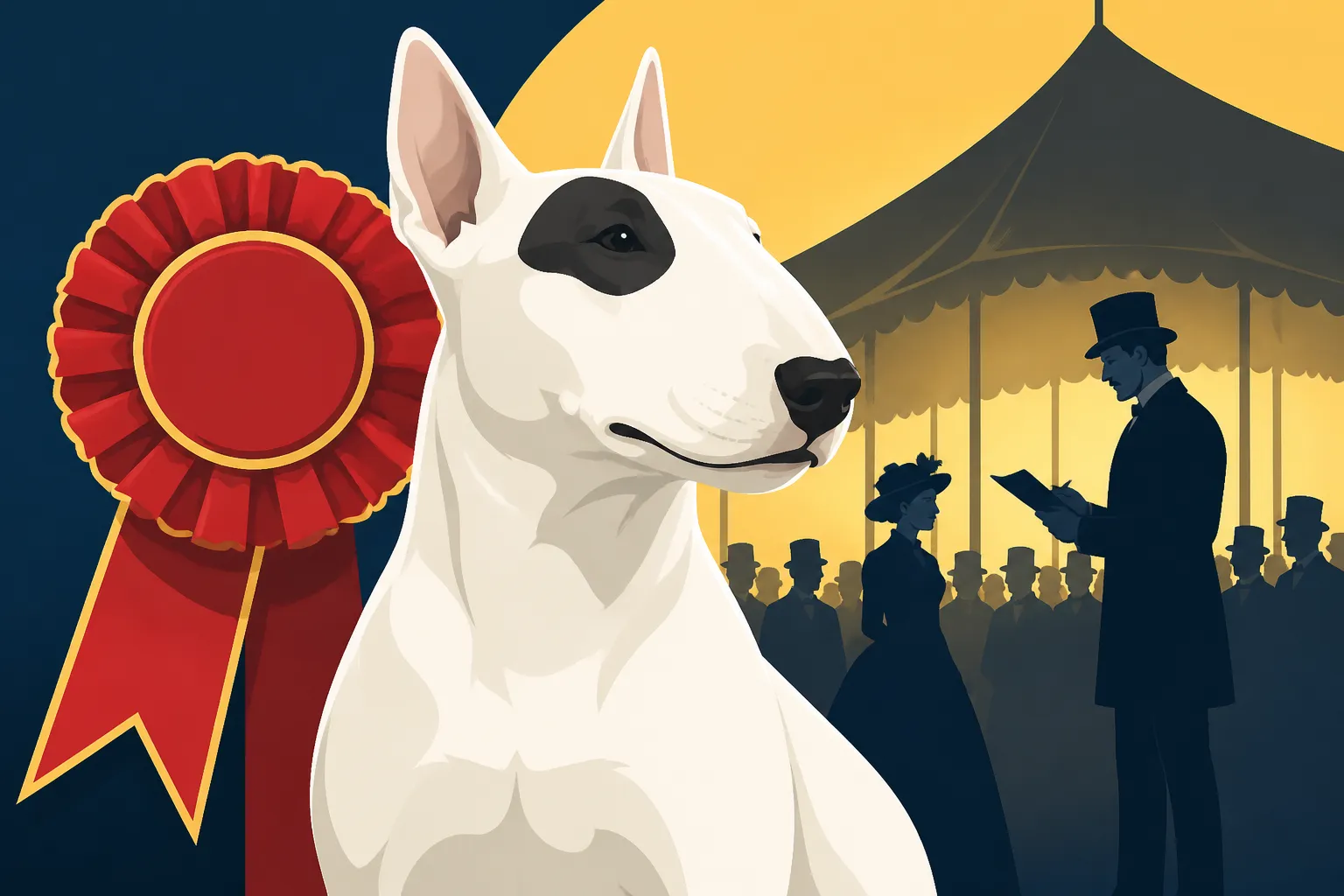
What Happened at the 1862 Cremorne Show
There's a persistent whisper in the Bull Terrier world, a legendary tale from 1862 that has shaped the breed's image for generations. It’s a story many owners hear but few truly understand the depth of, often reduced to a simple anecdote about a dog named Puss. But what really happened at the 1862 Cremorne Show, and why does this single event continue to resonate so profoundly with us Bull Terrier enthusiasts? This guide will peel back the layers of history and myth to reveal the truth behind this pivotal moment, explaining its lasting impact on the magnificent breed we adore today.
The Dawn of the Modern Bull Terrier and James Hinks
Before we dive into the spectacle of Cremorne, it's crucial to understand the foundation upon which this event rests: the vision and ambition of one man, James Hinks. His dedication to refining the Bull and Terrier types into something truly unique laid the groundwork for the breed's future.
Who James Hinks Was and His Vision
James Hinks wasn't just a dog breeder; he was a true innovator, a Birmingham-based fancier with an eye for potential and a clear aesthetic goal. In the mid-19th century, the dog world was a vastly different place. There were "bull and terrier" crosses, certainly, dogs bred for their tenacity and strength, often associated with dog fights and rough-and-tumble pursuits. But Hinks saw something more, something elegant and refined, yet still embodying the robust spirit of its ancestors. He wanted a dog that was courageous and athletic, yes, but also a gentleman's companion, distinguished and handsome enough to be shown in the burgeoning world of dog exhibitions. His goal was to create a dog that was all white, symmetrical, and possessing a clean, powerful outline. His work transformed the rougher "bull and terrier" into the distinct Bull Terrier we recognize today. Indeed, James Hinks Built the Bull Terrier in Birmingham in the 1860s, a feat that solidified his place in canine history.
Hinks’ vision was audacious for its time. He wasn't just breeding for function; he was breeding for form, for a specific type that would stand out in the show ring. He meticulously selected dogs, likely incorporating the now-extinct English White Terrier for its pristine coat, and possibly Dalmatians and even Greyhounds to achieve the desired elegance and athleticism. His breeding program was a testament to selective breeding, aiming to produce a dog that, while retaining the courage of its ancestors, would be a symbol of refined power rather than brute aggression. He was a master of his craft, and his passion for the nascent Bull Terrier was undeniable.
The Genesis of the White Cavalier
The result of Hinks' meticulous breeding was a dog he affectionately dubbed "The White Cavalier." This wasn't just a catchy name; it was a carefully crafted identity. In an era where many "fighting" breeds carried a reputation for indiscriminate aggression, Hinks actively sought to distance his Bull Terriers from such negative connotations. He wanted them to be known for their courage, yes, but also for their impeccable manners and dignified demeanor, especially around people. The "Cavalier" part of the name implied a gallant, noble spirit, a dog that was brave but never a bully, a loyal companion rather than a weapon.
This rebranding was genius. It shifted the public perception of the breed from a brawling pit dog to a sophisticated, protective companion suitable for gentlemen. The White Cavalier: Why the Bull Terrier Never Started Fights was a narrative Hinks cultivated diligently, showcasing his dogs not just for their physical prowess but for their temperament. This emphasis on character was groundbreaking and crucial for the Bull Terrier's acceptance into polite society and the competitive dog show scene. It wasn't enough for his dogs to win; they had to win with grace and demonstrate a controlled, intelligent spirit that belied their powerful appearance.
Setting the Scene: Dog Shows of the Mid-19th Century
The context of the 1862 Cremorne Show is as important as the event itself. Dog shows were relatively new phenomena, vibrant spectacles that captured the public imagination and served as crucial platforms for breeders.
The Popularity and Purpose of Early Dog Exhibitions
In the mid-19th century, dog shows were burgeoning social events, a fascinating blend of sport, entertainment, and serious breeding competition. They weren't just about parades of pretty dogs; they were showcases for working ability, stamina, and the evolving standards of emerging breeds. For breeders like James Hinks, these shows were vital opportunities to present their stock, demonstrate their quality, and, importantly, prove the temperament and capabilities of their dogs to a wider audience. Imagine a bustling, lively atmosphere, filled with spectators eager to see the latest and greatest canine specimens, to place bets, and to discuss the merits of various breeds.
These early shows also played a significant role in standardizing breeds. Before formal kennel clubs and breed standards were universally adopted, dog shows provided a common arena for fanciers to compare and contrast dogs, influencing breeding choices and shaping the physical traits that would eventually become enshrined in breed specifications. It was a time of great experimentation and passionate debate, where individual breeders had immense influence. Winning at a prominent show could elevate a breeder's reputation and significantly increase the value and demand for their puppies. This competitive environment fostered rapid development and refinement in many breeds, including the Bull Terrier.
Cremorne Gardens: A Venue for Spectacle
The choice of venue for the 1862 show was no accident. Cremorne Gardens, located in Chelsea, London, was a renowned pleasure garden, famous for its grand fêtes, entertainment, fireworks displays, and general revelry. It was the place to see and be seen, attracting a diverse crowd from all walks of life. Holding a dog show at Cremorne elevated it beyond a mere agricultural exhibition; it made it a fashionable event, drawing a larger, more sophisticated audience eager for spectacle.
This setting provided the perfect backdrop for James Hinks' ambitious agenda. He wasn't just showing a dog; he was making a statement. The lively, often boisterous environment of Cremorne Gardens allowed for more than just judging; it enabled demonstrations, challenges, and the kind of dramatic public spectacle that would capture headlines and etch itself into popular memory. For a breed trying to shed an unsavory reputation and carve out a new identity, a high-profile platform like Cremorne was invaluable. It allowed Hinks to introduce his "White Cavaliers" to an audience that might otherwise only associate "bull and terrier" types with less savory activities.
The Famed Wager: Puss vs. the World
This is where the story truly comes alive, a tale of courage, composure, and a dog named Puss that became a legend. The 1862 Cremorne Show wasn't just another dog exhibition; it was the stage for an unforgettable demonstration that cemented the Bull Terrier's reputation.
The Challenge Issued and Accepted
The legend goes that at the Cremorne Show, a challenge was issued by a group of gentlemen, either skeptics or rivals, who doubted the true fighting prowess of James Hinks' impeccably bred white Bull Terrier, Puss. They perhaps viewed Puss as too refined, too much of a "cavalier" to possess the raw grit and tenacity of the older bull and terrier types. The wager, if we believe the stories, was substantial: a purse of money, maybe even a crate of champagne, riding on whether Puss could defeat a much larger dog, often cited as a much heavier Bulldog. This wasn't a formal ring fight, but an impromptu trial of courage and fighting skill. It was a public challenge, a direct dare to Hinks to prove his breeding philosophy.
Hinks, a man of considerable confidence in his dogs and his breeding program, accepted the challenge without hesitation. This wasn't just about Puss; it was about validating his entire vision for the Bull Terrier. He believed in the inherent gameness and strength of his line, tempered by intelligence and control. The stakes were high, not just financially, but for the future reputation of his beloved breed. He had to prove that his elegant White Cavaliers were not just pretty faces, but dogs of substance, capable of defending themselves and winning when necessary, but doing so without malice or unnecessary aggression. This moment set the stage for one of the most iconic anecdotes in Bull Terrier history.
The Showdown: Puss's Performance
Accounts vary slightly in detail, but the core of the story is consistent: Puss, a white Bull Terrier bitch, was pitted against a formidable opponent, usually described as a much larger, heavier bulldog. The crowd, no doubt, was buzzing with anticipation. Such impromptu trials of strength were not uncommon at the time, and the spectacle would have been enthralling. Hinks watched, confident, as his Puss engaged. What ensued was not a brutal, bloody brawl that might have been expected from lesser-bred dogs. Instead, Puss reportedly used her agility, speed, and intelligent fighting style to outmaneuver her larger adversary.
The key to the legend is that Puss supposedly defeated her opponent without sustaining a single scratch. This detail is crucial. It wasn't just that she won; it was how she won. She didn't engage in a reckless, uncontrolled attack. Instead, she displayed strategic thinking, quick reflexes, and an ability to avoid injury while delivering effective counter-attacks. This performance was a testament to the Bull Terrier's unique blend of power, athleticism, and intelligence that Hinks had worked so hard to cultivate. What Puss the Bull Terrier Did at Cremorne was to showcase the breed's superior fighting technique and controlled aggression, distinguishing her from the brute force of other fighting dogs.
The "White Cavalier" Reputation Forged
Puss's victory at Cremorne was more than just winning a wager; it was a public relations coup for James Hinks and the fledgling Bull Terrier breed. The sight of this elegant white dog, emerging from a contest victorious and unscathed, solidified the narrative that Hinks had been building: the Bull Terrier was the "White Cavalier." It proved that these dogs possessed unparalleled courage and fighting spirit, but crucially, they did so with a certain distinction, a clean-fighting style that set them apart. This outcome resonated deeply with the public and elevated the breed's status considerably.
The event became a cornerstone of the Bull Terrier's origin story, a powerful anecdote that demonstrated their unique qualities. It helped dispel the notion that they were mere pit fighters and instead showcased them as intelligent, capable, and honorable combatants. This carefully managed perception allowed the Bull Terrier to gain acceptance in dog shows and as a fashionable companion, marking a significant departure from the less refined bull and terrier types that preceded it. It was a defining moment that forever linked the Bull Terrier with the ideal of a "gentleman's companion," brave and protective, yet always composed.
The Lasting Legacy of the 1862 Cremorne Show
The echoes of the Cremorne Show extend far beyond a single day in 1862. It imprinted itself on the Bull Terrier's identity, influencing how the breed was perceived, bred, and developed for generations.
Elevating the Bull Terrier's Status
The triumph of Puss at Cremorne Gardens significantly elevated the Bull Terrier's status, not just in Hinks' estimation, but in the eyes of the dog-loving public and aristocratic society. Suddenly, this relatively new breed wasn't just another variation of a working dog; it was a symbol of courage, intelligence, and refined strength. Owners, particularly gentlemen, sought out Hinks' White Cavaliers, eager to possess a dog that embodied such sterling qualities. This surge in popularity meant greater demand, allowing Hinks to further refine his breeding program and establish the breed's type more firmly.
Beyond mere popularity, the event helped position the Bull Terrier as a breed worthy of serious consideration within the burgeoning world of pedigree dogs. It demonstrated that these dogs could compete and excel, not just in physical contests, but in the realm of perceived character and distinction. The "White Cavalier" ideal became synonymous with the breed, a benchmark against which future generations of Bull Terriers would be measured. This elevation in status was critical for the breed's long-term survival and development, ensuring it was seen as a valuable and desirable canine companion.
Shaping the Breed's Future and Public Perception
The Cremorne incident profoundly shaped the future direction of Bull Terrier breeding and public perception. Breeders, inspired by Puss's performance, began to emphasize not only the physical traits of the breed but also its temperament, intelligence, and controlled gameness. The ideal Bull Terrier became one that was robust and powerful, but equally composed and amenable to human companionship, reinforcing Hinks' original vision. This focus helped steer the breed away from purely combative roles, even as their inherent courage remained a prized trait.
The story also became a powerful tool for explaining the breed's unique character to newcomers. When people questioned the Bull Terrier's origins or perceived aggression, the tale of Puss at Cremorne served as a compelling counter-narrative. It illustrated that while capable, the breed possessed a dignity and intelligence that set it apart. Even today, the legendary "unscathed" victory informs discussions about the Bull Terrier's temperament and its suitability as a family pet, highlighting its controlled nature and discerning use of strength. It contributed significantly to the breed earning its rightful place as a gentleman's companion.
Beyond the Legend: Separating Fact from Fiction
While the legend of Puss at Cremorne is powerful, it's also important to approach historical anecdotes with a critical eye. Not every detail may be precisely as the storytellers have painted it over the generations.
The Nuances of the Story
Like many historical accounts passed down through time, the specifics of the 1862 Cremorne Show have likely been embellished or simplified over the years. It's difficult to verify every single detail, such as the exact opponent Puss faced, the size of the wager, or whether she truly emerged "without a scratch." Historical records from that era are often less precise than modern reporting. However, the essence of the story – that James Hinks presented a Bull Terrier who demonstrated superior fighting intelligence and courage in a public forum, thereby elevating the breed's reputation – is almost certainly true and widely accepted within breed history circles.
It's also worth considering the context of dog sports at the time. While formal dog fighting was becoming illegal and frowned upon, informal trials of gameness and strength still occurred. The idea of a challenge and a wager would not have been out of place in that period. The power of the story lies not just in its factual accuracy, but in its narrative impact, creating a foundational myth that eloquently captures the desired spirit and qualities of the Bull Terrier. It's a testament to Hinks' marketing genius and the impressive qualities of his dogs that this story took such a firm hold. Whether the Cremorne Bull Terrier Story Is True in every minute detail might be debated, but its historical significance is not.
The Enduring Myth of the Bull Terrier as a "Fighting Dog"
Despite Hinks' efforts and the "White Cavalier" narrative, the Bull Terrier, like many breeds with a "bull" in their name, continues to struggle with the misconception of being an inherently aggressive "fighting dog." The Cremorne story, while intended to showcase controlled gameness, can inadvertently feed this myth if not understood in its proper historical context. It's crucial for modern owners and prospective owners to remember that the Bull Terrier, as bred today, is primarily a companion animal, celebrated for its unique personality, loyalty, and often clownish nature. Whether the Bull Terrier Was a Fighting Dog is a nuanced question, as their ancestors certainly were, but Hinks actively bred for a different type of temperament.
The term "fighting dog" carries heavy baggage and often leads to breed-specific legislation and negative stereotypes. While the Bull Terrier possesses incredible strength and determination, a well-bred and properly socialized Bull Terrier is typically a loving, if sometimes boisterous, member of the family. The gameness seen in Puss was about courage and tenacity, not wanton aggression. Understanding the historical context of the Cremorne Show helps us appreciate the breed's origins without perpetuating harmful modern-day myths. It highlights that the breed has evolved significantly since those early days, with a strong emphasis now placed on stable and friendly temperaments suitable for modern households.
Here’s a quick summary of the key players and their roles in this legendary event:
| Element | Description | Significance |
|---|---|---|
| James Hinks | Visionary breeder from Birmingham, credited with developing the modern Bull Terrier from older "bull and terrier" types. | Architect of the "White Cavalier" ideal, aimed for refined courage and companionship. |
| Puss | Hinks's celebrated white Bull Terrier bitch, the protagonist of the Cremorne Show legend. | Embodied the new Bull Terrier type; her victory cemented the breed's reputation for intelligent gameness and distinction. |
| Cremorne Gardens | Popular pleasure gardens in Chelsea, London, serving as the high-profile venue for the 1862 dog show. | Provided a public and fashionable stage for Hinks to showcase his breed and challenge existing perceptions. |
| The Wager | An alleged challenge where Puss was pitted against a larger, heavier bulldog (or similar dog) to prove her fighting ability and gameness. | A dramatic public spectacle that proved the Bull Terrier's prowess and Hinks's breeding philosophy. |
| Outcome | Puss reportedly defeated her opponent without suffering any injury, demonstrating superior skill and control. | Forged the "White Cavalier" reputation, proving the Bull Terrier was courageous, intelligent, and refined, not merely aggressive. |
| Legacy | Elevated the Bull Terrier's status, shaped future breeding to emphasize temperament alongside physical traits, and became a defining story for the breed's identity. | Continues to inform understanding of the Bull Terrier's character and historical context, while helping to dispel modern misconceptions. |
Conclusion
The 1862 Cremorne Show, and the legendary performance of James Hinks's Bull Terrier, Puss, is far more than just a quaint historical anecdote. It’s a pivotal moment that dramatically shaped the Bull Terrier breed as we know it today. It was a testament to Hinks' vision of the "White Cavalier" – a dog of unparalleled courage, intelligence, and composure, capable of standing its ground but always with dignity. This event helped move the Bull Terrier from the shadowy world of pit fighting into the spotlight of respectable society and dog shows, defining its character and public image for over a century. Understanding this history helps us appreciate the tenacity, intelligence, and unique spirit of our Bull Terriers today, knowing that their roots are steeped in a legacy of refined strength and a truly captivating story.
Disclaimer
This article is for general informational purposes only and does not constitute professional advice. Laws, prices and regulations vary by location and change over time. Consult a qualified professional for guidance on your specific situation.