Who James Hinks Was
Many Bull Terrier enthusiasts admire the breed's distinctive looks and charming personality, but few truly know the dedicated individual who brought this unique dog into existence. It's easy to appreciate the finished product without understanding the painstaking vision and effort involved. This guide will delve into the life and work of James Hinks, the pioneering breeder who meticulously crafted the Bull Terrier we know and love today, revealing his motivations, methods, and lasting legacy.
The Man Behind the White Cavalier
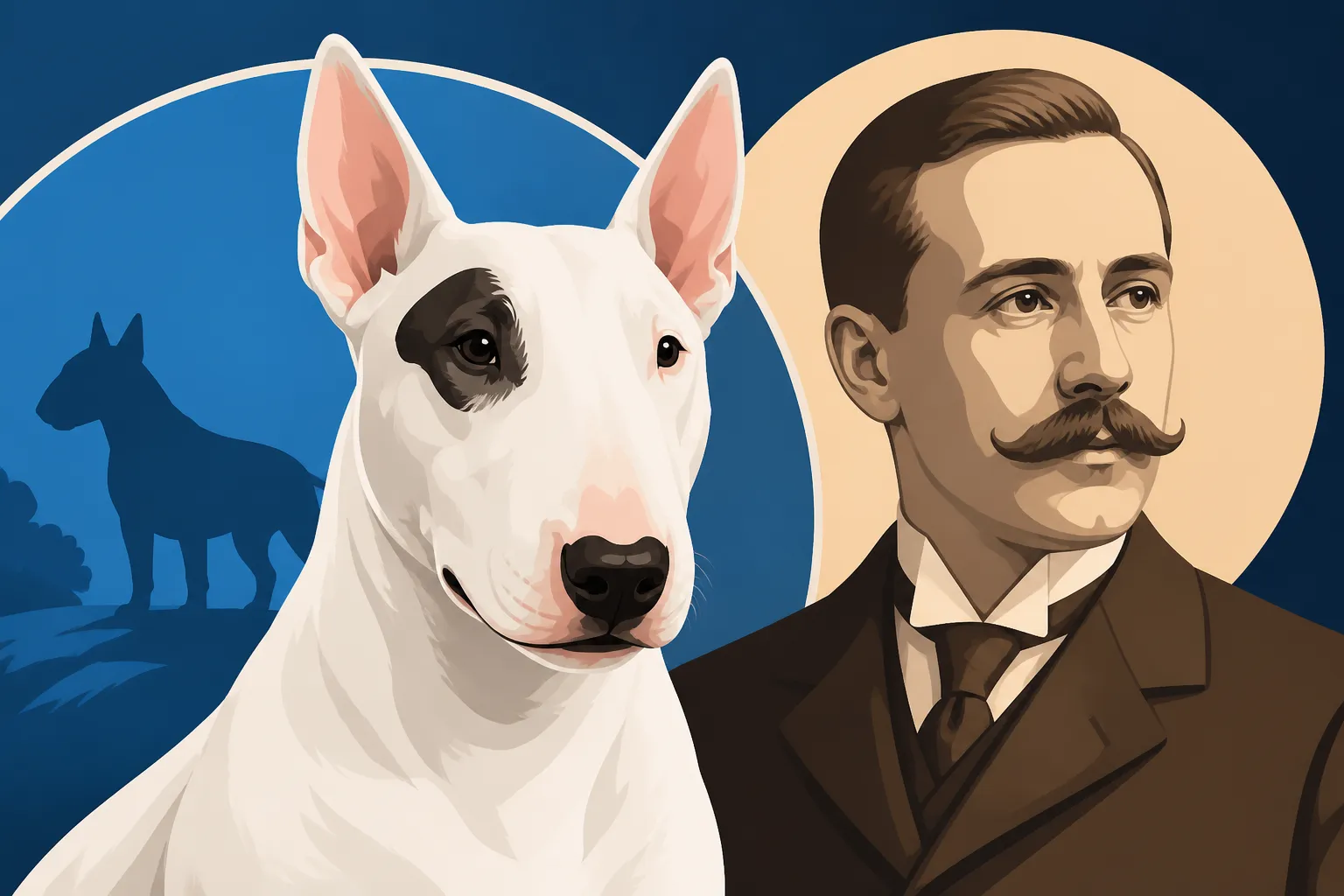
The story of the Bull Terrier begins not with an ancient lineage, but with the focused determination of one man: James Hinks. Born in the heart of England's industrial revolution, Hinks was a keen observer of dogs and a visionary breeder who saw beyond the rough-and-tumble fighting dogs of his era. He envisioned something nobler, a dog that retained the courage and physical prowess of its ancestors but presented a refined, gentlemanly appearance. He wasn't just breeding dogs; he was curating an ideal, shaping a breed that would become synonymous with both strength and elegance.
Birmingham Roots and Early Life
James Hinks hailed from Birmingham, a bustling hub of innovation and industry in the mid-19th century. This wasn't a rural setting for dog breeding; it was a city teeming with people, opportunities, and a prevailing interest in various dog sports and working breeds. Hinks himself was a bird and animal dealer, which meant he had a deep, practical understanding of animal husbandry and genetics, long before such terms were formally defined by science. His business gave him access to a diverse array of dogs and a keen eye for traits, health, and temperament. He wasn't merely an amateur hobbyist; he was a professional with a livelihood tied to his ability to select and breed animals. This background provided him with an unparalleled advantage, offering both the experience and the critical resources needed to embark on such an ambitious breeding project. He understood the nuances of phenotype and genotype in an intuitive way that allowed him to make informed decisions about pairings and desired outcomes.
His early experiences with various breeds and his sharp business acumen allowed him to cultivate an intimate knowledge of dog characteristics. He understood which traits were desirable, not just for utility, but for aesthetics and temperament. This hands-on understanding, coupled with his innate passion, laid the groundwork for his groundbreaking work with the Bull Terrier. He wasn't afraid to experiment or to stray from conventional wisdom if it meant achieving his ultimate goal. Many of his contemporaries bred for specific working traits alone, but Hinks had a grander artistic vision for what a dog could be.
The Vision for a New Breed
Hinks’ vision for the Bull Terrier was revolutionary for its time. He wasn't interested in merely enhancing a fighting dog; he wanted to create a companion, a "gentleman's dog" that exuded courage and spirit without the aggression associated with its forebears. His goal was an all-white dog, possessing strength, agility, and an unparalleled elegance. This desire for an all-white coat was not just an aesthetic choice; it was a statement. In an era where dog fighting, though waning, still existed, an all-white dog carried a certain vulnerability. It was easily marked, easily seen, and its pristine appearance symbolized a departure from the gritty, utilitarian nature of the fighting pit.
He sought to blend the formidable power of the Old English Bulldog with the agile grace and intelligence of the terriers, but critically, he wanted to temper the raw aggression that often characterized these crosses. His ideal dog would be spirited and robust, yet refined enough to accompany a gentleman without causing alarm. It was a conscious effort to elevate the breed, transforming it from a mere working animal into a distinguished companion and a symbol of prestige. This was a challenging undertaking, requiring a deep understanding of genetics and a steadfast commitment to his breeding philosophy.
Crafting the Original Bull Terrier
Creating the Bull Terrier was no simple task. It involved careful selection and cross-breeding over several generations, a true testament to Hinks' dedication and foresight. He combined several distinct breeds, each contributing specific traits, to arrive at his ideal "White Cavalier." This wasn't a haphazard process but a deliberate, calculated effort to sculpt a new canine form.
Blending Bull-and-Terrier Stock
The foundation of Hinks' work was the existing "Bull and Terrier" type dogs. These were not a formally recognized breed but rather a generic term for crosses between bulldogs and various terriers, primarily bred for dog-fighting and ratting. They possessed immense strength, tenacity, and gameness, but often lacked uniformity in appearance and temperament. Hinks recognized their raw potential but aimed to refine them. He wanted to retain their formidable qualities – their courage, resilience, and powerful build – while mitigating their less desirable traits, particularly uncontrolled aggression and a coarse appearance. He carefully selected individuals that showed the most promise in terms of build, health, and manageable temperament, slowly nudging the genetic needle towards his envisioned ideal. He knew that the core essence of strength and determination was vital, but it needed to be packaged differently.
He understood that to create a truly distinct breed, he couldn't just throw dogs together; he needed a structured breeding program. This meant selecting specific Bull-and-Terrier individuals that, despite their varied looks, carried the underlying characteristics he desired. His primary aim was to stabilize these traits, ensuring that successive generations would consistently produce dogs with the desired combination of power and elegance. This foundational stock provided the "bull" in Bull Terrier – the immense physical presence and unwavering determination – which he then sought to balance with other influences.
The Influence of the English White Terrier
A crucial component in Hinks' recipe was the now-extinct English White Terrier. This breed, known for its elegant build, clean white coat, and refined head, played a significant role in achieving the desired aesthetic. By introducing the English White Terrier, Hinks was able to achieve the all-white coat he coveted, as well as introduce a more graceful silhouette and a finer bone structure than was typically found in the rugged Bull-and-Terrier crosses. This move was pivotal in shifting the breed away from its rough-and-tumble origins towards the "White Cavalier" image. The English White Terrier also contributed to the breed's distinct head shape, moving away from the flatter skulls of the Bulldogs. To learn more about how this characteristic was refined, you can read How the Bull Terrier's Head Changed Over Time.
The English White Terrier was instrumental in refining the Bull Terrier's appearance. It helped to streamline the body, create a more elegant gait, and, most importantly, provide the dominant gene for the striking white coat that became the breed's hallmark. This refinement was essential for Hinks' vision of a gentleman's companion. It wasn't enough for the dog to be brave; it also had to look the part of a sophisticated, well-bred animal. Without the contribution of the English White Terrier, it's unlikely Hinks would have achieved the pristine, uniform white appearance that set his dogs apart.
Incorporating the Dalmatian
While the Bull-and-Terrier provided the brawn and the English White Terrier offered refinement and color, some historians and enthusiasts believe the Dalmatian was also subtly introduced into the mix. The theory is that the Dalmatian contributed to the breed's signature egg-shaped head and, importantly, its graceful arch over the loin and active, athletic movement. The Dalmatian is also a breed known for its distinctive spots on a white coat, and some suggest it was used to enhance the white coloration or even influence the later introduction of colored Bull Terriers. For more detail on this specific genetic contribution, consider Whether the Dalmatian Is in the Bull Terrier.
The inclusion of the Dalmatian, though debated by some, would align perfectly with Hinks' goal of creating a dog that was not only powerful but also aesthetically striking and physically capable of longer excursions. Dalmatians are known for their endurance and their distinctive profile, characteristics that would have further refined the Bull Terrier’s overall appearance and athleticism. Hinks was aiming for a balanced dog – one that was tough but also elegant, and the Dalmatian's attributes would have certainly contributed to this sophisticated blend. Understanding Which Breeds Went Into the Bull Terrier helps paint a complete picture of Hinks’ masterful work.
The Era of the White Cavalier
With his new breed taking shape, James Hinks was ready to introduce his "White Cavalier" to the world. He didn't just breed dogs; he marketed them, presenting them as a superior alternative to the older, coarser types of bull and terrier. This era marked a significant shift in the public perception of these powerful dogs.
The 1862 Cremorne Dog Show Debut
The pivotal moment for Hinks and his new breed arrived in 1862 at the Cremorne Dog Show in London. He exhibited his pristine white Bull Terriers, most famously a bitch named Puss. The story goes that Puss faced a much larger, more experienced Bull and Terrier in a wager, demonstrating her courage and prowess without suffering a single scratch. This legendary tale, whether entirely factual or partly embellished, perfectly encapsulated Hinks' vision: a dog with the heart of a fighter, but the composure and immaculate appearance of a gentleman. The show was a resounding success, capturing public imagination and firmly establishing the "White Cavalier" as a distinct and desirable breed. To read more about this famous event, see What Happened at the 1862 Cremorne Show.
The Cremorne show was a masterstroke of publicity. It showcased not just the physical attributes of Hinks' dogs, but their temperament and fighting spirit, carefully framed within a controlled environment that emphasized their superior breeding. Puss's performance cemented the idea that these dogs were indeed "cavaliers" – brave, honorable, and refined. This event was crucial in differentiating Hinks' Bull Terriers from the rougher, less predictable types. It proved that a dog could be formidable without being brutish, elegant without being delicate, a perfect blend for the discerning Victorian gentleman.
A Gentleman's Companion, Not a Fighter
Hinks actively promoted his Bull Terriers as gentleman's companions, a deliberate move to distance them from the brutal world of dog fighting. He emphasized their striking appearance, loyal temperament, and undeniable courage, positioning them as symbols of status and refined taste rather than tools for combat. This was a bold stance in an era still grappling with the ethics of animal sports. The image of the "White Cavalier" became synonymous with dignity, integrity, and controlled power, appealing to a burgeoning middle class seeking fashionable, yet formidable, pets. This re-branding was instrumental in the breed's early popularity. For an understanding of his motivations, check out Why Hinks Wanted an All White Dog and What the White Cavalier Name Meant.
The term "White Cavalier" was no accident; it evoked an image of chivalry and honor, contrasting sharply with the negative connotations of dog fighting. Hinks wanted his dogs to be seen as loyal protectors and stylish companions, capable of defending their masters but never instigating conflict. This carefully cultivated image allowed the Bull Terrier to gain acceptance in polite society, securing its place not just as a distinct breed, but as a respected member of the canine world. Owners appreciated that they owned a dog with a formidable reputation, but one that was also a trusted member of the family, equally at home on a country estate or strolling through a city park.
Hinks' Legacy and Family
James Hinks' impact on the Bull Terrier breed was profound and continues to resonate today. His work laid the essential groundwork, but his vision was carried forward by his family, ensuring that the Bull Terrier evolved and adapted while retaining its core characteristics.
Passing the Torch to His Children
James Hinks tragically died young in 1878, but his legacy did not end with him. His children, particularly his sons James Hinks Jr. and Frederick Hinks, inherited their father's passion and breeding expertise. They meticulously continued his work, refining the breed further and adapting to changing preferences within the dog world. James Hinks Jr. was particularly influential, maintaining the high standards set by his father and ensuring the Bull Terrier's continued success and recognition. It's a testament to the strong family foundation Hinks built that his children were not only willing but capable of carrying on such a significant breeding program. They were immersed in the world of dogs from a young age, learning firsthand the intricacies of selection, care, and promotion.
The Hinks family understood the importance of consistency and vision. They continued to promote the Bull Terrier as a distinctive and noble breed, building on the foundation their father had so carefully established. Their efforts ensured that the breed maintained its unique characteristics and growing popularity, adapting to new challenges such as the acceptance of colored Bull Terriers later on. Without their continued dedication, the breed might have faltered or lost its defining traits. For more on the continuation of his work, read Who Carried On the Hinks Bull Terrier Line. Many breeders today can still trace their lines back to the foundations laid by the Hinks family.
Lasting Impact on the Breed Standard
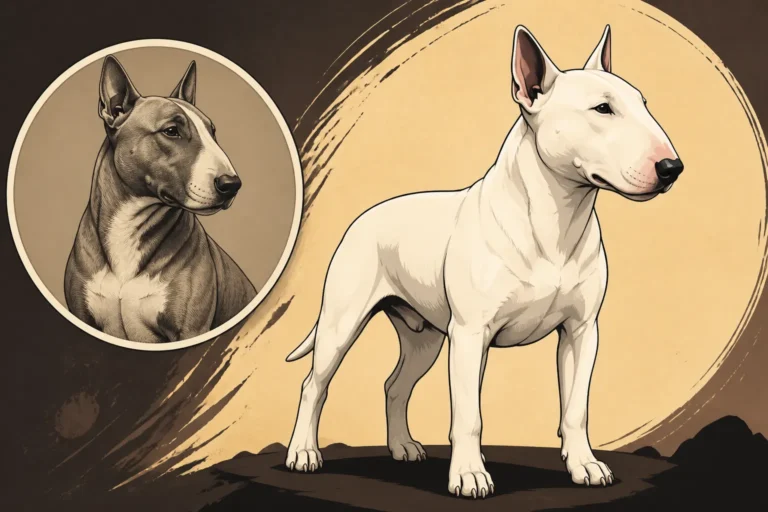
The standards James Hinks set, both in terms of physical characteristics and temperament, form the bedrock of the modern Bull Terrier breed standard. His emphasis on courage, loyalty, and a distinctive appearance — particularly the clean white coat, powerful build, and keen expression — are still defining features. While the breed has evolved slightly over the decades, with the egg-shaped head becoming even more pronounced, the fundamental traits Hinks established remain paramount. His meticulous approach to breeding and his clear vision created a blueprint that continues to guide responsible breeders worldwide. The very structure and nature of the breed owes an immense debt to his pioneering efforts in Birmingham.
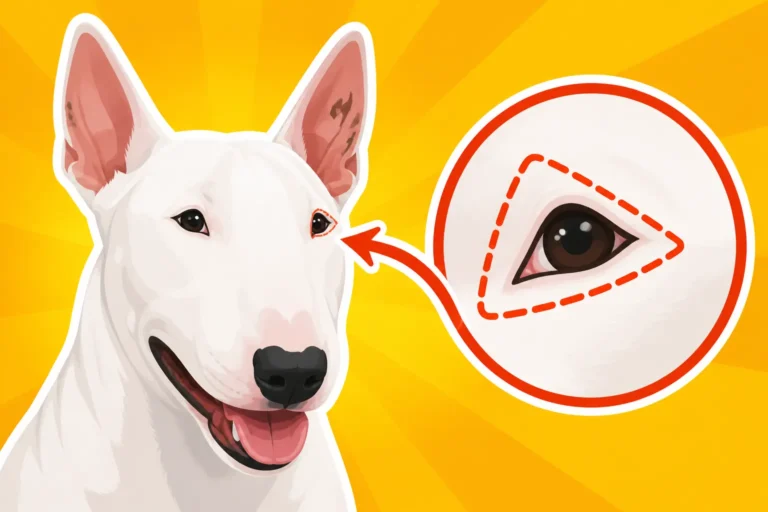
Hinks’ initial choices shaped everything that came after. Even today, when judges evaluate Bull Terriers in the show ring, they are, in essence, looking for the ideals that Hinks first envisioned. From the depth of chest to the small, triangular eye, his influence is undeniable. Modern breeders, while utilizing scientific advancements like DNA testing, still rely on the principles of selective breeding and an understanding of breed type that Hinks exemplified. Even when considering where to purchase high-quality dog food or accessories, prospective owners often start by researching breed specifics, many of which were defined by Hinks, and platforms like Chewy make these resources readily available, often with breed-specific guides that indirectly reference these historical origins.
Here's a quick look at James Hinks' key contributions:
| Contribution | Description | Impact on Bull Terrier Breed |
|---|---|---|
| Visionary Breeding | Aimed to create a refined, gentlemanly dog from working bull-and-terrier stock. | Established the "White Cavalier" image and temperament. |
| Strategic Cross-breeding | Combined Old English Bulldog, various terriers, and English White Terrier. | Developed distinctive all-white coat, agile body, and powerful build. |
| Cremorne Show Debut | Publicly showcased Puss in 1862, demonstrating courage and elegance. | Launched the breed into public consciousness, solidifying its reputation. |
| "White Cavalier" Branding | Positioned the breed as a loyal, courageous companion, not a fighter. | Shifted public perception, appealing to a broader, more refined audience. |
| Family Legacy | Sons James Jr. and Frederick continued his work, ensuring consistency. | Maintained and refined the breed standard after Hinks' early death. |
James Hinks’ dedication to creating a dog that embodied both strength and sophistication truly revolutionized canine breeding. His careful blend of power and refinement, culminating in the iconic "White Cavalier," laid the foundation for one of the most beloved and distinctive breeds in the world. As we consider the health and temperament of Bull Terriers today, particularly topics like The Heart Murmur a Bull Terrier Puppy Should Be Checked For or Tail Chasing in a Bull Terrier Is a Medical Problem, it’s helpful to remember the strong, robust foundation Hinks aimed to build. His meticulous approach to defining the breed's characteristics, even extending to coat color as detailed in How Hinks Made the Bull Terrier Coat White, has shaped everything that followed. Today, when we look at a Bull Terrier, we're not just seeing a dog; we're seeing the enduring vision of James Hinks, a man who saw potential where others saw only utility, and who worked tirelessly to bring his ideal companion into being. From the earliest days of considering a Bull Terrier, learning about its history, perhaps from a reputable breeder or through resources found on sites like Chewy, is a critical step.
Disclaimer
This article is for general informational purposes only and does not constitute professional advice. Laws, prices and regulations vary by location and change over time. Consult a qualified professional for guidance on your specific situation.