Whether an Aging Bull Terrier Feels the Cold
It’s a common worry among us Bull Terrier enthusiasts: as our beloved, goofy clowns age, do they start to feel the chill more intensely than when they were bounding puppies? Absolutely, they do! Just like us, older dogs experience physiological changes that can make cold weather a real struggle, transforming a brisk walk into an uncomfortable ordeal. This guide will explore the undeniable reasons why your senior Bull Terrier is likely more susceptible to cold, how you can recognize the subtle signs of their discomfort, and, most importantly, provide actionable steps to ensure they remain warm, cozy, and happy during those colder months.
The Physiological Shifts That Make Seniors Susceptible to Cold
As our Bull Terriers transition into their golden years, their bodies undergo a host of natural changes that can profoundly affect their ability to regulate temperature. What once seemed like a resilient, impervious body becomes a bit more fragile, especially when it comes to battling the elements. Understanding these shifts is the first step in providing the tailored care our older companions deserve.
Thinning Coats and Decreased Muscle Mass
One of the most immediate and noticeable factors contributing to an aging Bull Terrier’s increased sensitivity to cold is the natural thinning of their coat and the inevitable decrease in muscle mass. Bull Terriers are already known for their short, sleek, single coats, which offer far less insulation than the thick double coats of breeds like Huskies or Newfoundlands. In their youth, this short coat, combined with a robust layer of muscle, might have been sufficient for moderate temperatures.
However, as they age, their fur can become even sparser. You might notice areas where the coat isn't as dense, or perhaps it feels a little coarser. This reduces the natural barrier against the cold air, meaning icy winds cut straight to their skin. Moreover, sarcopenia, the age-related loss of muscle mass, plays a significant role. Muscle tissue is metabolically active and generates heat. A younger, more muscular Bull Terrier has a greater capacity to create and retain body heat. As those muscles diminish, so does their internal furnace, leaving them with fewer natural resources to stay warm. It’s like their personal heater is running on a lower setting, and their external insulation is less effective, a double whammy for staying toasty.
Slower Metabolism and Circulation
Another critical change that impacts an older Bull Terrier’s tolerance to cold is a general slowdown in their metabolism and potentially compromised circulation. Think of metabolism as the internal engine that keeps their body running, converting food into energy and heat. In a young, vibrant Bull Terrier, this engine runs hot and efficiently. As they age, this metabolic rate often decreases. They might not burn through calories as quickly, leading to less internal heat production. This means their core body temperature can drop more easily and they might struggle to generate enough heat to counteract external cold.
Beyond metabolism, circulation can also become less efficient. Blood flow, especially to the extremities like paws, ears, and the tip of the tail, might not be as robust as it once was. This makes these areas particularly vulnerable to feeling cold and can take longer to warm up once exposed to chilly temperatures. If you’ve ever noticed your older dog's paws feeling distinctly colder to the touch after a short outing, diminished circulation could be a key factor. It's a bit like having a less powerful heating system in your car – it takes longer to warm up the whole interior, and some parts just never quite get there.
Underlying Health Conditions and Medication Effects
It’s not just normal aging; underlying health conditions and the medications used to manage them can also contribute significantly to a senior Bull Terrier’s increased cold sensitivity. Conditions common in older dogs, such as arthritis, hypothyroidism, or kidney disease, can directly or indirectly affect their ability to stay warm. For instance, dogs with hypothyroidism have an underactive thyroid gland, which controls metabolism and, consequently, body temperature. An untreated or poorly managed hypothyroid dog will almost certainly feel the cold more acutely.
Similarly, conditions that cause chronic pain, like arthritis, can make movement uncomfortable. An older Bull Terrier that’s stiff and sore is less likely to move around and generate body heat, choosing instead to huddle. Kidney disease, which some Bull Terriers are unfortunately predisposed to, can also affect overall health and energy levels, making them more vulnerable to environmental stressors. Furthermore, certain medications, particularly those for pain relief or heart conditions, can sometimes impact circulation or cause a slight sedative effect, further reducing their natural warmth. It’s vital to have regular check-ups, like What a Bull Terrier's Yearly Bloodwork Should Cover, to catch and manage these conditions. Discuss any new cold sensitivity with your vet, as it could be a subtle clue to an underlying issue that needs attention.
Recognizing the Signs of a Chilly Senior Bull Terrier
Our Bull Terriers are incredibly stoic creatures, often masking discomfort until it becomes unbearable. As they age, this ability to "tough it out" can make it challenging for us to know when they're truly feeling the cold. However, by observing their behavior and noting subtle physical cues, we can become better attuned to their needs and prevent them from getting uncomfortably cold or even dangerously hypothermic.
Behavioral Indicators of Discomfort
A senior Bull Terrier that is feeling cold will often display a range of behavioral changes, some obvious and some more subtle. The most classic sign is shivering, which can range from a slight tremble to full-body shakes. This is their body’s involuntary attempt to generate heat. You might also notice them hunching their back or tucking their tail tightly between their legs, trying to minimize their surface area and conserve warmth. A reluctance to go outside, even for their usual potty breaks, is a big red flag, especially if they usually love their walks.
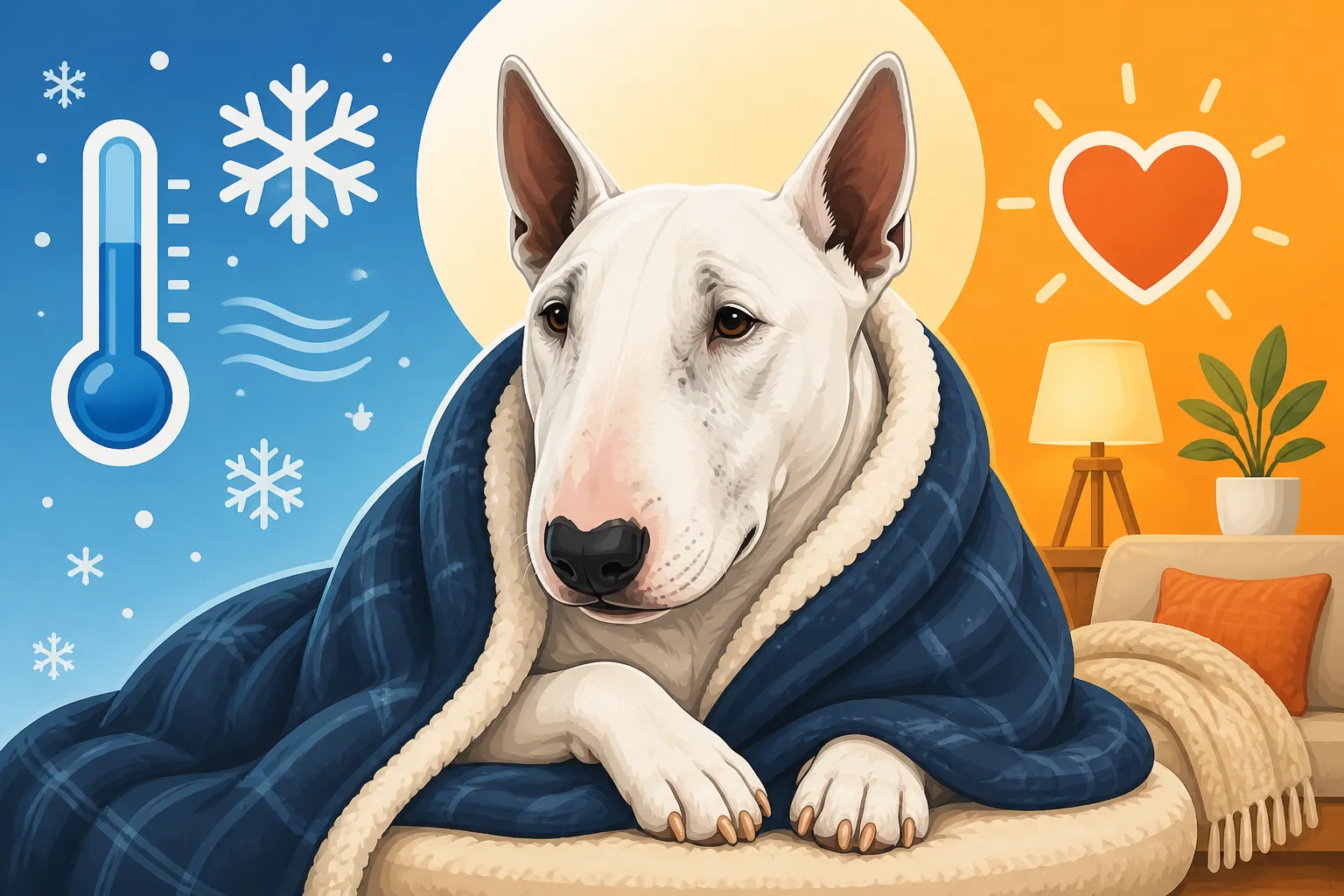
Indoors, a chilly Bull Terrier will often seek out the warmest spots in the house. This could mean hogging a sunbeam, snuggling unusually close to a heat vent, or trying to burrow deep under blankets or into your lap. Their activity levels might also drop dramatically. They might seem more lethargic, less interested in play, or simply prefer to curl up and sleep more than usual. This is a stark contrast to a younger Bull Terrier who might revel in a brisk, cold morning, eager to zoom around the yard. Pay attention to these shifts; they are your dog’s way of communicating their discomfort.
Physical Cues and Health Implications
Beyond behavioral changes, there are also physical cues that can indicate your older Bull Terrier is feeling cold. Gently touch their ears, paws, and nose. If these extremities feel noticeably cold to the touch, it’s a good sign their body is struggling to maintain warmth. While a cool nose can be normal, consistently cold extremities point to a circulation issue or general chill. You might also notice their gums or tongue appearing paler than usual, which can be another sign of reduced circulation in very cold conditions.
For senior Bull Terriers already dealing with conditions like arthritis, cold weather can exacerbate their pain and stiffness. You might see them moving even more slowly, struggling to get up from a lying position, or limping more prominently. This isn't just discomfort; it can lead to more serious health implications. Prolonged exposure to cold can lead to hypothermia, a dangerous drop in core body temperature, which requires immediate veterinary attention. Frostbite, though less common, can also affect exposed areas like ear tips, paw pads, and tails in extreme cold. Regularly checking these physical cues is crucial to ensuring their well-being.
Practical Strategies for Keeping Your Older Bull Terrier Warm
Once you understand why your senior Bull Terrier feels the cold more and how to spot the signs, the next step is proactive care. Luckily, there are many practical and loving ways we can help our aging companions stay warm and comfortable, ensuring their golden years are as cozy as possible.
Layering Up: Coats, Sweaters, and Protective Gear
One of the most effective ways to combat the cold for a short-coated breed like the Bull Terrier, especially as they age, is to provide them with extra layers when they venture outside. A well-fitting dog coat or sweater can make a world of difference. Look for options made from warm, insulating materials like fleece, wool, or waterproof blends. It’s important to find something that covers their chest and belly, as these areas are particularly vulnerable to cold. Brands like Hurtta or Ruffwear, available on sites like Chewy or Amazon, offer excellent durable options that are designed to fit a dog’s unique physique, providing maximum coverage without restricting movement.
When choosing a coat, consider the weather conditions. A simple fleece sweater might be enough for a chilly autumn day, but for icy winter winds or snow, a waterproof, insulated coat is essential. Don't forget their paws! Booties can protect sensitive paw pads from cold, ice, salt, and snow, which can be particularly irritating or even painful for older, more delicate feet. While some dogs take time to adjust to wearing them, the protection they offer can be invaluable, allowing your Bull Terrier to enjoy their short outdoor excursions without discomfort. Whether a Bull Terrier Needs a Coat in Winter delves deeper into coat choices.
Creating a Cozy Indoor Environment
While outdoor protection is key, ensuring a warm and inviting indoor environment is equally crucial for your senior Bull Terrier. Think about where they spend most of their time. Do they have a designated sleeping area that’s free from drafts? Elevated dog beds can be a godsend, as they lift your dog off cold floors, preventing heat loss. Combine this with plenty of soft, thick blankets and comfortable cushions where they can burrow.
Consider adding a pet-safe heating pad or a heated dog bed to their favorite sleeping spot. These provide gentle, consistent warmth and can be particularly soothing for arthritic joints. Just make sure it has an automatic shut-off feature and that your dog can move off it if they get too warm. You might also need to adjust your home’s thermostat, especially overnight. A few extra degrees can make a huge difference to their comfort. Simple measures like draft stoppers for windows and doors can also prevent cold air from seeping into their resting areas. We want their home to be their sanctuary of warmth!
Nutrition, Hydration, and Regular Vet Checks
Supporting your aging Bull Terrier’s internal systems through proper nutrition and regular veterinary care also plays a vital role in their ability to tolerate the cold. A diet appropriate for senior dogs, rich in easily digestible nutrients and omega fatty acids, can help maintain their overall health, support a healthy metabolism, and contribute to a better coat and skin condition. While it's important to keep them lean, ensure they are receiving adequate calories, especially if they are expending more energy trying to stay warm. For instance, some senior-specific diets, available from brands like Ollie or Purina Pro Plan, are formulated to meet these changing needs.
Hydration is often overlooked but crucial. Dehydration can impair circulation and impact overall bodily functions, making it harder for your dog to regulate their temperature. Always ensure they have access to fresh, unfrozen water, both indoors and during outdoor ventures. Finally, consistent and thorough veterinary check-ups are non-negotiable for senior Bull Terriers. Conditions that increase cold sensitivity, such as hypothyroidism or kidney disease, are best managed with professional guidance. Your vet can monitor their overall health, adjust medications as needed, and offer specific advice tailored to your dog’s unique health profile. Caring for a Bull Terrier Past Eight emphasizes the importance of these regular visits.
Managing Outdoor Exposure and Exercise in Colder Months
Winter often means shorter days and colder temperatures, which can present a challenge for maintaining your senior Bull Terrier's exercise routine and outdoor enrichment. While they might still enjoy going outside, it's crucial to adapt their schedule and activities to prioritize their comfort and safety.
Shortening Outdoor Time and Adjusting Walk Schedules
When the mercury drops, especially below freezing, it’s wise to significantly shorten your senior Bull Terrier’s outdoor time. Instead of their usual long walk, consider several shorter, more frequent potty breaks. This limits their exposure to extreme cold while still allowing them to relieve themselves. Try to schedule these outings during the warmest parts of the day, typically midday, when the sun is highest. Avoid early mornings or late evenings when temperatures are at their lowest.
While it’s important to keep them moving to generate some body heat, be mindful of their arthritic joints, which can become stiffer and more painful in the cold. A gentle trot might be okay, but intense running or prolonged activity on hard, icy surfaces should be avoided. If they seem reluctant to move or show signs of discomfort, it’s always better to cut the outing short. Remember, the goal is comfort and necessary activity, not pushing them to their limits. For more on appropriate activity levels, check out How Far an Aging Bull Terrier Should Still Run.
Indoor Activities and Enrichment
Just because it’s cold outside doesn't mean your senior Bull Terrier has to become a couch potato! Indoor activities are a fantastic way to keep them mentally stimulated and physically engaged without exposing them to the harsh elements. Puzzle toys filled with treats can provide hours of entertainment and mental challenge, burning energy in a fun way. Brands available on Amazon or Chewy offer a wide variety of interactive toys designed to engage their minds.
You can also engage them in short, fun training sessions, teaching new tricks or refining old ones. A hallway can become an impromptu fetch alley, or you can play hide-and-seek with their favorite toy. Scent work, where you hide treats around the house for them to find, is another excellent way to engage their keen sense of smell and provide mental enrichment without any physical strain. These activities are particularly important for a breed known for its intelligence and zest for life, even in old age. For more ideas, explore Which Indoor Games Tire a Bull Terrier Out.
Post-Outdoor Care and Drying
After any outdoor excursion in cold or wet weather, proper post-care is essential to prevent your senior Bull Terrier from becoming chilled. Their short coat, while easy to groom, doesn't repel water as effectively as some other breeds, meaning they can get quite damp if it's raining or snowing. Even a slightly damp coat can lead to significant body heat loss, making them feel much colder than they already are.
Always thoroughly dry your Bull Terrier after they come inside. Use a soft, absorbent towel to rub them down, paying special attention to their paws, belly, and ears. If they’ve been in snow or slush, make sure to remove any ice balls that might have formed between their paw pads. In very cold or wet conditions, a quick wipe down followed by a few minutes with a low-heat hairdryer (held at a safe distance and kept moving) can ensure they are completely dry and warm. This simple step can prevent a lingering chill and the discomfort it brings. For more tips on keeping them dry, refer to How to Dry a Bull Terrier After a Bath.
Comparative Resilience: Young vs. Aging Bull Terrier in Cold Weather
Let's take a quick look at how the cold impacts Bull Terriers at different stages of their lives:
| Feature | Young Bull Terrier (Puppy to Adult) | Aging Bull Terrier (8+ Years) |
|---|---|---|
| Coat Insulation | Short, but often denser with more underlying muscle. | Short, potentially thinner, less effective barrier against cold. |
| Muscle Mass | High, actively generates body heat. | Reduced, less heat generation, can lead to quicker chilling. |
| Metabolism | Higher, robust internal furnace, efficient heat production. | Slower, less internal heat production, takes longer to warm up. |
| Circulation | Generally strong, good blood flow to extremities. | Can be less efficient, leading to colder paws, ears, and nose. |
| Energy Levels | High, eager to play and run, generating warmth through activity. | Lower, prefers to conserve energy, less prone to vigorous activity. |
| Joint Health | Typically healthy, active movement is comfortable. | Potential for arthritis, cold exacerbates pain and stiffness. |
| Immune System | Stronger, generally more resilient to environmental stress. | Can be weaker, more susceptible to illness from prolonged cold. |
| Behavioral Response | May tolerate cold well for short periods, enjoys brisk activity. | Seeks warmth, shivers quickly, reluctant to go out, huddles. |
| Risk of Hypothermia | Lower, unless prolonged extreme exposure. | Higher, due to decreased ability to self-regulate temperature. |
As you can see, the differences are quite stark. While a younger Bull Terrier might shrug off a chilly morning, our senior companions need a lot more consideration and protection from the elements. The Age a Bull Terrier Is Considered Senior helps define when these changes typically begin.
Disclaimer
This article is for general informational purposes only and does not constitute professional advice. Laws, prices and regulations vary by location and change over time. Consult a qualified professional for guidance on your specific situation.