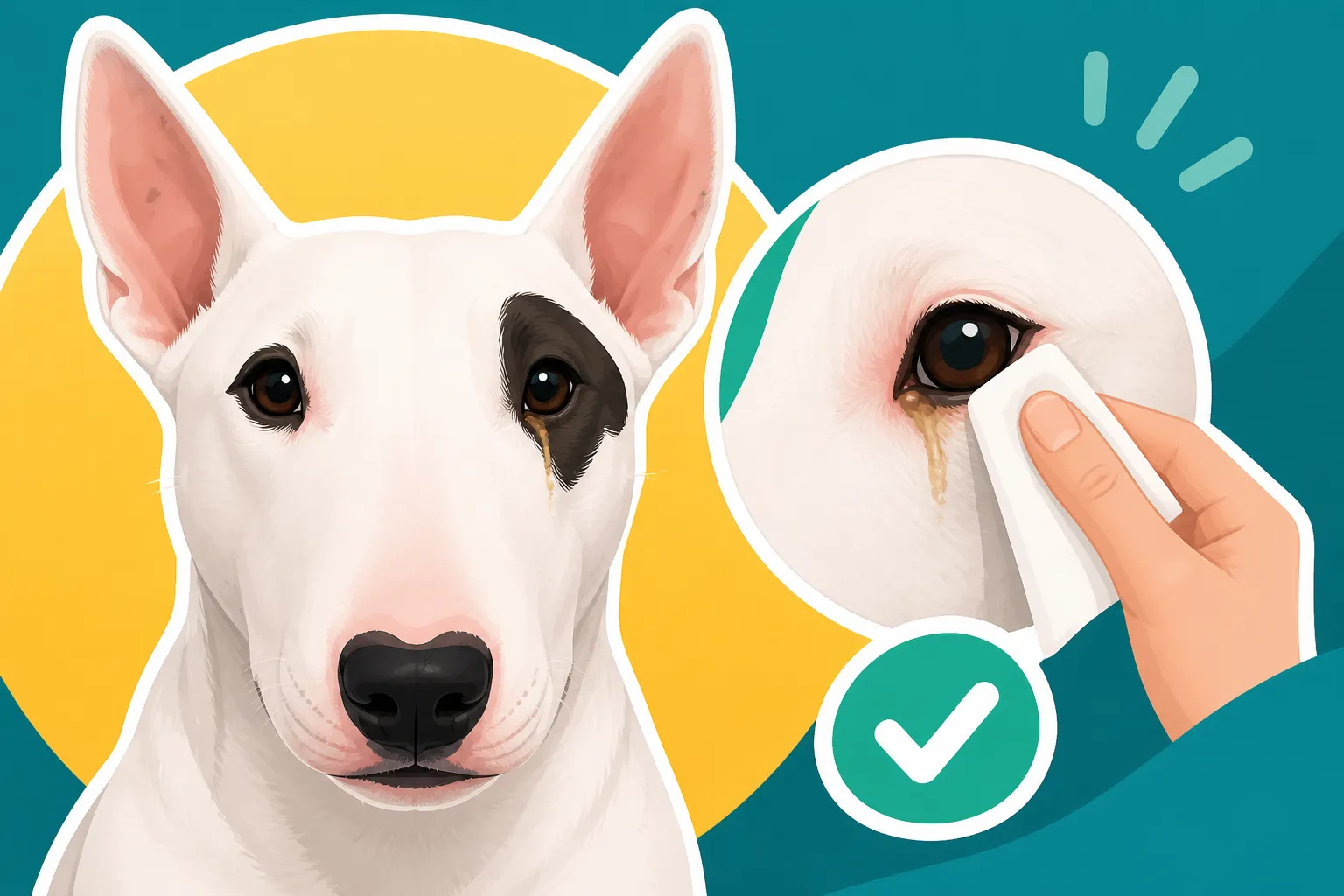
Whether a Bull Terrier’s Eye Needs Wiping
As a Bull Terrier owner, you've probably spent countless moments gazing into those unique, triangular eyes that are so characteristic of our beloved breed. Sometimes, though, those captivating peepers can get a little watery or develop some crust, leaving you to wonder: is this normal? Do I need to wipe my Bull Terrier's eyes regularly, or could this be a symptom of an underlying issue? This comprehensive guide is here to shed light on your Bull Terrier's eye health, helping you differentiate between everyday care and signs that warrant a vet visit.
Understanding Your Bull Terrier's Eyes: What's Normal?
Our Bull Terriers are distinctive creatures, and their eyes are no exception. Unlike many breeds, the Bull Terrier boasts a unique eye shape and set that can influence how their eyes look and drain. Knowing what's normal for your specific dog is the first step in understanding when action might be needed.
The Unique Bull Terrier Eye Structure
Bull Terriers are renowned for their small, dark, triangular eyes, often described as "piggy eyes," set obliquely and deep within their egg-shaped heads. This distinctive structure, while part of their charm, can sometimes lead to particular considerations regarding eye care. Because their eyes are set deeply, they are somewhat protected, but the deep set can also affect tear drainage. Tears are constantly produced to lubricate and clean the eye, and normally they drain through tiny ducts in the inner corner of the eye into the nasal cavity. With the Bull Terrier's unique facial structure, sometimes this drainage isn't as efficient as in breeds with flatter faces or more prominent eyes, leading to a bit of moisture or collecting debris in the corners. It's a common observation among Bull Terrier enthusiasts that their dogs often have a very alert, intense gaze, which is further accentuated by this eye shape. It’s truly a breed hallmark. We’ve discussed this before when exploring Why a Bull Terrier's Eye Is So Small, and it's a topic that comes up often when talking about the breed's standard.
Normal Discharge vs. Concerning Signs
So, what constitutes normal eye discharge for a Bull Terrier? Generally, a small amount of clear or slightly whitish, watery discharge that might accumulate in the inner corner of the eye, especially after sleep, is usually nothing to worry about. Think of it like "sleepy dust" in humans – it’s just the eye’s natural way of cleaning itself. This discharge should be easy to wipe away with a soft, damp cloth or a specialized eye wipe. It shouldn’t have a strong odor, and the surrounding skin shouldn't be red or irritated. If your Bull Terrier occasionally has a little tear production that leaves a slight dampness, that’s typically within the realm of normal. The eye itself should look clear and bright, not cloudy, red, or swollen. The conjunctiva (the pink membrane lining the eyelids) should also appear light pink and healthy, not inflamed or angry red. It’s all about consistency and appearance.
However, if you start noticing changes, that's when your alarm bells should gently ring. Any discharge that is thick, yellow, green, or excessively watery, or has a foul odor, is a definite red flag. If your dog is squinting, pawing at their eyes, showing increased redness, swelling, or sensitivity to light, these are also signs that something more serious might be going on. This is especially true if one eye seems more affected than the other, or if the discharge appears suddenly. Don't just dismiss it as "more sleepies" – these could indicate infection, irritation, or other underlying health problems.
Here’s a quick guide to help you distinguish between normal and concerning eye discharge:
| Characteristic | Normal Eye Discharge | Concerning Eye Discharge |
|---|---|---|
| Color | Clear, slightly whitish, sometimes light brown | Yellow, green, dark brown, blood-tinged |
| Consistency | Watery, thin, small crusts | Thick, sticky, pus-like, stringy |
| Quantity | Small amount, mostly after sleep | Excessive, constant, present throughout the day |
| Odor | None | Foul, cheesy, unpleasant |
| Surrounding Area | Clean, no redness or swelling | Redness, swelling, hair loss, skin irritation |
| Dog's Behavior | No discomfort, normal blinking | Squinting, pawing, rubbing, sensitivity to light, pain |
When and How to Safely Wipe Your Bull Terrier's Eyes
For those routine moments when a little bit of clear moisture or eye gunk appears, a gentle wipe can make all the difference in keeping your Bull Terrier comfortable and clean. It’s not about over-cleaning, but about mindful hygiene.
The Daily Routine: When Wiping Is Beneficial for Hygiene
For many Bull Terriers, a quick, gentle wipe once a day or every other day, especially in the morning, is perfectly adequate for maintaining good eye hygiene. This is particularly true if your dog tends to accumulate a bit of "sleep" in the corners of their eyes overnight. Wiping prevents this build-up from hardening and potentially causing mild irritation to the delicate skin around the eyes. Think of it as part of their regular grooming, much like a quick brush to their coat. For those dogs with slightly less efficient tear drainage, or if they've been romping outside on a windy day, a bit of extra moisture or debris might collect, and a timely wipe prevents potential issues. It's a simple preventative measure that can keep minor irritations from escalating. It's also a great opportunity to get a close look at their eyes and notice any subtle changes early on.
Choosing the Right Tools and Techniques
When it comes to wiping your Bull Terrier's eyes, gentleness and appropriate tools are paramount. Never use harsh chemicals, human eye drops (unless specifically prescribed by your vet), or anything abrasive.
- Soft Cloth or Cotton Pads: A clean, soft cloth dampened with warm water is often all you need. Plain cotton pads, available at most drugstores or even through Chewy or Amazon, are also excellent because they are soft and won't leave lint behind.
- Specialized Eye Wipes: There are many excellent dog-specific eye wipes on the market. These are often pre-moistened with gentle, dog-safe solutions designed to break down tear stains and discharge without irritating the eye. Brands like Earthbath, Petkin, or even more generic store brands can be found easily online at places like Chewy. These can be particularly handy for travel or if you want the convenience of a pre-prepared wipe.
- Technique:
- Be Gentle: Your Bull Terrier’s eyes and the skin around them are delicate. Approach them calmly and gently.
- Dampen: If using a dry cloth or cotton pad, dampen it with warm (not hot!) water. The warmth helps to soften any crusty discharge.
- Wipe Away from the Eye: Start at the inner corner of the eye and gently wipe outwards, away from the eyeball. This ensures you're not pushing any debris back into the eye itself.
- Use a Fresh Section (or New Pad) for Each Eye: To prevent cross-contamination, use a different section of your cloth or a fresh cotton pad for each eye.
- Be Patient: If your Bull Terrier isn't used to eye wiping, introduce it slowly with positive reinforcement and treats. Make it a calm, pleasant experience.
Remember, the goal is to clean around the eye and remove surface debris, not to rub on the eyeball. If you're ever unsure about a product, always consult your veterinarian first.
Common Eye Issues in Bull Terriers and When to See the Vet
While routine wiping helps with normal discharge, sometimes eye issues in Bull Terriers are more complex and require professional attention. Our breed, like many others, can be prone to certain conditions.
Allergies and Irritants
Just like people, Bull Terriers can suffer from allergies, and these often manifest as eye irritation. Environmental allergens like pollen, dust mites, or certain grasses can cause itchy, watery, and sometimes red eyes. You might notice your Bull Terrier rubbing their face on the carpet or pawing at their eyes more than usual. Sometimes, even the shampoo we use can be an irritant if it gets into their eyes during a bath. While not exclusively an eye issue, we've discussed Whether a Bull Terrier Gets Skin Allergies extensively, and these can certainly extend to the eyes. Food allergies, though less common for direct eye symptoms, can sometimes contribute to overall inflammation that includes ocular signs. If you suspect allergies are the culprit, your vet might suggest antihistamines or other allergy management strategies. Keeping your dog’s environment clean, regularly washing their bedding (using gentle, hypoallergenic detergents), and wiping their paws after walks can help reduce allergen exposure.
Specific Bull Terrier Eye Conditions
Bull Terriers, unfortunately, can be predisposed to a few specific eye conditions that go beyond simple irritation. Knowing these can help you identify problems early.
- Entropion and Ectropion: These are eyelid abnormalities. Entropion is when the eyelid rolls inward, causing the eyelashes to rub against the cornea, leading to irritation, pain, and excessive tearing. Ectropion is the opposite, where the eyelid rolls outward, exposing the conjunctiva and making the eye more susceptible to dryness and foreign objects. While the Bull Terrier's deep-set eyes can sometimes give the appearance of these, true entropion or ectropion can be quite uncomfortable and often require surgical correction. We've touched on Ectropion in a Bull Terrier as a specific concern, and any consistent eye redness or discharge combined with an abnormal eyelid position should be checked.
- Dry Eye (Keratoconjunctivitis Sicca – KCS): This condition occurs when the tear glands don't produce enough tears to keep the eye adequately lubricated. The eyes become dry, irritated, and often produce a thick, tenacious, stringy discharge to compensate. It's incredibly uncomfortable for the dog and, if left untreated, can lead to corneal damage and vision loss. While not as common as in some other breeds, it's something to be aware of. If your Bull Terrier has persistently dry-looking eyes or that thick, mucus-like discharge, your vet will likely want to perform a Schirmer tear test to check tear production. This condition also sometimes leads to Dry Eye in a Bull Terrier.
- Tear Staining: Some Bull Terriers, particularly those with white coats, can develop reddish-brown tear stains below their eyes. This is often due to porphyrins, iron-containing molecules excreted in tears that turn reddish-brown when exposed to light and air. While primarily a cosmetic issue, excessive tear staining can also indicate a blocked tear duct, allergies, or an infection. Regular cleaning with specialized tear stain removers (which you can find on Amazon or Chewy) can help manage the appearance, but if it's severe or sudden, a vet check is a good idea to rule out underlying causes. This condition is also explored in Whether a Bull Terrier Gets Tear Staining.
Red Flags: When to Call the Veterinarian
It's easy to dismiss a little eye gunk, but certain symptoms should never be ignored. Always contact your veterinarian if you observe any of the following:
- Changes in Discharge: Any sudden onset of thick, yellow, green, or blood-tinged discharge.
- Pain or Discomfort: Squinting, excessive blinking, pawing at the eye, sensitivity to light, or reluctance to let you touch their face. These are all signs a Bull Terrier is experiencing pain.
- Redness or Swelling: Any noticeable redness in the white of the eye or around the eyelids, or any swelling of the eye structures themselves.
- Cloudiness or Film: A hazy, bluish, or whitish film over the cornea, or any change in the clarity of the eye.
- Pupil Changes: If one pupil is larger or smaller than the other, or if they don't react normally to light.
- Foreign Objects: If you suspect something is actually in your dog's eye.
- Vision Changes: Bumping into things, hesitancy to go down stairs, or other signs that their vision might be impaired.
These symptoms could indicate anything from a corneal ulcer, glaucoma, conjunctivitis, or a severe infection, all of which require prompt veterinary attention to prevent permanent damage. Don't delay; it's always better to be safe than sorry when it comes to your dog's eyesight. Signs a Bull Terrier's Eye Is Irritated can be subtle, so being vigilant is key.
Proactive Eye Health for Your Bull Terrier
Maintaining your Bull Terrier's overall health plays a huge role in preventing eye problems. A healthy body often means healthy eyes. Think of it as a holistic approach to their well-being, keeping their unique needs in mind.
Diet and Hydration
A balanced, high-quality diet is fundamental for your Bull Terrier's general health, and that includes their eyes. Good nutrition provides the necessary vitamins, minerals, and antioxidants to support eye tissue and immune function. If your Bull Terrier has specific dietary needs, such as sensitivities, ensuring they are on appropriate food can reduce systemic inflammation that might indirectly affect their eyes. Companies like Ollie, for instance, offer customized meal plans that focus on fresh, whole ingredients, which can be beneficial for overall health. Adequate hydration is also crucial. Well-hydrated dogs tend to have better tear production and healthier mucous membranes, including those in the eyes. Always ensure your Bull Terrier has access to fresh, clean water throughout the day. If you're wondering How Many Meals a Day a Bull Terrier Needs, consult your vet, as consistent feeding schedules and appropriate portions also contribute to stable health, avoiding nutrient deficiencies or excesses that could impact eye health.
Regular Vet Checks and Preventative Care
Routine veterinary examinations are paramount for catching potential eye issues early, often before they become obvious to you. During your Bull Terrier's annual wellness exam, your vet will perform a general eye check, looking for abnormalities in the eyelids, conjunctiva, and cornea. They might also check tear production or eye pressure if they have concerns. These regular check-ups are also the time to discuss any subtle changes you've noticed, even if they seem minor. Don't be shy about pointing out that "extra gunk" you've been wiping away. Early detection of conditions like dry eye, glaucoma, or even hereditary issues can make a significant difference in treatment success and preserving your Bull Terrier's vision and comfort. Proactive care is truly the best defense. These check-ups should be a non-negotiable part of your dog's care plan, as detailed in discussions around How Often a Bull Terrier Needs a Wellness Exam.
Environmental Management
Your Bull Terrier's environment can greatly influence their eye health. Minimizing exposure to irritants can go a long way in preventing issues.
- Dust and Debris: If your home is particularly dusty, regular cleaning and vacuuming can help. If your Bull Terrier likes to stick their head out the car window (a classic Bull Terrier move!), consider investing in dog goggles to protect their eyes from wind, dust, and flying debris.
- Chemicals: Be mindful of household cleaning products, aerosols, and even strong perfumes. These can cause irritation if they get into your dog's eyes. When using these products, ensure your Bull Terrier is in another room or well away from the area.
- Long Grass and Brush: If you walk your Bull Terrier in areas with tall grass, weeds, or thorny bushes, be aware that these can easily scratch or irritate their eyes. A quick check of their eyes after these walks can help you spot any foreign bodies or redness.
- Sun Protection: While Bull Terriers aren't typically considered prone to sun-related eye issues in the same way some brachycephalic breeds are, excessive UV exposure can still be detrimental over time. For white Bull Terriers especially, the skin around the eyes can be sensitive to sunburn, even if the eye itself is less prone to damage than a protruding eye would be. In very sunny environments, brief periods in the shade are always a good idea. Why a White Bull Terrier Sunburns is a related topic, emphasizing the general sensitivity of their skin.
By being observant, providing routine care, and knowing when to seek professional help, you can help ensure your Bull Terrier's unique and expressive eyes stay healthy and bright for years to come.
Disclaimer
This article is for general informational purposes only and does not constitute professional advice. Laws, prices and regulations vary by location and change over time. Consult a qualified professional for guidance on your specific situation.