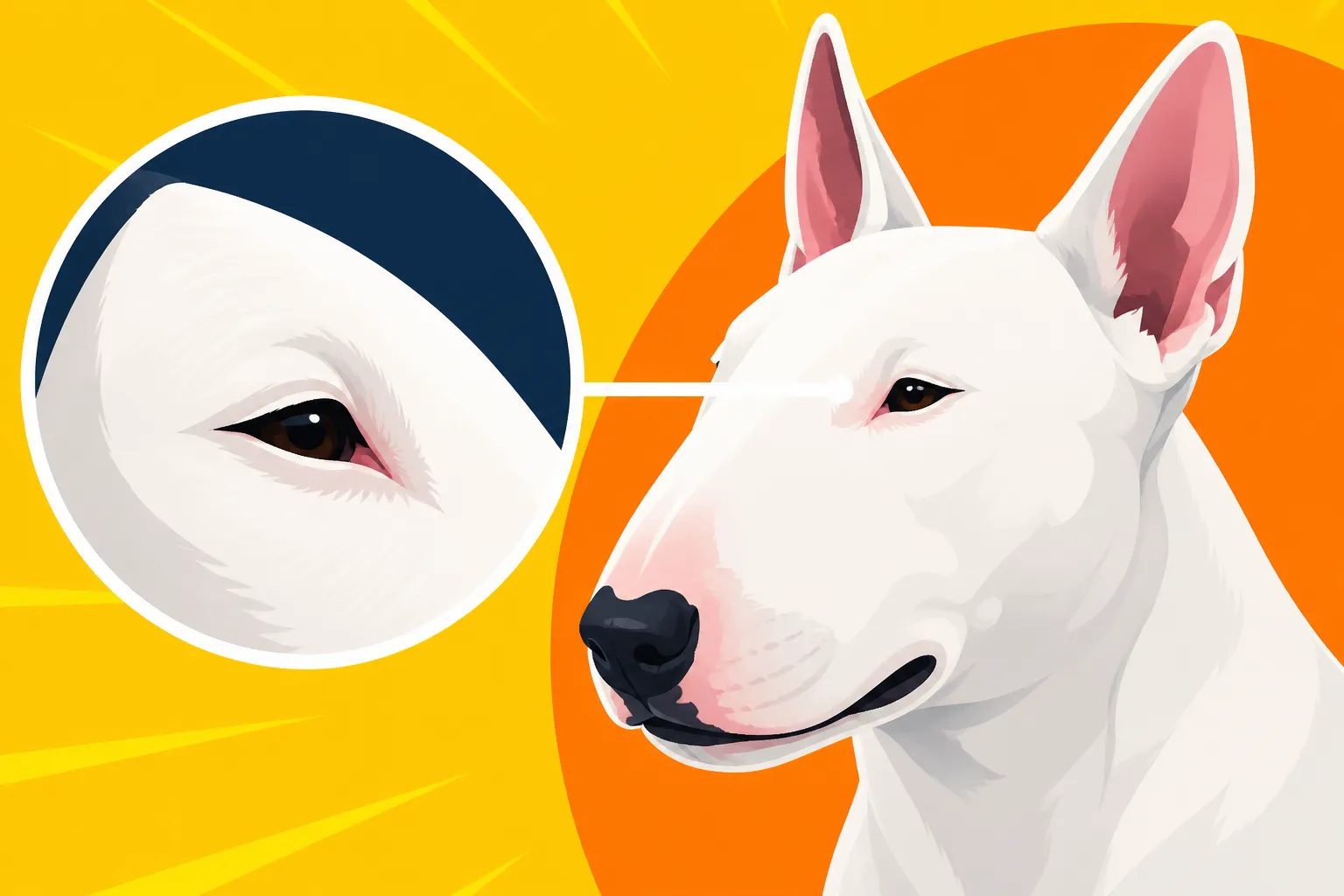
Why a Bull Terrier’s Eye Is So Small
It’s a look that stops people in their tracks – that undeniably unique, almost alien-like head with its striking, deeply set eyes. If you’re a Bull Terrier owner, or simply an admirer of the breed, you’ve probably found yourself wondering, "Why on earth are their eyes so small?" It’s a common question, and frankly, it's one of the most defining characteristics of our beloved "egg-head" companions. This guide will delve deep into the fascinating history, genetic blueprint, and practical implications of the Bull Terrier’s distinctive eye shape.
The Breed Standard and the Unique Bull Terrier Eye
The Bull Terrier’s eye is arguably its most captivating and unusual feature, setting it apart from almost every other breed. It’s not just that they look small; it’s a deliberate, centuries-old characteristic deeply ingrained in the breed's standard. This distinctive appearance isn't an accident; it's a testament to the meticulous breeding efforts that went into creating the Bull Terrier we know and love today.
The "Egg Head" and the Eye's Placement
When you look at a Bull Terrier, the first thing that often captures your attention (after that incredible, unbroken "downface" from the top of the skull to the nose tip) is the placement of their eyes. They are set quite high up on the head, close together, and remarkably deep within the skull. This deep setting, combined with the overall convex, egg-shaped profile of the head, contributes significantly to the perception that their eyes are exceptionally small. It's an optical illusion of sorts; the actual size of the eyeball is proportionate to the dog, but its position makes it appear much less prominent than in other breeds. What the Bull Terrier's Downface Is describes this anatomical marvel in more detail, highlighting how crucial this facial structure is to the breed's identity.
This unique head shape, often referred to as a "Roman finish," means there's no defined "stop" (the indentation between the forehead and the muzzle) that you see in most other dog breeds. Instead, the profile flows in a smooth, continuous curve. This lack of a stop and the well-filled-out skull further emphasize the recessed nature of the eyes, almost as if they are peeking out from beneath a protective brow. It gives them a somewhat intense, yet often comical, expression that's hard to forget once you've seen it.
The Triangular Shape: A Breed Hallmark
Beyond their perceived smallness and deep-set nature, the Bull Terrier’s eyes are famously triangular. This isn't just a quirky description; it's explicitly stated in the breed standard and is a key identifier. But how can an eyeball be triangular? Well, it's not the eyeball itself that's triangular, but rather the shape created by the surrounding eyelids. The upper lid tends to be straighter, while the lower lid has a more upward curve, meeting at a sharp outer corner. This combination forms that unmistakable triangular aperture through which they see the world.
This triangular shape is not just a visual oddity; it contributes to the breed's alert and intelligent expression, which is often described as "mischievous" or "keen." The Bull Terrier Is the Only Breed With a Triangular Eye delves into why this particular shape is so unique to the Bull Terrier. It’s a testament to the power of selective breeding that such a specific, and frankly, unusual, physical characteristic could be so consistently achieved and maintained within a breed for generations. For Bull Terrier enthusiasts, this triangular eye is a badge of honor, a symbol of the breed’s distinctiveness and enduring appeal.
Genetic Roots and Historical Intent Behind the Eye Shape
To truly understand why a Bull Terrier’s eyes are so small, we have to journey back in time to the breed's origins. This distinctive feature isn't just random; it's the result of deliberate choices made by early breeders, most notably James Hinks, who set out to create a unique companion dog with a striking appearance. Their vision, and the genetics they harnessed, literally shaped the Bull Terrier's face.
How James Hinks Shaped the Look
The story of the Bull Terrier's distinct look begins in the 1860s in Birmingham, England, with James Hinks. Hinks was a visionary breeder who aimed to create a new breed, distinct from the rough-and-tumble "bull and terrier" types of the era. He wanted a dog with elegance, courage, and a refined appearance – his "White Cavalier." To achieve this, he crossed the Old English Bulldog with the now-extinct English White Terrier, and likely other breeds such as the Dalmatian. James Hinks Built the Bull Terrier in Birmingham in the 1860s provides a fascinating glimpse into the foundational work that went into creating this iconic breed.
Hinks’ breeding philosophy wasn't just about temperament; it was deeply focused on aesthetics. He meticulously selected for specific physical traits, and the head was paramount. The pure white coat was one goal, but the development of that distinctive head, with its downward curve and small, well-placed eyes, was another. He was essentially an artist, using genetics as his medium to sculpt a living masterpiece. The small, triangular eye was part of this overall vision for a dog that looked both strong and sophisticated.
Breeding for a "Filled" Face and Small Eye
The ideal Bull Terrier head is described as "egg-shaped," "downfaced," and "filled well up," meaning there are no hollows or indentations in the skull or beneath the eyes. This characteristic, often called the "Roman finish," meant that breeders deliberately selected dogs with skulls that curved smoothly from the forehead to the tip of the nose, almost like a perfect oval viewed from the side. This "filling out" of the face, particularly the area around the eyes, inherently made the eyes appear smaller and more deeply set. Where the Bull Terrier's Egg Shaped Head Came From details how this iconic feature evolved over time.
This specific breeding for a smoothly curved, powerful head had a direct impact on the eye's appearance. By deepening the orbital sockets and developing a more pronounced, convex skull, the eyes became less exposed and more protected. The small, triangular aperture was a natural consequence of shaping the bone structure around the eye, rather than trying to literally shrink the eyeball. It was a stylistic choice, aiming for a distinctive and powerful profile that has become instantly recognizable worldwide.
Vision and Health Implications of the Small Eye
When you have a dog with such unusual eyes, it's natural to wonder if their unique appearance comes with any functional trade-offs. Owners often worry, "Does their small eye affect their vision?" or "Are they more prone to eye problems because of it?" The good news is that for most Bull Terriers, their vision is perfectly adequate for doggy life, though their anatomy does lead to some considerations.
Does the Small Eye Affect Vision?
Surprisingly, no, the small and triangular appearance of a Bull Terrier's eye generally does not impair their vision. As we discussed, the eyeball itself is a normal, healthy size for a dog of their stature. The perceived "smallness" comes from the unique structure of their skull and eyelids, which simply make the aperture through which they see smaller. Think of it like looking through a narrow slit – your vision isn't necessarily blurry, just restricted in field.
While their direct, forward vision is excellent, some experts suggest that the deep-set, triangular eyes might slightly limit their peripheral vision compared to breeds with more prominent, rounder eyes. However, dogs rely heavily on their sense of smell and hearing, and their agility and situational awareness don't seem to suffer in everyday life. They can still chase squirrels, navigate dog parks, and zoom around the house with impressive precision. Whether a Bull Terrier Can See Straight Ahead discusses the specifics of their visual field. It's a testament to the robustness of canine anatomy that such a specialized aesthetic hasn't come at the cost of essential sensory function.
Common Eye Health Concerns for Bull Terriers
While the small eye shape itself doesn't cause problems, Bull Terriers are, like all breeds, susceptible to certain inherited eye conditions. It's crucial for owners to be aware of these, so they can monitor their dog's eye health and seek veterinary care if needed.
One significant concern is Primary Lens Luxation (PLL). This is a condition where the lens of the eye detaches from its normal position, which can lead to pain, glaucoma, and eventual blindness if not treated. While not directly related to the eye's size or shape, Bull Terriers are genetically predisposed to it. Regular check-ups with your vet can help catch this early. Primary Lens Luxation in a Bull Terrier offers a deeper dive into this serious condition. Another issue, though less common thanks to the deep-set nature of their eyes, can be entropion (inward rolling eyelids) or ectropion (outward rolling eyelids), which can cause irritation or chronic dryness.
Dry eye, or Keratoconjunctivitis Sicca (KCS), can also affect Bull Terriers, leading to insufficient tear production. This can make the eyes feel gritty and uncomfortable, and if left untreated, can lead to vision impairment. Early detection and management are key for any of these conditions, so always keep an eye out for redness, discharge, squinting, or changes in how your Bull Terrier’s eyes look or behave. Dry Eye in a Bull Terrier provides more detail on managing this condition.
Caring for Your Bull Terrier's Unique Eyes
Caring for your Bull Terrier's eyes isn't vastly different from caring for any other dog's eyes, but understanding their unique structure can help you be more vigilant and proactive. Given their deep-set nature and the potential for specific breed-related conditions, a little extra attention goes a long way in keeping those captivating peepers healthy and bright throughout The Ten to Fourteen Years a Bull Terrier Gets.
Daily Checks and Cleaning
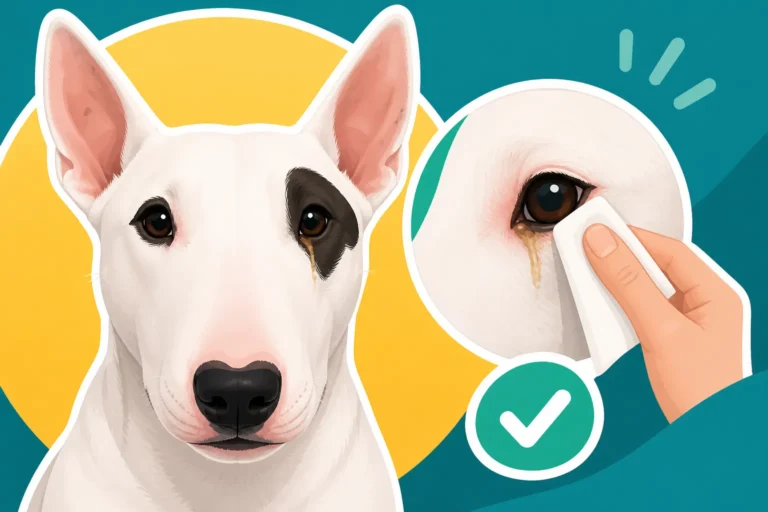
Making a quick eye check part of your daily routine can help you spot potential issues early. Look for any signs of redness, cloudiness, excessive tearing, or discharge. A little sleep crust in the morning is normal, but persistent discharge that is yellow, green, or thick should warrant a call to your vet. You should also watch for any squinting, pawing at the face, or signs of discomfort.
For routine cleaning, you can gently wipe away any normal eye discharge with a soft, damp cloth or a specialized pet eye wipe. Many owners find these wipes convenient and effective, readily available at pet supply stores like Chewy or on Amazon. Just be sure to wipe away from the eye, from the inner corner outwards, using a fresh part of the cloth or a new wipe for each eye to prevent cross-contamination. How to Clean a Bull Terrier's Eyes offers more detailed instructions on safe and effective cleaning practices. Consistency is key, as keeping the area clean can prevent irritation from accumulating debris.
Protecting Their Eyes
While their deep-set eyes offer some natural protection from external trauma, Bull Terriers are famously active and rambunctious dogs. They love to charge through bushes, dig in the yard, and rough-house with other dogs, all of which can put their eyes at risk. It's always a good idea to supervise their play and be mindful of environments that might contain sharp branches or other hazards at eye level.
For white Bull Terriers, while their eyes are recessed, their surrounding skin can be sensitive to the sun. While direct sun damage to the eyeball itself is less likely due to the deep setting, protecting the sensitive pink skin around their eyes with dog-safe sunscreen (if recommended by your vet) is something to consider during prolonged sun exposure. More importantly, never hesitate to consult your veterinarian if you notice any changes in your Bull Terrier’s eyes. Changes in vision, persistent redness, discharge, or signs of pain should always be promptly investigated. A yearly wellness exam, which often includes a basic eye check, and sometimes even specialized screenings, is a crucial part of their overall health regimen. How Often a Bull Terrier Needs a Wellness Exam and even a discussion on specialized diagnostics like What an Echocardiogram Costs on a Bull Terrier can highlight the importance of proactive veterinary care.
The Bull Terrier's small, triangular eyes are a truly iconic feature, a testament to careful breeding and a unique aesthetic vision. While they might look unusual, they are a normal and healthy part of this incredible breed, rarely causing vision problems. By understanding their history and potential health considerations, and by committing to regular, gentle care, you can help ensure your Bull Terrier’s eyes remain a source of joy and mischief for years to come.
Disclaimer
This article is for general informational purposes only and does not constitute professional advice. Laws, prices and regulations vary by location and change over time. Consult a qualified professional for guidance on your specific situation.